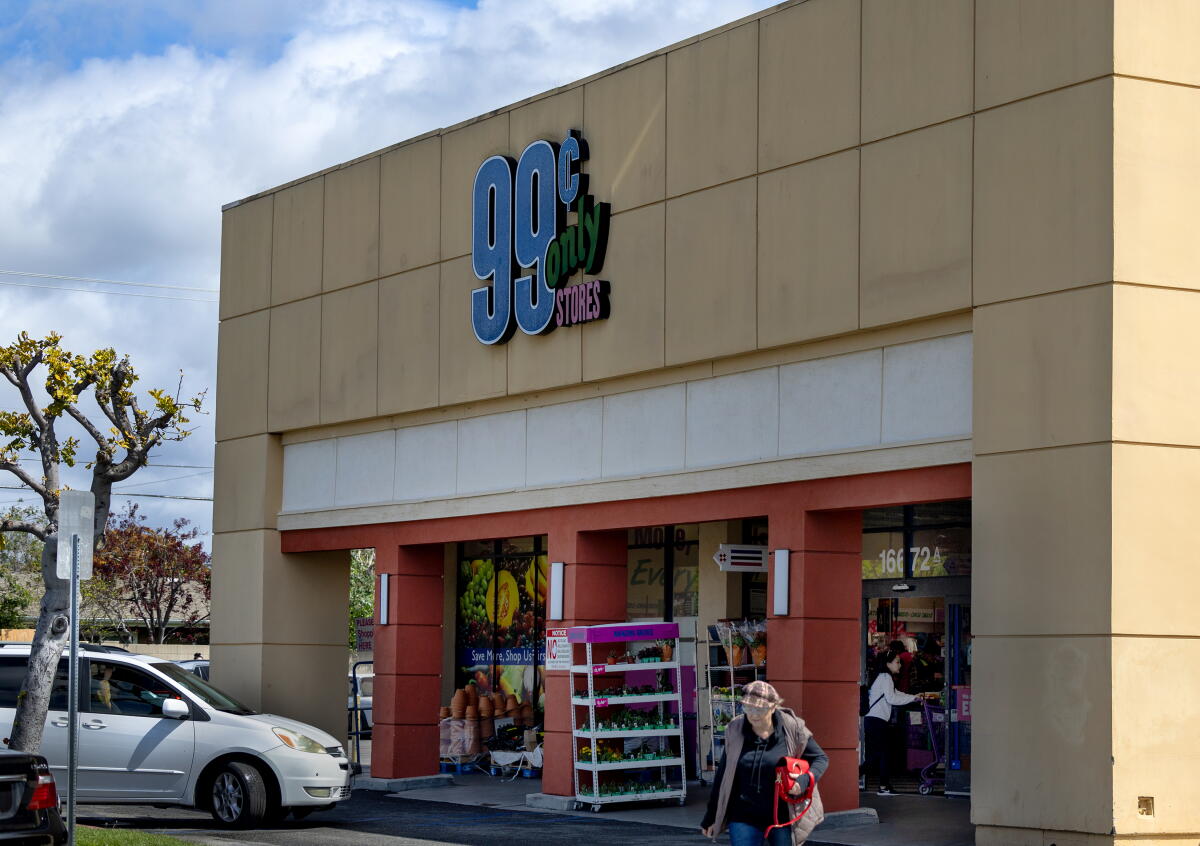
The 99 Cents Only Stores pricing and product strategy centered on a "treasure hunt" retail model, combining high-volume opportunistic sourcing of brand-name closeouts with a core selection of daily consumables. While originally anchored to a strict $0.99 price point, the strategy eventually transitioned into a multi-tier pricing architecture to offset rising procurement and operational costs before the company’s 2024 liquidation and subsequent brand reorganization.
The extreme value retail sector has long been defined by its ability to provide high perceived value at the lowest possible nominal price. Among the pioneers of this niche, 99 Cents Only Stores stood out by focusing on a specific geographic footprint (primarily California, Texas, Arizona, and Nevada) and a unique product mix that included fresh produce—a rarity in the deep-discount space. To understand the pricing and product strategy of this entity as we view it from 2026, one must examine the delicate balance between thin margins, supply chain volatility, and the psychological impact of the "99-cent" promise.
The Psychological Foundation of the 99-Cent Ceiling
For decades, the 99 Cents Only Stores operated under a rigid pricing philosophy: every item was exactly $0.99 (or later, $0.9999). This was not merely a pricing tactic; it was a brand identity that eliminated "price friction" for the consumer. When every item in a store costs the same, the mental energy required for budgeting decreases significantly, leading to higher impulse purchase rates and larger basket sizes.
In the retail industry, this is known as a fixed-price point strategy. It relies on the assumption that while the retailer may lose money or break even on certain "loss leader" items (like milk or brand-name detergents), the consumer will balance the transaction by purchasing high-margin "fillers" such as private-label snacks, party supplies, or seasonal decorations.
However, as we analyze the market in 2026, it is clear that the rigid 99-cent ceiling became an anchor that eventually dragged the business model down. As the Consumer Price Index (CPI) rose and the cost of goods sold (COGS) increased, the "99-cent" promise became unsustainable. The transition to a multi-price strategy was a necessity for survival, though it fundamentally altered the brand's relationship with its core demographic.
Strategic Product Sourcing: The Opportunistic Model
The heartbeat of the 99 Cents Only Store strategy was its opportunistic procurement engine. Unlike traditional grocers who maintain stable, long-term contracts with suppliers for specific SKUs (Stock Keeping Units), 99 Cents Only Stores thrived on market inefficiencies.
Closeouts and Overstock
A significant portion of the inventory consisted of closeouts—products that manufacturers needed to move quickly due to packaging changes, overproduction, or discontinued lines. By purchasing these items at a fraction of their wholesale cost, the retailer could offer premium brands (like Proctor & Gamble or Unilever products) at the 99-cent price point, even when those same items retailed for $3.00 to $5.00 in traditional supermarkets.
Packaging Variations and "Shrinkflation"
To maintain the price point, the company worked closely with manufacturers to create custom "value sizes." If a standard box of cereal cost too much to sell for 99 cents, the retailer would commission a smaller, 7-ounce box specifically for their shelves. This allowed the consumer to stay within their budget while the retailer maintained a workable margin.
The Fresh Produce Differentiator
Perhaps the most distinct element of their product strategy was the inclusion of fresh produce. Most dollar stores (like Dollar Tree) historically focused on shelf-stable goods. By offering fruits and vegetables, 99 Cents Only Stores transformed from a "knick-knack" shop into a primary grocery destination for low-income families. This drove high foot traffic frequency, as produce requires more frequent shopping trips than household cleaners or toys.
The Shift to Multi-Tier Pricing Architecture
By the early 2020s, the "99-cent only" name became an aspirational legacy rather than a literal rule. The company introduced pricing tiers of $1.25, $1.49, $1.99, and eventually items up to $5.00 or $10.00. This shift was driven by three primary economic pressures:
- Logistics and Freight Costs: As a West Coast-centric brand, the cost of trucking and shipping goods increased exponentially. The fixed 99-cent revenue per unit could no longer absorb the rising cost of moving that unit from a port to a shelf.
- Wage Inflation: Operating primarily in California, the company faced some of the highest minimum wage requirements in the United States. Labor costs are a massive component of retail overhead, and a 99-cent margin offers very little room for error.
- Inventory Shrink: Retail theft and administrative errors (shrink) have a disproportionate impact on low-margin retailers. If an item costs 70 cents to buy and sells for 99 cents, losing one item to theft requires the sale of nearly four more items just to recover the lost cost.
Comparison of Extreme Value Retail Strategies (2026 Context)
| Feature | 99 Cents Only (Legacy Model) | Dollar Tree | Dollar General |
|---|---|---|---|
| Primary Pricing | Multi-tier ($1.25 - $5.00) | Mostly $1.25+ | Variable (Market Price) |
| Product Focus | Fresh Produce & Brand Names | Household & Party Supplies | Consumables & Convenience |
| Sourcing Type | Opportunistic/Closeout | High-volume Private Label | Direct Manufacturer Contract |
| Store Layout | Large format (20k+ sq ft) | Medium format (10k sq ft) | Small format (7k sq ft) |
| Geographic Focus | Southwestern US | National | Rural/Suburban National |
Operational Logistics and Supply Chain Management
The effectiveness of the pricing strategy was entirely dependent on a highly localized and efficient supply chain. The company operated massive distribution centers, such as the flagship facility in Katy, Texas, and various hubs in California.
Because the product mix was constantly changing based on what closeouts were available, the inventory turnover ratio had to be exceptionally high. The stores followed a "push" inventory system: when a massive shipment of a specific brand of toothpaste was acquired at a discount, it was pushed out to all stores immediately to be sold as a "when it's gone, it's gone" special. This created a sense of urgency for the shopper, further reinforcing the treasure hunt atmosphere.
However, this lack of consistency in the product mix was a double-edged sword. While it delighted bargain hunters, it frustrated "pantry loaders"—shoppers looking for specific items every week. If the store couldn't secure a closeout on a specific brand of detergent, that shelf space might be filled with a completely different category of product the following week.
The 2024 Liquidation and the Aftermath in 2026
In April 2024, 99 Cents Only Stores announced it would shutter all 371 locations and liquidate its assets. This was a watershed moment for the discount retail sector. The failure was not due to a lack of demand—customer traffic remained high—but rather a failure of the unit economics in a high-inflation environment.
By 2026, the retail landscape has largely absorbed the vacuum left by the chain. Competitors like Ollie’s Bargain Outlet and Dollar Tree acquired many of the prime real estate leases. Specifically, Ollie’s utilized the acquisition of 99 Cents Only locations to accelerate its expansion into the Western United States, effectively adopting a similar opportunistic sourcing model but with a more flexible pricing structure that allows for higher margins on big-ticket closeouts (like electronics or furniture).
The "99 Cents Only" brand name survives today primarily as a case study in "price point entrapment." By tying the brand name so closely to a specific numerical value, the company found it difficult to raise prices without alienating its customer base, even when economic reality demanded it.
Key Factors in Pricing Sustainability
When analyzing why certain products succeeded or failed within this strategy, several variables emerge as critical:
- Price Elasticity: Some items, like bread or milk, are highly price-elastic for low-income shoppers. Raising the price by even 25 cents can cause a sharp drop in volume.
- Velocity vs. Margin: High-velocity items (soda, snacks) were often sold at near-zero profit to get customers in the door, while high-margin "blind items" (generic plastic storage, seasonal decor) provided the actual profit.
- The "Nines" Effect: Psychological research suggests that prices ending in .99 are perceived as significantly lower than those ending in .00. 99 Cents Only Stores took this to the extreme, even pricing items at $0.9999 to maintain the "under a dollar" illusion as long as possible.
Expert Guidance: Lessons for Retailers
For business owners and retail analysts in 2026, the legacy of the 99 Cents Only strategy offers several vital lessons:
- Avoid Nominal Anchoring: Never name a business after a specific price point. Inflation is an inevitable economic force, and your brand must have the flexibility to evolve its pricing without rebranding.
- Diversify Sourcing: Relying too heavily on closeouts can lead to inconsistent stock levels. A healthy mix of "never-out" private label products and opportunistic buys is necessary for long-term stability.
- Real Estate Matters: The high cost of operating in California was a major factor in the chain's demise. For low-margin retail, the cost of the "dirt" the store sits on can be the difference between profit and bankruptcy.
Common Strategic Mistakes to Avoid
- Ignoring "Shrink" in High-Traffic Areas: High-volume stores in urban centers require significant investment in loss prevention.
- Over-Extending the Produce Section: While produce drives traffic, the "shrink" (spoilage) rate is much higher than dry goods. Without a sophisticated refrigerated supply chain, produce can quickly erode profits.
- Delayed Pivot: The 99 Cents Only chain waited perhaps too long to move toward a multi-price model, allowing debt to accumulate while margins tightened.
Frequently Asked Questions
Why did 99 Cents Only Stores stop selling everything for 99 cents?
The shift was necessitated by a combination of inflation, rising minimum wages (especially in California), and increased shipping costs. By the early 2020s, the cost of purchasing, transporting, and stocking an item often exceeded 99 cents, making the original business model mathematically impossible. To survive, the company had to introduce higher price tiers to cross-subsidize their lower-priced offerings.
How did they manage to sell fresh produce so cheaply?
The strategy involved buying "Grade B" or surplus produce that might have slight cosmetic imperfections but was perfectly safe for consumption. They also focused on high-volume, seasonal items where they could negotiate "spot market" prices from local growers in California and Mexico, bypassing the expensive long-term contracts used by traditional supermarkets.
Was the "99.99 cents" price real?
Yes. For several years, many items were technically priced at 99.99 cents. While a customer cannot pay a fraction of a penny on a single item, this pricing allowed the company to capture additional revenue on multi-item baskets. It was also a marketing tactic to keep the "99" in the name while technically charging more.
What happened to the stores after the 2024 liquidation?
The majority of the real estate was auctioned off. A significant portion of the locations was acquired by Ollie’s Bargain Outlet, which sought to expand its footprint in the West. Other locations were taken over by Dollar Tree or converted into different retail formats like discount clothing stores or ethnic grocers.
Is there any way for a store to succeed with a $1.00 price point today?
In 2026, a pure $1.00 price point is almost exclusively reserved for very small, high-margin items or "miniature" versions of products. Most successful discount retailers have moved to a "broken" price model (e.g., $1.25 or $1.50) to account for the permanent shift in the global supply chain and currency value over the last decade.
Next Steps for Market Analysis
For those looking to apply these insights, the next step is to evaluate the unit economics of your own product line or investment portfolio. Observe how current leaders like Dollar General are integrating health care and expanded grocery services into their small-box formats. The failure of the 99 Cents Only strategy suggests that "price" alone is no longer a sufficient competitive moat; rather, "convenience" and "consistently available value" are the primary drivers of modern discount retail success.