Choosing the right marketing automation and campaign management system requires evaluating how well a platform handles lead segmentation, email scheduling, multichannel outreach, and analytics. In 2018, the software landscape featured distinct platforms catering to small businesses, mid-market companies, and enterprise-grade organizations, each balancing ease of use with deep analytical capabilities.
The CRM campaign software market in 2018 underwent a significant shift toward integrated marketing and sales alignment. Organizations moved away from siloed email blast tools and toward unified systems that could track a customer from initial website visit through closed-won deals and ongoing retention. This comprehensive evaluation examines the top software options available during that period, detailing their core features, ideal use cases, technical architectures, and operational limitations to help historical analysts and software evaluators understand the state of the technology at that time.
Understanding CRM Campaign Software Requirements
Evaluating Customer Relationship Management (CRM) platforms with robust campaign capabilities requires understanding the core architectural and functional components that separate basic contact storage from enterprise-grade marketing engines. In 2018, successful campaign software relied on several foundational pillars: centralized contact databases, visual workflow builders, multi-channel execution, and closed-loop reporting.
A primary requirement for any serious campaign software is dynamic segmentation. Static contact lists quickly become obsolete; robust systems allowed users to create smart lists based on real-time behavior, deal stages, firmographic data, and custom field parameters. Furthermore, automation logic had to support branching conditions—allowing campaigns to adapt based on whether a recipient opened an email, clicked a specific link, filled out a landing page form, or triggered an internal sales notification.
Integration capability also defined the leading tools of this era. Campaign software could not operate in a vacuum. It required seamless synchronization with billing systems, customer support ticketing platforms, and third-party advertising networks like Google AdWords and Facebook Ads. API accessibility and native webhooks became standard benchmarks for measuring software flexibility, ensuring that marketing data flowed freely across the entire technology stack.
Top 2018 CRM Campaign Platforms Analyzed
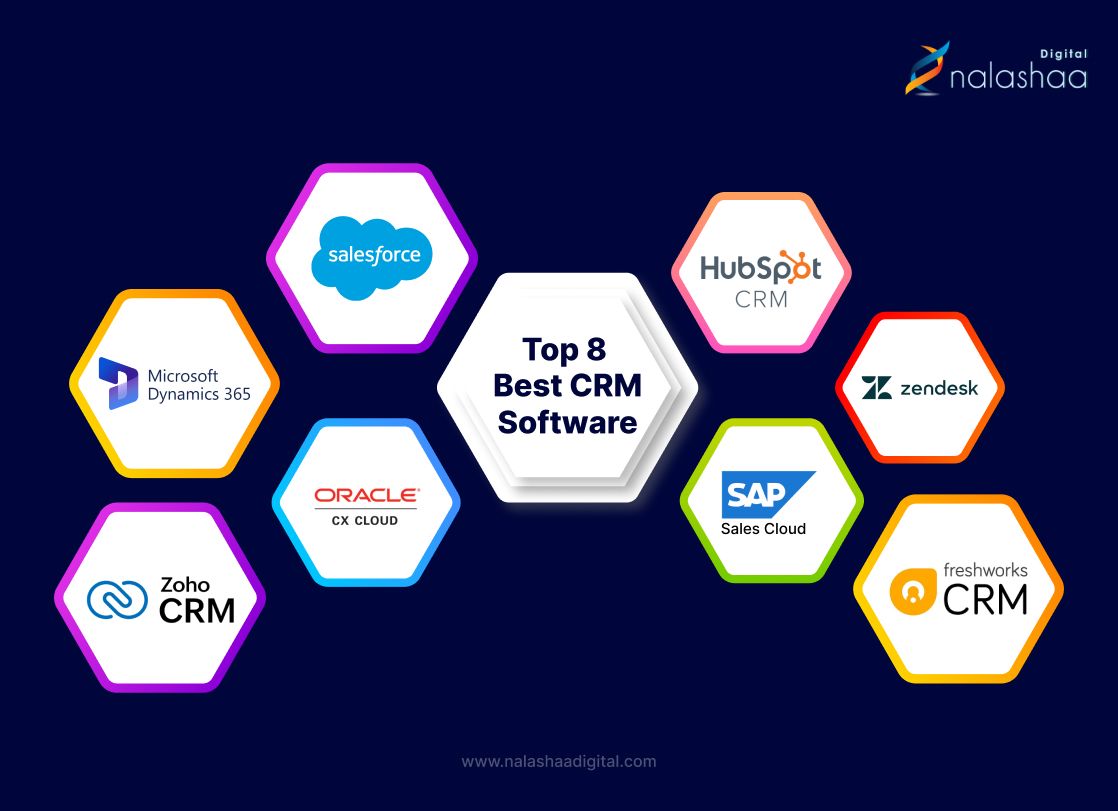
Several prominent software providers dominated the market in 2018, each bringing distinct strengths and target audiences to the table. The following breakdown examines the leading solutions based on their core campaign features, target market fit, and technical execution.
HubSpot CRM and Marketing Hub
HubSpot established a strong market presence in 2018 by bridging the gap between inbound marketing and sales CRM. Its campaign software stood out for its intuitive user interface and unified data model, which ensured that marketing emails, form submissions, and sales call logs lived on a single contact timeline.
- Core Strengths: Visual drag-and-drop email builders, comprehensive landing page creation tools, and seamless handoff between marketing automation triggers and sales tasks.
- Target Audience: Small-to-medium businesses (SMBs) and mid-market companies looking for an all-in-one ecosystem without excessive configuration complexity.
- Operational Limitations: Advanced reporting and custom attribution modeling required higher-tier pricing plans, and database structure limitations could appear when handling millions of contact records without strict data hygiene.
Salesforce Marketing Cloud and Pardot
Salesforce remained the heavyweight champion for enterprise organizations in 2018. Through its dual approach—Marketing Cloud for B2C multi-channel engagement and Pardot for B2B lead generation and nurturing—Salesforce provided unmatched power and customization potential.
- Core Strengths: Enterprise-scale data processing, advanced journey mapping via Journey Builder, and deep integration with the core Salesforce Sales Cloud.
- Target Audience: Large enterprises and complex organizations with dedicated marketing operations teams and significant technical resources.
- Operational Limitations: High total cost of ownership, steep learning curves requiring specialized certifications, and implementation timelines that often spanned months rather than days.
ActiveCampaign
ActiveCampaign carved out a dominant position in the SMB and growing mid-market sector during 2018 by focusing heavily on advanced automation logic and machine learning capabilities.
- Core Strengths: Highly visual, flexible automation workflow builders that accommodated complex conditional branching, split testing within automations, and built-in CRM functionality.
- Target Audience: E-commerce businesses, digital agencies, and growing companies that required sophisticated customer journeys without enterprise pricing.
- Operational Limitations: Reporting dashboards could feel cluttered for users managing high-volume enterprise data, and initial setup of complex automation logic required careful planning to prevent unintended loops.
Infusionsoft (Keap)
Infusionsoft, which began its transition to the Keap brand during this period, was a staple for small business owners and service-based entrepreneurs who needed deep sales pipeline tracking combined with lifecycle marketing campaigns.
- Core Strengths: Comprehensive campaign builder linking payment processing, e-commerce, contact management, and automated follow-up sequences.
- Target Audience: Solopreneurs, small business owners, and boutique service agencies.
- Operational Limitations: The interface was frequently criticized for being dated and less intuitive than newer competitors, and mastering the campaign builder required a steep learning curve.
Feature Comparison of 2018 Campaign Software Options
| Software Platform | Primary Target Market | Core Campaign Strength | Key Limitation | 2018 Market Positioning |
|---|---|---|---|---|
| HubSpot | SMB to Mid-Market | Unified marketing and sales timeline | Cost scales rapidly with database size | User-friendly all-in-one inbound leader |
| Salesforce (Pardot/MC) | Enterprise | Deep data processing and custom journeys | High implementation and operational cost | Enterprise standard for complex stacks |
| ActiveCampaign | SMB and Growing Business | Advanced automation logic and branching | Interface complexity for large datasets | Automation powerhouse for SMBs |
| Infusionsoft | Small Business / E-commerce | Integrated billing and lifecycle marketing | Steeper learning curve and dated UI | Operational hub for service businesses |
Technical Considerations and Implementation Challenges
Deploying a new CRM campaign software option in 2018 involved significant technical hurdles that organizations had to navigate carefully. Data migration was often the primary bottleneck. Moving historical contact records, past campaign engagement history, and suppression lists from legacy databases into a new platform frequently revealed duplicate entries, corrupted formatting, and outdated contact details.
Deliverability management also represented a critical operational challenge. Shifting to a new campaign platform meant re-establishing sender reputation, configuring proper DNS authentication protocols—such as Sender Policy Framework (SPF), DomainKeys Identified Mail (DKIM), and Domain-based Message Authentication, Reporting, and Conformance (DMARC)—and carefully warming up new IP addresses or sending domains. Organizations that rushed this process often experienced sudden drops in email inbox placement, landing squarely in spam folders.
Furthermore, user adoption dictated overall project success. Even the most technologically advanced platform failed if sales and marketing teams resisted changing their daily workflows. Training programs, clear documentation of internal lead routing rules, and executive sponsorship were essential prerequisites for realizing a return on software investment.
Frequently Asked Questions
What defined a strong CRM campaign software option in 2018?
A strong platform in 2018 combined centralized contact management with advanced automation workflows, multi-channel execution (email, social, SMS), and closed-loop reporting that tied marketing campaigns directly to closed revenue.
How did B2B and B2C campaign software differ in 2018?
B2B software, such as Salesforce Pardot, focused heavily on account-based marketing, lead scoring, and long sales cycles involving multiple stakeholders. B2C tools, such as Salesforce Marketing Cloud, prioritized high-volume data processing, real-time personalization, and multi-channel touchpoints like mobile push notifications and social ads.
What role did email deliverability play in 2018 CRM campaigns?
Deliverability was paramount. Software platforms competed on their inbox placement rates, requiring rigorous adherence to authentication standards like SPF and DKIM to ensure automated campaigns bypassed spam filters and reached target audiences.
Were all-in-one platforms better than standalone email tools in 2018?
All-in-one platforms offered the advantage of unified data, preventing information silos between marketing and sales teams. However, standalone tools sometimes offered superior specialization for high-volume email senders who already possessed robust external CRM databases.
What was the typical pricing structure for these platforms in 2018?
Pricing varied widely based on tiered feature sets and active contact volume. Base plans started at modest monthly fees for small business tools, while enterprise solutions required substantial annual licensing agreements with additional implementation costs.
Conclusion and Strategic Next Actions
Selecting a CRM campaign software option in 2018 required a balanced assessment of organizational size, technical capabilities, budget constraints, and long-term growth objectives. Organizations that prioritized clean data migration, thorough team training, and proper technical configuration successfully bridged the gap between marketing outreach and sales conversion. When evaluating historical software landscapes, understanding these core operational pillars provides clear insight into how modern marketing automation platforms evolved.