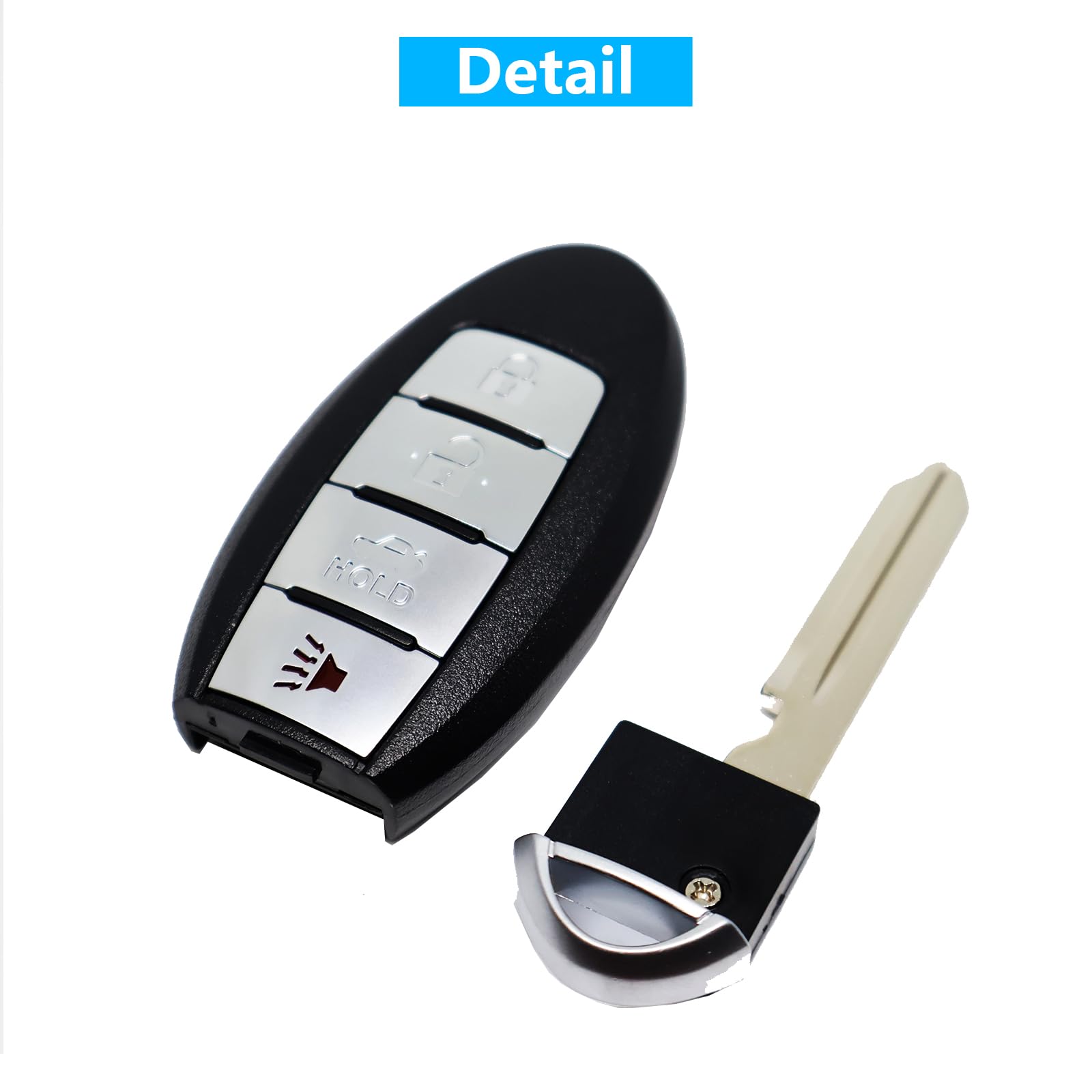
Programming a key fob for the 2017 Nissan Altima requires connecting a compatible OBD-II diagnostic tool to the vehicle’s Body Control Module (BCM) to bypass the dynamic 20-digit security PIN system. Unlike older Nissan models, the 2017 Altima uses an Intelligent Key system with push-to-start technology that cannot be programmed manually through onboard ignition cycles.
Evolution Timeline of Nissan Altima Key Fob & Immobilizer Systems
Understanding how Nissan Altima key fob programming works for the 2017 model year requires looking at the technological shift across vehicle generations. Nissan transitioned from simple mechanical keys with separate remote transmitters to high-security proximity key fobs integrated with engine immobilizers.
| Generation & System | Security / Programming Protocol |
|---|---|
| Gen 3 (2002-2006): Transponder Key + Separate Fob | DIY Manual Ignition 6x Mode |
| Gen 4 (2007-2012): Intelligent Key Switchover | 4-Digit BCM PIN via OBD-II |
| Gen 5 (2013-2015): 433 MHz Frequency Shift | 20-Digit Dynamic Rolling PIN |
| Gen 5 (2016-2018): Refreshed L33 (Includes 2017) | Proximity Start + Remote Start |
| Gen 6 (2019-2026): Modern SGW Gateway System | Secure Diagnostic Authorization |
3rd Generation (2002–2006): Traditional Key & Separate Remote
During the third generation (L31), the Nissan Altima utilized a mechanical ignition key embedded with a Transponder Chip (NATS 4/5 system) alongside a separate remote keyless entry fob.
- Frequency: 315 MHz.
- Programming Protocol: Owners could self-program remote keyless entry fobs using a DIY onboard sequence: inserting and removing the key from the ignition cylinder 6 times within 10 seconds to enter hazard-light flash mode. Transponder chip programming for engine starting, however, still required an OBD-II scan tool.
4th Generation (2007–2012): The Intelligent Key Revolution
With the launch of the L32 platform in 2007, Nissan eliminated physical ignition locks across Altima trim levels, introducing the Nissan Intelligent Key system with standard Push Engine Start.
- Key Fob Hardware: Oval-shaped proximity fob with an emergency mechanical key inserted into the base.
- Security Architecture: Introduced a 4-digit Body Control Module (BCM) PIN system. Locksmiths and technicians calculated a 4-digit secret key code using a static string printed on the vehicle’s BCM label beneath the dashboard.
- DIY Status: Manual onboard self-programming for key fobs was completely discontinued. All key additions or replacements required direct communication with the vehicle's immobilizer via the OBD-II diagnostic port.
5th Generation Pre-Facelift (2013–2015): Frequency & Encryption Upgrade
When the 5th generation (L33) Altima debuted, Nissan overhauled the vehicle's electronic architecture.
- Hardware Changes: Switched key fobs from 315 MHz to a 433 MHz transmission frequency manufactured primarily by Continental.
- Security Hardening: Replaced the vulnerable static 4-digit BCM PIN system with a dynamic 20-digit rolling security PIN system. Generic OBD tools could no longer program keys without advanced algorithms capable of converting dynamic pre-PIN data into a 20-digit bypass code.
5th Generation Facelift (2016–2018): The 2017 Model Year Standard
The mid-cycle facelift introduced updated exterior styling, refined interior electronics, and streamlined BCM firmware modules. The 2017 Nissan Altima relies entirely on this refined architecture.
- Fob Variants: Standardized into 4-button (Lock, Unlock, Trunk, Panic) and 5-button configurations (adding Remote Engine Start).
- Immobilizer Logic: Maintained the dynamic 20-digit dynamic PIN BCM system. When programming new Intelligent Keys, the BCM automatically clears all existing key memory, requiring every functional key fob to be present and reflashed during the same programming session.
2017 Nissan Altima Key Fob Technical Specifications
Before attempting to program a replacement or spare key fob for a 2017 Nissan Altima, verify that the replacement key hardware matches the precise technical specifications required by the vehicle's immobilizer system.
| Specification Feature | Technical Details |
|---|---|
| Vehicle Generation | 5th Generation (L33 Facelift) |
| Key Fob Type | Intelligent Key (Proximity Smart Key) |
| Operating Frequency | 433 MHz |
| FCC ID | CWB1G008 or KR5S180144014 |
| IC / Continental Part No. | 7812D-1G008 / S180144014 |
| Transponder Chip Type | PCF7953P / HITAG 3 / 47 Chip |
| Emergency Mechanical Key Blade | DA34 / NSN14 Keyway |
| Battery Type | CR2032 3V Lithium Coin Cell |
| Programming Interface | OBD-II Port (Dynamic 20-Digit BCM Access) |
Using an incorrect key fob—such as an older 315 MHz fob from a 2011 Altima or an aftermarket key with an incompatible transponder chip—will cause the BCM programming procedure to fail during the transponder write cycle.
Prerequisites and Equipment Needed for Programming
Because manual onboard key programming is not supported on the 2017 Nissan Altima, you must acquire specific diagnostic hardware or hire a professional with the proper tools.
- OBD-II Diagnostic Key Programmer
- Nissan 20-Digit BCM PIN Bypass
- OEM/Aftermarket Key Fob (Matching FCC ID)
- 12V Battery Maintainer (Prevents Voltage Drop)
1. Diagnostic Programming Tool Options
To communicate with the immobilizer system, the diagnostic programmer must support Nissan NATS/Immobilizer protocols and dynamic 20-digit PIN calculation. Supported tools include:
- Factory Equipment: Nissan CONSULT-III Plus official diagnostic software paired with a VI (Vehicle Interface) device.
- Professional Locksmith Scanners: Autel MaxiIM Series (IM508 / IM608), OBDSTAR X300 DP Plus, or Xhorse VVDI Key Tool Plus.
- Mid-Tier Automotive Diagnostic Scanners: Advanced Launch X431 units or Topdon Smart tools equipped with immobilizer authorization modules.
2. Physical Key Blade Cutting
Every 2017 Nissan Altima key fob contains a removable mechanical emergency key insert (NSN14 keyway). This physical key opens the driver's door lock cylinder when the car battery or fob battery is completely dead. The blade must be cut using a computerized key-cutting machine based on key code or by decoding the existing mechanical key lock wafers.
3. Electrical System Stability
Key fob programming must be performed with steady vehicle battery voltage. If the battery voltage drops below 12.0 volts during BCM writing, the immobilizer procedure can freeze, locking the Body Control Module and leaving the vehicle completely inoperable until reset. Connect a 12V battery maintainer or jump pack before starting the procedure.
Step-by-Step 2017 Nissan Altima Key Fob Programming Procedure
This professional programming protocol outlines how an OBD-II diagnostic tool programs new Intelligent Keys into a 2017 Altima.
- Connect Scanner to OBD-II
- Select Immobilizer / Nissan
- Read 20-Digit BCM Code
- Hold Key Logo to Start Button
- Cycle Engine Ignition
- Complete Final Verification
Step 1: Connect Diagnostic Scanner & Prepare Vehicle
- Ensure all vehicle doors are closed and the emergency park brake is engaged.
- Locate the OBD-II port under the driver's side dashboard, to the left of the steering column base.
- Plug the diagnostic scanner VCI into the OBD-II port and turn on the scanner.
- Keep all existing working Intelligent Keys and new unprogrammed key fobs inside the vehicle cabin.
Step 2: Access NATS / BCM Immobilizer Menu
- On your diagnostic tool, navigate to Immobilizer / Key Programming > Nissan > Smart Key / Intelligent Key > Altima > 2013-2018 (5th Gen).
- Select Key Programming or All Keys Lost / Add Key.
- The tool will warn you that programming new keys will erase all existing keys stored in the BCM memory. Confirm to proceed.
Step 3: BCM Security PIN Calculation
- The tool will query the vehicle's BCM software and display a 20-digit pre-PIN string.
- Advanced modern scanners (such as Autel or OBDSTAR) automatically compute the dynamic 20-digit security release code online or via built-in bypass protocols.
- Once security verification succeeds, the BCM unlocks its register, and existing key memory is cleared.
Step 4: Program the First Key Fob
- Push the vehicle's Push Engine Start button once using the back or top end of the key fob (where the Nissan logo is situated) while holding your foot off the brake pedal.
- Watch the dashboard cluster. The hazard warning lights will flash twice to indicate that the BCM has recognized the proximity transponder chip and written its serial number into memory.
- Turn the ignition back off by pressing the Start button once more.
Step 5: Program Additional Key Fobs (If Applicable)
- To program a second or third key fob, wait 5 seconds after turning off the ignition.
- Take the second key fob and press the Push Engine Start button with the emblem end of the fob.
- Verify that the hazard lights flash twice, confirming successful registry of the second key.
- Repeat this sequence for up to a maximum of 4 total Intelligent Keys.
Step 6: Finalize Programming and Verify Functionality
- Once all keys are registered, press the Push Engine Start button using the first key fob to close the programming mode loop.
- Step on the brake pedal and press the Start button to start the engine completely. Confirm that the engine cranks and runs smoothly without an immobilizer warning light (a key-shaped icon) on the instrument panel.
- Turn off the engine.
- Exit the vehicle with each key fob individually and test every remote function: Lock, Unlock, Trunk Release, Panic Alarm, and Remote Engine Start (if equipped).
Key Fob Programming Across Nissan Altima Generations
The key fob specifications, immobilizer security types, and programming requirements across different generations of the Nissan Altima highlight how security procedures have evolved over time.
| Vehicle Generation | Key Fob Style & Freq. | Immobilizer / Security Architecture | Manual DIY Programming Supported? | Minimum Equipment Required |
|---|---|---|---|---|
| 3rd Gen (2002–2006) | Separate Key & Remote (315 MHz) | NATS 4 / NATS 5 (Transponder in key blade) | Yes (Remote keyless entry only via ignition 6x cycle) | None for remote; Key programmer for ignition transponder |
| 4th Gen (2007–2012) | Proximity Oval Fob (315 MHz) | First-Gen Push-Start (Static 4-Digit BCM PIN) | No (Strictly OBD-II requirement) | Basic OBD-II Nissan PIN scanner |
| 5th Gen Pre-Facelift (2013–2015) | Modern Proximity Fob (433 MHz) | Dynamic BCM (20-Digit Dynamic Rolling PIN) | No | Advanced Locksmith Tool / Dynamic PIN Calculator |
| 5th Gen Facelift (2016–2018 / 2017) | Modern Proximity Fob (433 MHz, Continental) | Dynamic BCM (20-Digit Dynamic Rolling PIN) | No | Advanced Locksmith OBD-II Tool or Nissan CONSULT-III+ |
| 6th Gen (2019–2026) | Next-Gen Proximity Fob (433 MHz) | Secure Gateway Module (SGW System Architecture) | No | Authorized Gateway OBD Scanner with OEM License |
Troubleshooting & Emergency Starting Procedures
Emergency Starting with a Dead Fob Battery
If your 2017 Nissan Altima key fob battery dies, the proximity sensors in the car will fail to detect the key, displaying a "Key ID Incorrect" or "No Key Detected" message on the Advanced Drive-Assist Display. You can still start the car using the backup physical transponder loop:
Depress Brake Pedal
Touch Fob Emblem directly to Start Button
Press Button to Start Engine
Remove the mechanical key from the back of the fob to manually unlock the driver’s door lock.
Step inside the vehicle and place your foot firmly on the brake pedal.
Take the physical key fob and touch its top end (the end displaying the Nissan logo) directly against the Push Engine Start button.
While holding the key fob against the button, press the Start button. The passive RFID loop inside the ignition switch will read the transponder chip inside the key fob even if the fob battery is entirely dead.
How to Replace the 2017 Nissan Altima Key Fob Battery
Maintaining a fresh battery prevents proximity detection failures and key fob programming drops.
Locate the small release slide switch on the back of the key fob.
Slide the release lever and pull out the emergency mechanical metal key blade.
Insert a flathead screwdriver wrapped in tape into the small notch located on the seam between the two plastic fob halves.
Gently twist the screwdriver to pop open the key fob casing.
Remove the old CR2032 3-volt battery, noting the positive (+) side faces down toward the back casing.
Insert the new CR2032 battery, snap the fob housing halves firmly back together, and slide the emergency key blade back into place.
Slide Release Switch: Pull Out Emergency Metal Key
Pry Seam Gently: Use Flathead Screwdriver in Notch
Replace CR2032 Cell: Positive (+) Side Facing Downward
Snap Casing Closed: Reinsert Metal Key Blade
Common Key Fob Programming Failures
- BCM Communication Error: Occurs when vehicle battery voltage drops below 12.0 volts during diagnostic scanning. Connect a support charger to keep voltage stable.
- Incorrect FCC ID: Aftermarket key fobs built for 315 MHz (2007–2012 Altima) will fail to program to a 2017 Altima operating on 433 MHz. Always check the FCC ID (CWB1G008 or KR5S180144014).
- Fob Memory Limit Reached: The 2017 Nissan Altima BCM can only store up to 4 Intelligent Keys at a time. If 4 slots are filled, perform an "All Keys Erased" routine using the diagnostic tool before adding new keys.
Cost Comparison & Service Options
When acquiring and programming a key fob for a 2017 Nissan Altima, owners have three primary service paths:
| Service Option | Key Fob Cost | Programming Fee | Total Estimated Cost |
|---|---|---|---|
| Nissan Dealership | $180 - $260 | $120 - $180 | $300 - $440 |
| Automotive Locksmith | $60 - $120 | $80 - $150 | $140 - $270 |
| DIY (Scan Tool Owner) | $30 - $60 | $0 (Self-Done) | $30 - $60 (+ Scanner) |
- Nissan Dealership: Offers guaranteed OEM key fobs matched precisely to your VIN using factory CONSULT-III Plus software. However, dealership costs are typically the highest option.
- Automotive Locksmith: Most mobile locksmiths possess diagnostic tools like Autel or OBDSTAR capable of calculating the dynamic 20-digit PIN. They cut key blades on-site and program key fobs at lower rates than dealerships.
- DIY Programming: Purchasing your own key fob online is inexpensive, but requires access to a diagnostic scanner capable of performing Nissan dynamic 20-digit BCM bypass routines. Standard handheld OBD-II code readers cannot program key fobs.
For detailed guidelines on vehicle electronic security standards and anti-theft protocols, consult the National Automotive Service Task Force (NASTF) vehicle security registry and the official Federal Communications Commission Equipment Authorization Database to verify device frequencies and registration details.
Frequently Asked Questions
Can I program a 2017 Nissan Altima key fob myself without diagnostic tools?
No. Manual self-programming methods—such as inserting the key into the ignition 6 times—only worked on older 3rd-generation Nissan vehicles equipped with traditional ignition keys. The 2017 Nissan Altima relies on an Intelligent Key proximity system governed by an encrypted Body Control Module (BCM), which strictly requires an OBD-II diagnostic programming tool.
What is the BCM PIN code on a 2017 Nissan Altima, and why is it needed?
The Body Control Module (BCM) PIN code is an encrypted security gateway used by Nissan to block unauthorized keys from starting the engine. Beginning in 2013, Nissan upgraded from a static 4-digit PIN to a dynamic 20-digit rolling PIN. During programming, a diagnostic scanner must convert a dynamic 20-digit pre-PIN string read from the car into a valid response key to authorize key programming.
What happens to my old key fobs when I program a new key fob?
When an OBD-II key programming cycle starts on a 2017 Nissan Altima, the Body Control Module automatically erases all previously stored key fobs from its internal memory. You must have all existing working key fobs and any new key fobs present in the car so they can all be registered during the same session. Any fob not present will no longer start the vehicle.
Which battery does the 2017 Nissan Altima key fob use?
The 2017 Nissan Altima Intelligent Key fob uses a single CR2032 3V lithium coin cell battery. You can easily replace it by releasing the mechanical key blade and gently prying open the fob body using a flathead screwdriver inserted into the notch along the side seam.
Why does my engine fail to start even after successful key fob remote button programming?
A key fob has two separate functions: remote keyless entry (buttons for locking/unlocking) and immobilizer transponder authorization (engine starting). If the remote buttons lock and unlock the doors but the engine fails to start, the diagnostic programmer wrote the remote frequency registers but failed to complete the 20-digit BCM transponder handshake. Re-run the diagnostic key programming procedure from step 1.
Practical Recommendation
If you need to program a key fob for your 2017 Nissan Altima, the most cost-effective approach is to purchase a high-quality aftermarket or OEM refurbishment key fob online (verifying that the FCC ID is CWB1G008 or KR5S180144014) and hire a local mobile automotive locksmith to cut the emergency blade and perform the 20-digit BCM programming.
If you already own an advanced diagnostic tool with Nissan dynamic PIN capability, verify your vehicle battery voltage with a battery maintainer before clearing existing keys from the vehicle's memory.