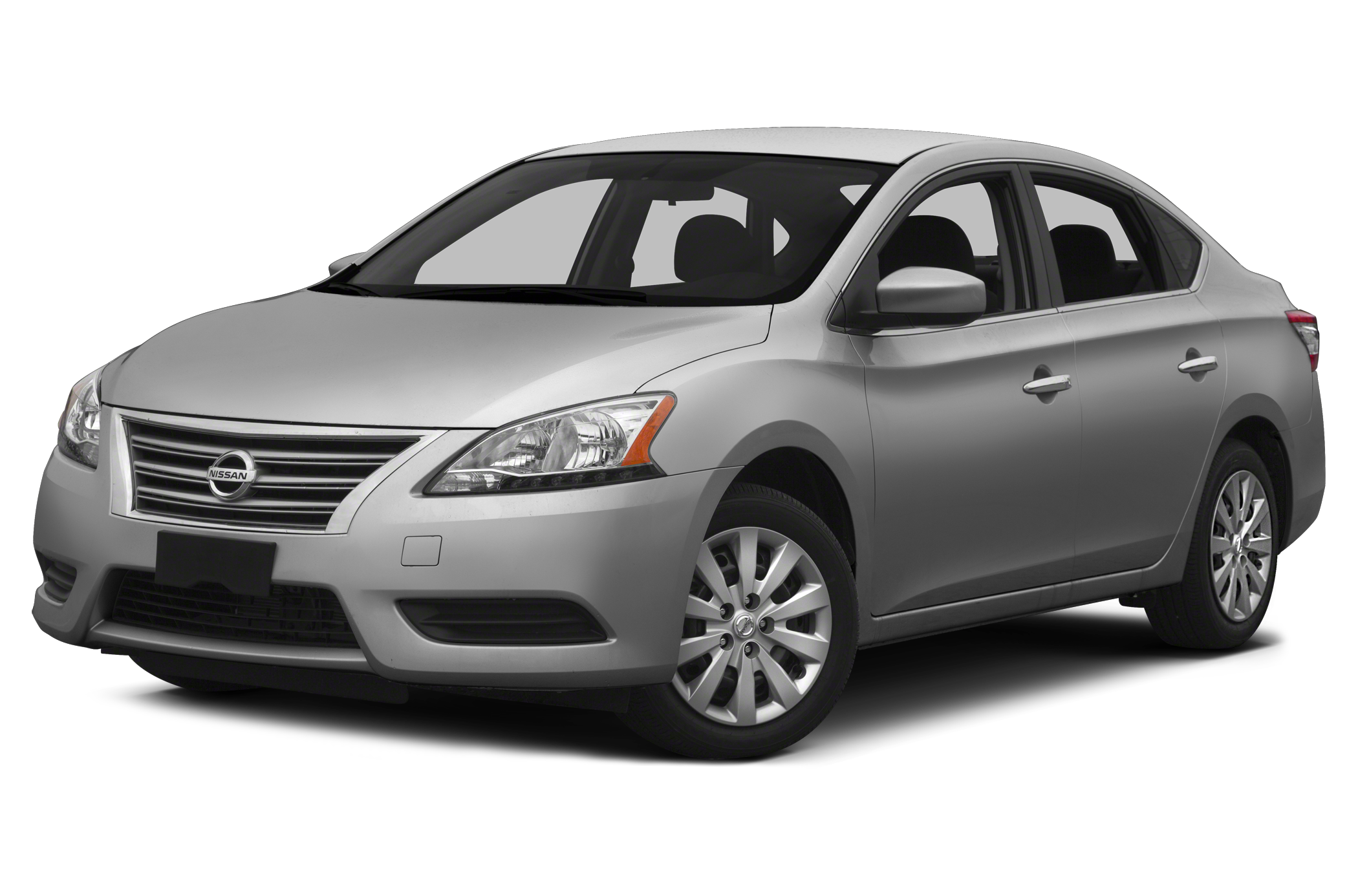
The 2015 Nissan Sentra produces 130 horsepower at 6,000 RPM and 128 lb-ft of torque at 3,600 RPM, generated by its 1.8-liter 4-cylinder engine paired with a continuously variable transmission or a 6-speed manual gearbox.
When evaluating compact sedans from the mid-2010s, prospective buyers and automotive enthusiasts frequently look past raw acceleration figures to examine daily driveability, engine architecture, and fuel economy. The 2015 Nissan Sentra occupies a pragmatic space in the compact segment, focusing on efficiency, interior roominess, and comfortable commuting rather than track-ready performance. To fully understand what the horsepower figure means for everyday driving, it is essential to examine the powertrain mechanics, transmission behavior, trim configurations, and overall driving dynamics of this specific model year.
Core Powertrain Specifications and Engine Architecture
Under the hood of the 2015 Nissan Sentra sits a naturally aspirated 1.8-liter DOHC 16-valve 4-cylinder engine, internally designated as the MRA8DE. This power plant is engineered primarily for volumetric efficiency and low-end torque delivery, making it responsive in urban stop-and-go traffic environments.
The engine utilizes a twin-CVTC (Continuously Variable Valve Timing Control) system on both intake and exhaust camshafts. This technology optimizes valve overlap and timing across various engine speeds, ensuring cleaner combustion and a broad, flat torque curve. The compression ratio is set at 9.9:1, which strikes a balance between thermal efficiency and the requirement for standard 87-octane regular unleaded gasoline.
While 130 horsepower and 128 lb-ft of torque are modest metrics by modern standards, they are well-suited to the Sentra's lightweight platform, which ranges from roughly 2,811 to 2,951 pounds depending on the selected trim level and installed options. The power band is tuned so that peak torque arrives relatively low in the rev range at 3,600 RPM, allowing the car to move away from traffic lights and execute passing maneuvers at city speeds without requiring aggressive throttle inputs.
Transmission Pairings: Manual and Xtronic CVT
The manner in which the 2015 Nissan Sentra delivers its horsepower to the front wheels depends heavily on the transmission option selected. The entry-level S trim is unique in offering a traditional 6-speed manual transmission, while all other trim levels (S, SV, SR, and SL) come standard with Nissan's next-generation Xtronic Continuously Variable Transmission (CVT).
The 6-Speed Manual Option
For drivers who prefer a mechanical connection and tighter control over engine revs, the 6-speed manual transmission allows the driver to wring every ounce of power from the 1.8-liter engine. Shifting manually helps mitigate the rubber-band feel sometimes associated with older CVTs, keeping the engine in its optimal power band during spirited driving. However, take-up is gradual, and acceleration times from 0 to 60 mph remain in the neighborhood of 9.5 to 10 seconds, placing the car squarely in the mainstream commuter category.
The Xtronic CVT
The vast majority of 2015 Sentra models on the road are equipped with the Xtronic CVT. Nissan engineered this transmission to minimize parasitic drag and maximize fuel economy, achieving EPA ratings of up to 29 mpg city, 39 mpg highway, and 33 mpg combined.
The CVT features D-step logic control, which simulates traditional gear shifts under hard acceleration to eliminate the droning sound that typically plagues continuously variable transmissions. When the driver depresses the accelerator pedal fully, the computer adjusts the pulley ratios to hold the engine near its 6,000 RPM horsepower peak until cruising speed is achieved.
Trim-Level Performance Variations
Although every 2015 Nissan Sentra utilizes the exact same 1.8-liter engine and produces identical horsepower across all trims, physical weight differences and wheel configurations subtly alter the driving experience.
| Trim Level | Transmission | Curb Weight (lbs) | Standard Wheels | EPA Fuel Economy (City/Hwy/Comb) |
|---|---|---|---|---|
| S | 6-Speed Manual | ~2,811 | 16-inch Steel | 27 / 36 / 30 mpg |
| S | Xtronic CVT | ~2,855 | 16-inch Steel | 29 / 39 / 33 mpg |
| SV | Xtronic CVT | ~2,885 | 16-inch Alloy | 29 / 39 / 33 mpg |
| SR | Xtronic CVT | ~2,951 | 17-inch Alloy | 29 / 37 / 32 mpg |
| SL | Xtronic CVT | ~2,932 | 17-inch Alloy | 29 / 37 / 32 mpg |
As shown in the comparison table, higher trim levels such as the SR and SL add features, sound deadening, and larger 17-inch alloy wheels wrapped in wider tires. This marginal increase in unsprung weight and rolling resistance slightly reduces highway fuel economy compared to the base S and SV trims, though the actual horsepower output and engine dynamics remain identical.
Real-World Driving Dynamics and Acceleration
Understanding the 130 hp output requires looking at how the vehicle behaves in daily driving scenarios. The Sentra is tuned for comfort and compliance rather than athletic handling. Its suspension setup consists of independent struts with a stabilizer bar up front and a torsion beam axle in the rear.
- City Driving: Because peak torque is available at 3,600 RPM, the car feels nimble and responsive when accelerating from a dead stop up to 45 mph. Throttle calibration is aggressive off the line to give a subjective impression of quickness.
- Highway Cruising: Merging onto high-speed interstate corridors requires patience. Passing slower traffic at 65 mph demands a full press of the accelerator, which prompts the CVT to drop its effective ratio, raising engine noise inside the cabin as the motor climbs toward its horsepower peak.
- Ride Quality: Cabin insulation absorbs road imperfections effectively, making the Sentra a relaxed cruiser on long stretches of highway, provided the driver is not demanding aggressive acceleration.
Common Questions Regarding the 2015 Nissan Sentra
Is the 2015 Nissan Sentra fast?
No, the 2015 Nissan Sentra is not considered a fast car. With 130 horsepower, its 0–60 mph acceleration takes approximately 9.5 to 10 seconds. It is designed for fuel-efficient daily commuting and reliable transportation rather than high-performance driving.
Does the 2015 Nissan Sentra require premium fuel?
No. The 1.8-liter 4-cylinder engine is calibrated to run efficiently on standard 87-octane regular unleaded gasoline, helping to keep ongoing operational costs low.
Can the 2015 Sentra tow a trailer?
Nissan does not officially rate the 2015 Sentra for towing. Attaching a trailer and hauling heavy loads places excessive thermal and mechanical stress on the engine and the Xtronic CVT, potentially leading to premature transmission failure.
What maintenance helps keep a 2015 Sentra running smoothly?
Routine maintenance includes regular engine oil changes every 5,000 to 7,500 miles, inspecting the spark plugs around 105,000 miles, and ensuring that the CVT fluid is inspected or replaced according to severe-service guidelines to maintain hydraulic pressure and belt friction.
Final Recommendation
For buyers researching the 2015 Nissan Sentra, the 130 horsepower output should be viewed through the lens of economy and practicality. If your priority is rapid acceleration, sporty handling, or heavy cargo-towing capabilities, alternative compact sedans with turbocharged engines or larger displacements will better suit your needs. However, if your goal is a dependable, spacious commuter car that excels at stretching fuel mileage on long highway drives, the Sentra's powertrain delivers adequate, reliable performance for everyday use.