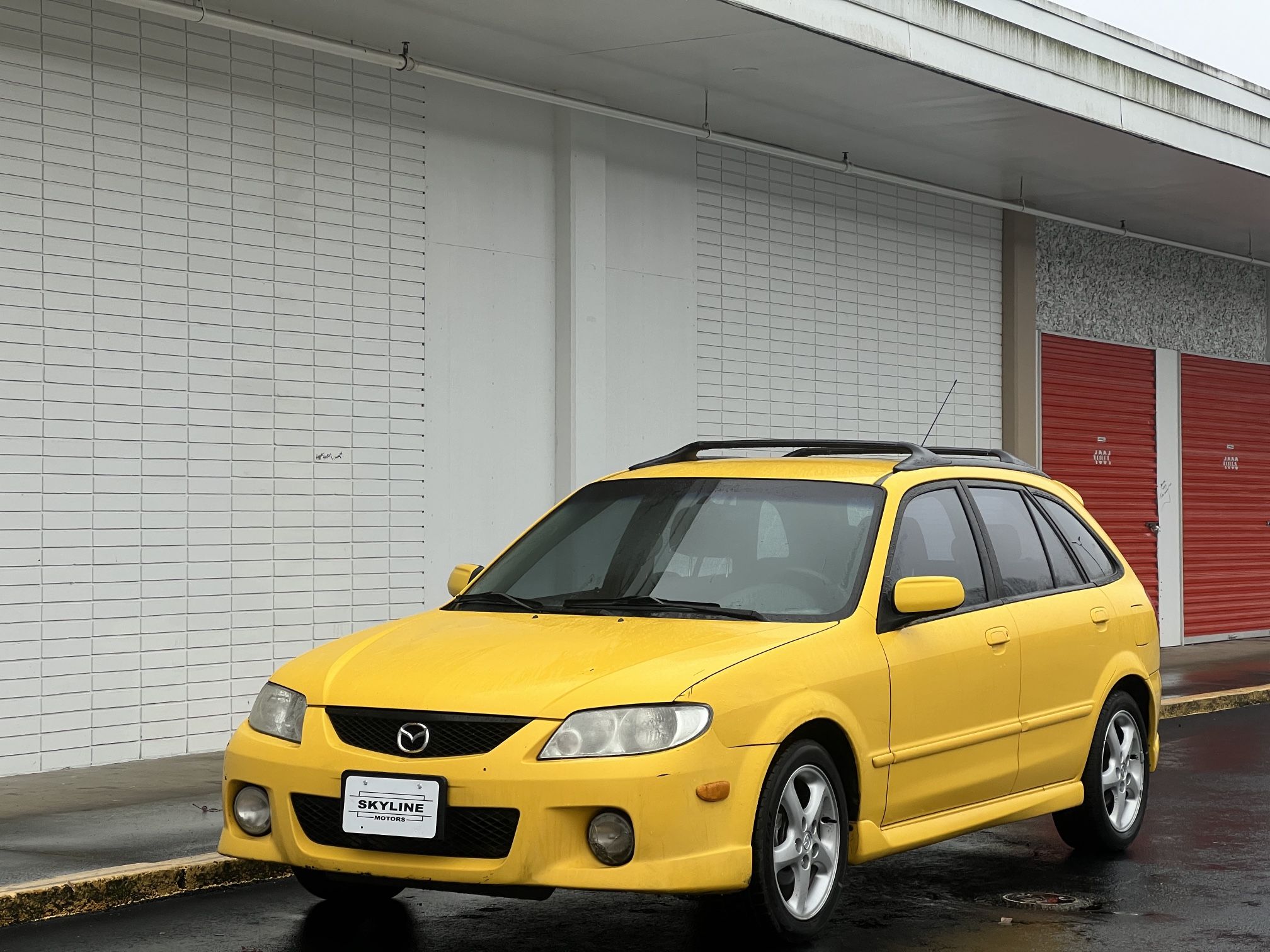
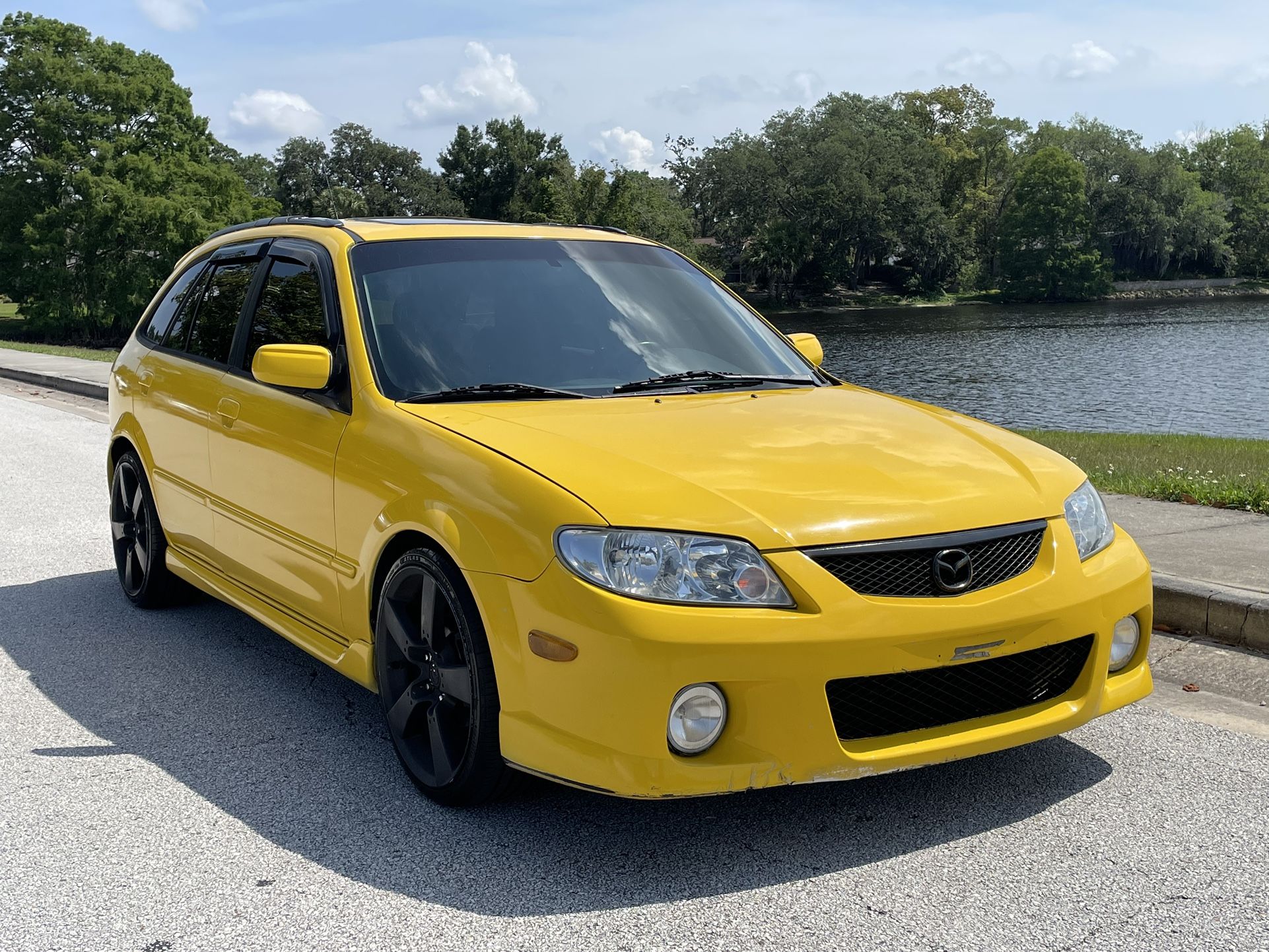
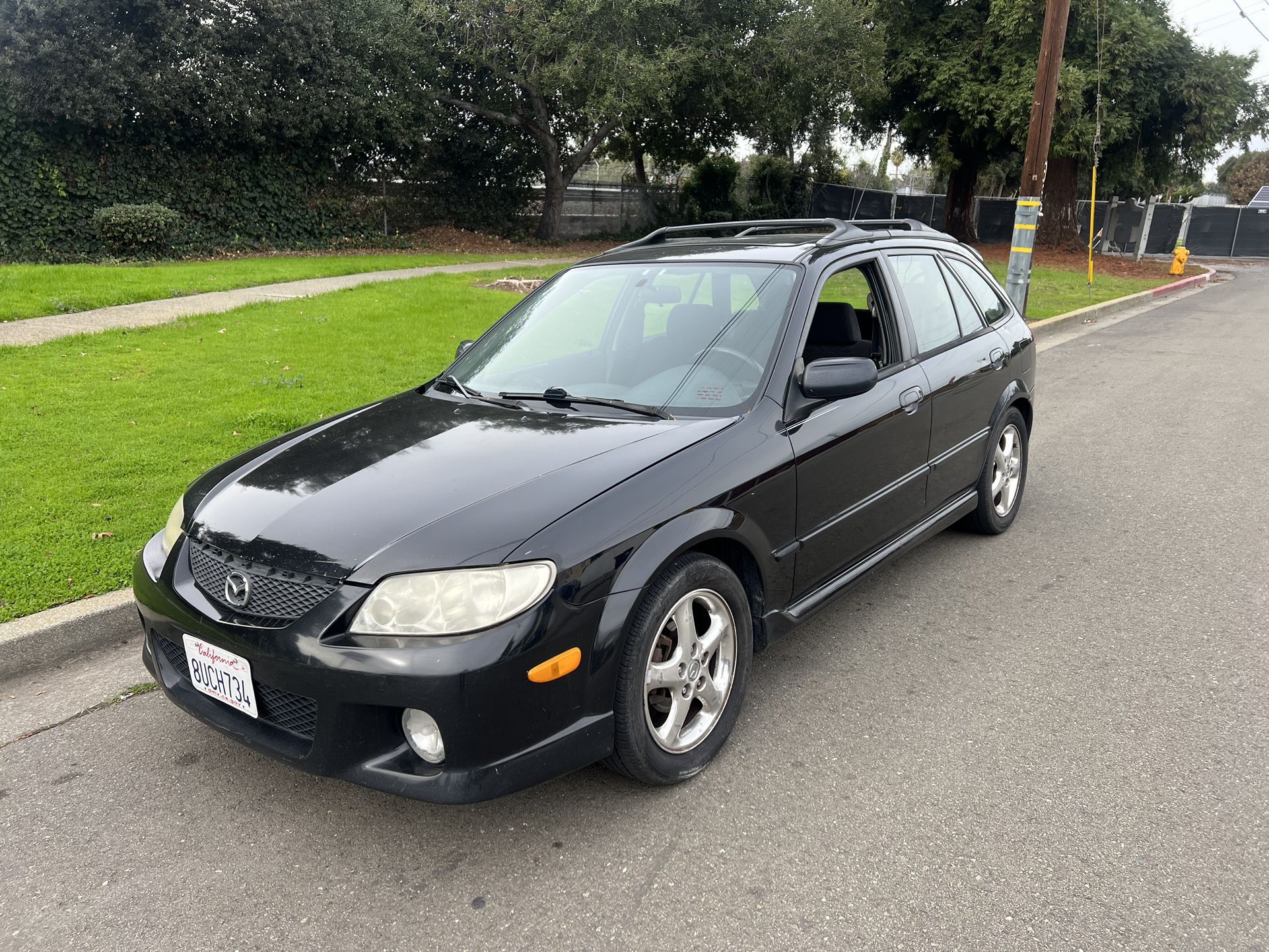
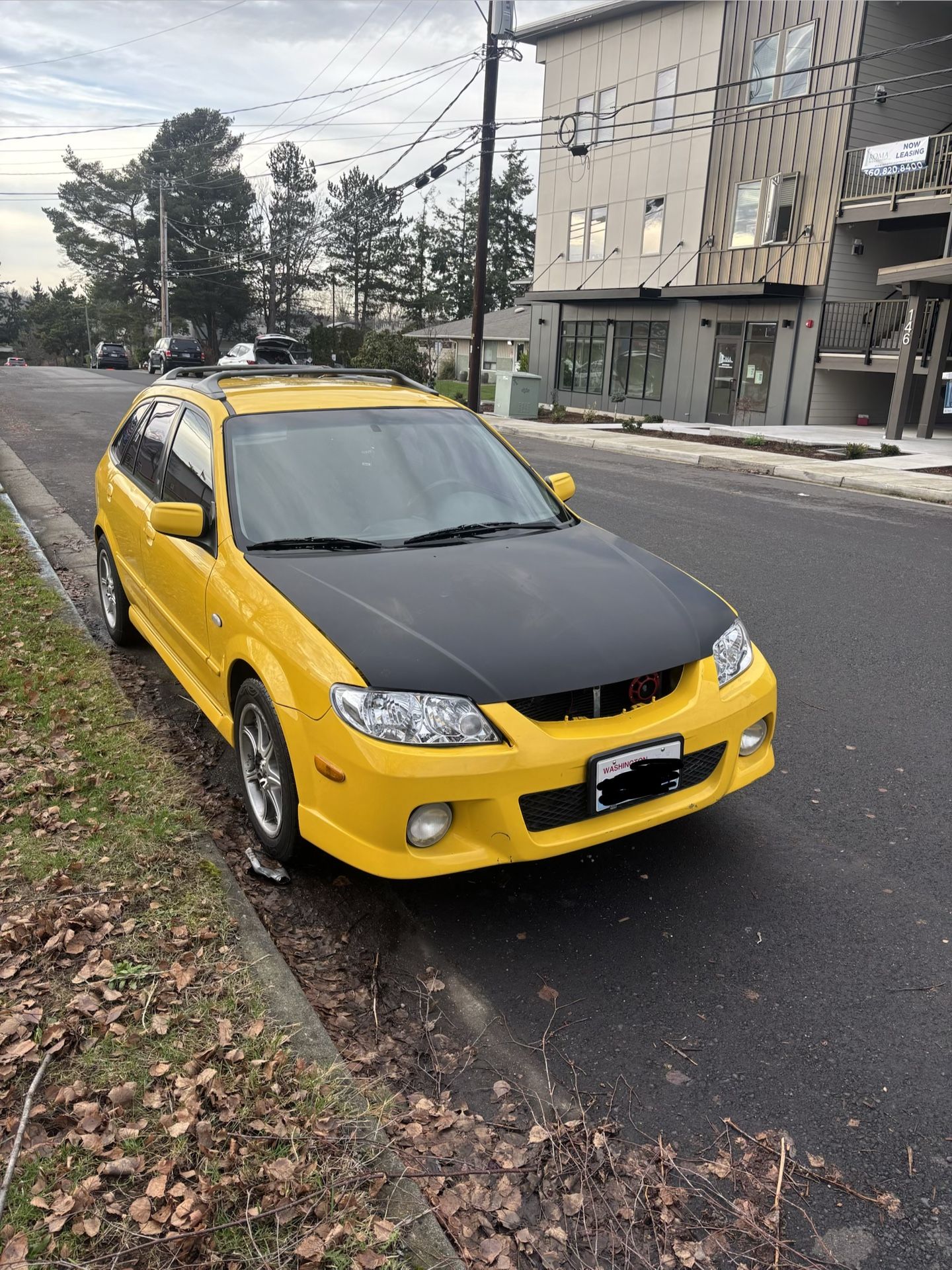
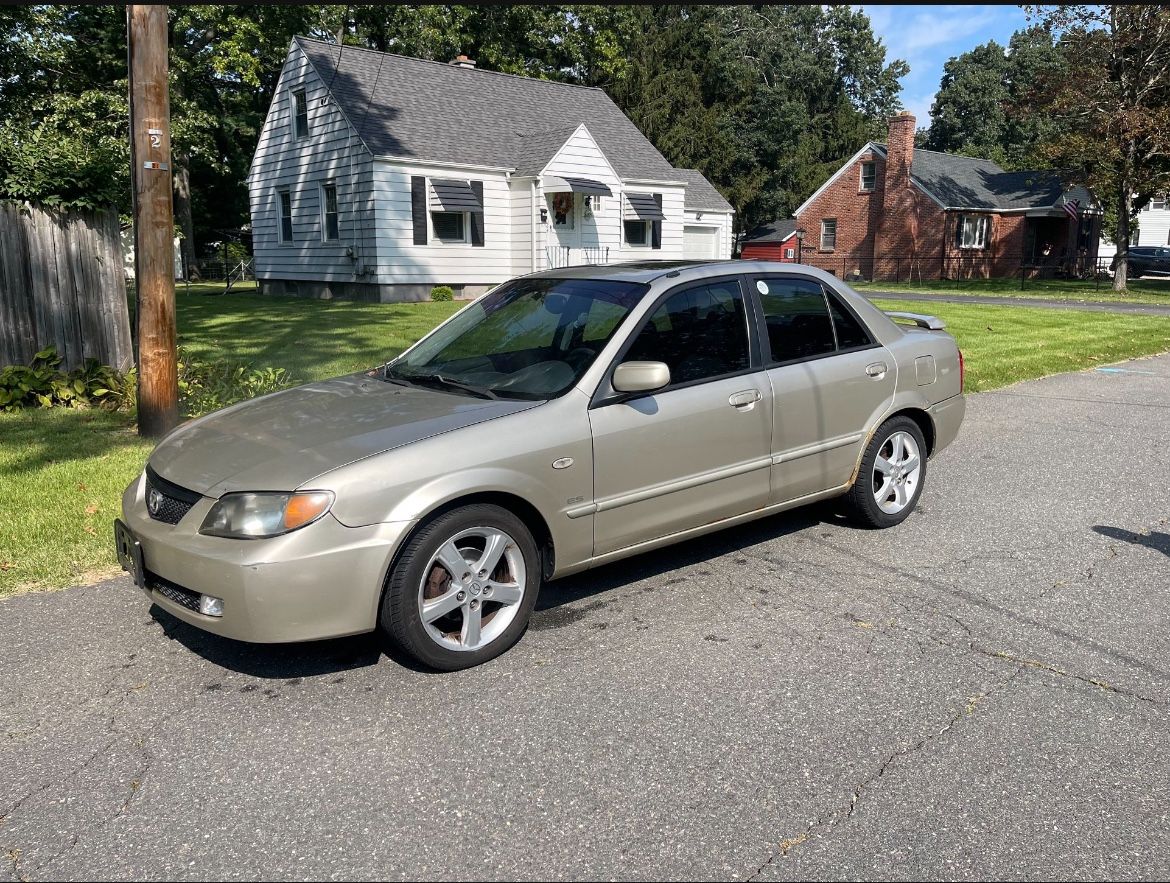
The 2002 Mazda Protege5 remains a compelling choice for budget-conscious buyers seeking an engaging, practical, and surprisingly reliable used hatchback. Combining timeless styling, agile handling, and a flexible cargo area, this Japanese-built wagon offers everyday usability without the high maintenance costs or bland driving dynamics typically associated with inexpensive commuter cars.
Understanding the 2002 Mazda Protege5 Identity
The Mazda Protege5 arrived for the 2002 model year as a sporty, five-door hatchback variant of the standard Protege sedan. Built during an era when Mazda was heavily influenced by Ford's ownership stake—yet still retaining distinct engineering characteristics from Hiroshima—the Protege5 filled a unique gap in the North American automotive market. It was designed to compete with compact wagons and hatchbacks like the Ford Focus ZTW, Volkswagen Golf, and Toyota Corolla Matrix, distinguishing itself primarily through chassis tuning and European-inspired styling cues.
For budget-conscious buyers navigating the secondary market, the Protege5 presents a compelling value proposition. Unlike many econoboxes of the early 2000s that prioritized fuel economy to the absolute detriment of driver engagement, the Protege5 was built with driving dynamics in mind. It shared its suspension architecture with the standard sedan but added stiffer spring rates, larger anti-roll bars, and 16-inch alloy wheels wrapped in low-profile tires. This gave the car a remarkably communicative steering feel and cornering capability that punches well above its class.
However, purchasing a vehicle that is more than two decades old requires a shift in perspective. A budget buyer must look past the initial purchase price and evaluate the vehicle based on its remaining structural integrity, mechanical condition, and historical maintenance record. While the engine and transmission are fundamentally tough, environmental factors such as road salt and moisture present significant hurdles for early 2000s Mazdas.
Key Specifications and Performance Metrics
Evaluating the technical specifications of the 2002 Mazda Protege5 helps set realistic expectations for daily driving performance, utility, and fuel consumption. Under the hood lies a naturally aspirated 2.0-liter inline-four engine, designated as the FS-DE. This powerplant utilizes an iron block and an aluminum cylinder head, featuring dual overhead cams and four valves per cylinder.
The engine produces 130 horsepower at 6,000 rpm and 135 lb-ft of torque at 4,000 rpm. While these figures are modest by modern standards, they are entirely adequate for propelling a vehicle that weighs approximately 2,750 pounds. Buyers could choose between a 5-speed manual transmission and a 4-speed automatic. Enthusiasts overwhelmingly prefer the manual gearbox, as it makes better use of the power band and avoids the sluggishness often reported in the early 2000s four-speed automatics.
| Technical Specification | 2002 Mazda Protege5 Value |
|---|---|
| Engine Type | 2.0L Naturally Aspirated Inline-4 (FS-DE) |
| Horsepower | 130 hp @ 6,000 rpm |
| Torque | 135 lb-ft @ 4,000 rpm |
| Transmission Options | 5-Speed Manual / 4-Speed Automatic |
| Curb Weight | ~2,750 lbs |
| Fuel Economy (EPA Est.) | ~22 City / 28 Highway (Manual) |
| Cargo Capacity (Seats Up / Down) | 19.8 cu. ft. / 24.4 cu. ft. (max utility volume) |
Fuel economy is respectable for a commuter car of this vintage, typically averaging in the mid-to-high 20s combined, depending heavily on maintenance health and driving habits. The car runs on regular 87-octane gasoline, keeping operational costs low for budget buyers.
Practicality, Cargo, and Interior Ergonomics
The primary functional advantage of the Protege5 over its sedan sibling is the hatchback configuration. The rear hatch opens wide to reveal a flat load floor, which can be expanded further by folding down the 60/40 split-bench rear seats. While modern compact crossovers dwarf it in total cubic capacity, the Protege5 easily swallows bicycles, luggage, small furniture items, or weekly grocery hauls that would leave sedan owners struggling with trunk aperture limitations.
Inside the cabin, the layout is clean, functional, and driver-focused. The dashboard features clear analog gauges with orange backlighting, straightforward rotary climate controls, and an ergonomic center stack. The seats feature unique patterned cloth inserts with side bolstering that provides adequate support during spirited cornering.
Materials reflect early 2000s economy car standards—hard plastics dominate the lower dash and door panels—but the build quality is surprisingly durable. Squeaks and rattles are common in high-mileage examples, but catastrophic interior disintegration is rare unless the vehicle has spent its life exposed to intense, unmitigated UV radiation. Power windows, power locks, and air conditioning were standard equipment, though buyers should meticulously test all electrical accessories, as window regulators and switch contacts are prone to aging issues.
Common Mechanical Issues and Known Weaknesses
Every budget car carries a set of known failure points, and the 2002 Mazda Protege5 is no exception. Understanding these vulnerabilities before purchasing can save a buyer from unexpected repair bills that quickly eclipse the vehicle's purchase price.
1. Rust and Structural Corrosion
The single greatest threat to any Protege5 is rust. Mazda utilized susceptible sheet metal and inadequate rust-proofing in the rear wheel arches and rocker panels during this manufacturing era. Moisture trapped behind the plastic inner fender liners aggressively corrodes the metal from the inside out. When inspecting a prospective purchase, buyers must look underneath the plastic trim, examine the floor pans, and check the structural subframes for deep scale and perforation. A car with severe structural rust should be avoided entirely, regardless of how well the engine runs.
2. Oil Consumption and Valve Stem Seals
The FS-DE engine is generally non-interference and durable, but high-mileage examples frequently suffer from worn valve stem seals or sticky piston rings, leading to oil consumption. Owners must check the oil level regularly between changes. Ignoring low oil levels can quickly lead to premature bearing wear and catastrophic engine failure.
3. Suspension Wear and Bushing Degradation
Given the car's sporty suspension tuning, rubber components take a beating. Strut mounts, control arm bushings, stabilizer bar links, and struts themselves often wear out by 150,000 miles. Clunking over bumps or loose steering response usually indicates that the suspension needs a comprehensive refresh. Fortunately, aftermarket replacement parts are widely available and relatively inexpensive.
4. EGR Valve and Idle Issues
The Exhaust Gas Recirculation (EGR) valve and passages are prone to carbon clogging, which can trigger a Check Engine Light, cause rough idling, or result in hesitation during acceleration. Cleaning or replacing the EGR valve is a straightforward DIY task, but it is a recurring maintenance item on these cars.
Ownership Costs and Budget Considerations
For a buyer operating on a strict financial limit, the total cost of ownership involves more than just the sticker price. The Protege5 shines in this category due to its mechanical simplicity and robust aftermarket support.
Insurance premiums are generally low because the car lacks high-performance insurance classifications and features standard safety equipment of its era, including front airbags and optional anti-lock brakes (ABS). Parts availability is exceptional. Because the Protege shared mechanical components with Ford Escorts and various Mazda models of the same period, replacement alternators, starters, brake pads, and sensors are inexpensive and readily stocked at local auto parts stores or online distributors.
Fuel and routine consumable costs—such as tires and oil changes—remain minimal. A buyer who possesses basic mechanical aptitude can perform most routine maintenance items at home, further driving down operational expenses.
Balanced Comparison: Protege5 vs. Competitors
To determine if the Protege5 is the right choice, it helps to compare it against direct alternatives commonly found on the used budget market.
| Vehicle Model | Primary Advantage | Primary Disadvantage |
|---|---|---|
| 2002 Mazda Protege5 | Superior handling, sharp steering, flexible hatchback utility | Severe rear arch rust susceptibility, firm ride |
| 2002 Honda Civic Hatch | Excellent fuel efficiency, massive aftermarket parts support | Higher used market pricing, frequent modification/abuse |
| 2002 Toyota Corolla | Legendary reliability, low maintenance burden | Uninspiring driving dynamics, dated styling |
| 2002 Ford Focus Wagon | Abundant parts, comfortable highway ride | Interior build quality issues, electrical gremlins |
While a Corolla offers unmatched bulletproof reliability and a Civic offers fuel economy, neither matches the utilitarian balance of cargo space and chassis dynamics found in the Protege5. The Ford Focus wagon offers similar utility but often suffers from greater electrical unreliability than its Mazda-built counterpart.
Essential Inspection Checklist for Buyers
Before handing over cash for a 2002 Mazda Protege5, a buyer should perform a systematic physical and mechanical inspection. Skipping these steps can turn a perceived bargain into a financial liability.
- Check the Rear Quarter Panels: Run your hands along the inner and outer lips of the rear wheel arches. Feel for bubbling paint, rough texture, or soft metal indicating hidden rust.
- Inspect the Coolant and Oil: Look for milky oil (indicating a blown head gasket) or oil contamination in the coolant overflow tank. Ensure the engine starts cleanly without blue smoke from the exhaust.
- Test the Transmission: For manuals, check for smooth engagement without gear grinding or pop-outs under deceleration. For automatics, ensure shifts are crisp and free of slipping or harsh engagement delays.
- Evaluate Suspension Compliance: Listen for knocks or groans during a test drive over speed bumps. Check uneven tire wear, which points toward failing alignment components or worn bushings.
- Verify Electronics: Confirm that all power windows, mirrors, the sunroof (if equipped), and the audio system function correctly. Replacing complex dashboard switches can be tedious and expensive.
Frequently Asked Questions
Is the 2002 Mazda Protege5 a reliable daily driver?
Yes, provided it has been properly maintained and is free of structural rust. The FS-DE engine and manual transmissions are mechanically durable and capable of exceeding 200,000 miles with routine fluid changes and belt replacements.
Does the engine use a timing belt or a timing chain?
The 2.0-liter FS-DE engine uses a timing belt that must be replaced every 60,000 to 90,000 miles. Buyers should verify when the timing belt was last changed, as a snapped belt will require service, though it typically will not ruin the engine due to its non-interference design.
What is the real-world fuel economy of the Protege5?
Real-world fuel economy generally ranges between 22 and 26 mpg in city driving and up to 30 mpg on the highway for well-tuned manual transmission models. Automatic versions consume slightly more fuel, especially in stop-and-go traffic.
Are replacement parts difficult to find for a 2002 model?
No. Because Mazda sold a high volume of Proteges and shared components with contemporary Ford vehicles, mechanical parts are widely available through both OEM dealerships and aftermarket suppliers. Body panels specific to the Protege5 wagon, however, can occasionally be harder to source in junkyards.
How does the Protege5 handle in winter weather?
With a proper set of dedicated winter tires, the front-wheel-drive layout handles snow adequately. However, drivers must be cautious about road salt exposure, which accelerates the rust vulnerabilities inherent to this platform. Post-winter undercarriage washing is mandatory to preserve the chassis.
Final Recommendation
The 2002 Mazda Protege5 is an outstanding choice for the budget buyer who values driving character and hatchback utility over modern technological amenities. It bridges the gap between raw financial economy and automotive enthusiasm.
Prospective buyers should prioritize finding an example with a clean, rust-free chassis and a documented service history over one with ultra-low mileage. Budget for an immediate inspection of the timing belt, suspension bushings, and fluid condition. For an affordable entry point into reliable, engaging personal transportation, few vehicles from the early 2000s deliver the balanced everyday competence of the Protege5.