For physicians looking to secure their family’s financial future, the 20-year level term life insurance plan offered through the AMA Insurance Agency provides a stable, long-term solution. In 2026, these rates remain highly competitive for medical professionals, offering fixed premiums and a guaranteed death benefit that stays constant for the entire two-decade duration. Underwritten primarily by the New York Life Insurance Company, this coverage is specifically designed to meet the high-limit needs of doctors at various stages of their careers.
Understanding the AMA 20-Year Level Term Life Insurance Plan
The American Medical Association (AMA), through its subsidiary the AMA Insurance Agency, Inc., provides a unique suite of insurance products tailored to the specific demographic and financial profiles of physicians. The 20-year level term life insurance policy is one of the most popular choices for physicians in their 30s and 40s who are balancing medical school debt, mortgages, and the costs of raising a family.
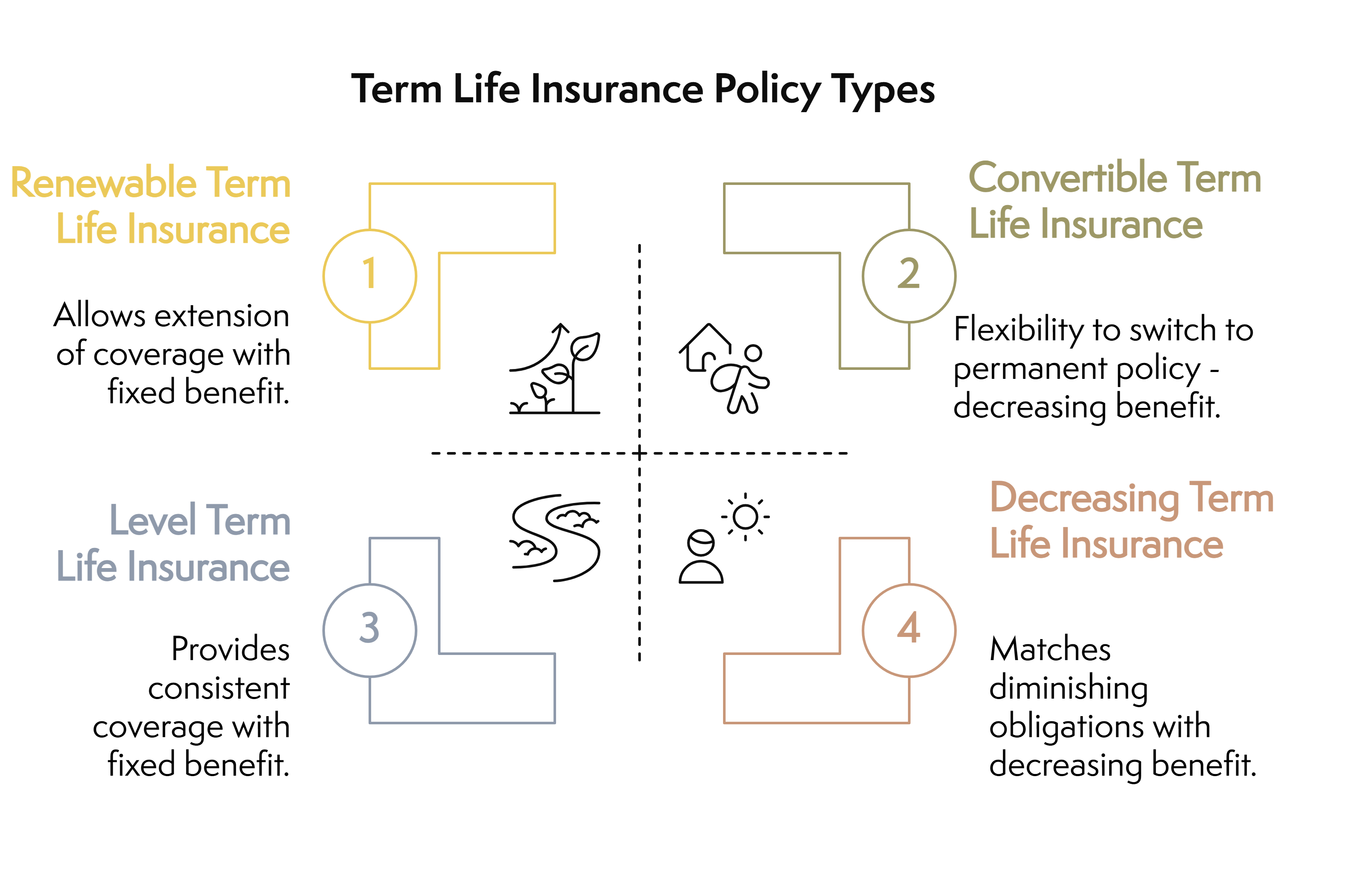
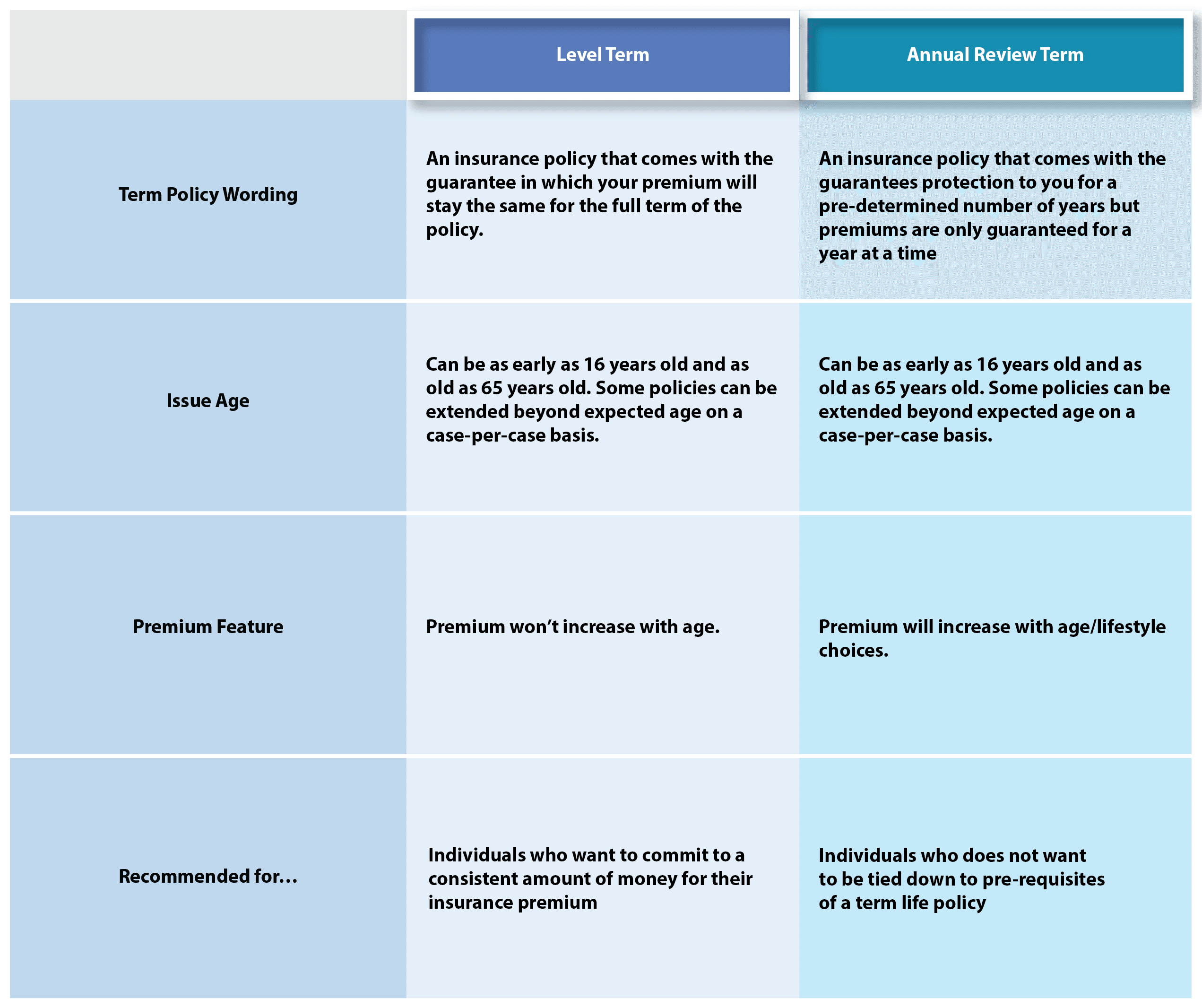
"Level term" refers to the two most critical components of the policy: the premium and the death benefit. Unlike "annually renewable" term insurance, where rates increase every year as you age, a 20-year level term policy locks in your rate on the day the policy is issued. For the next 200 months, your payment remains exactly the same. Similarly, the face amount—the amount paid to your beneficiaries—does not decrease over time, providing a consistent safety net.
In 2026, the AMA Insurance Agency continues to leverage the collective buying power of thousands of physicians to negotiate favorable terms that might not be available on the general individual market. This "association advantage" often manifests in simplified underwriting for younger members or higher coverage limits that accommodate a physician's high earning potential.
Factors Influencing AMA Life Insurance Rates in 2026
When requesting a quote for 20-year level term insurance through the AMA, several variables determine the final premium. Because physicians are generally viewed as a lower-risk demographic due to higher health literacy and stable incomes, the "Preferred" and "Preferred Best" rate classes are frequently achieved by applicants.
1. Age and Entry Point
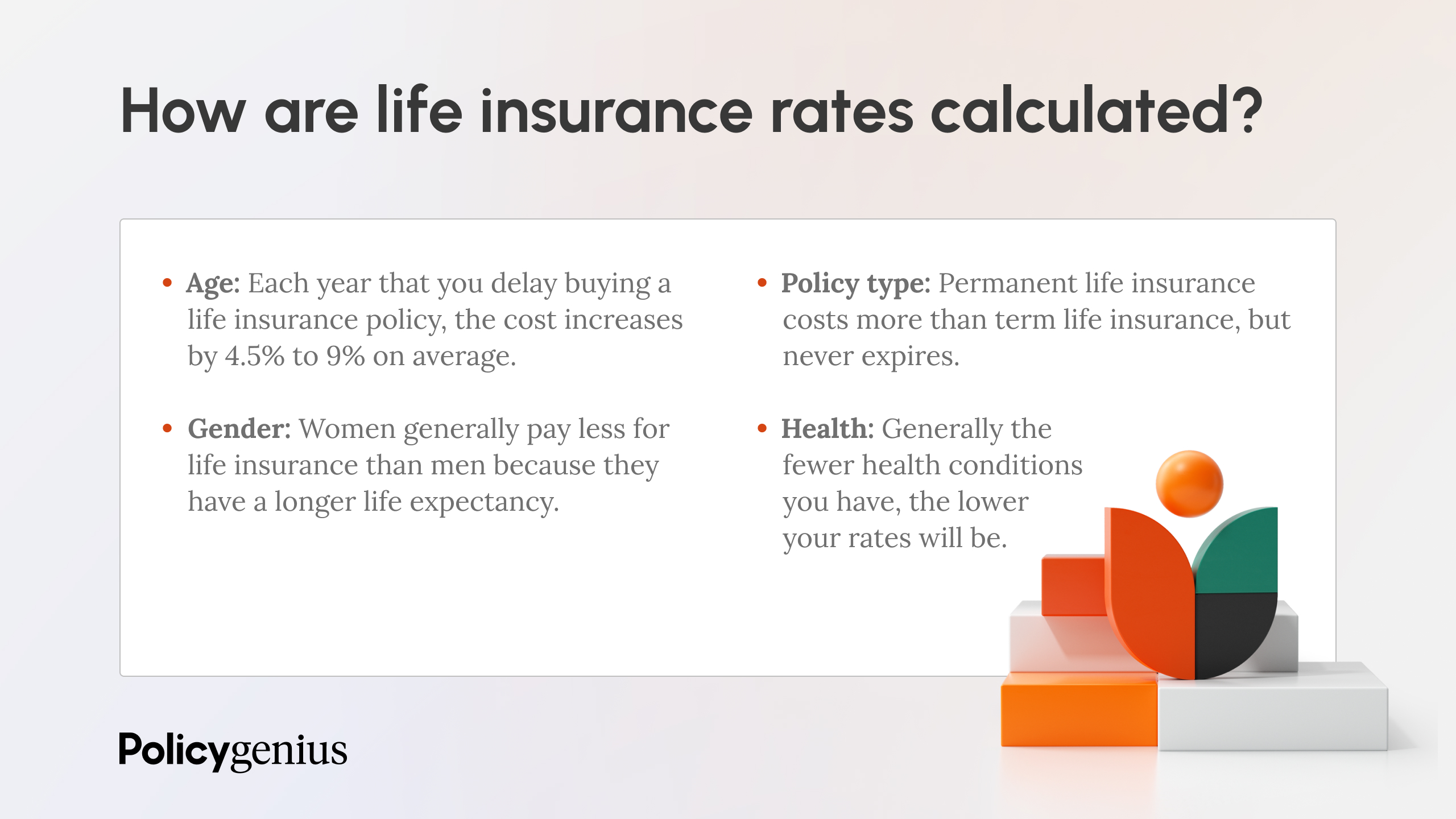
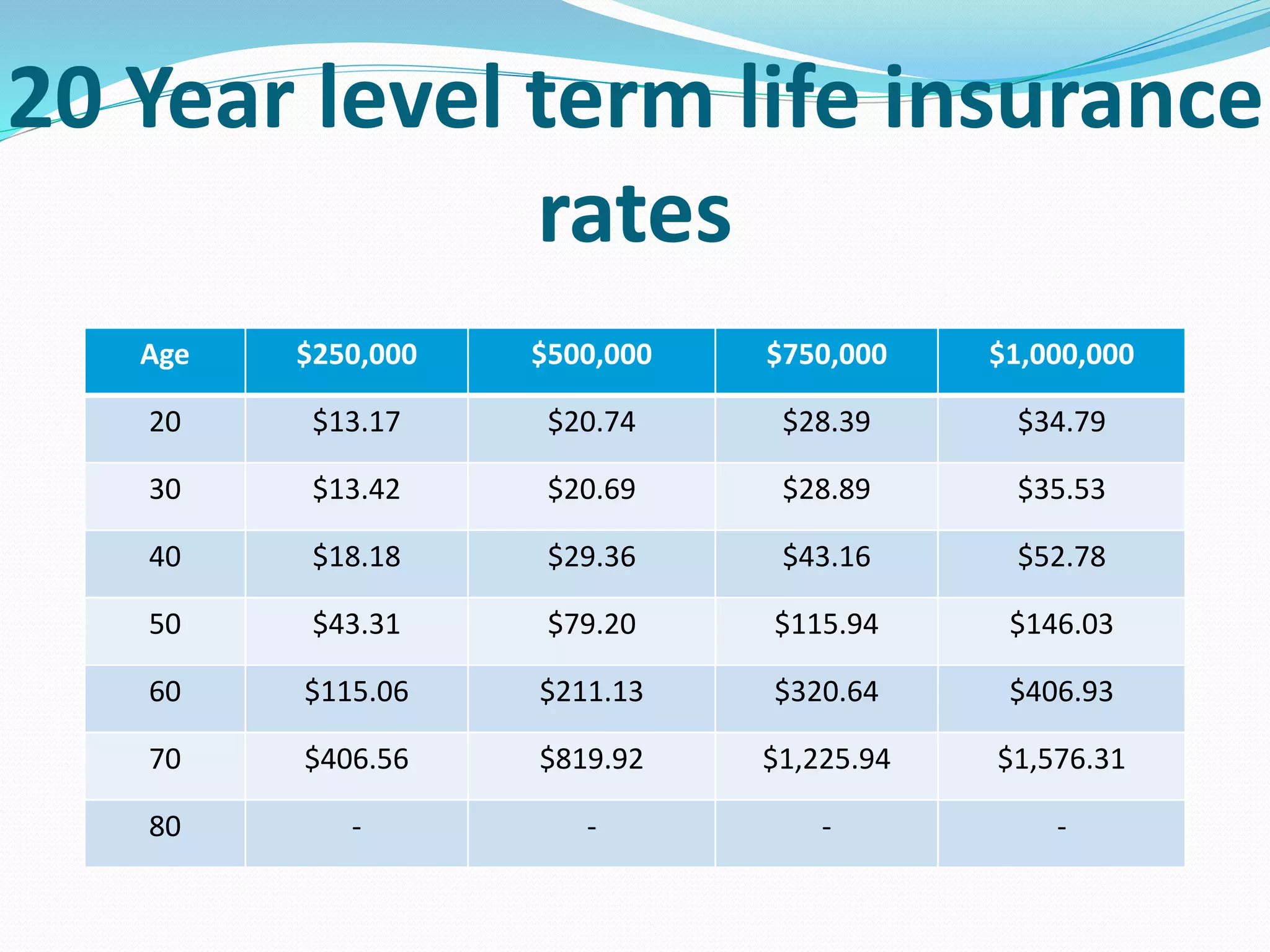
Age is the primary driver of insurance costs. In 2026, the "entry age" significantly impacts the 20-year duration. A 30-year-old resident will find significantly lower rates than a 50-year-old attending physician, as the statistical likelihood of a claim within the 20-year window is lower for the younger applicant.
2. Health Classification and Underwriting
The AMA plan typically utilizes four or five health tiers:
- Preferred Best: Reserved for those in excellent health, with ideal BMI, blood pressure, and cholesterol levels, and no significant family medical history issues.
- Preferred: For those in very good health but perhaps with minor treated conditions.
- Select/Standard: For those with average health profiles or manageable chronic conditions.
- Tobacco User: Rates for smokers or those using nicotine products remain significantly higher, often double or triple the non-tobacco rates.
3. Coverage Amount (Face Value)
Physicians often require higher death benefits than the general public. While a standard individual might seek $500,000, a physician with $300,000 in student loans and a $1 million mortgage may require $3 million or more in coverage. The AMA plan allows for substantial "Volume Discounts," where the cost per $1,000 of coverage decreases as the total face amount increases.
4. Gender-Based Pricing
In most states, life insurance rates are still gender-distinct. Generally, female physicians see lower 20-year term rates than their male counterparts due to longer average life expectancies. However, some group-negotiated plans or specific state regulations (like those in Montana) may require unisex pricing.
Estimated 20-Year Level Term Rates for AMA Members (2026)
The following table provides illustrative monthly premiums for a $1,000,000 20-year level term policy for non-tobacco users in the "Preferred Best" and "Standard" categories. Note that these are estimates for 2026 and actual rates are determined by individual New York Life underwriting.
| Issue Age | Gender | Preferred Best (Monthly) | Standard (Monthly) |
|---|---|---|---|
| 30 | Male | $42.50 | $68.20 |
| 30 | Female | $34.10 | $55.40 |
| 40 | Male | $78.90 | $112.30 |
| 40 | Female | $62.40 | $94.15 |
| 50 | Male | $195.60 | $285.00 |
| 50 | Female | $148.20 | $210.50 |
Disclaimer: Rates are for illustrative purposes based on 2026 projections for the AMA-sponsored group policy. Actual premiums require a formal application and medical review.
Why Physicians Choose the AMA Plan Over Individual Policies
While the individual life insurance market is vast, the AMA-sponsored plan offers "physician-centric" advantages that align with the unique career arc of a medical professional.
Portability
One of the greatest fears for a physician is "handcuffed" insurance—policies tied to a specific hospital or employer. If you leave your practice, your group life insurance usually disappears or becomes prohibitively expensive to convert. The AMA 20-year level term policy is owned by you. As long as you remain an AMA member (and sometimes even if you leave the association, though rates may adjust), the policy follows you from residency to private practice to retirement.
High Benefit Limits
Many standard term policies cap out at $1 million or $2 million without extensive "high-net-worth" underwriting. The AMA plan understands that a physician’s human capital—the value of their future earnings—is often their greatest asset. Consequently, the plan allows for coverage amounts up to $3 million or more, ensuring that a family can maintain their lifestyle and education goals even if the primary earner passes away prematurely.
Specialty-Specific Considerations
While life insurance doesn't usually distinguish between a dermatologist and a neurosurgeon in terms of "occupational risk" (unlike disability insurance), the AMA Insurance Agency provides resources to help doctors calculate exactly how much coverage they need based on their specialty's average income and debt-to-income ratio.
The Underwriting Process in 2026
In 2026, the underwriting process for AMA life insurance has become more streamlined, utilizing "accelerated underwriting" for many applicants. This means that for healthy physicians under a certain age (typically 50 or 55) and seeking coverage under a specific threshold (often $1 million), a full paramedical exam—including blood draws and physical measurements—may be waived.
Instead, underwriters use:
- Pharmacy Records: A digital review of past and current prescriptions.
- MIB (Medical Information Bureau) Reports: A history of previous insurance applications.
- Motor Vehicle Records: To assess lifestyle risk.
- Digital Health Data: With permission, some insurers now integrate data from electronic health records to speed up the approval process.
If an applicant does not qualify for accelerated underwriting, a standard medical exam is scheduled at the physician’s convenience, often at their home or office.
Complementary Riders and Enhancements
A 20-year level term policy is rarely just a "death benefit." In 2026, several optional riders are available to AMA members to customize their protection:
- Waiver of Premium Rider: If you become totally disabled and cannot work, the insurance company pays your premiums for you, keeping the life insurance in force during a time of financial strain.
- Accidental Death and Dismemberment (AD&D): This provides an additional payout if the cause of death is an accident or if the insured suffers a qualifying limb or sight loss.
- Child Term Rider: This allows you to add small amounts of level term coverage for your children under your own policy, often without individual medical exams for the children.
- Terminal Illness (Accelerated Death Benefit): This is often included at no extra cost. It allows the policyholder to access a portion of the death benefit while still living if they are diagnosed with a terminal illness with a life expectancy of 12 months or less.
Potential Drawbacks to Consider
Despite the benefits, the AMA 20-year level term plan is not the perfect fit for every physician. It is important to weigh the following:
- The "Cliff" at Year 21: Once the 20-year level period ends, the policy does not necessarily expire, but the premiums "jump" to annually renewable rates. These rates are typically much higher because they are based on your age at that time (e.g., 60 or 65).
- Membership Requirements: To get the best rates, you generally need to be an AMA member. While the cost of membership is often offset by insurance savings, it is an additional annual expense to track.
- Group Policy Nature: Unlike an individual policy you buy directly from a carrier, this is a group policy issued to the AMA. While New York Life is a stable, AAA-rated carrier, the AMA theoretically has the right to change carriers or modify the master policy terms, though this is rare for level-premium products.
How to Calculate Your Coverage Needs
Before looking at rates, you must determine your "Number." For physicians in 2026, a common framework is the DIME method:
- Debt: Sum of all medical school loans, business loans, and personal credit.
- Income: Replace 60–80% of your current income for the number of years until your youngest child finishes college.
- Mortgage: The full payoff amount of your primary residence and any second homes.
- Education: The projected cost of college or private school for all children.
Once you have this total, subtract your current liquid assets (savings, existing employer-provided life insurance). The remainder is the amount of 20-year level term insurance you should seek through the AMA.
Common Mistakes When Buying Life Insurance through the AMA
- Waiting too long: Rates increase significantly every 5 years. Locking in a 20-year rate at age 32 is vastly more economical than waiting until age 39.
- Underestimating inflation: A $1 million policy in 2026 will not have the same purchasing power in 2046. Consider "over-insuring" slightly to account for the rising cost of living.
- Relying solely on employer coverage: Most employer-provided plans offer 1x or 2x salary. For a physician, this is almost never enough to cover long-term needs and lacks the portability of the AMA plan.
Frequently Asked Questions
Can I convert my AMA 20-year term policy to permanent insurance later?
Yes. Most AMA-sponsored level term policies include a "conversion privilege." This allows you to switch your term coverage to a permanent policy (like Whole Life or Universal Life) without a new medical exam, provided you do so within the timeframe specified in the policy (usually before age 70). This is a vital feature if you develop a chronic illness during the 20-year term that would make you otherwise uninsurable.
What happens if I leave the medical profession?
Generally, as long as you maintain your AMA membership and pay your premiums, your coverage continues regardless of your employment status. The policy is not contingent on active medical practice, which protects those who may move into administrative, research, or non-medical roles.
Are the premiums tax-deductible?
For individuals, life insurance premiums are typically not tax-deductible. However, the death benefit paid to your beneficiaries is generally received income-tax-free under Internal Revenue Code Section 101(a). If you are a business owner and the policy is used for specific business purposes, consult with a tax advisor regarding the deductibility of premiums.
How does the AMA policy handle "dangerous" hobbies?
During the underwriting process, you will be asked about "avocations" such as private aviation, scuba diving, or mountain climbing. Depending on the frequency and intensity of these activities, the insurer may apply a "flat extra" fee to your premium or, in some cases, exclude death resulting from those specific activities.
Is New York Life the only insurer for the AMA?
New York Life has been the long-standing underwriter for the AMA's primary life insurance products. Their financial strength (A++ from A.M. Best) is a key reason for the partnership, providing physicians with the assurance that the company will be able to pay claims decades into the future.
Can my spouse get the same rates?
The AMA Insurance Agency often offers "Spouse Level Term" coverage. While the rates may be slightly different based on the spouse's own age and health, they still benefit from the group-negotiated pricing structure of the AMA.
Next Steps for Physicians
To secure the best 20-year level term life insurance rates in 2026, you should start by visiting the AMA Insurance Agency (AMAIA) website to use their online rate calculator. Gather your current health data—specifically your most recent height, weight, blood pressure, and cholesterol readings—to ensure your quote is as accurate as possible.
Once you receive an initial quote, you can begin the digital application. If you are eligible for accelerated underwriting, you could have a policy in force within days. If not, scheduling your medical exam promptly is the best way to "lock in" your age-based rate before your next birthday.