A 15-pound newborn is a rare medical phenomenon categorized as extreme fetal macrosomia, weighing approximately double the average birth weight of 7.5 pounds. This condition typically results from maternal gestational diabetes, pre-existing obesity, or genetic factors, and necessitates specialized delivery protocols and intensive neonatal monitoring to manage risks like hypoglycemia and birth trauma.
While the arrival of a "giant" baby often makes headlines, the clinical reality of a 15-pound (6.8 kg) infant involves complex medical considerations. In the field of obstetrics and pediatrics, birth weight is a primary indicator of both immediate neonatal health and potential long-term metabolic challenges. As we navigate the clinical landscape in 2026, understanding the mechanisms behind such significant birth weights is essential for expectant parents and healthcare providers alike.
Defining Fetal Macrosomia and Extreme Birth Weight
To understand the significance of a 15-pound newborn, one must first look at the standard definitions used by medical bodies such as the American College of Obstetricians and Gynecologists (ACOG).
The Threshold of Macrosomia
Fetal macrosomia is generally defined as a birth weight of more than 8 pounds, 13 ounces (4,000 grams), regardless of gestational age. However, some practitioners use a threshold of 9 pounds, 15 ounces (4,500 grams). A 15-pound infant falls into a category of "extreme macrosomia," a rarity that occurs in fewer than 0.1% of all live births.
Large for Gestational Age (LGA)
It is important to distinguish macrosomia from "Large for Gestational Age" (LGA). While macrosomia refers to absolute weight, LGA refers to infants who weigh more than the 90th percentile for their specific week of pregnancy. A 15-pound baby is almost always both macrosomic and LGA, unless the pregnancy has progressed significantly past the 42-week mark, though even then, 15 pounds remains an extraordinary outlier.
Primary Causes and Risk Factors
The development of a 15-pound newborn is rarely the result of a single factor. Instead, it is typically an intersection of maternal health, genetics, and intrauterine environment.
Maternal Diabetes and the Pederson Hypothesis
The most common driver of extreme birth weight is maternal diabetes, including both pre-existing Type 1 or Type 2 diabetes and gestational diabetes mellitus (GDM). The mechanism behind this is known as the Pederson Hypothesis.
When a mother has high blood sugar (hyperglycemia), the excess glucose crosses the placenta into the fetal circulation. The fetus, in response, produces its own insulin to process this sugar. Because insulin acts as a potent growth hormone in utero, the fetus begins to store the excess energy as fat and develops enlarged organs (visceromegaly). This process can lead to the rapid accumulation of mass, resulting in birth weights that far exceed genetic predispositions.
Maternal Obesity and Weight Gain
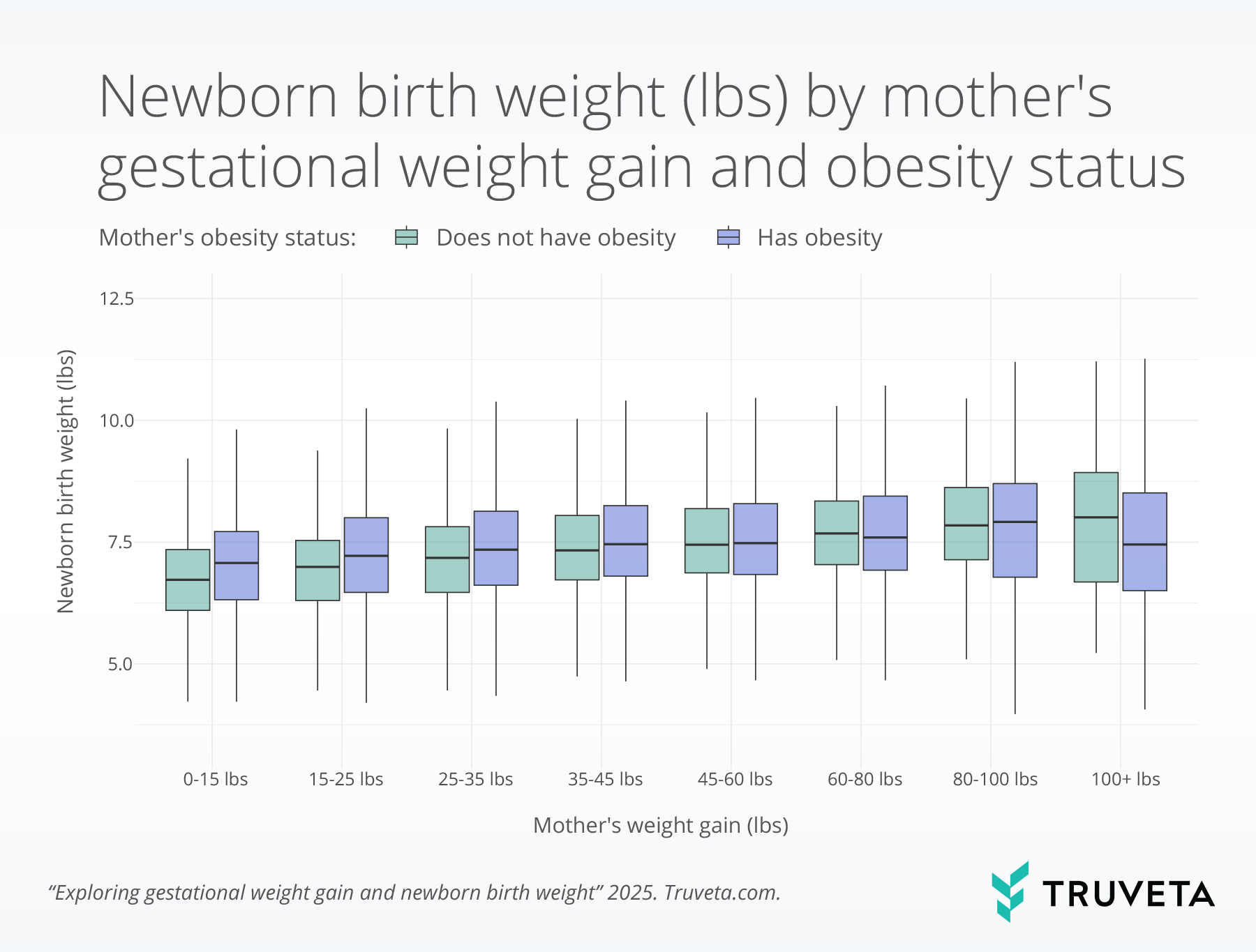
A high pre-pregnancy Body Mass Index (BMI) and excessive weight gain during pregnancy are significant predictors of macrosomia. Adipose tissue is metabolically active and can influence fetal growth through altered lipid metabolism and chronic low-grade inflammation. In 2026, clinical guidelines place a heavy emphasis on managing weight gain in the second and third trimesters to mitigate the risk of extreme birth weights.
Post-term Pregnancy
Pregnancies that extend beyond 42 weeks (post-term) allow the fetus more time to grow. On average, a fetus continues to gain weight in the final weeks of pregnancy, often at a rate of several ounces per week. While post-term status alone rarely results in a 15-pound infant, it can exacerbate other underlying factors.
Genetic Factors and Rare Syndromes
In some cases, the parents' own birth weights and heights play a role. If both parents are naturally large-statured, the infant may be genetically programmed to be larger. Additionally, certain rare genetic conditions, such as Beckwith-Wiedemann Syndrome, are characterized by overgrowth, including macroglossia (enlarged tongue) and neonatal macrosomia.
Delivery Challenges and Risks to the Mother
Delivering a 15-pound infant presents significant mechanical and physiological challenges. The primary concern during delivery is the physical size of the infant relative to the mother’s pelvic dimensions.
Shoulder Dystocia
The most critical emergency associated with macrosomia is shoulder dystocia. This occurs when the baby’s head is delivered, but the anterior shoulder becomes wedged behind the mother's pubic bone. For an infant weighing 15 pounds, the risk of shoulder dystocia increases exponentially. This is a "time-is-life" emergency, as the umbilical cord can be compressed, cutting off oxygen to the baby while the head is outside the body.
Perineal Trauma and Uterine Rupture
The delivery of an exceptionally large infant increases the risk of third- and fourth-degree perineal tears, which extend into the anal sphincter. Furthermore, the overdistension of the uterus (caused by the large baby and often accompanied by excess amniotic fluid, or polyhydramnios) puts the mother at risk for uterine atony. This is a condition where the uterus fails to contract after birth, leading to severe postpartum hemorrhage.
The Role of Cesarean Section
Given the risks, many healthcare providers recommend a planned Cesarean section (C-section) if the estimated fetal weight exceeds a certain threshold—usually 5,000 grams (11 lbs) for non-diabetic mothers and 4,500 grams (9 lbs 15 oz) for diabetic mothers. For a predicted 15-pound baby, a vaginal delivery is almost never advised due to the near-certainty of complications.
Health Implications for the Newborn
The challenges for a 15-pound newborn do not end with delivery. These infants require immediate and intensive neonatal care to manage the transition to extrauterine life.
Neonatal Hypoglycemia
As discussed with the Pederson Hypothesis, these infants often have high levels of circulating insulin. Once the umbilical cord is cut, the massive supply of maternal glucose is suddenly severed, but the infant’s pancreas continues to pump out high levels of insulin. This results in a precipitous drop in blood sugar (hypoglycemia), which can cause seizures or brain injury if not treated immediately with intravenous glucose or frequent feedings.
Respiratory Distress Syndrome
Interestingly, even though macrosomic babies are large, their lungs may be "immature" relative to their size, especially if the mother had poorly controlled diabetes. Insulin can interfere with the production of surfactant, the substance that keeps the lungs' air sacs open. This can lead to respiratory distress syndrome, requiring supplemental oxygen or NICU admission.
Hyperbilirubinemia (Jaundice)
Large newborns often have a higher red blood cell mass (polycythemia). As these cells break down, they produce bilirubin. If the infant’s liver cannot process this load quickly enough, they develop jaundice, which may require phototherapy treatment.
| Category | Weight Range | Primary Risks | Common Management |
|---|---|---|---|
| Average Newborn | 5.5 - 8.8 lbs | Minimal | Standard postpartum care |
| Grade 1 Macrosomia | 8 lbs 13 oz - 9 lbs 15 oz | Increased C-section risk | Glucose monitoring |
| Grade 2 Macrosomia | 9 lbs 15 oz - 11 lbs | Shoulder dystocia | Planned C-section (diabetic) |
| Extreme Macrosomia | Over 11 lbs (up to 15+) | Severe trauma, Hypoglycemia | Mandatory C-section, NICU |
Diagnosis and Prediction Limitations
One of the greatest challenges in managing a potential 15-pound newborn is the inaccuracy of weight estimation.
Ultrasound Margin of Error
While ultrasound is the standard tool for estimating fetal weight, it is notoriously imprecise in the third trimester. The margin of error can be as high as 10% to 15%. For a baby that is actually 15 pounds, the ultrasound might predict 13 pounds or even 17 pounds. This makes it difficult for doctors to definitively plan for the exact size of the infant.
Clinical Palpation (Leopold Maneuvers)
Experienced obstetricians use Leopold maneuvers—feeling the mother’s abdomen—to estimate the baby's size. While this is a valuable skill, it is highly subjective and can be hindered by maternal obesity or the presence of excess amniotic fluid.
Fundal Height Measurements
Measuring the distance from the pubic bone to the top of the uterus (fundal height) is a standard screening tool. A "large for dates" measurement often triggers further ultrasound investigation, but it cannot distinguish between a large baby, twins, or polyhydramnios.
Long-term Outlook for the 15-Pound Infant
The medical community is increasingly focused on the "developmental origins of health and disease" (DOHaD). Being born at 15 pounds has implications that extend into childhood and adulthood.
Metabolic Programming
Research suggests that the intrauterine environment that produces a 15-pound baby may "program" the infant's metabolism. These children are at a statistically higher risk for developing obesity, metabolic syndrome, and Type 2 diabetes later in life.
Neurodevelopmental Considerations
While size itself does not dictate intelligence, the complications associated with extreme macrosomia—such as birth asphyxia during a difficult delivery or severe untreated hypoglycemia—can have neurodevelopmental consequences. However, with modern 2026 neonatal protocols, these risks are heavily mitigated through proactive monitoring.
Practical Steps for Expectant Parents
If you are concerned about fetal macrosomia or have been told your baby is measuring large, several steps can help manage the situation:
- Glucose Control: If you have gestational diabetes, strict adherence to dietary guidelines and medication is the most effective way to prevent excessive fetal growth.
- Consult a Maternal-Fetal Medicine (MFM) Specialist: For extreme cases, a specialist in high-risk pregnancies can provide more detailed imaging and a customized delivery plan.
- Discuss the Delivery Mode: Have an honest conversation with your provider about the risks of vaginal delivery versus a planned C-section if the estimated weight is high.
- Prepare for the NICU: Even if the baby is healthy, a 15-pound newborn will likely need a short stay in the Neonatal Intensive Care Unit (NICU) for glucose stabilization.
Frequently Asked Questions
What is the world record for the heaviest newborn?
According to the Guinness World Records, the heaviest baby born to a healthy mother weighed 22 pounds, 8 ounces (10.2 kg) in 1879, though the infant tragically passed away hours later. In modern history, babies weighing 14 to 15 pounds are occasionally reported and generally survive with intensive medical intervention.
Can a woman deliver a 15-pound baby naturally?
While theoretically possible, it is medically discouraged due to the extreme risk of shoulder dystocia and maternal hemorrhage. Most 15-pound babies are delivered via Cesarean section to ensure the safety of both the mother and the infant.
Does a large birth weight mean the baby will be a large adult?
Not necessarily. While there is a correlation between macrosomia and childhood obesity, many large infants "level out" in their growth charts during the first two years of life. Genetic factors and lifestyle play a much larger role in adult height and weight.
Is induction of labor recommended for large babies?
Current medical consensus, updated through 2026, generally suggests that inducing labor early simply because a baby is "suspected" to be large does not necessarily improve outcomes or reduce the C-section rate. Instead, doctors focus on the mother's health and the baby's well-being.
How do hospitals handle a 15-pound newborn?
Hospitals must often use "infant" sized clothing and diapers rather than "newborn" sizes. Clinically, the focus is on "sugar checks"—frequent blood glucose monitoring—and ensuring the infant’s heart and lungs are functioning correctly under the stress of their large body mass.
Final Recommendations
A 15-pound newborn is a significant medical event that requires a coordinated team of obstetricians, neonatologists, and nurses. If you are facing a high-birth-weight pregnancy, prioritize metabolic health and delivery safety. Ensure your delivery takes place in a facility equipped with a Level III or IV NICU to handle potential glucose instability. While the physical size of the baby is striking, the goal remains the same as any other birth: a safe delivery and a healthy transition into the first weeks of life.