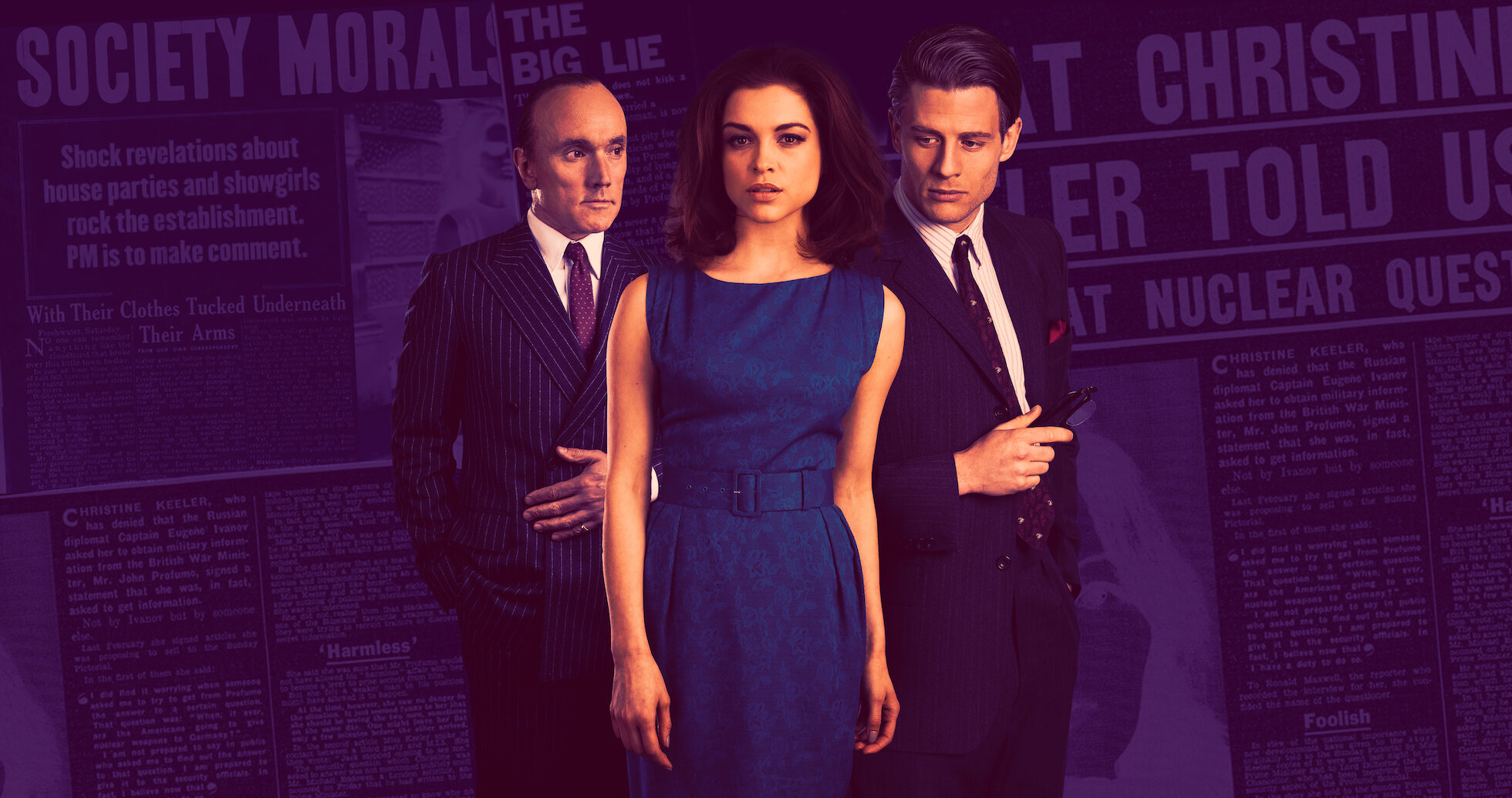
"The 12 Days of Christine" is the second episode of the second series of the British anthology series Inside No. 9, written by Steve Pemberton and Reece Shearsmith. It depicts twelve pivotal moments in the life of Christine (Sheridan Smith) over thirteen years, ultimately revealing a heartbreaking twist involving a fatal car accident.
First broadcast on April 2, 2015, this episode is widely regarded as a pinnacle of modern British television. While Inside No. 9 is known for its blend of dark humor, horror, and sharp social commentary, "The 12 Days of Christine" stands out for its profound emotional depth and intricate narrative construction. In the years since its release, and continuing into 2026, it remains a mandatory study for screenwriters and a touchstone for fans of high-concept drama.
The Narrative Structure: Twelve Moments in Time
The episode’s title is a play on the Christmas carol "The Twelve Days of Christmas," but rather than gifts, the narrative presents twelve snapshots of a woman’s life. These scenes are not strictly linear in their emotional weight, though they generally move forward through time, covering a span from Christine's mid-twenties to her late thirties.
The brilliance of the structure lies in its brevity. Each "day" lasts only a few minutes, yet the writing and Sheridan Smith’s performance convey the passage of years, the evolution of relationships, and the gradual shifting of Christine’s identity. We see her moving into a new flat, her first date with Adam (Tom Riley), her wedding day, the birth of her son Jack, and the sorrow of her father’s death.
However, the episode utilizes a "unreliable reality" device. Throughout these scenes, the audience is unsettled by small, inexplicable glitches: flickering lights, the sound of a car horn, the smell of burning, and the recurring appearance of a mysterious, rain-soaked man. These elements create a sense of dread that suggests a supernatural haunting, a staple of the Inside No. 9 brand, only to subvert that expectation in the final act.
Decoding the Twist: A Life Flashing Before Eyes
The central "problem" the episode solves for the viewer is the mystery of Christine’s disjointed reality. For twenty-eight minutes, the audience is led to believe they are watching a woman struggling with her mental health, a haunting, or a fractured timeline. The resolution reveals that the entire episode takes place within the final seconds of Christine's life.
As she dies in a car accident—caused by a momentary distraction while reaching for a "Connie’s Party" CD—her brain experiences a "life flashing before your eyes" phenomenon. The twelve days we witness are the memories her mind clings to as it shuts down. The mysterious man in the raincoat is not a ghost but the stranger who stopped to help at the scene of the crash, his words ("Can you hear me? Stay with us") bleeding into her dying visions.
This revelation recontextualizes every previous scene. The blue bucket she sees in various rooms was the bucket used by a witness at the crash site. The flickering lights were the hazard lights of the cars. The smell of burning was the engine smoke. By the time the episode concluded its original run, it had fundamentally changed how viewers approached the "twist" format, moving it from a gimmick to a tool for profound empathy.
Performance Analysis: Sheridan Smith’s Career-Defining Role
While Pemberton and Shearsmith are the architects, Sheridan Smith is the heart of the episode. Tasked with playing the same character across a decade of life within a 30-minute window, Smith delivers a performance that is both grounded and ethereal.
Christine begins as a vibrant, somewhat nervous young woman and matures into a mother grappling with grief and domesticity. Smith’s ability to transition between these phases—often with only a change in hairstyle or a slight shift in posture—is a masterclass in acting. The chemistry between Smith and Tom Riley (Adam) provides the necessary emotional anchor; if the audience does not believe in their love story, the ending loses its power.
In 2026, critics still point to this episode as the moment Smith solidified her status as one of the UK’s most versatile actors. She manages to convey a sense of "wrongness" throughout the episode—a subtle realization that she is an intruder in her own memories—which makes the final realization of her death feel earned rather than forced.
Key Motifs and Symbolic Elements
The writers utilized several recurring motifs to bridge the gap between the "memory world" and the "real world" occurring at the crash site. Understanding these symbols is crucial for a full appreciation of the episode's technical depth.
| Symbol | Representation in Memory | Reality at the Crash Site |
|---|---|---|
| The Stranger | A frightening, silent stalker. | A witness/first responder trying to help. |
| "Connie's Party" | A recurring, upbeat song. | The CD Christine was reaching for when she crashed. |
| Blue Bucket | A toy or household item in the flat. | A bucket used by a witness to douse a small fire. |
| Flickering Lights | Faulty wiring in the apartment. | The flashing hazard lights of the vehicles involved. |
| The Car Horn | An external noise from the street. | The horn of the car Christine hit. |
| Red/Orange Glow | A warm atmosphere or sunset. | The fire starting in the car wreckage. |
The use of the song "Connie’s Party" is particularly effective. It serves as a "Proustian trigger," a sensory input that drags a specific memory to the forefront. In the context of the episode, the music acts as the thread connecting the physical cause of the accident to the psychological experience of dying.
Production Design and Direction
Directed by Guillem Morales, the episode benefits from a claustrophobic yet evolving set. The "Number 9" in this instance is Christine’s apartment. To maintain the illusion of time passing, the production team had to meticulously alter the decor, furniture, and clutter to reflect the different stages of Christine's life.
Morales uses long takes and fluid camera movements to mimic the flow of memory. The transitions between the "days" are often seamless, occurring as Christine walks from one room to another. This creates a dreamlike quality that mirrors the neurological process of a brain attempting to organize a lifetime of data in a matter of seconds.
The lighting palette is also significant. Early scenes are bright and saturated, representing the clarity of young adulthood. As the episode progresses and the "reality" of the crash begins to intrude, the shadows become deeper, and the color temperature shifts toward a sterile, emergency-service blue and a warning-sign orange.
Critical Legacy and Impact on the Anthology Genre
Since its airing, "The 12 Days of Christine" has been frequently cited in "Best TV Episodes of All Time" lists. Its success demonstrated that the anthology format—popularized by The Twilight Zone and later Black Mirror—could do more than just "shock" the audience; it could break their hearts.
In the landscape of 2026 television, where high-concept storytelling often relies on expensive CGI and sprawling multiverses, "The 12 Days of Christine" remains a testament to the power of a single location and a perfectly constructed script. It proved that a "twist" is most effective when it reveals a fundamental truth about the human condition—in this case, the tragedy of a life interrupted and the mind's desperate attempt to say goodbye.
The episode also marked a turning point for Inside No. 9 itself. It moved the series away from being viewed primarily as a "dark comedy" and established it as a platform for experimental drama. It remains the highest-rated episode of the series on most user-review platforms, including IMDb and Rotten Tomatoes.
Frequently Asked Questions
What is the song used in "The 12 Days of Christine"?
The primary song is "Connie’s Party," a fictional upbeat track created for the show. Its repetitive, catchy nature is used to contrast with the escalating dread of the episode. It represents the "distraction" that led to the fatal accident, as Christine was looking for the CD in her car when she veered into oncoming traffic.
Who is the man in the raincoat?
The man in the raincoat is a witness to the car accident. In Christine's dying mind, he appears as a ghost or a "stranger" because her brain is trying to process the sensory input of a man leaning over her car wreckage. He is seen wearing a yellow or dark mac, which is common for someone standing in the rain at a roadside.
Does Christine die at the end?
Yes, the episode concludes with the confirmation that Christine has passed away at the scene of the accident. The final scene shows the "Stranger" (the witness) looking into the camera—representing Christine's POV—and confirming her death to other responders. The 12 days were her final thoughts before the moment of passing.
Why is the episode considered so sad?
The tragedy stems from the realization that Christine’s "future" (the later days we see, like her son growing up) might be a mix of actual memories and the "future that will never happen." Specifically, the realization that her young son, Jack, will grow up without a mother adds a layer of emotional devastation that resonates deeply with viewers.
Where can I watch "The 12 Days of Christine"?
As of 2026, the episode is available on the BBC iPlayer in the United Kingdom. Internationally, it can be found on various streaming services that carry Inside No. 9, such as BritBox or HBO Max, depending on regional licensing agreements.
Final Recommendation: Why You Should Watch It
If you are a student of film, a fan of psychological thrillers, or simply someone who appreciates masterful storytelling, "The 12 Days of Christine" is essential viewing. To get the most out of the experience:
- Watch without spoilers: If you haven't seen it yet, avoid reading detailed plot breakdowns until after your first viewing.
- Pay attention to the background: On a second viewing, look for the "glitches" in the environment that hint at the car accident.
- Focus on the sound design: The audio cues (horns, sirens, rain) are the most direct links between the memory and the reality.
This episode remains a shining example of how to use the "locked-room" mystery format to explore the most expansive of topics: the value of a human life.