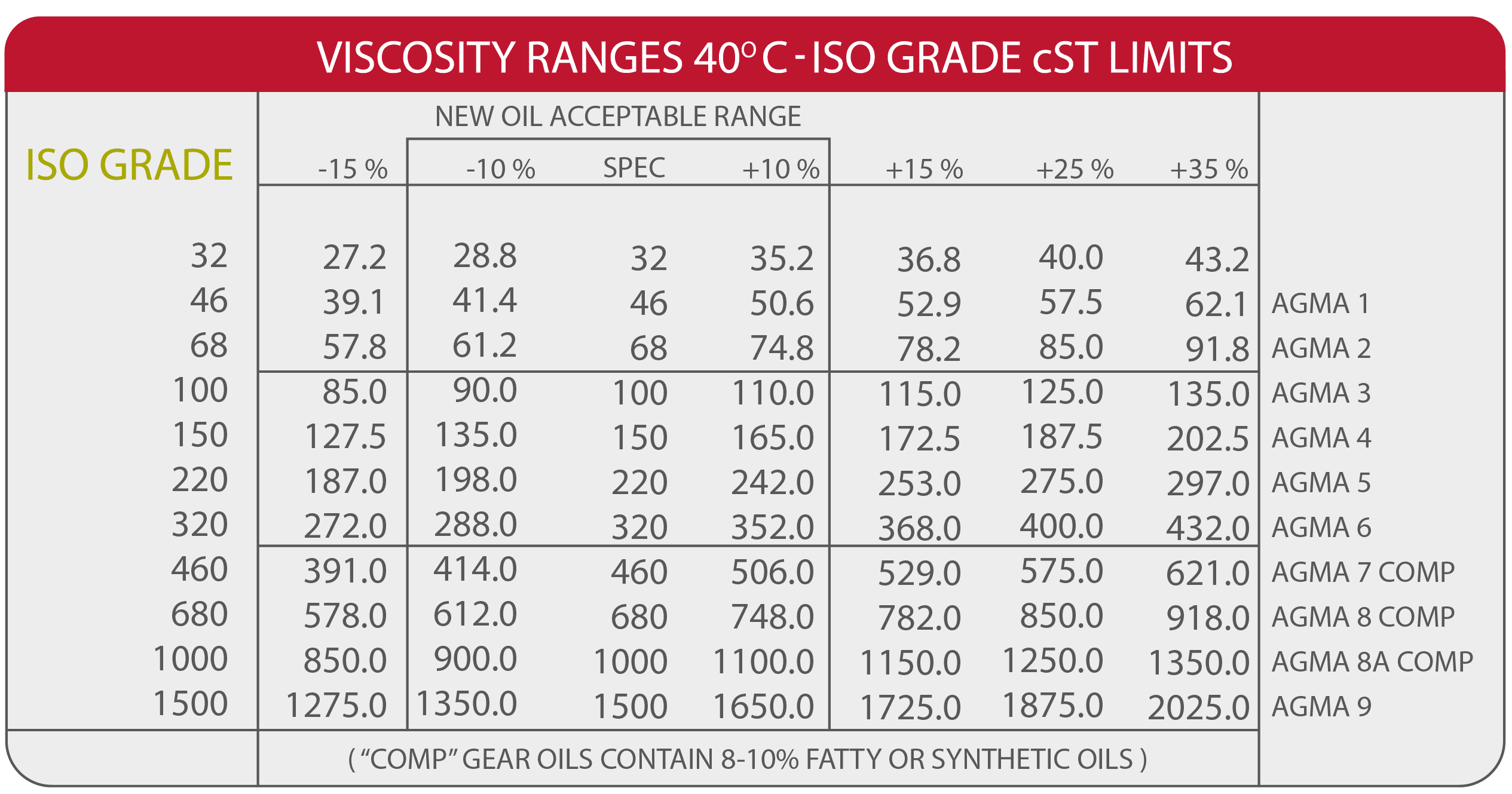
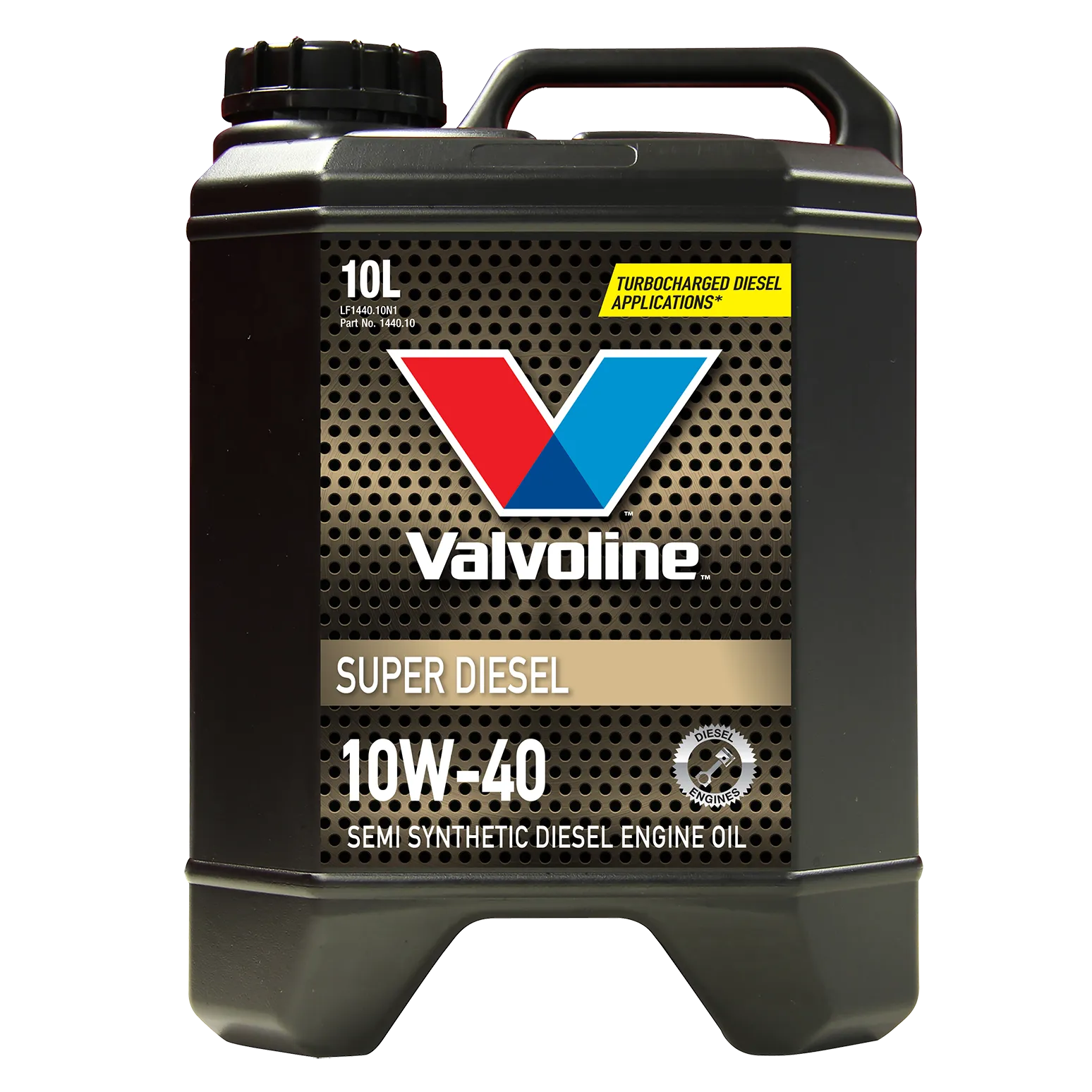
Understanding 10W-40 engine oil requires looking at how fluid thickness changes across temperature extremes, where the "10W" indicates cold-weather flow characteristics and the "40" represents high-temperature protection under operating loads. This multi-grade formulation helps protect internal combustion engines by maintaining a stable lubricating film during both freezing winter startups and high-heat highway driving.
Navigating the world of automotive maintenance often brings vehicle owners face-to-face with a bewildering array of numbers and letters printed on engine oil bottles. Among the most common specifications found on auto parts store shelves is 10W-40. For decades, this multi-grade oil has served as a staple for a wide variety of passenger cars, motorcycles, classic vehicles, and light-duty trucks. However, without a foundational understanding of what these characters represent, it is easy to make a costly mistake that could impact engine longevity, fuel economy, and mechanical efficiency.
This guide breaks down the precise mechanics of engine oil viscosity, decodes the numbers behind the 10W-40 rating, explores how modern multi-grade oils function, and helps you determine whether this specific viscosity grade matches the engineering requirements of your engine.
The Fundamentals of Engine Oil Viscosity
To understand what 10W-40 means, you must first grasp the core concept of viscosity. In fluid dynamics, viscosity is a measure of a fluid's internal resistance to flow. Think of it as thickness or friction within the fluid itself. Honey has a high viscosity—it flows slowly and resists movement. Water has a low viscosity—it flows rapidly and pours easily.
When applied to internal combustion engines, viscosity is arguably the single most important property of motor oil. Engine oil must perform a delicate balancing act:
- It must be thin enough to flow rapidly through narrow oil galleries and pump passages during a cold startup, reaching critical components like camshaft bearings and valve trains within seconds.
- It must remain thick enough at high operating temperatures to maintain a resilient, unbroken hydrodynamic lubricating film between fast-moving metal parts, preventing metal-on-metal contact.
Historically, engine oils were single-grade (or straight-weight) products, such as SAE 30 or SAE 40. A straight SAE 30 oil worked reasonably well at operating temperatures, but when the engine cooled down overnight in winter, that same oil would thicken dramatically, making it extremely difficult for the starter motor to crank the engine and delaying oil circulation. Conversely, a straight SAE 10 oil flowed well in the cold, but once the engine reached operating temperature, the oil thinned out so much that it could fail to protect heavy-duty engine bearings. The development of multi-grade oils revolutionized automotive maintenance by solving this exact dilemma.
Decoding the 10W-40 Rating
The designation 10W-40 is an SAE (Society of Automotive Engineers) viscosity grade. It is classified as a multi-grade oil, meaning it bridges the performance gap between cold-weather fluidity and hot-weather protection. Let us dissect the components of this code piece by piece.
The "10W" (Cold Temperature Rating)
The number preceding the letter "W" indicates the oil's low-temperature flow characteristics.
- The 10 is an index number used in standardized laboratory testing; it does not represent a direct measurement in centistokes or seconds.
- The W stands for Winter.
The 10W rating is determined by testing how well the oil pumps and cranks at cold temperatures (typically evaluated via simulated cold-cranking simulator tests at sub-zero temperatures, such as -25°C or -30°C depending on the exact standard). A lower number before the "W" (such as 0W or 5W) means the oil remains more fluid in freezing weather, allowing the starter motor to turn the engine over faster and getting oil pressure up almost instantly. A 10W oil provides slightly higher cold-temperature resistance than a 5W or 0W oil, but it still flows exceptionally well compared to older straight-weight oils.
The "40" (High Temperature Rating)
The number after the hyphen represents the oil's viscosity at normal engine operating temperatures, which is standardized at 100°C (212°F).
- This number does not mean the oil gets thicker as the engine heats up.
- All standard motor oils thin out as they get warmer; the "40" simply indicates that at 100°C, the oil maintains a higher viscosity (thickness) than an oil rated at 30 or 20, but a lower viscosity than an oil rated at 50.
A 40-weight high-temperature rating ensures that even when an engine is subjected to heavy loads, towing, or high ambient summer temperatures, the oil layer between pistons, cylinder walls, and bearings remains robust enough to prevent destructive boundary friction.
| Viscosity Grade | Cold-Flow Index (W) | High-Temp Viscosity at 100°C | Typical Primary Applications |
|---|---|---|---|
| 0W-20 | Extreme Cold (0W) | Low (20) | Modern fuel-efficient hybrid and aluminum engines |
| 5W-30 | Cold Winter (5W) | Moderate (30) | Standard modern passenger cars and crossovers |
| 10W-40 | Moderate Winter (10W) | High-Heat Robust (40) | Older vehicles, high-mileage engines, motorcycles |
| 20W-50 | Heavy Duty (20W) | Maximum (50) | Classic cars, air-cooled engines, heavy racing |
How Multi-Grade Oils Work (Viscosity Index Improvers)
It may seem counterintuitive that an oil can act like a light oil when cold and a heavier oil when hot. This capability is made possible by chemical additives known as Viscosity Index (VI) Improvers.
Viscosity Index improvers are long-chain polymers added to base mineral or synthetic oils.
- At low temperatures: These polymer chains coil up tightly into small balls. They have very little impact on the fluid, allowing the oil to flow freely and exhibit the low-temperature characteristics of a light oil (such as a 10-weight).
- At high temperatures: As the oil heats up, these polymer chains uncoil, expand, and entangle with one another. This expansion counteracts the natural thinning effect of the base oil, preventing the oil from becoming too watery. As a result, the oil maintains the viscosity profile characteristic of a heavier oil (such as a 40-weight) at 100°C.
Without VI improvers, multi-grade oils like 10W-40 would not exist, and motorists would be forced to change their engine oil seasonally—using thin oils in January and thick oils in July.
Advantages and Limitations of 10W-40 Engine Oil
Every viscosity grade comes with specific engineering trade-offs. Choosing 10W-40 offers distinct advantages for particular engines, but it may prove detrimental in others.
Key Advantages
- Strong High-Temperature Film Strength: The robust 40-weight high-temperature viscosity provides an extra margin of protection for engines operating under heavy loads, high ambient temperatures, or towing conditions.
- Oil Consumption Reduction in High-Mileage Engines: As engines age, internal clearances between piston rings and cylinder walls widen due to wear. A slightly thicker hot-viscosity oil like 10W-40 can help seal these clearances, reducing oil burning and blue exhaust smoke.
- Widespread Availability: Because 10W-40 has been an industry standard for decades, conventional, synthetic blend, and full synthetic formulations are readily available at nearly every auto parts retailer and service center.
Limitations and Drawdowns
- Reduced Fuel Economy: Thicker oils create more internal fluid drag (viscous drag) on moving engine parts. Compared to modern low-viscosity oils like 0W-20, running a 10W-40 can result in a measurable decrease in fuel efficiency.
- Increased Cold-Start Wear: While 10W is suitable for most temperate climates, it is thicker during extreme sub-zero winter starts than a 0W or 5W oil. In very cold regions (frequently below -20°C/-4°F), this can lead to slower oil pump priming and increased startup wear.
- Modern Engine Incompatibility: Tight tolerances in modern precision-engineered engines (especially those with variable valve timing and hydraulic lifters designed for thin oils) can be starved of proper flow if a heavy 10W-40 oil is used contrary to manufacturer specifications.
When Should You Use 10W-40?
You should never choose an engine oil viscosity based on habit or guesswork. The definitive authority on what oil viscosity to use is always the vehicle manufacturer's owner manual or the oil filler cap specification.
Appropriate Use Cases
- Older and Classic Vehicles: Many vehicles manufactured in the 1980s, 1990s, and early 2000s specified 10W-40 as the primary or recommended multi-grade oil across a wide temperature band.
- High-Mileage Engines: Vehicles with over 100,000 miles that exhibit slight oil consumption often benefit from the thicker protective cushion of a 10W-40 oil, provided the manufacturer allows it.
- Motorcycles and ATVs: Many motorcycles utilize wet clutches that share engine oil with the transmission. Certain motorcycle engines specify 10W-40 (or 20W-50) because motorcycle gearboxes subject oil to intense shear forces that break down lighter automotive oils rapidly.
- Hot Climates: Drivers operating vehicles in consistently hot, desert-like environments where winter temperatures rarely drop below freezing can take advantage of the thermal stability of 10W-40.
When to Avoid 10W-40
- Modern Tight-Tolerance Engines: If your vehicle manual specifies 0W-16, 0W-20, or 5W-30, introducing 10W-40 can disrupt oil pressure dynamics, trigger check-engine lights related to variable valve timing systems, and cause premature wear.
- Severe Arctic Winters: If you live in an area with extreme sub-zero winters, a 10W oil will place excessive strain on your starter and battery during cold cranking.
Frequently Asked Questions
Can I mix 10W-30 and 10W-40 engine oils?
Yes, in an emergency top-off situation, mixing different viscosities of the same brand and oil type (such as two conventional oils) will not instantly ruin your engine. However, doing so alters the final viscosity, so you should change the oil at your earliest convenience to maintain proper lubrication specifications.
Is 10W-40 a synthetic oil?
Not inherently. 10W-40 describes only the viscosity grade, not the chemical composition. You can purchase conventional mineral-based 10W-40, synthetic-blend 10W-40, and full synthetic 10W-40 motor oils. Always check the bottle label to confirm the base oil type.
What happens if I put 10W-40 in an engine that requires 5W-20?
Using 10W-40 in an engine designed specifically for 5W-20 can cause several issues. The oil is significantly thicker both at startup and at operating temperature, which can slow oil flow through tight modern clearances, reduce fuel economy, and potentially cause diagnostic trouble codes in variable valve timing actuators.
Does 10W-40 get thicker as the engine heats up?
No. This is a common automotive myth. All motor oils thin out as temperature increases. A 10W-40 oil is thicker when the engine is cold and thins out as it warms up to 100°C; however, it thins out less than a lower-weight oil would, retaining the viscosity characteristics of a 40-weight oil at operating temperature.
How often should 10W-40 engine oil be changed?
Oil change intervals depend heavily on your driving habits, operating environment, and whether you are using conventional or synthetic oil. While conventional 10W-40 was traditionally changed every 3,000 to 5,000 miles, modern full synthetic 10W-40 formulations can often extend intervals to 7,500 or 10,000 miles. Always consult your owner's manual maintenance schedule.
Summary and Practical Next Actions
The designation 10W-40 identifies a multi-grade engine oil engineered to flow like a 10-weight oil in cold winter conditions and protect like a 40-weight oil at high operating temperatures. While it remains an excellent choice for many older vehicles, high-mileage cars, and motorcycles, it is not a universal solution.
Before purchasing your next batch of motor oil, open your vehicle's owner manual, check the oil cap under the hood, and verify the exact manufacturer-approved viscosity grade. Matching the right oil to your engine's engineering specifications ensures maximum protection, optimal fuel efficiency, and long-term mechanical reliability.