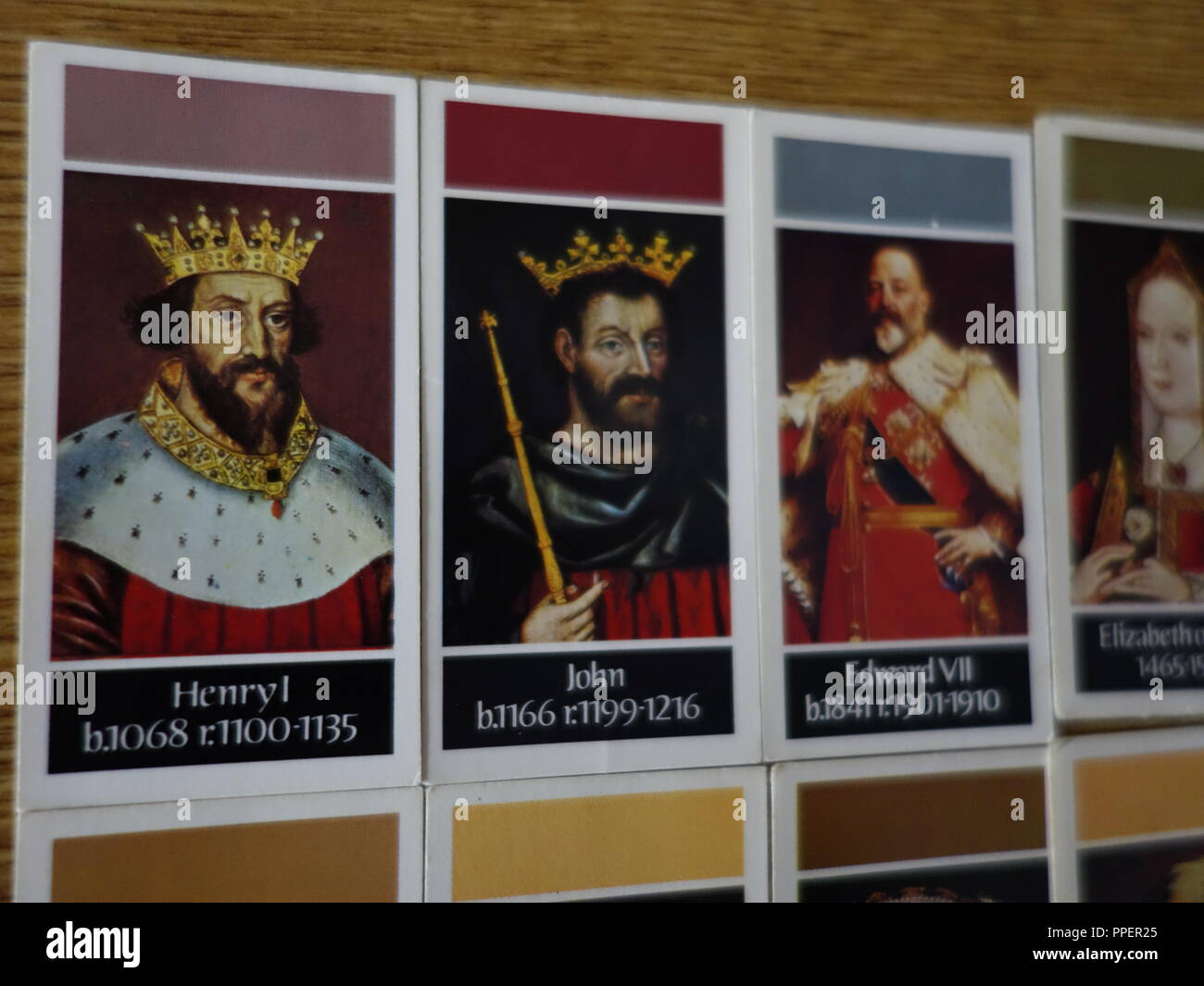
The lineage of English monarchs spans over a millennium, originating from the early Anglo-Saxon period and evolving through the Norman Conquest, the dynastic struggles of the Middle Ages, and the constitutional transformations of the modern era. Identifying this succession requires an understanding of both the unified English state and the specific transitions between royal houses that have defined British history.
The Origins of the English Monarchy
While the concept of "England" coalesced during the 9th and 10th centuries, the list of kings traditionally begins with the House of Wessex. Before the unification of England, the territory was divided into the Heptarchy—seven major Anglo-Saxon kingdoms including Wessex, Mercia, and Northumbria. It was Athelstan (r. 924–939), the grandson of Alfred the Great, who is widely recognized as the first true King of the English, having conquered the last remaining Viking-held territory of York in 927.
The Norman Transition and the Medieval Period
The year 1066 marks the most significant rupture in the succession of English monarchs. The death of Edward the Confessor without a direct heir led to the Battle of Hastings, where William the Conqueror established the Norman dynasty. This period introduced continental administrative systems, feudal land tenure, and a linguistic shift in the royal court, as French became the language of the aristocracy.
The subsequent medieval period was defined by the Plantagenets, an expansive dynasty that claimed the throne through the female line and oversaw the development of the English Parliament. The later Middle Ages saw the Houses of Lancaster and York engage in the Wars of the Roses, a series of dynastic battles that eventually led to the rise of the House of Tudor in 1485.
The Tudor, Stuart, and Hanoverian Evolution
The Tudor dynasty, beginning with Henry VII, solidified the power of the monarchy and oversaw the English Reformation under Henry VIII and the Elizabethan Era. Following the end of the Tudor line, the House of Stuart ascended, bringing about the union of the Scottish and English crowns under James I.
The 18th century brought the House of Hanover, a German-speaking dynasty that maintained a strong link to the Protestant succession. By this time, the monarch’s power was increasingly mediated by Parliament, setting the stage for the constitutional monarchy observed today.
Chronological Succession of English Monarchs
The following table categorizes the primary dynasties that have held the English throne. Please note that "English monarchs" refers to rulers of the state of England, which merged with Scotland in 1707 to form the Kingdom of Great Britain.
| Dynasty | Significant Monarchs | Reign Period (Approximate) |
|---|---|---|
| House of Wessex | Athelstan, Edgar the Peaceful, Edward the Confessor | 927–1066 |
| House of Normandy | William I, William II, Henry I | 1066–1135 |
| House of Plantagenet | Henry II, Edward I, Richard II | 1154–1399 |
| House of Lancaster | Henry IV, Henry V, Henry VI | 1399–1461 |
| House of York | Edward IV, Richard III | 1461–1485 |
| House of Tudor | Henry VIII, Elizabeth I | 1485–1603 |
| House of Stuart | James I, Charles I, Anne | 1603–1714 |
| House of Hanover | George III, Victoria | 1714–1901 |
| House of Windsor | George V, Elizabeth II, Charles III | 1917–Present |
Understanding Dynastic Transitions
A common source of confusion for historians and students alike is the change in house names. These transitions often occur through marriage, where the name of the ruling house changes to that of the monarch's father or husband, or through a formal change of name for political reasons. For instance, the House of Windsor was established in 1917 by King George V, who changed the royal family's name from the House of Saxe-Coburg and Gotha to a more English-sounding name due to anti-German sentiment during the First World War.
The Role of Constitutional Monarchy
In the modern context of 2026, the function of the English (now British) monarch is largely ceremonial and diplomatic. Unlike the absolute monarchs of the medieval period, the Sovereign operates under the framework of a constitutional monarchy. The monarch acts as a symbol of national identity and stability, fulfilling constitutional duties such as giving Royal Assent to legislation passed by Parliament.
The transition of power is governed by the Act of Settlement 1701 and the Succession to the Crown Act 2013. These laws ensure the stability of the monarchy by dictating the order of succession based on birth order, regardless of gender.
Key Considerations for Historical Research
When compiling or consulting a list of English kings and queens, it is essential to distinguish between the King of the English (pre-1707) and the British Monarch (post-1707). Historians often use these terms interchangeably in casual conversation, but in academic and legal contexts, the distinction is significant. Furthermore, one must be cautious with "usurpers" or monarchs whose legitimacy was contested, such as the brief reign of Lady Jane Grey in 1553, who is often omitted from standard lists despite being proclaimed Queen.
Frequently Asked Questions
How is the succession of the English monarchy determined today? Succession is governed by hereditary principles. The Succession to the Crown Act 2013 abolished the system of male primogeniture, meaning the eldest child of the monarch succeeds to the throne regardless of gender.
Why are some monarchs omitted from historical lists? Lists usually prioritize "crowned" or officially recognized monarchs. Short-lived or disputed reigns, such as those during the interregnum of 1649–1660 (the Commonwealth period), are sometimes categorized separately from the line of Kings and Queens.
Who is the current monarch of the United Kingdom? As of 2026, the monarch is King Charles III, who ascended the throne upon the passing of his mother, Queen Elizabeth II, in 2022.
Does the monarch have political power in 2026? The monarch serves as the Head of State. While they remain politically neutral and do not formulate policy, they hold the right to be consulted, the right to encourage, and the right to warn, exercising influence through regular meetings with the Prime Minister.
Where can I find official records of royal succession? The official website of the Royal Household provides comprehensive biographies and genealogical charts documenting the history of the monarchy from the early Anglo-Saxon period to the present day.
Conclusion and Next Steps
To further your study of English royal history, it is recommended to cross-reference general lists with scholarly resources like the Oxford Dictionary of National Biography. If you are conducting research for academic purposes, focus on the distinction between the "King of the English" and later titles to ensure precision in your timeline. Starting your investigation with the transition from the Anglo-Saxon heptarchy to the unified crown provides the necessary context for the complexities that followed in the centuries of conflict and consolidation that shaped the English monarchy.