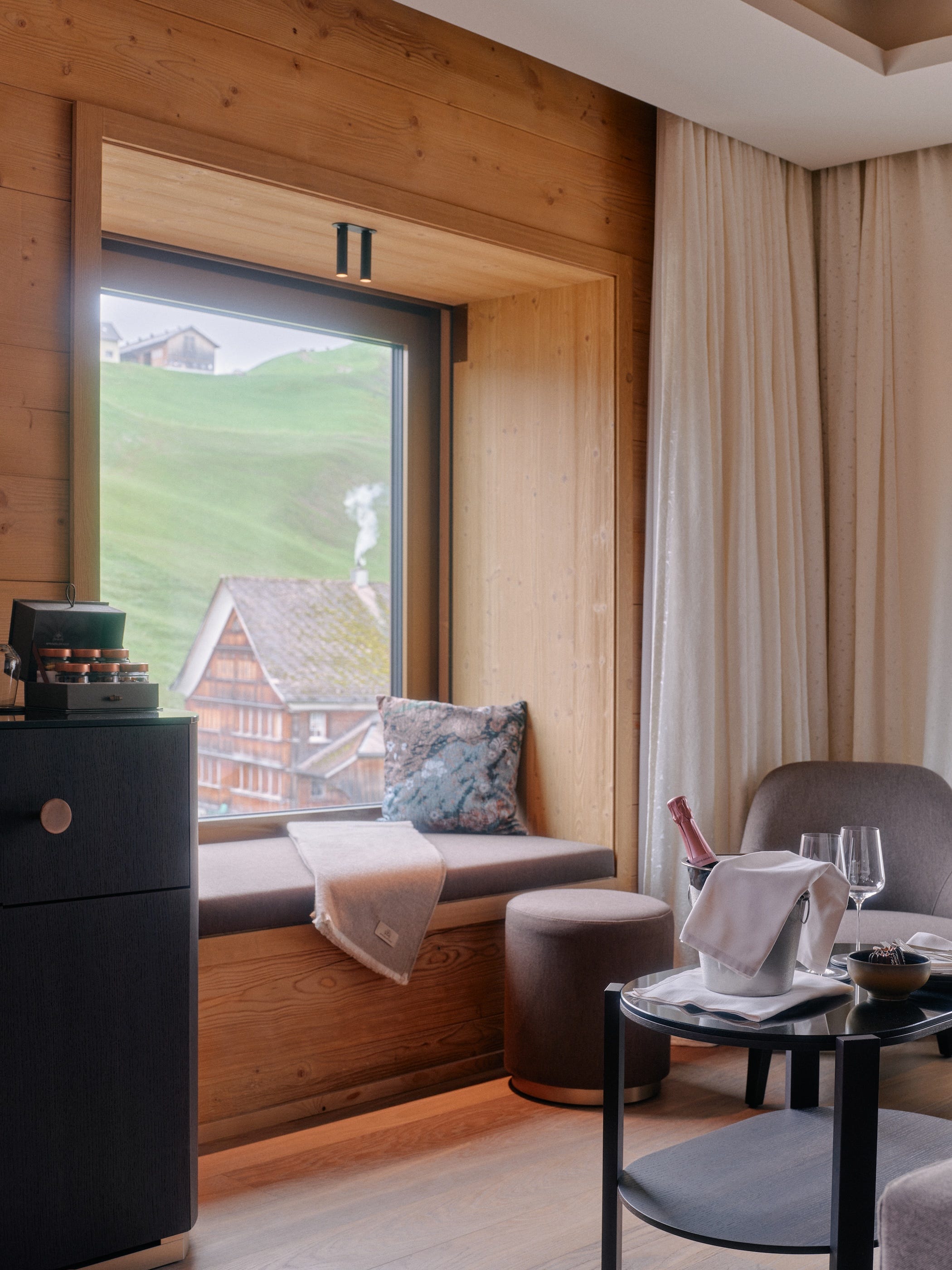
To embark on a journey to a Switzerland wellness retreat, you must first define your health objectives, whether they involve medical-grade detoxification, longevity-focused biohacking, or psychological restoration. Successful planning requires selecting a facility that aligns with your clinical or holistic needs, coordinating precision logistics through Swiss transport hubs, and preparing for a high-intensity therapeutic environment.
The Evolution of Swiss Wellness: Why Switzerland in 2026?
Switzerland has long been the global epicenter for health and restoration, a reputation that began with the 19th-century "air cures" in Davos and St. Moritz. In 2026, this heritage has integrated with peak biotechnology. The Swiss "Sanatorium" model has evolved into the Medical Wellness Clinic, where guests do not merely relax; they undergo rigorous physiological optimization. The country’s unique combination of high-altitude air (climatotherapy), mineral-rich thermal waters (balneotherapy), and strict medical privacy laws makes it the premier destination for those seeking a transformative health intervention.
The Swiss approach to wellness is characterized by "Precision Health." Unlike the more generalized spa culture found in other parts of Europe, Swiss retreats often prioritize diagnostic accuracy. This means your journey likely begins months before you arrive, with DNA kits or blood panel requests sent to your home. By the time you step off the plane in Zurich or Geneva, the facility has already mapped your metabolic profile. This scientific rigor is balanced by the "Alpine Effect"—the proven psychological benefit of the Swiss landscape, which facilitates a rapid drop in cortisol levels upon arrival.
Navigating the Three Pillars of Swiss Retreats
When planning your journey, it is essential to distinguish between the three primary categories of wellness facilities available in Switzerland. Choosing the wrong type can lead to a mismatch between expectations and results.
1. Medical Wellness and Longevity Clinics
These are high-intervention facilities, such as those found in the Montreux Riviera or the Lake Lucerne region. In 2026, these centers focus heavily on senolytic therapies and cellular regeneration. Guests are typically under the supervision of MDs rather than just therapists. If your goal is to address specific metabolic disorders, hormonal imbalances, or "biological age reversal," these clinics are the gold standard. They operate more like five-star hospitals than hotels.
2. Thermal and Balneotherapy Resorts
Centuries-old thermal springs in regions like Bad Ragaz or Leukerbad form the core of this category. These retreats specialize in musculoskeletal health and skin restoration. The mineral content of the water—often rich in calcium, magnesium, and sulfate—is used in high-tech hydrotherapy circuits. In 2026, these resorts have integrated modern sports medicine, making them ideal for post-operative recovery or chronic pain management.
3. Holistic Alpine Sanctuaries
Located in higher altitudes like the Engadin Valley or the Valais, these retreats focus on the "Mind-Body" connection. While they still offer luxury amenities, the emphasis is on forest bathing, mindfulness, nutritional psychiatry, and sleep hygiene. These are best suited for individuals suffering from professional burnout or those seeking a digital detox in a pristine environment.
Essential Logistics: Arrival and Transit
A journey to a Switzerland wellness retreat is often a lesson in seamless logistics. The "wellness" starts with the lack of friction in the Swiss infrastructure. Most international travelers enter via Zurich (ZRH) or Geneva (GVA) airports.
For a truly stress-free experience, the Swiss Travel Pass remains the most efficient method for 2026 travel. The Swiss Federal Railways (SBB) offers "Luggage-Free" services where your bags are transported directly from the airport to your mountain retreat, allowing you to enjoy the scenic GoldenPass or Glacier Express routes unencumbered. If your retreat is located in a car-free village like Zermatt or Wengen, you will complete the final leg of your journey via electric taxi or cogwheel train.
When scheduling your arrival, allow for a 24-hour "acclimatization window," especially if your retreat is above 1,500 meters. Rapid ascent can lead to mild altitude symptoms which may interfere with initial diagnostic tests, such as blood pressure or oxygen saturation levels.
Comparing Top-Tier Swiss Wellness Retreats (2026 Data)
The following table compares three of the most prominent institutions to help narrow your selection based on specific therapeutic needs and investment levels.
| Feature | Clinique La Prairie (Montreux) | Grand Resort Bad Ragaz | Bürgenstock Waldhotel |
|---|---|---|---|
| Primary Focus | Longevity & Cellular Science | Thermal Water & Sports Med | Medical Prevention & Detox |
| Medical Staff | 50+ Specialists (MDs) | On-site Medical Center | Integrated Doctors & Labs |
| Signature Program | Revitalisation Premium | Evidence-Based Health Check | Healthy Weight Management |
| Environment | Lakeside (Lake Geneva) | Foothills of the Alps | Mountaintop (Lake Lucerne) |
| Min. Stay | 7 Days | 3 - 5 Days | 4 Days |
| Est. 2026 Cost | CHF 18,000 - 45,000+ | CHF 5,000 - 15,000+ | CHF 7,000 - 20,000+ |
The Therapeutic Experience: What to Expect
Once you arrive at your chosen retreat, the experience is highly structured. In 2026, the "Standard Wellness Day" has moved away from back-to-back massages toward a blend of active and passive therapies.
Advanced Diagnostics
Your journey will likely begin with a Bio-Impedance Analysis and a Dexa Scan to measure bone density and body composition. Many Swiss clinics now use AI-driven diagnostics to predict health risks over a 10-year horizon. This data dictates your personalized nutritional plan, which is often "farm-to-table" but strictly calibrated to your glycemic index and inflammatory markers.
Hydrotherapy and Cryotherapy
Expect to spend significant time in water. The Swiss "Kneipp" method—alternating between hot and cold water—is a staple for vascular health. Many facilities have also added whole-body cryotherapy chambers (operating at -110°C) to reduce systemic inflammation and improve sleep quality.
Nutritional Excellence
The "Wellness Cuisine" in Switzerland has moved far beyond simple calorie restriction. In 2026, the focus is on Nutrigenomics. Menus are designed to "turn off" certain inflammatory genes. You will likely encounter ingredients sourced from local organic farms, with a heavy emphasis on fermented foods for gut-brain axis health.
Planning Your Timeline and Budget
A journey to a Swiss wellness retreat is a significant financial and temporal investment. For meaningful physiological change, a minimum of seven days is recommended; however, the most prestigious longevity programs often require two weeks.
Budgetary Considerations:
- Programs: Basic wellness packages start at approximately CHF 1,200 per day, including room and board.
- Medical Add-ons: Specialist consultations, genetic testing, and advanced aesthetic procedures are usually billed separately.
- Seasonality: Winter (ski season) and Summer (hiking season) are peak periods with higher rates. For better value and a quieter environment, consider the "shoulder seasons" of May-June or September-October.
Note that while some Swiss medical retreats are recognized by private international health insurance for specific rehabilitative purposes, most "wellness" or "preventative" programs are out-of-pocket expenses. Always request a detailed "Pro Forma" invoice before arrival to verify what is included in the base price.
Common Mistakes to Avoid
- Over-scheduling: Many guests try to fit too many treatments into one day. The "Swiss Method" values downtime as a physiological necessity. Ensure your itinerary includes "white space" for reflection and nature walks.
- Ignoring Pre-Arrival Protocols: If the clinic asks you to stop caffeine or alcohol a week prior, follow it strictly. Failure to do so can result in "detox headaches" that waste the first three days of your expensive retreat.
- Inadequate Hydration: The alpine air is exceptionally dry. Dehydration is the most common cause of fatigue during a Swiss journey. Increase your water intake significantly the moment you land.
- Packing Incorrectly: Even luxury retreats have a "wellness-casual" dress code. High-quality hiking boots and breathable layers are more important than evening wear, as much of the therapy happens outdoors.
Frequently Asked Questions
What is the best time of year for a Swiss wellness retreat?
The ideal time depends on your goals. For respiratory health and outdoor activity, the summer months (July and August) offer perfect temperatures. If your focus is on cozy, thermal-based restoration and "hygge" style wellness, the winter months (December to February) provide a stunning, snow-covered backdrop that enhances the thermal bath experience.
Do I need to speak German or French to visit these retreats?
No. Switzerland’s high-end wellness industry is thoroughly polyglot. English is the primary language of communication in almost all major clinics and luxury resorts, particularly regarding medical consultations and therapy sessions.
Are Swiss wellness retreats suitable for children?
Most elite medical wellness clinics are adult-only (typically ages 16 or 18 and up) to maintain a silent, restorative atmosphere. However, some larger thermal resorts, like those in Bad Ragaz, have dedicated "Family Spa" areas and childcare services, allowing parents to undergo treatments while children are entertained.
Can I combine a wellness retreat with a standard vacation?
While possible, it is often discouraged to do so during the retreat. The goal of a "journey to a Switzerland wellness retreat" is usually deep restoration. It is more effective to schedule your "sightseeing" either before or after your dedicated wellness week to ensure you don't compromise your treatment results with the stresses of general travel.
Is the tap water in Switzerland safe to drink during my detox?
Swiss tap water is among the highest quality in the world and is often better than bottled mineral water. Many retreats are located near natural springs where the water is bottled directly at the source. Drinking local water is a key part of the mineral-based wellness experience.
Practical Recommendation for Your Next Steps
To begin your journey, we recommend a three-step approach. First, consult with your primary physician to identify any specific health markers (such as Vitamin D levels, cortisol, or cholesterol) you wish to address. Second, contact two or three facilities from the comparison table above to request their current 2026 "Program Brochure" and a preliminary consultation with their intake coordinator. Finally, book your travel at least four months in advance, as the most reputable Swiss retreats often have waiting lists for their specialized medical programs.