Invisible braces, particularly clear aligners, are often the best orthodontic option for patients prioritizing aesthetics and oral hygiene. They excel at correcting mild-to-moderate crowding and spacing. However, for severe malocclusions or complex skeletal adjustments, traditional fixed braces typically offer superior precision, making the "best" choice dependent on your specific clinical needs.
In the orthodontic landscape of 2026, the question of whether invisible braces are the "best" option has moved beyond simple vanity. With advancements in polymer science, 3D printing, and artificial intelligence-driven treatment planning, clear aligners and lingual braces have become highly sophisticated tools capable of handling cases that were once the sole domain of metal brackets and wires. To determine if they are the right choice for you, it is essential to understand the technical nuances, the biological requirements of tooth movement, and the lifestyle commitments each system demands.
Defining the "Invisible" Categories
The term "invisible braces" is frequently used as a catch-all, but it actually encompasses two distinct orthodontic methodologies. Understanding the difference between these is the first step in deciding which is superior for your situation.
Clear Aligners
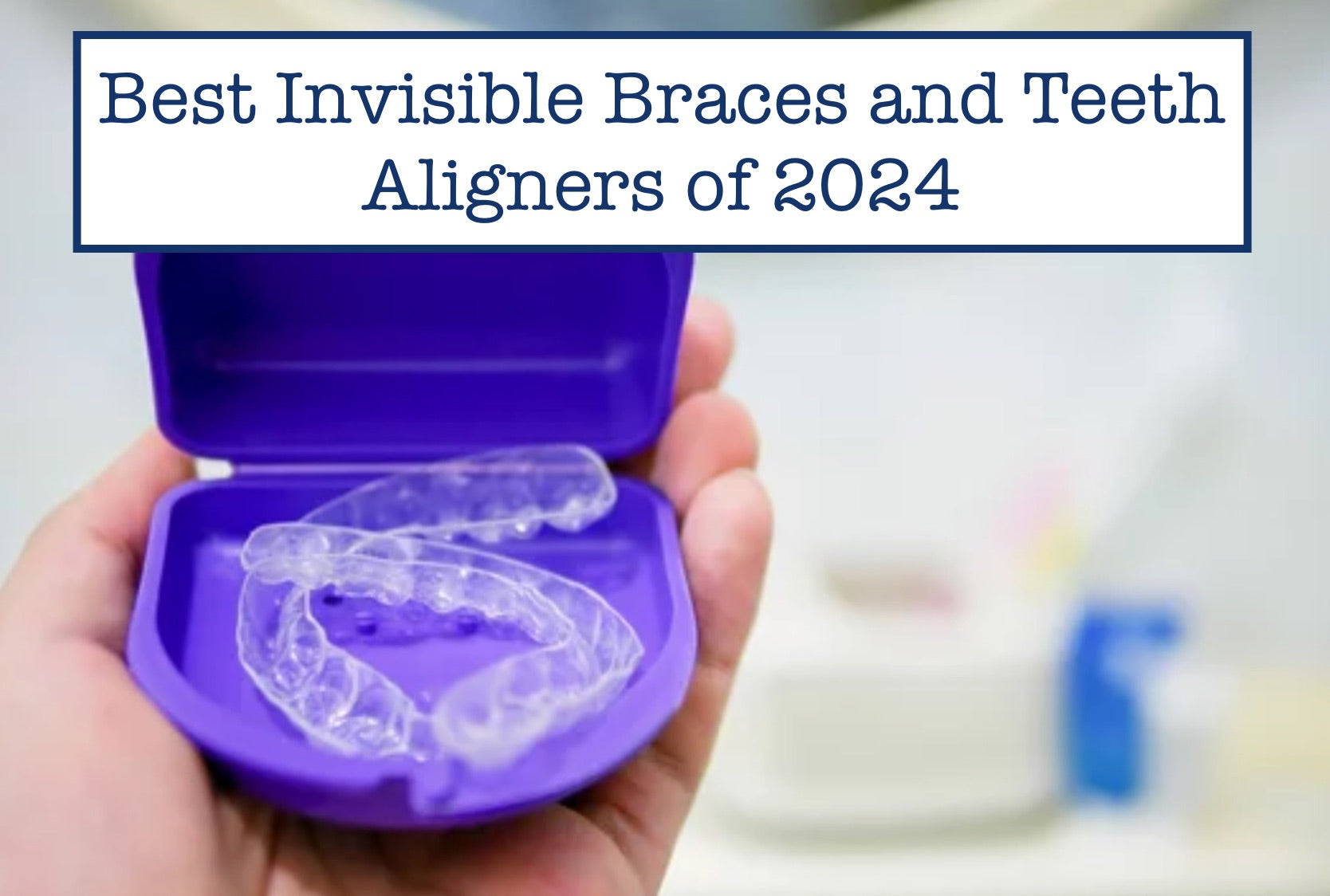
Clear aligners, such as Invisalign or other medical-grade thermoplastic systems, are removable trays custom-molded to the patient’s teeth. In 2026, these systems utilize highly advanced multi-layer polymers that apply constant, gentle pressure. Because they are transparent and removable, they are the most popular choice for adults and professionals.
Lingual Braces
Lingual braces are fixed orthodontic appliances where the brackets and wires are placed on the posterior (back) side of the teeth. Unlike aligners, they are truly invisible to an observer even during a conversation, as they are hidden by the teeth themselves. While they offer the mechanical advantages of traditional braces, they present unique challenges regarding tongue comfort and speech adaptation.
The Case for Invisible Braces: Primary Advantages
For many patients, the "best" option is the one that integrates most seamlessly into their daily lives. Invisible braces offer several objective advantages over traditional labial (front-facing) metal or ceramic braces.
Aesthetic Preservation
The most obvious benefit is the psychological and social impact. Adults often avoid orthodontic treatment because they do not want to appear "juvenile" in professional or social settings. Clear aligners are nearly undetectable at conversational distances, and lingual braces are completely hidden. This allows patients to undergo major dental transformations without the social friction associated with "metal mouths."
Enhanced Oral Hygiene
One of the most significant clinical risks of traditional braces is the development of white spot lesions (decalcification) and gingivitis. Because food particles and plaque easily become trapped around brackets and wires, maintaining hygiene is difficult. Clear aligners are removed during meals and cleaning, allowing for standard brushing and flossing. This significantly reduces the risk of periodontal disease and tooth decay during the treatment period.
Comfort and Reduced Soft Tissue Trauma
Traditional braces use protruding metal components that can irritate the cheeks and lips, often requiring the use of orthodontic wax. In contrast, clear aligners are smooth and custom-trimmed to the gingival line, minimizing soft tissue trauma. While there is still pressure-related discomfort during the first few days of a new tray, the "poking wire" emergencies common with traditional braces are virtually non-existent.
The Clinical Limitations: When "Invisible" Isn't Enough
Despite the technological leaps seen by 2026, invisible braces are not a universal panacea. There are specific clinical scenarios where they may be inferior to traditional methods.
Complex Malocclusions and Vertical Movements
Clear aligners struggle with certain types of tooth movement. For example, "extrusion" (pulling a tooth further out of the bone) or rotating cylindrical teeth (like premolars) can be difficult for a plastic tray to grip effectively. Similarly, severe skeletal issues involving the jaw's alignment often require the heavy-duty mechanical leverage that only fixed metal braces and surgical intervention can provide.
The Discipline Requirement
The removability of clear aligners is their greatest strength but also their primary point of failure. For treatment to stay on track, aligners must be worn for 20 to 22 hours per day. If a patient frequently forgets to reinsert them after meals or leaves them out for social events, the teeth will not move as planned. This can lead to "tracking" errors, where the teeth no longer fit the trays, necessitating expensive and time-consuming "refinements" or restarts.
Attachments and Buttons
To facilitate complex movements, clear aligner systems often require "attachments"—small, tooth-colored composite bumps bonded to the teeth. These allow the trays to gain leverage. While they are tooth-colored, they are not entirely invisible and can be felt by the patient when the trays are out. If your case requires many attachments on the front teeth, the "invisible" nature of the braces is somewhat compromised.
Comparing Orthodontic Options in 2026
The following table provides a direct comparison of the most common orthodontic systems available to patients today.
| Feature | Clear Aligners | Lingual Braces | Traditional Metal Braces |
|---|---|---|---|
| Visibility | Nearly Invisible | Completely Hidden | Highly Visible |
| Removability | Yes (User-removed) | No (Fixed) | No (Fixed) |
| Treatment Speed | 6–18 Months (Avg) | 12–24 Months (Avg) | 12–24 Months (Avg) |
| Hygiene Effort | Low (Normal routine) | High (Special tools) | Moderate/High |
| Dietary Limits | None (Trays removed) | High (Avoid hard/sticky) | High (Avoid hard/sticky) |
| Complexity Range | Mild to Moderate | Moderate to Severe | All Cases |
| Patient Discipline | Very High | Low | Low |
Cost and Insurance Considerations in 2026
In 2026, the price gap between invisible options and traditional braces has narrowed, but differences remain. Generally, invisible braces are priced as premium services.
- Clear Aligners: Typically range from $3,500 to $8,000. Factors influencing cost include the number of trays required and the complexity of the digital planning.
- Lingual Braces: Usually the most expensive option, ranging from $8,000 to $13,000. The high cost is due to the specialized training required by the orthodontist and the custom laboratory fabrication of the brackets for the back of each tooth.
- Insurance: Most dental insurance plans in 2026 treat clear aligners the same as traditional braces, providing a lifetime orthodontic maximum benefit (often between $1,500 and $3,000). However, lingual braces may occasionally be excluded from standard coverage due to their "cosmetic" classification in some older policy structures.
It is vital to check with your provider to see if they offer "teledentistry" monitoring for aligners, which can sometimes reduce the overall cost by minimizing in-office visits.
The Treatment Journey: What to Expect
If you decide that invisible braces are the best option, the process in 2026 is highly streamlined and digital-first.
- Digital Consultation: The process begins with a 3D intraoral scan. The days of messy putty impressions are largely gone. This scan creates a high-resolution digital map of your mouth.
- AI-Assisted Planning: Using the scan, the orthodontist uses AI software to simulate the movement of your teeth. In 2026, these simulations are incredibly accurate, allowing you to see the "final result" on a screen before you even start.
- Fabrication: Once the plan is approved, your custom aligners or lingual brackets are 3D-printed or milled.
- The Wear Cycle: For aligners, you will change to a new set of trays every 7 to 14 days. Each tray is slightly different, moving the teeth incrementally.
- Monitoring: Many offices now use smartphone apps where you take weekly photos of your teeth. The AI checks the "fit" of the tray and alerts the doctor if you are not progressing correctly, reducing the need for monthly office visits.
- Retention: Once the movement is complete, you must wear a retainer. This is a non-negotiable step for all orthodontic options, as teeth have a "memory" and will attempt to shift back to their original positions without stabilization.
Is it the Best Choice for You?
The determination of "best" is subjective and clinical. You are an ideal candidate for invisible braces if:
- You have mild to moderate crowding or gaps.
- Your job or lifestyle makes visible metal braces a significant barrier.
- You are disciplined enough to wear aligners for 22 hours a day.
- You prioritize the ability to eat any food and maintain easy oral hygiene.
Conversely, you should likely opt for traditional braces if:
- You have severe bite issues (deep overbite, underbite, or crossbite).
- You have impacted teeth that need to be "pulled" into place.
- You know you will lack the discipline to keep aligners in your mouth.
Frequently Asked Questions
Are invisible braces faster than metal ones?
In many mild to moderate cases, clear aligners can be faster because they apply force to the entire surface of the tooth simultaneously. However, for complex structural movements, metal braces are often faster because they provide more mechanical "grip" and allow for more aggressive adjustments by the orthodontist.
Can I drink coffee or tea while wearing clear aligners?
No. You should only drink plain water while your aligners are in. Hot liquids can warp the medical-grade plastic, and dark liquids like coffee, tea, or red wine will stain the trays, making them visible and unsightly. Furthermore, sugar or acids trapped between the tray and your teeth can lead to rapid tooth decay.
Do invisible braces hurt as much as regular braces?
Most patients report that invisible braces are more comfortable. While you will feel a "tightness" or pressure when starting a new tray or having lingual braces adjusted, you avoid the sharp metal edges that cause cuts and sores on the gums and cheeks.
Can teenagers use invisible braces?
Yes. In 2026, most clear aligner brands have "Teen" versions that include "compliance indicators" (small blue dots that fade with wear) to help parents and doctors ensure the trays are being worn enough. They also often include a limited number of free replacement aligners for lost trays.
What happens if I lose an invisible aligner?
You should contact your orthodontist immediately. Depending on where you are in that tray's cycle, they may advise you to move to the next tray early or wear the previous tray until a replacement can be printed. Never leave the aligner out for several days while waiting, as your teeth will begin to shift back.
Practical Recommendation
To find the best orthodontic outcome, start by scheduling a consultation with a board-certified orthodontist who offers multiple systems (aligners, lingual, and traditional). Ask for a 3D treatment simulation to see the projected movements for your specific malocclusion. If your case is classified as mild or moderate, and you can commit to the 22-hour daily wear rule, clear aligners represent the pinnacle of modern, convenient dental care in 2026. If your case is complex but you still demand total discretion, lingual braces are the superior, albeit more expensive, professional choice.