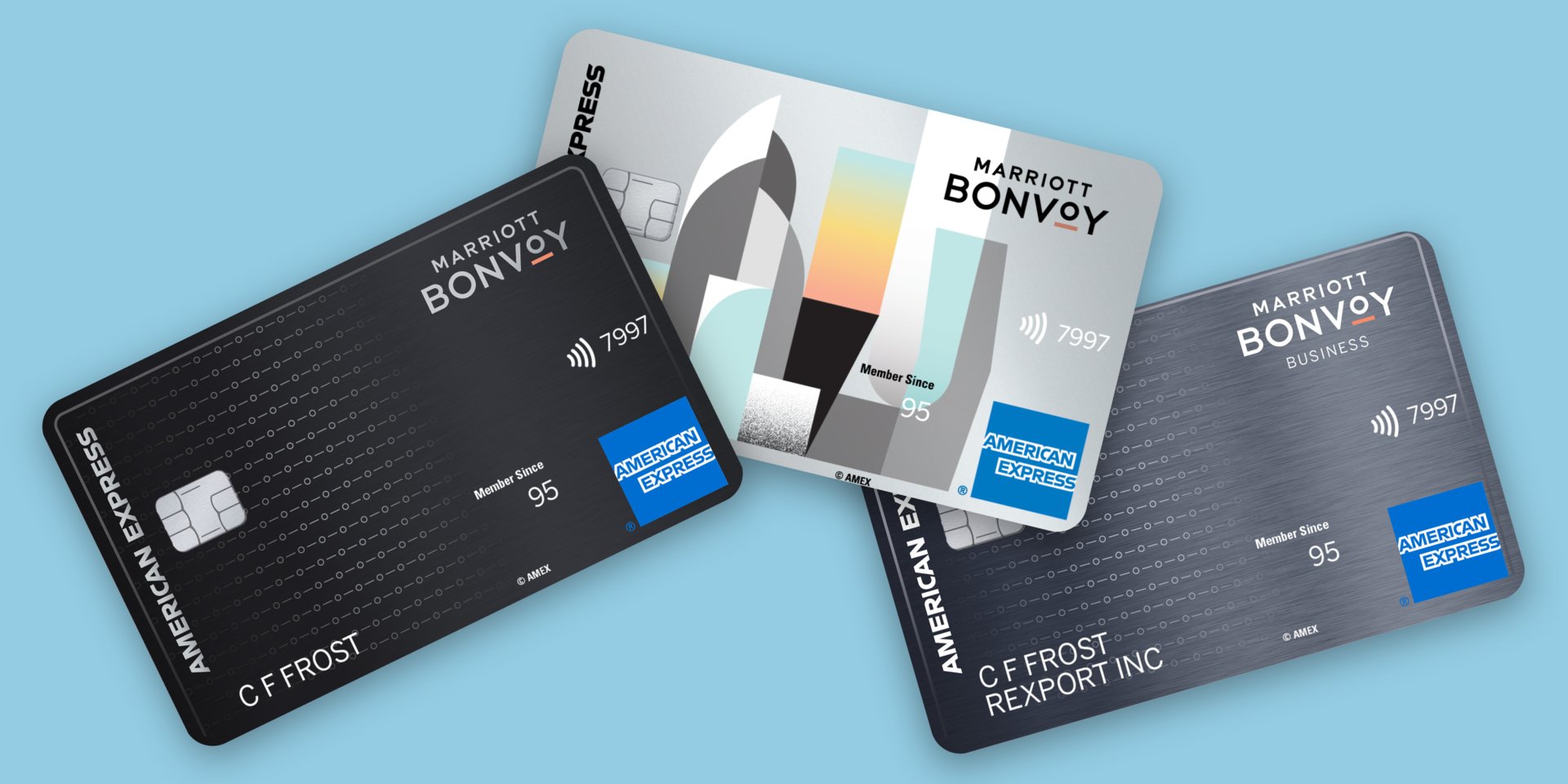
Determining if a hotel credit card is worth it depends on your loyalty to a specific brand and your annual travel frequency. For most travelers who stay at a major chain at least three nights per year, the value of the annual free night certificate and automatic elite status typically outweighs the annual fee, making these cards a net-positive financial tool.
Hotel credit cards occupy a unique niche in the personal finance landscape. Unlike general travel cards that offer flexible points, co-branded hotel cards are designed to reward deep loyalty to a single ecosystem, such as Marriott Bonvoy, Hilton Honors, World of Hyatt, or IHG One Rewards. As we move through 2026, the value proposition of these cards has shifted from mere point accumulation to a focus on "lifestyle" perks and "soft" benefits that enhance the actual experience of a stay.
To decide if one of these cards deserves a place in your wallet, you must look beyond the initial sign-up bonus and analyze the long-term "keepability" of the card based on its recurring benefits, earning structure, and the opportunity cost of not using a general rewards card.
The Core Value Proposition: The "Break-Even" Math
The most common hurdle for any credit card user is the annual fee. Hotel cards generally fall into three categories: no-fee entry cards, mid-tier cards (averaging $95 to $150), and premium cards (upwards of $450 to $650).
For a hotel card to be "worth it," the tangible benefits must exceed the annual fee. The most direct way this occurs is through the Annual Free Night Certificate. Most mid-tier cards offer a certificate valid for a night at a property within a certain "point cap" (e.g., 35,000 or 50,000 points). If you pay a $95 annual fee but use that certificate for a room that would otherwise cost $250 in cash, you have realized a net gain of $155.
Beyond the certificate, the value is found in:
- Automatic Elite Status: Even entry-level cards often provide "Silver" or "Gold" status, which may include late checkout, room upgrades, and bonus points on paid stays.
- Statement Credits: Premium cards often provide monthly or quarterly credits for dining or resort spending that can offset a large portion of a high annual fee.
- Elite Night Credits: Most cards grant a head start (typically 15 nights) toward the next level of status, which is invaluable for "road warriors" aiming for top-tier perks like free breakfast or lounge access.
Understanding Elite Status and "Soft" Benefits
While points have a specific cash-equivalent value (often ranging from 0.5 to 1.5 cents per point depending on the brand), "soft benefits" are harder to quantify but often provide the most satisfaction. In 2026, hotel chains have increasingly leaned into these perks to retain cardholders.
Room Upgrades and Late Checkout
Automatic status from a credit card—such as Hilton Gold or Marriott Gold—often puts you in a higher priority for "preferred" rooms. While this doesn't always mean a suite, it can mean a room on a higher floor with a better view or away from the elevator. Late checkout (typically 2:00 PM) is a significant benefit for leisure travelers who want to enjoy their final vacation day without luggage storage hassles.
Food and Beverage Credits
A major shift in the industry has been the move from "Free Continental Breakfast" to "Daily Food and Beverage Credits." For example, Hilton Gold and Diamond members in the U.S. receive a daily credit (e.g., $15–$25 per person) that can be used at the hotel bar, restaurant, or market. If you are traveling as a couple, a $30 to $50 daily credit over a four-night stay can easily save you $200—value that is directly tied to holding the right credit card.
On-Site Amenities
Premium hotel cards often include credits specifically for "Resort Fees" or on-site amenities like spas and parking. As resort fees continue to be a point of contention in 2026, some loyalty programs waive these fees entirely on award stays booked with points, which is a major hidden savings for cardholders.
Comparing Hotel Cards vs. General Travel Cards
One of the biggest mistakes travelers make is using a hotel card for all their spending. To understand if a hotel card is worth it, you must compare it to the "opportunity cost" of using a general travel card like the Chase Sapphire Reserve or the American Express Platinum Card.
| Feature | Co-Branded Hotel Card | General Travel Card |
|---|---|---|
| Point Flexibility | Low (locked into one brand) | High (transfer to many airlines/hotels) |
| Elite Status | High (often automatic Gold/Platinum) | Low (usually requires specific transfers) |
| Earning on Daily Spend | Moderate (typically 2x on non-hotel) | High (3x-5x on travel/dining) |
| Primary Benefit | Free Night Certificates | Transferable Points & Lounge Access |
| Best For | Brand Loyalists & Occasional Travelers | Frequent Flyers & Flexible Travelers |
A hotel card is usually worth it as a "keeper" card—one that you hold for the perks and the free night—even if you don't spend a single dollar on it outside of the hotel itself. Most savvy travelers use a general travel card for their daily grocery and dining spend to earn flexible points, and then pull out the hotel card only when paying for a stay at that specific chain to maximize the "multiplier" (often 10x to 17x points per dollar spent).
When a Hotel Credit Card Is NOT Worth It
Despite the potential for high ROI, there are several scenarios where these cards are a poor investment:
- The "One-and-Done" Traveler: If you stay in a hotel only once a year, or if you prefer independent boutique hotels and Airbnb, the rigid nature of a co-branded card will feel restrictive. You are better off with a cash-back card.
- Inability to Use the Free Night: Free night certificates usually expire after 12 months. If your schedule is so unpredictable that you cannot guarantee one stay per year, you are essentially "pre-paying" for a hotel room you will never use.
- High Interest Rates: Like most rewards cards, hotel cards carry high APRs. If you carry a balance, the interest charges will instantly negate the value of any points or free nights earned. These cards are only for those who pay their statement in full every month.
- Low Spend/Low Value Redemptions: If you earn points but only redeem them at low-value properties during off-peak times, you might find that the "cash-back" value of your spend is lower than a simple 2% cash-back card.
Strategic Evaluation: How to Choose
If you’ve decided a card is worth the investment, the next step is choosing which ecosystem fits your lifestyle.
- Marriott Bonvoy: Best for global footprint. With over 30 brands and thousands of properties, you can find a Marriott almost anywhere. Their cards (issued by Chase and Amex) range from no-fee to $650 luxury options.
- Hilton Honors: Best for instant "top-tier" status. The premium Hilton cards often grant "Diamond" status automatically, which is the most efficient way to get lounge access and significant room upgrades without actually "earning" the status through 60+ nights of stays.
- World of Hyatt: Best for point value. Hyatt points are widely considered the most valuable in the industry. While their footprint is smaller, their redemption rates are often much lower than Marriott or Hilton for similar quality rooms.
- IHG One Rewards: Best for family travelers and value. Their "Fourth Night Free" benefit on award stays (exclusive to cardholders) can effectively increase your point value by 25%.
Managing Multiple Cards (The "Pro" Strategy)
Many experienced travelers find that holding multiple hotel cards is worth it. This is known as the "Sock Drawer" strategy. You might hold a Marriott card, a Hyatt card, and an IHG card simultaneously. Why? Because paying three $95 annual fees ($285 total) gives you three guaranteed nights at hotels that might cost $200+ each. You are effectively buying three high-quality hotel stays for $95 each, which is a significant discount. You don't necessarily need to spend on these cards; you simply pay the annual fee, collect the certificate, and enjoy the baseline elite status when you happen to stay at those brands.
Common Mistakes to Avoid
- Ignoring the "Point Cap" on Certificates: A 35,000-point certificate cannot be used at a Ritz-Carlton during peak season. Always check the category of the hotels you actually want to visit before assuming the certificate is valuable to you.
- Forgetting to "Top Off": In 2026, most programs allow you to "top off" a certificate with a limited number of additional points (e.g., adding up to 15,000 points to a 35,000-point certificate). This has greatly increased the flexibility of these cards, allowing users to book more expensive hotels than the certificate technically allows.
- Missing the Sign-Up Bonus Window: These cards often have "all-time high" offers once or twice a year. If you can time your application with a 100,000+ point offer, the card is often worth it for the first year alone, even if you cancel it later (though we recommend keeping it for the recurring perks).
Frequently Asked Questions
Do hotel points expire if I have the credit card?
In most cases, having the co-branded credit card keeps your loyalty account "active" because any small purchase creates point activity. This effectively prevents your entire balance of points from expiring, which is a major secondary benefit of holding the card long-term.
Can I have more than one hotel credit card?
Yes, you can hold multiple cards from different chains. You can even hold multiple cards within the same chain (e.g., a personal Marriott card and a business Marriott card) to stack "Elite Night Credits," which can help you reach higher status levels faster. However, be aware of "issuer rules," such as Chase's 5/24 rule, which limits how many cards you can open in a 24-month period.
Does the elite status apply to rooms booked through Expedia or Travelocity?
Generally, no. To enjoy the benefits of your hotel credit card (like upgrades, late checkout, and earning points), you must book directly through the hotel's website or app. Third-party bookings are usually excluded from loyalty benefits.
Is the annual fee tax-deductible?
If you are a business owner or a freelancer and use the card primarily for business-related travel and expenses, the annual fee may be a deductible business expense. However, you should consult with a tax professional regarding your specific jurisdictional rules.
How do I know if I'm getting a good value for my points?
A simple way to check is to divide the cash price of the room (including taxes) by the number of points required. For example, if a room costs $300 or 30,000 points, you are getting 1 cent per point. If the brand's average value is 0.7 cents, this is a "good" redemption.
Final Recommendation: Should You Apply?
A hotel credit card is worth it if you can answer "yes" to two questions: First, will you stay at that hotel chain at least once in the next year to use the free night certificate? Second, do you have the discipline to pay the card in full every month?
If you are a "brand-agnostic" traveler who always hunts for the absolute cheapest motel regardless of the name on the sign, a hotel credit card will likely feel like a burden. But for the traveler who appreciates the consistency of a major brand and wants to "upgrade" their travel experience for a relatively low annual cost, these cards remain one of the most effective tools in the 2026 travel market. Start with a mid-tier card ($95 range) to test the waters; the free night alone ensures you won't lose money on the deal.