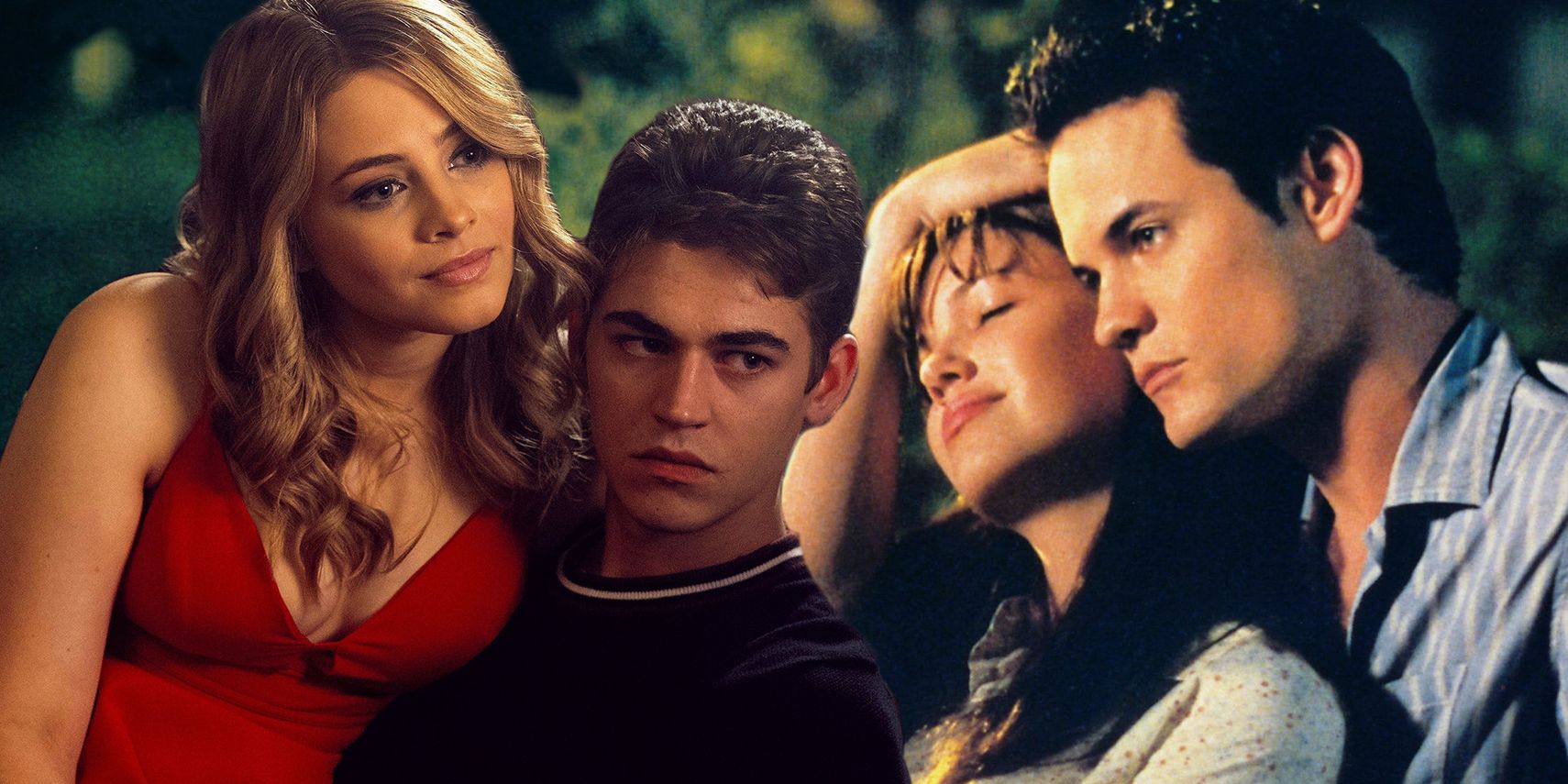
In 2026, the dominant beauty trend is the "Archetype Revival," a movement where the polarized "Bad Boy" and "Good Girl" aesthetics have moved beyond simple tropes into high-fashion, narrative-driven identities. Rather than a single "look," this trend focuses on Archetype Styling, allowing individuals to curate a cinematic persona that blends traditional rebellion or innocence with modern, technical precision in grooming and fashion.
The beauty landscape of 2026 has moved away from the "one-size-fits-all" minimalism that dominated the early 2020s. In its place, a fascination with character-driven aesthetics has emerged, fueled by a desire for digital storytelling and "main character" personas. The concepts of the "Bad Boy" and "Good Girl" are no longer just social labels; they are carefully constructed visual languages used to signal values, interests, and cultural affiliations. This shift represents a broader movement toward intentionality in self-presentation, where beauty is used as a tool for theatrical self-expression rather than just a means of concealment or enhancement.
The Evolution of the "Bad Boy" Aesthetic in 2026
The 2026 version of the "Bad Boy" beauty trend is a sophisticated evolution of the grunge and indie-sleaze movements of previous decades. It is no longer characterized merely by a lack of hygiene or simple rebellion. Instead, it is a highly curated "roughness" that requires significant technical skill in grooming and skin care. The goal is to appear as though one has been living an adventurous, slightly chaotic lifestyle, while maintaining the structural integrity of the skin and hair.
Technically, this look centers on "texture and shadow." The skin is rarely matte; it utilizes "sweat-mimicking" highlighters and dewy finishes to suggest physical activity or late nights. Eye makeup for men—often referred to as "guyliner" in previous eras—has matured into subtle charcoal smudging and tight-lining that enhances the natural shape of the eye without appearing overtly decorative. Hair styling focuses on "controlled chaos," utilizing salt sprays and lightweight clays to create volume that looks windblown rather than hair-sprayed.
Culturally, this aesthetic aligns with the resurgence of "Rockstar Energy" on social media platforms. It’s a rejection of the "Corporate Clean" look. It values visible tattoos, intentionally distressed fabrics, and a color palette rooted in obsidian, deep oxblood, and faded denim. The "Bad Boy" of 2026 is someone who invests heavily in high-end leather care and niche perfumery—specifically scents with notes of tobacco, oud, and metallic accords—to complete the sensory experience of the archetype.
The Redefinition of the "Good Girl" Aesthetic
Conversely, the "Good Girl" aesthetic has evolved far beyond the "Clean Girl" minimalism of 2022. In 2026, this trend is defined by hyper-femininity, precision, and "Stealth Wealth" beauty. It is often referred to as "Coquette-Plus" or "New Regency," drawing inspiration from historical romanticism blended with futuristic skin-tech. The focus here is on flawless symmetry, pastel palettes, and a "lit-from-within" glow that suggests a life of disciplined wellness and high-end treatments.
The technical execution of the "Good Girl" look relies heavily on color theory and facial architecture. This includes the use of monochromatic palettes—where the blush, eyeshadow, and lip color all share the same undertone—to create a sense of harmony. The "doll-like" appearance is achieved through lash lifts, brow lamination, and the strategic use of light-reflecting primers. Unlike the "Bad Boy" look, which embraces imperfections, the "Good Girl" aesthetic is about the elimination of visual "noise."
Accessories play a pivotal role in this beauty trend. Silk ribbons, pearl-encrusted clips, and delicate gold jewelry are used to frame the face. The hair is typically styled in high-shine "glass" finishes or soft, voluminous waves that require ceramic heat tools and silk-infusion serums. This aesthetic signals a return to "softness" as a form of power, emphasizing grace and meticulousness over the raw energy of its "Bad Boy" counterpart.
The "Polarity Core" Phenomenon: Why Archetypes Are Trending
The reason "Bad Boys" and "Good Girls" are the "new" trend is due to a psychological phenomenon known as Polarity Core. In an era of infinite choice and AI-generated content, consumers are gravitating toward extreme, recognizable archetypes to anchor their identity. By adopting a clearly defined "side" of the beauty spectrum, individuals find it easier to navigate social spaces and digital algorithms that favor clear visual categorizations.
This trend is also a reaction against the "blurred lines" of the early 2020s. While gender neutrality remains a fundamental aspect of modern fashion, the visual themes of the rebel and the innocent provide a structured playground for performance. People are not necessarily seeking to embody these roles in their personal lives, but they are using them as visual costumes for specific events, social media "drops," or phases of their life.
Furthermore, the 2026 market has seen a surge in "Archetype Subscription Boxes" and AI-curated shopping lists. Apps now analyze a user's facial structure and "vibe" to recommend whether they should lean into the "Edge" (Bad Boy) or the "Elegance" (Good Girl) categories. This fusion of technology and traditional storytelling has solidified these archetypes as the dominant beauty framework of the year.
Technical Comparison: Bad Boy vs. Good Girl Aesthetics
The following table outlines the technical differences in product application and style focus for both trends in 2026.
| Feature | Bad Boy Aesthetic (The Edge) | Good Girl Aesthetic (The Elegance) |
|---|---|---|
| Skin Finish | Dewy, "sweat-mimicking," textured | Glass skin, matte-satin, blurred pores |
| Eye Makeup | Charcoal smudging, kohl, "tired-chic" shadows | Shimmering lids, winged liner, lash lifts |
| Lip Strategy | Natural, bitten, or clear matte balm | Glossy, lined, monochromatic rose/peach |
| Hair Texture | Gritty, matted, salt-sprayed volume | Silky, polished, high-shine, structured |
| Fragrance Profile | Leather, smoke, metallic, heavy musk | Floral, vanilla, "clean laundry," powdery |
| Primary Palette | Black, slate, burgundy, forest green | Cream, lavender, soft pink, champagne |
| Key Accessory | Silver chains, leather bands, rings | Pearls, silk ribbons, gold studs |
The Role of "Trope Subversion" in 2026 Beauty
A significant nuance of this trend is the act of Trope Subversion. While the archetypes are based on traditional "Bad Boy" and "Good Girl" imagery, the 2026 implementation often flips the script regarding who can wear them. We see a significant number of feminine-identifying individuals adopting the "Bad Boy" aesthetic—complete with leather, gritty textures, and dark kohl—to project strength and autonomy. Similarly, masculine-identifying individuals are embracing the "Good Girl" focus on soft skin, pastel accents, and refined grooming to challenge traditional notions of ruggedness.
This subversion is what keeps the trend "new." It isn't a return to 1950s gender roles; it is a reclamation of the visual language associated with those roles. The "Bad Boy" look is now a symbol of "The Outsider," regardless of gender, while the "Good Girl" look is a symbol of "The Perfectionist." By decoupling the aesthetic from the gender, the 2026 beauty industry has created a versatile toolkit for anyone to perform these identities.
Sustainability and Ethical Archetypes
In 2026, a trend cannot exist without a sustainability component. The "Bad Boy" aesthetic lends itself naturally to circular fashion. Much of the wardrobe—vintage leather jackets, worn-in boots, and faded denim—is sourced from the resale market. This "thrifted" element adds to the authenticity of the look. Brands catering to this trend are focusing on "biotech leather" and recycled metals for jewelry.
The "Good Girl" aesthetic, however, has faced more scrutiny. The demand for "perfection" often leads to high consumption of single-use beauty products and fast-fashion "coquette" accessories. In response, the 2026 "Good Girl" trend has shifted toward "Heirloom Beauty." This emphasizes investing in high-quality, refillable makeup compacts, ethically sourced pearls, and long-lasting silk garments. The focus is on "fewer, better things," aligning the archetype's disciplined appearance with disciplined consumption habits.
Common Mistakes When Adopting These Aesthetics
As with any trend rooted in archetypes, there is a risk of falling into "costume" territory rather than a cohesive style. One of the most common mistakes in 2026 is over-accessorizing. For the "Bad Boy" look, wearing too many chains or overly distressed clothing can look forced. The key is to have one "hero" piece, such as a high-quality vintage jacket, and let the grooming (the hair and skin) do the rest of the work.
For the "Good Girl" aesthetic, the most frequent error is color clashing. This trend relies on a very tight color story. Using a cool-toned pink ribbon with a warm-toned peach blush breaks the "harmony" that defines the look. Additionally, over-applying "glass skin" products can lead to a greasy appearance in high-definition photography, which is why 2026 beauty editors recommend "zonal priming"—applying glow only to the high points of the face while keeping the T-zone matte.
The Future of Archetype Styling
Looking beyond 2026, it is likely that these archetypes will continue to fragment into even more specific "micro-archetypes." We are already seeing the emergence of the "Cyber-Rebel" and the "Ethereal Academic." However, the core tension between the "rebel" and the "ideal" (the Bad Boy and the Good Girl) remains the most powerful narrative in human culture.
As AI continues to personalize our shopping and beauty routines, these trends will become even more tailored to individual facial features and personality types. The "trend" isn't just about looking like a bad boy or a good girl; it's about the technological ability to transform into whatever character we choose for the day.
Frequently Asked Questions
1. Is the "Bad Boy" trend just for men? No. In 2026, "Bad Boy" refers to a specific aesthetic characterized by grit, dark palettes, and textured grooming. It is a gender-neutral style adopted by anyone looking to project an edgy, rebellious, or "outsider" persona.
2. What are the essential products for the "Good Girl" look in 2026? The essentials include a peptide-based "glass skin" primer, a monochromatic lip and cheek tint, silk hair ribbons, and a high-precision liquid eyeliner. The focus is on products that create a polished, harmonious, and youthful appearance.
3. How does the "Bad Boy" look differ from 90s Grunge? While inspired by the 90s, the 2026 version is more technically precise. It uses high-end skincare to ensure the "messy" look is intentional rather than the result of neglect. It also incorporates modern elements like "biotech leather" and metallic-toned makeup that didn't exist in the 90s.
4. Can I switch between these two trends? Absolutely. Many people in 2026 practice "Aesthetic Fluidity," where they adopt the "Good Girl" look for professional or formal settings and the "Bad Boy" look for social or creative environments. The trend is about the ability to play these characters.
5. Are these trends inclusive of all skin types and hair textures? Yes. Modern Archetype Styling focuses on adapting the principles of the look (texture, color story, and narrative) to the individual. For example, the "Bad Boy" grit can be achieved with any hair texture using the right styling clays, and the "Good Girl" glow is achievable on all skin tones using inclusive color palettes.
Practical Recommendation
To successfully navigate the "Bad Boy" and "Good Girl" trend in 2026, start by identifying which narrative resonates most with your current lifestyle. Instead of buying a completely new wardrobe, focus on "Anchor Items"—a rugged leather piece for the Edge look or a silk ribbon and pearl accessory for the Elegance look. Use modern grooming tools, such as salt sprays for texture or peptide primers for glow, to establish the base of the archetype. Remember that the most effective version of this trend is one that feels like a curated extension of yourself, rather than a disguise.