Determining if an auto insurance transfer is worth it depends on whether you are moving coverage to a new vehicle or switching to a different provider. In 2026, transferring coverage to a new car is essential for continuous protection, while switching carriers is worth it if the move yields a premium reduction of at least 15% or significantly better claims-handling technology.
The term "insurance transfer" is often used loosely to describe two distinct financial actions: substituting a vehicle on an existing policy and porting your history to a new insurance company. Understanding the nuances of both is critical for maintaining legal compliance and optimizing your household budget. As vehicle technology advances and repair costs rise in 2026, the financial implications of these transfers have become more significant than in previous decades.
Defining the "Transfer": What Does It Actually Mean?
Before evaluating the value of a transfer, we must disambiguate the three primary contexts in which this term is used. Each has different requirements, costs, and strategic benefits.
- Vehicle Substitution (Transferring coverage to a new car): This occurs when you replace your current vehicle with a new one. You "transfer" your existing policy benefits, liability limits, and deductibles to the new VIN (Vehicle Identification Number).
- Carrier Switching (Transferring your business to a new insurer): This involves closing a policy with Company A and opening one with Company B. The "transfer" here refers to your insurance score, claims history, and continuous coverage status.
- Policy Assignment (Transferring a policy to another person): This is the rarest and most restricted form. Generally, auto insurance policies are personal contracts and cannot be "transferred" to the person who buys your car. However, transfers between spouses or from a deceased person’s estate to an heir are common exceptions.
In the current 2026 landscape, the primary focus for most drivers is whether the administrative effort and potential loss of "loyalty" benefits are outweighed by the financial gains of a carrier switch or the seamless protection of a vehicle substitution.
Transferring Insurance Between Vehicles: Is it Worth It?
When you buy a new car, you generally have two choices: add the new car to your current policy or start a brand-new policy with a different company.
The Benefit of Seamless Coverage
Transferring your current policy to a new vehicle is almost always worth it for the sake of simplicity and legal safety. Most insurers provide a "grace period"—typically between 7 and 30 days—where your old policy automatically covers a replacement vehicle. However, this only applies if you stay with the same carrier. If you attempt to start fresh without a transfer, you risk a "lapse in coverage," which can lead to higher premiums in the future and legal penalties.
The Premium Impact in 2026
In 2026, the cost of "transferring" your insurance to a new car is rarely $0. Even if your policy remains with the same company, the premium will be adjusted based on the new vehicle's risk profile.
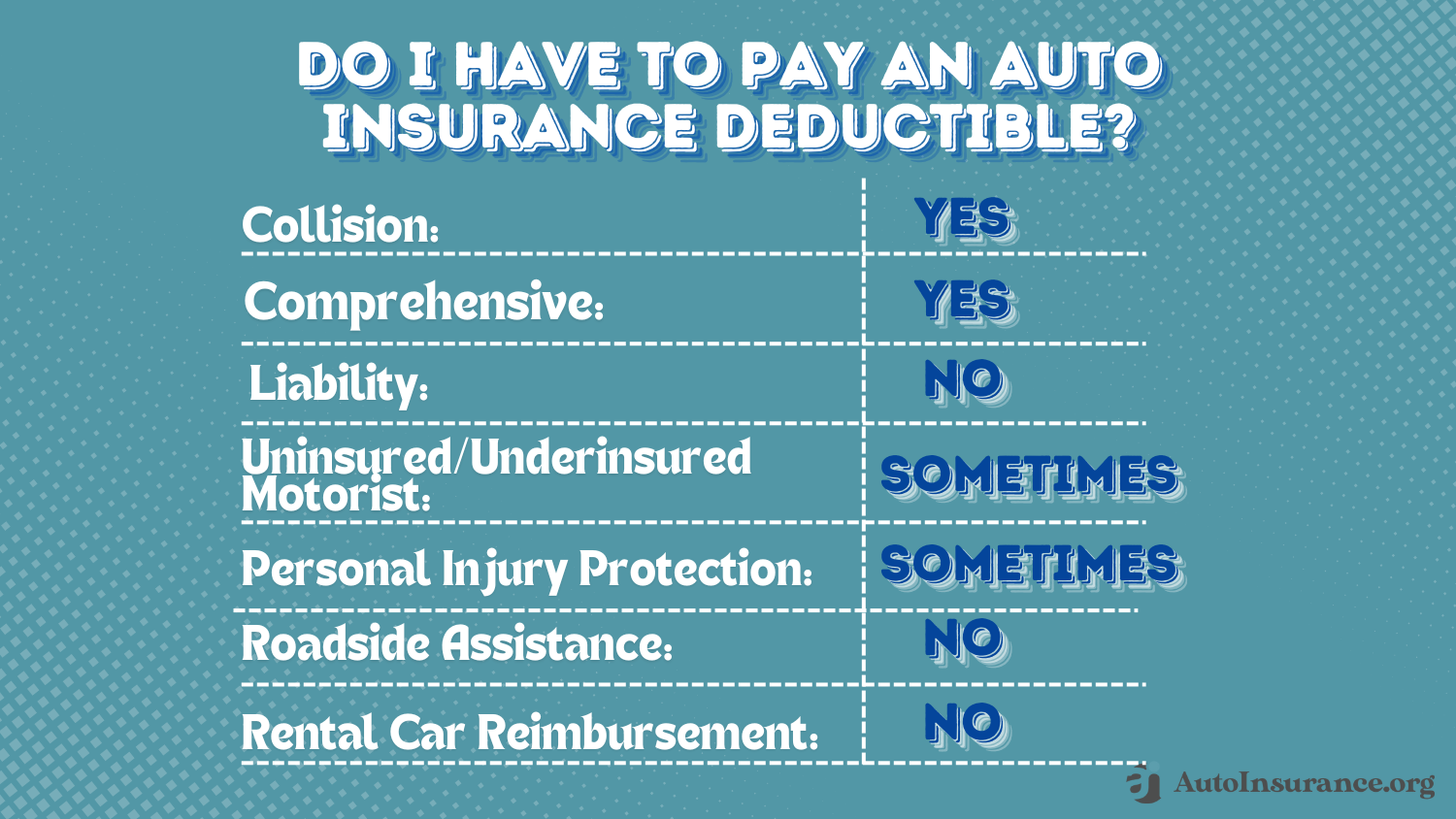
- Advanced Driver Assistance Systems (ADAS): While these features reduce accident frequency, they are expensive to calibrate. A transfer to a car with 2026-grade sensors may increase your comprehensive and collision premiums.
- Electric Vehicle (EV) Factors: If you are transferring from an internal combustion engine (ICE) vehicle to an EV, expect a premium shift. Battery replacement costs remain a major underwriting factor in 2026, often leading to higher premiums despite lower fuel costs.
Switching Carriers: The Financial Math of a Transfer
When people ask if an insurance transfer is "worth it," they are often asking if they should fire their current insurer and move to a competitor. In the competitive 2026 market, "shopper's loyalty" is often less rewarded than "new customer" discounts.
The "Loyalty Tax" vs. The "New Customer" Discount
Insurance companies often use algorithms that identify "price optimization." This means they may gradually increase rates for long-term customers who are unlikely to shop around.
- When it's worth it: If a competitor offers a rate that is 10–20% lower for identical coverage, the transfer is mathematically sound.
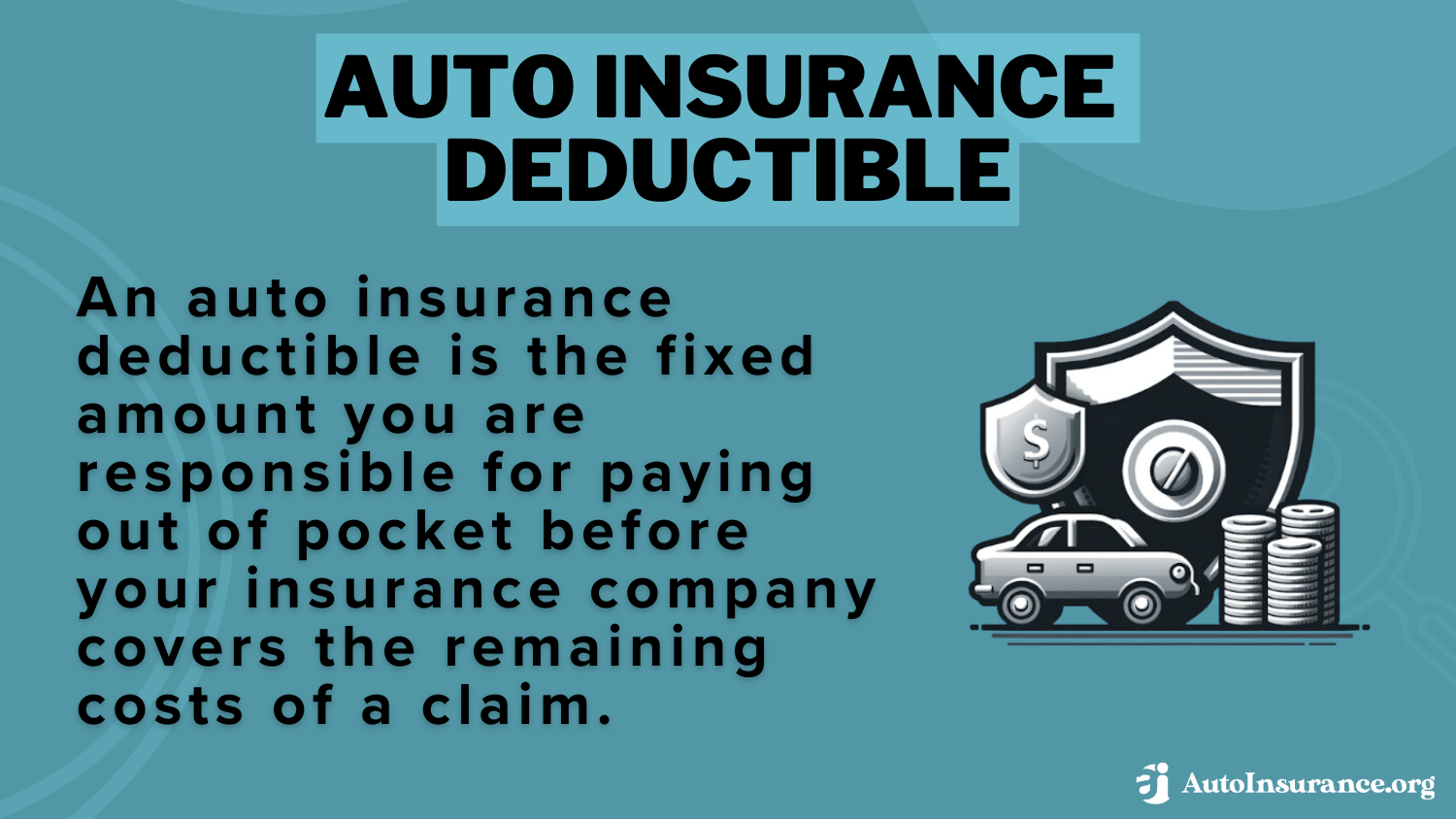
- When it's not: If you have a "vanishing deductible" or "accident forgiveness" earned over five years, transferring to a new carrier means resetting those clocks to zero. The immediate $10 monthly saving may not be worth losing a $500 deductible credit.
Telematics and Data Portability
By 2026, telematics (Usage-Based Insurance or UBI) has become the standard. A significant hurdle in "worth it" calculations is your driving data. If you have a high "driver score" with State Farm, that data doesn't always transfer seamlessly to Progressive or Geico. You may have to undergo a new 90-day monitoring period with the new carrier before their "good driver" discounts fully kick in.
Can You Transfer a Policy to a New Owner?
A common misconception is that you can transfer your insurance policy to the person who buys your used car. In almost all jurisdictions, this is not worth attempting because it is legally impossible.
Insurance is a personal contract based on the risk profile of the individual driver (credit score, driving record, age, location) and the vehicle. When you sell a car, the new owner must obtain their own insurance.
- Exception - Spousal Transfer: If a couple divorces or one spouse passes away, the "named insured" status can usually be transferred to the other spouse without a total policy rewrite.
- Exception - Estate Transfers: In 2026, most states allow a grace period where an estate can maintain a policy on a deceased person's vehicle until the probate process transfers the title to an heir.
Comprehensive Comparison: Transfer Scenarios
| Feature | Vehicle Substitution (Same Carrier) | Carrier Transfer (New Company) | Policy Assignment (New Owner) |
|---|---|---|---|
| Effort Level | Low (Phone call or app update) | Moderate (Comparison shopping) | N/A (Generally Prohibited) |
| Cost Impact | Adjusted based on car's value | Potential for 15%+ savings | No legal mechanism |
| Risk of Lapse | Very Low (Grace periods apply) | Moderate (Must align dates) | High (Illegal to attempt) |
| Loyalty Perks | Preserved | Lost (Reset to Year 1) | N/A |
| Telematics | Usually continues | Usually requires new monitoring | N/A |
Step-by-Step Guide: How to Execute a Worthwhile Transfer
If you have decided that a transfer is worth it, follow these steps to ensure you don't end up uninsured or overcharged.
1. Verify Your "Grace Period"
Before buying a new car, call your agent or check your policy's "Declarations Page." Confirm how many days of automatic coverage you have for a "replacement vehicle." Even if the dealer says you are covered, your specific policy dictates the terms.
2. Compare the "Apples-to-Apples" Coverage
When transferring to a new carrier, ensure the limits are identical. A lower premium is not "worth it" if you are moving from a $250,000 liability limit to a $50,000 state minimum. In 2026, with the rising cost of medical care and litigation, lowering your liability limits to save on a transfer is a high-risk move.
3. Check for "Short-Rate" Cancellation Fees
Some insurers charge a penalty if you cancel your policy mid-term to transfer to a competitor. This fee is often 10% of the remaining premium.
- Calculation: If you have $600 left on your six-month term, a $60 cancellation fee might wipe out the first three months of savings at your new company. In this case, it is better to schedule the transfer for the end of your current policy term.
4. Notify the Lienholder
If your car is financed or leased, the bank (lienholder) must be listed on the new policy. A failure to transfer this information correctly can result in "force-placed insurance," where the bank buys a very expensive policy on your behalf and adds it to your car loan.
5. Obtain the New "Binder" or ID Card
Never cancel your old policy until you have the "Binder" (temporary proof of insurance) from the new one. Ensure the effective date of the new policy is the same day (or the day before) the old policy ends to avoid even a one-hour gap.
Common Pitfalls and Mistakes to Avoid
- The "Double Coverage" Trap: Some drivers forget to cancel their old policy after transferring to a new carrier, resulting in two companies withdrawing premiums for the same car. While you can eventually get a refund, it can take weeks to process.
- Ignoring the VIN-Specific Surcharges: Every vehicle has a "ISO Symbol" or risk rating. Just because a car is "cheaper" to buy doesn't mean it's cheaper to insure. Always get a quote before the transfer is finalized.
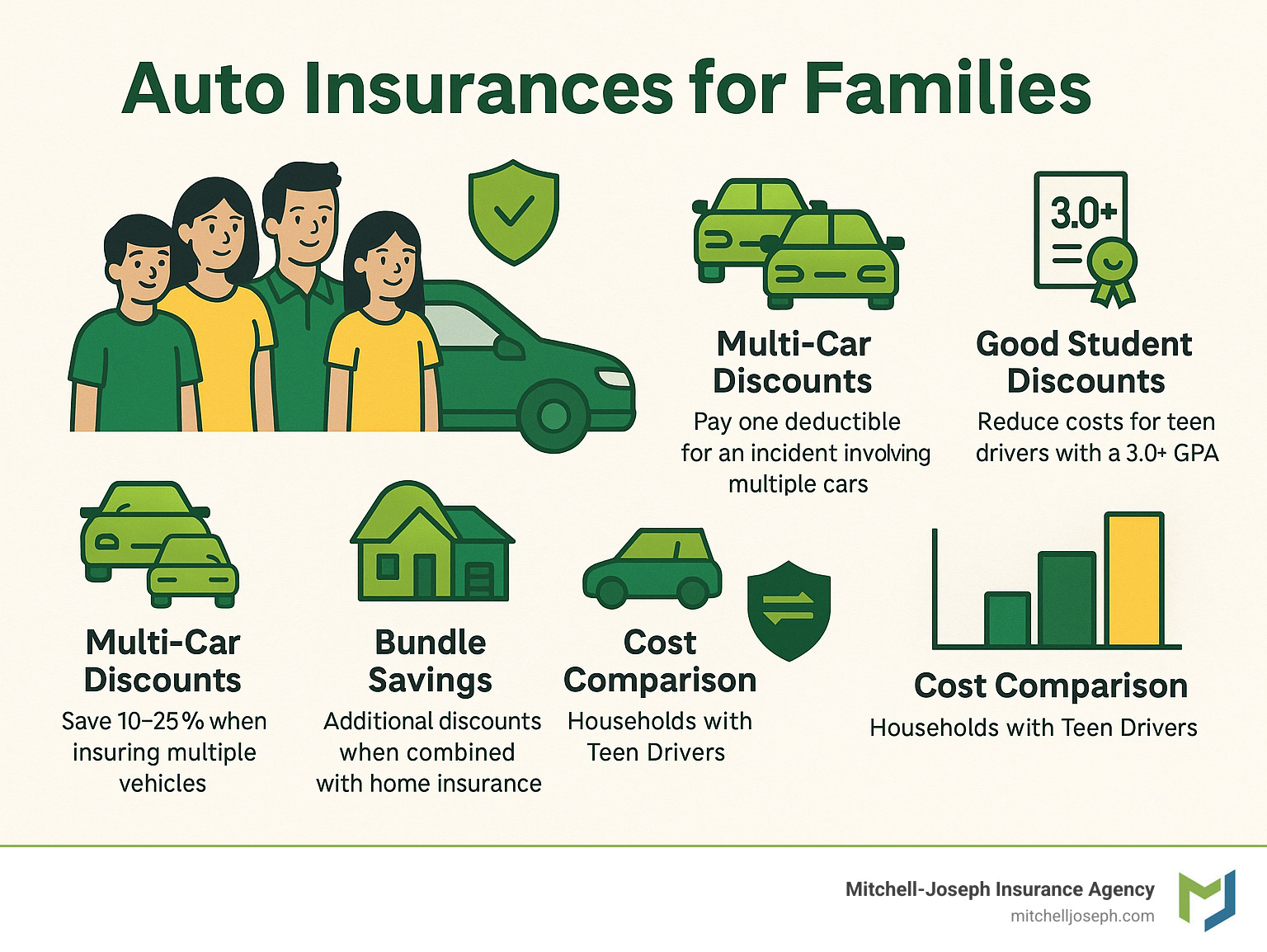
- Losing "Bundling" Discounts: If you transfer your auto insurance but keep your homeowners insurance with the original company, you will likely lose a 10–25% multi-policy discount on your home. Always calculate the total household insurance cost before a transfer.
Practical Recommendations for 2026
To maximize the value of an insurance transfer:
- Review every 12 months: The insurance market in 2026 is volatile. An insurer that was the cheapest last year may have adjusted their risk models this year.
- Use AI-driven comparison tools: Use verified platforms that can pull your current policy data directly via API. This ensures you are comparing identical coverage levels.
- Prioritize "Claims Reputation" over Price: A $100 saving on a transfer is not worth it if the new carrier has a poor 2026 rating for claims processing speed, especially as parts shortages can still lead to lengthy repair times.
External Resources for Verification
- National Association of Insurance Commissioners (NAIC) - Use this to check the complaint ratio of a company before transferring.
- Insurance Information Institute (III) - Provides data on average premium trends and the impact of vehicle technology on costs.
FAQ
1. Does transferring my insurance to a new car increase my rates? Not necessarily, but it usually does. The premium is recalculated based on the new car's safety features, repair costs, and theft rates. If you move from a 2018 sedan to a 2026 SUV, your rates will likely rise because the newer vehicle has more expensive components to replace, even if it is "safer."
2. Can I transfer my "No Claims Bonus" to a new insurance company? Yes. In 2026, most reputable insurers will honor your claim-free years from a previous carrier. You will usually need to provide a "Letter of Experience" or your previous policy's declarations page to prove your history and secure the discount.
3. Is there a fee to transfer my policy to a different car? Most insurers do not charge an administrative "transfer fee." However, there will be a "pro-rata" adjustment to your premium. If the new car is more expensive to insure, you will have to pay the difference for the remainder of the policy term immediately or through increased monthly installments.
4. How long does a vehicle insurance transfer take? The process is nearly instantaneous. If you use a mobile app, a transfer can be completed in under five minutes. If you call an agent, it takes as long as the phone call. The most important part is having the VIN and odometer reading ready.
5. Will my credit score affect a carrier transfer? In many states, yes. When you transfer to a new company, they will run a fresh "Insurance Score" (based on your credit). If your credit has improved since you started your old policy, a transfer could save you a significant amount of money. Conversely, if your credit has dropped, staying with your current carrier might be the better financial move.
6. What happens to my "Gap Insurance" during a transfer? If you have Gap insurance through your carrier, it is tied to the specific vehicle loan. When you transfer to a new car, you must ensure the new policy also includes a Gap endorsement if your new loan exceeds the car's value. Gap insurance does not automatically "follow" you to a new vehicle if the loan structure is different.