Yes, B cells and T cells are the primary types of lymphocytes, a specific category of white blood cells essential to the vertebrate immune system. They are the cornerstone of adaptive immunity, providing the body with the ability to recognize specific pathogens and "remember" them for future protection.
To understand the human body’s defense mechanisms, one must first recognize the hierarchy of the immune system. At the highest level, the immune system is divided into innate (nonspecific) and adaptive (specific) responses. While the innate system provides an immediate, generalized defense, the adaptive system relies on highly specialized cells to target unique threats. As of 2026, our understanding of these cells has reached a molecular level that allows for precision medicine, but the foundational question remains: what exactly makes a lymphocyte a B cell or a T cell?
Defining the Lymphocyte: The Origin of B and T Cells
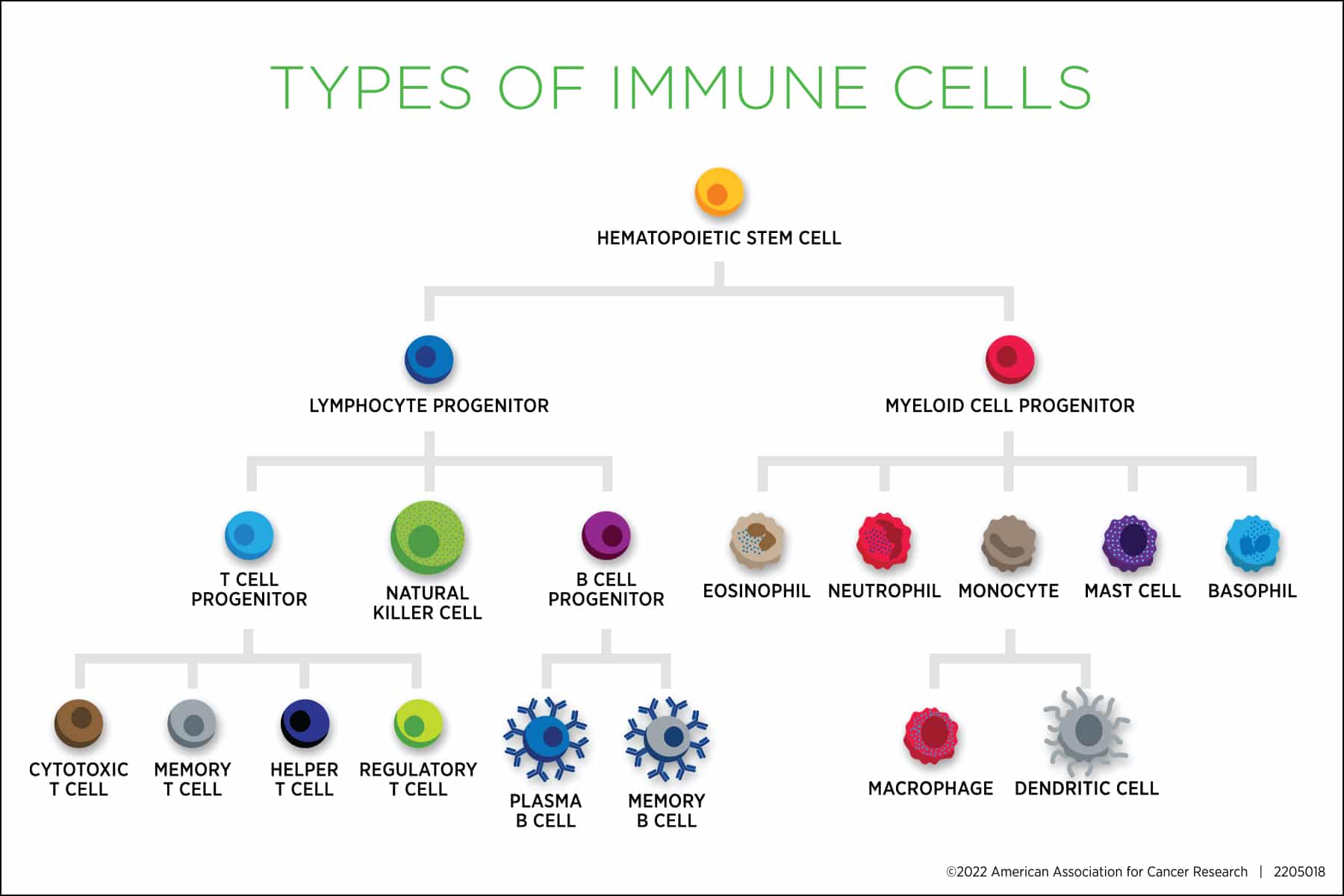
Lymphocytes are a subtype of leukocytes (white blood cells) that originate from multipotent hematopoietic stem cells in the bone marrow. Although they all share a common ancestry, they diverge into distinct lineages based on where they mature and the types of receptors they develop. In a healthy adult, lymphocytes typically constitute 20% to 40% of the total white blood cell count.
The term "lymphocyte" encompasses three main types of cells:
- B Lymphocytes (B cells)
- T Lymphocytes (T cells)
- Natural Killer (NK) cells
While NK cells are part of the innate immune system, B and T cells are the definitive "special forces" of the adaptive immune system. Their defining characteristic is the presence of antigen-specific receptors on their surface, which allow them to identify almost any foreign molecule with extreme precision.
The Site of Maturation
The primary distinction between B and T cells begins with where they "graduate" or mature.
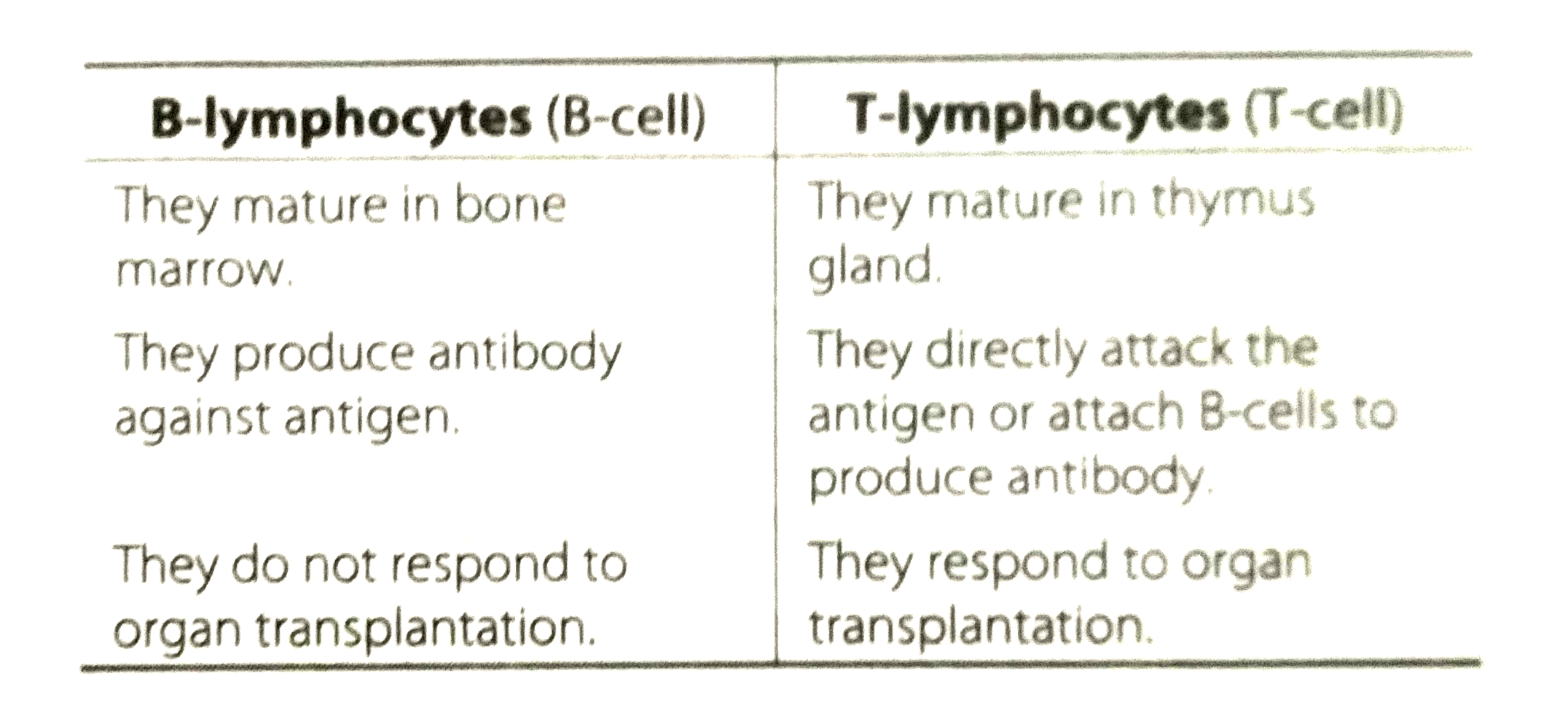
- B cells undergo their entire early developmental process within the bone marrow. This is where they rearrange their genetic material to create unique B-cell receptors (BCRs).
- T cells begin their life in the bone marrow but migrate to the thymus—a small organ located behind the breastbone—to mature. It is in the thymus that they develop T-cell receptors (TCRs) and undergo rigorous "selection" processes to ensure they do not attack the body’s own tissues.
B Cells: The Masters of Humoral Immunity
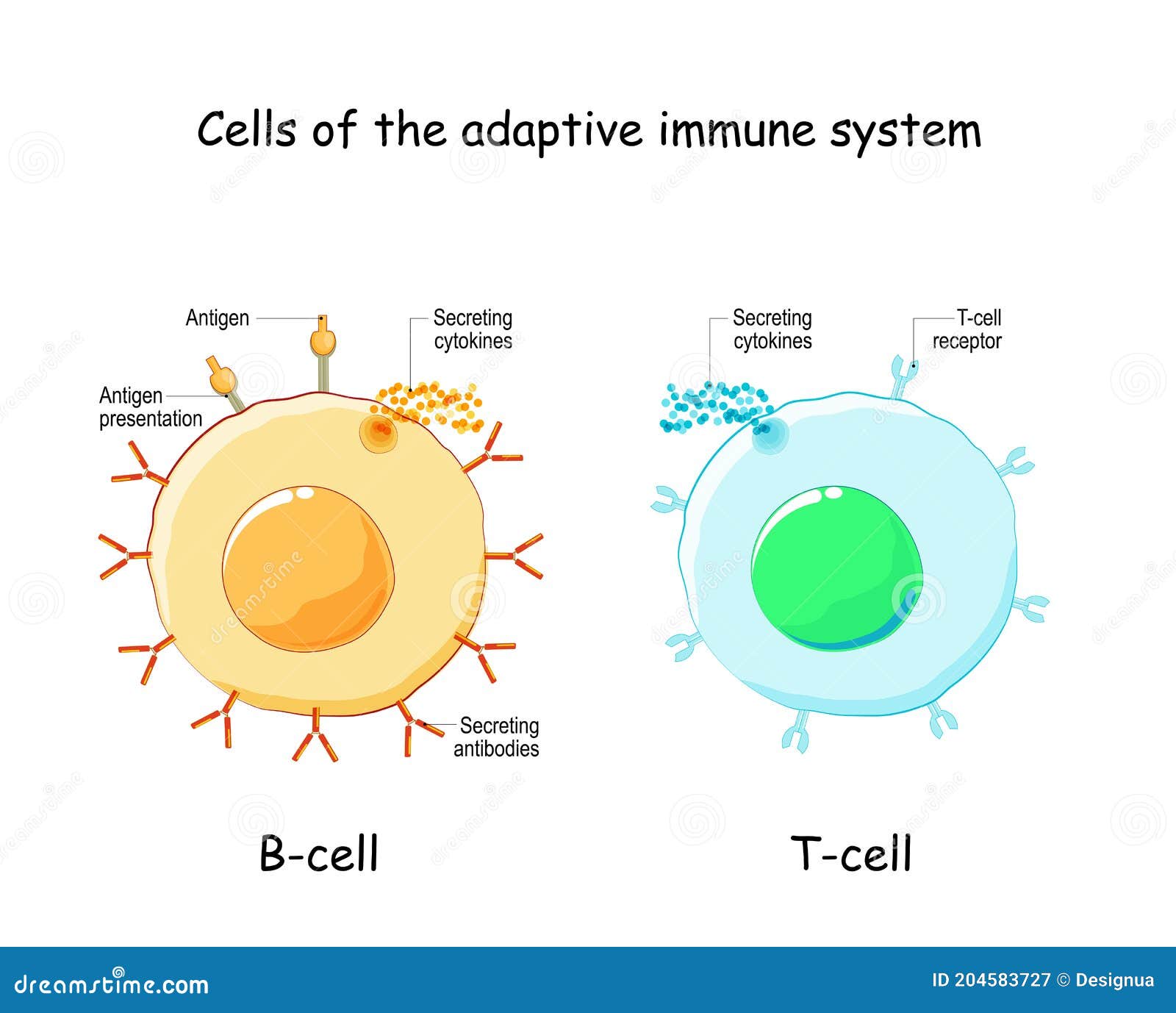
B cells are responsible for what scientists call "humoral immunity," a term derived from the word "humor," meaning body fluids. Their primary role is to produce and secrete antibodies (immunoglobulins) into the blood and lymph. These antibodies act as specialized "tags" that seek out and neutralize pathogens like bacteria and viruses.
Activation and the Plasma Cell
When a naive B cell—one that has not yet encountered an antigen—finds a matching foreign molecule, it becomes activated. Usually, this process requires a "second opinion" from a Helper T cell to prevent accidental activation. Once activated, the B cell undergoes rapid clonal expansion, creating thousands of copies of itself. These copies differentiate into two main types:
- Plasma Cells: These are antibody factories. A single plasma cell can secrete thousands of antibody molecules per second. These antibodies circulate throughout the body, binding to pathogens to neutralize them directly or marking them for destruction by other immune cells like macrophages.
- Memory B Cells: Unlike plasma cells, which die off after the infection is cleared, memory B cells persist for years or even decades. If the same pathogen enters the body again, these cells recognize it instantly and mount a massive, rapid response, which is why you usually don't get the same cold or viral strain twice.
The B-Cell Receptor (BCR)
The BCR is essentially a membrane-bound version of the antibody the cell is programmed to produce. Through a complex genetic process called V(D)J recombination, the body can generate billions of different B cells, each with a unique BCR. This ensures that no matter what new virus or bacteria evolves, the body likely has at least one B cell capable of recognizing it.
T Cells: The Architects of Cell-Mediated Immunity
T cells do not produce antibodies. Instead, they provide "cell-mediated immunity," which involves direct cellular interaction to destroy infected or cancerous cells and to coordinate the broader immune response. T cells only recognize antigens that are "presented" to them on the surface of other cells via molecules called Major Histocompatibility Complex (MHC).
Functional Subsets of T Cells
T cells are categorized into several specialized groups, each defined by the markers on their surface and their specific duties:
- Helper T Cells (CD4+): Often called the "generals" of the immune system, these cells do not kill pathogens directly. Instead, they release signaling proteins called cytokines that activate B cells to make antibodies and Cytotoxic T cells to kill infected cells. They are the primary targets of the HIV virus, which is why the loss of these cells is so devastating to the immune system.
- Cytotoxic T Cells (CD8+): These are the "assassins." They scan the body’s cells for signs of infection or malignancy. If they find a cell displaying foreign antigens on MHC Class I molecules, they release perforins and granzymes to trigger apoptosis (programmed cell death), destroying the "factory" where viruses are replicating.
- Regulatory T Cells (Tregs): These cells act as the "brakes." Once an infection is cleared, Tregs suppress the immune response to prevent chronic inflammation and ensure the system doesn't turn against the body's healthy tissues (autoimmunity).
- Memory T Cells: Similar to memory B cells, these remain in the body long-term to provide rapid protection upon re-exposure to a pathogen.
Comparing B and T Lymphocytes
The following table summarizes the fundamental differences and similarities between these two critical lymphocyte populations as understood in 2026 clinical practice.
| Feature | B Lymphocytes (B Cells) | T Lymphocytes (T Cells) |
|---|---|---|
| Site of Origin | Bone Marrow | Bone Marrow |
| Site of Maturation | Bone Marrow | Thymus |
| Type of Immunity | Humoral (Antibody-mediated) | Cell-mediated |
| Surface Receptor | B-Cell Receptor (BCR/Antibody) | T-Cell Receptor (TCR) |
| Antigen Recognition | Recognizes free-floating antigens | Recognizes antigens presented on MHC |
| Secretory Product | Antibodies (Immunoglobulins) | Cytokines (Helper T) or Cytotoxins (Killer T) |
| Primary Targets | Extracellular pathogens (Bacteria, toxins) | Intracellular pathogens (Viruses, cancer cells) |
| Memory Cells | Yes | Yes |
How B and T Cells Collaborate
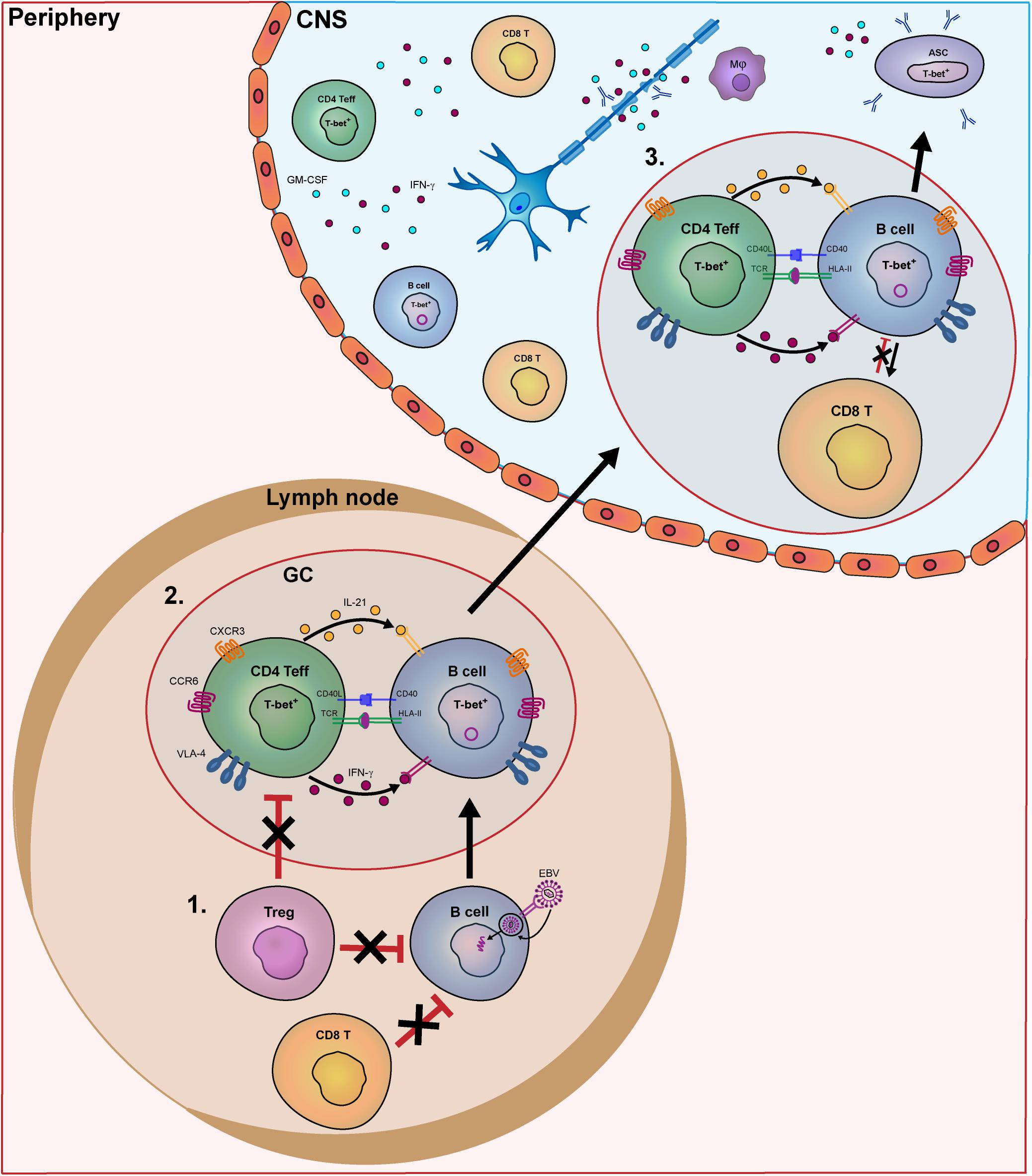
While B and T cells have different jobs, they are not independent. Their interaction is a marvel of biological engineering. When a macrophage or dendritic cell (part of the innate system) eats a pathogen, it displays pieces of that pathogen on its surface. A Helper T cell recognizes this display and becomes activated.
Simultaneously, a B cell may have encountered the same pathogen. The activated Helper T cell then finds that specific B cell and provides the necessary chemical signals (cytokines) to tell the B cell to start multiplying and producing antibodies. This "double-check" system ensures the body does not launch a massive, energy-expensive immune response unless it is absolutely necessary.
By 2026, research into this collaboration has led to better "adjuvants" in vaccines—substances that help stimulate this T-B cell interaction to create stronger, longer-lasting immunity from a single dose.
Clinical Significance: When Lymphocytes Fail
The balance of B and T cell activity is delicate. When this balance is disrupted, several health conditions can arise:
- Immunodeficiency: If a person lacks functional B or T cells, they become highly susceptible to infections. Common Variable Immunodeficiency (CVID) primarily affects B cell function, leading to low antibody levels. Severe Combined Immunodeficiency (SCID), often called "bubble boy disease," involves the absence of both B and T cells.
- Autoimmunity: If T cells are not properly "educated" in the thymus, they may fail to distinguish between "self" and "non-self." This leads to diseases like Type 1 Diabetes (where T cells attack insulin-producing cells) or Rheumatoid Arthritis.
- Lymphoma and Leukemia: These are cancers of the lymphocytes. B-cell lymphomas are the most common, where B cells begin to divide uncontrollably. Chronic Lymphocytic Leukemia (CLL) is a frequent diagnosis in older adults involving the overproduction of dysfunctional B cells.
- Hypersensitivity: Allergies are essentially a B-cell mistake, where the body produces IgE antibodies against harmless substances like pollen or peanuts.
Advancements in 2026: Harnessing Lymphocytes
In the current medical landscape of 2026, we are no longer just studying lymphocytes; we are engineering them. CAR-T cell therapy (Chimeric Antigen Receptor T-cell therapy) has revolutionized oncology. In this process, a patient’s own T cells are extracted, genetically modified in a lab to recognize a specific protein on their cancer cells, and then infused back into the body.
Furthermore, new mRNA-based "instructive" therapies are being used to "re-train" B cells in patients with autoimmune diseases, teaching them to stop producing harmful auto-antibodies. Our ability to distinguish between the fine-grained subsets of B and T cells through high-resolution flow cytometry and single-cell RNA sequencing has turned the question "Are B and T cells lymphocytes?" from a basic definition into a gateway for personalized genomic medicine.
Frequently Asked Questions
Are Natural Killer (NK) cells also lymphocytes?
Yes, Natural Killer cells are lymphocytes, but they belong to the innate immune system rather than the adaptive immune system. Unlike B and T cells, NK cells do not have antigen-specific receptors and do not create memory. Instead, they provide a fast, generalized response to virally infected cells and tumor cells by detecting the absence of "self" markers.
Can you live without B or T cells?
It is extremely difficult to survive without these cells without significant medical intervention. People with SCID (Severe Combined Immunodeficiency) lack both B and T cells and must live in sterile environments or undergo a bone marrow transplant to survive. Lack of T cells, in particular, is life-threatening because the entire adaptive immune response collapses without Helper T cell coordination.
How do doctors measure B and T cell levels?
Doctors use a test called a flow cytometry or a "lymphocyte subset panel." This blood test uses fluorescent dyes and lasers to count specific markers on the surface of the cells (such as CD3 for T cells, CD19 or CD20 for B cells, and CD4/CD8 for T cell subsets). This is standard procedure for monitoring patients with HIV, primary immunodeficiencies, or those undergoing chemotherapy.
What is the normal ratio of B cells to T cells?
In a healthy adult, T cells usually make up the majority of blood lymphocytes, roughly 60% to 80%. B cells typically account for 10% to 20%, and NK cells make up the remainder. These ratios can shift significantly during an active infection or in the presence of certain chronic diseases.
Does the body ever run out of B and T cells?
The body continuously produces new lymphocytes in the bone marrow throughout life, though the thymus (where T cells mature) begins to shrink and become less active after puberty—a process called thymic involution. This is why older adults may have a harder time mounting a response to new pathogens compared to children, though their "memory" cells for previous infections remain active.
Summary and Next Steps
B and T cells are indeed lymphocytes, representing the sophisticated "memory" and "precision" of the human immune system. While they share a common origin, their specialized paths in the bone marrow and thymus allow the body to fight infections on two fronts: through the production of circulating antibodies (B cells) and through direct cellular combat and coordination (T cells).
If you are concerned about your immune health—perhaps due to frequent infections or a family history of autoimmune disorders—consulting with an immunologist is the best next step. They can order a complete blood count (CBC) with differential or a lymphocyte subset panel to verify that your B and T cell populations are within healthy ranges and functioning correctly. Understanding these cells is more than a biological exercise; it is the key to understanding how your body defends its very existence.
For further information on immune health and the roles of different white blood cells, the National Institutes of Health (NIH) and the Centers for Disease Control and Prevention (CDC) provide extensive resources on immunology and blood disorders.