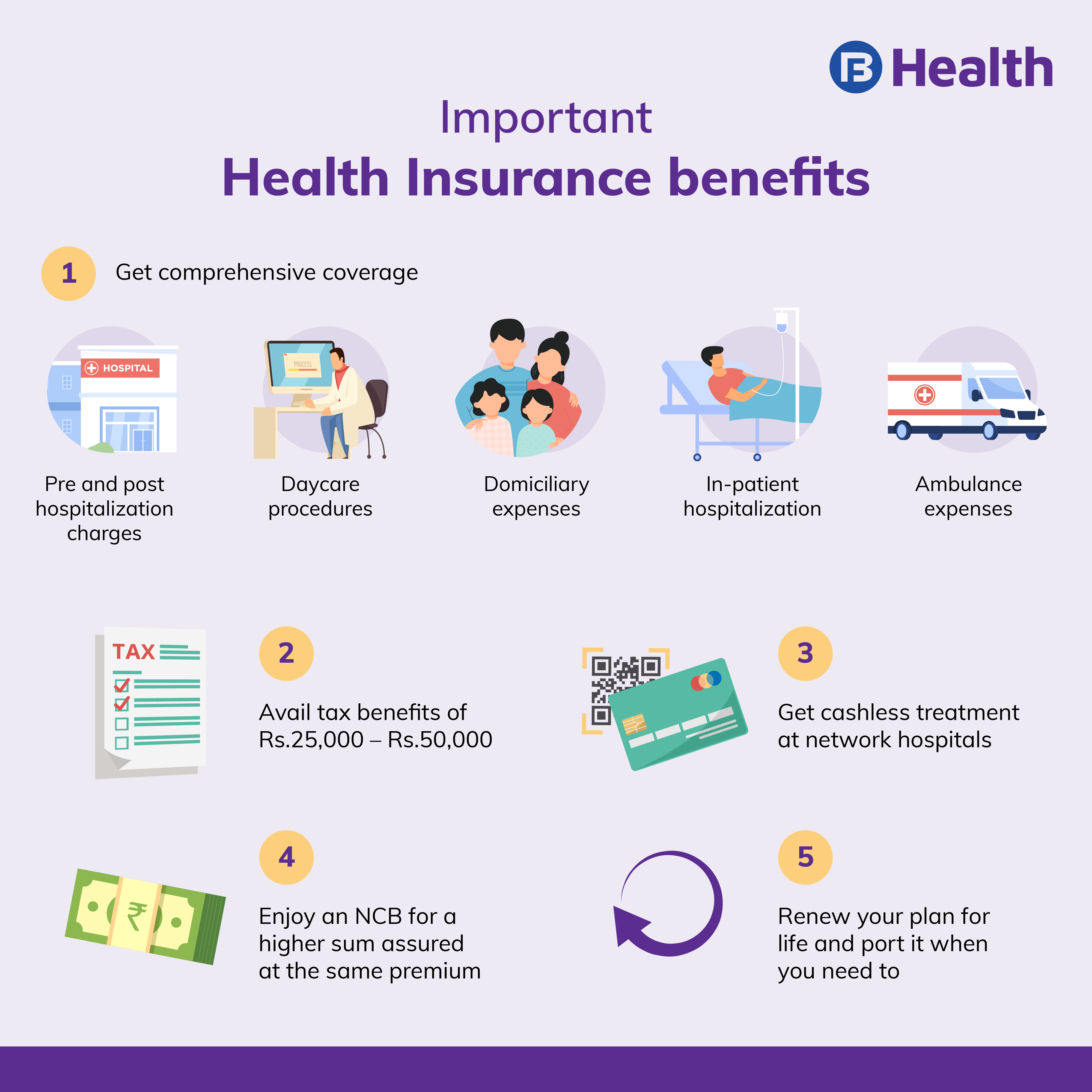
ASRS medical insurance provides comprehensive health coverage for retired and disabled members of the Arizona State Retirement System and their eligible dependents. The program offers a variety of group medical and dental plans, often featuring a monthly premium subsidy known as the Health Insurance Premium Benefit, which scales based on your years of service.
Navigating the transition from active employment to retirement requires a firm grasp of how health benefits evolve. For members of the Arizona State Retirement System (ASRS), medical insurance is not a single "policy" but a suite of options designed to bridge the gap between early retirement and Medicare eligibility, while also providing robust supplemental coverage for those aged 65 and older. As we move through the 2026 plan year, understanding the nuances of these offerings is essential for maintaining both physical health and financial stability during your retirement years.
Understanding the ASRS Health Insurance Framework
The Arizona State Retirement System does not function as an insurance company. Instead, it acts as a large-scale purchaser of group insurance plans. By leveraging the collective bargaining power of hundreds of thousands of members, ASRS negotiates competitive rates and comprehensive coverage details with major carriers, most notably UnitedHealthcare (UHC).
The ASRS medical insurance program is specifically designed for three groups of people:
- Retirees: Individuals who have officially retired and are receiving a monthly pension from ASRS.
- Disabled Members: Individuals receiving Long-Term Disability (LTD) benefits through the ASRS program.
- Survivors: Eligible beneficiaries of deceased ASRS members who were either retired or active at the time of death.
For these individuals, ASRS provides a centralized marketplace where they can select medical and dental plans that fit their specific needs. These plans are categorized primarily by the member’s Medicare status, which dictates the type of coverage available and the total monthly cost.
The Two Primary Plan Categories
The most significant fork in the road for any ASRS member is their Medicare eligibility. The system separates its offerings into two distinct "buckets" to ensure that members are receiving the most cost-effective care relative to federal benefits.
Non-Medicare Plans
Non-Medicare plans are intended for "early retirees"—those who have retired before the age of 65—and their dependents who are not yet eligible for Medicare. In 2026, these plans function similarly to the employer-sponsored insurance you likely held during your working years. They typically involve a network of providers (HMO or PPO), copayments for office visits, and a deductible that must be met before the insurance pays a higher percentage of costs.
Because these members do not have Medicare as a primary payer, the premiums for Non-Medicare plans are significantly higher than Medicare-integrated plans. However, ASRS offers different tiers (such as the Choice and Choice Plus plans) to allow members to balance higher premiums against lower out-of-pocket costs.
Medicare-Integrated Plans
Once a member or their dependent reaches age 65 (or otherwise qualifies for Medicare due to disability), they must transition to a Medicare-integrated plan to maintain ASRS health benefits. These are typically Medicare Advantage (Part C) plans.
In these arrangements, the private insurer (UHC) coordinates with Medicare to provide a "one-card" system. The plan covers everything Medicare Part A and Part B cover, usually adds Prescription Drug Coverage (Part D), and includes extra benefits like vision or hearing exams that standard Medicare does not provide. These plans are highly popular because the premiums are substantially lower, as the federal government subsidizes a large portion of the cost.
The Health Insurance Premium Benefit (HIPB)
One of the most valuable aspects of the ASRS medical insurance system is the Health Insurance Premium Benefit. This is a monthly subsidy paid by ASRS directly to the insurance carrier (or to the member’s employer if they are using a non-ASRS plan) to reduce the out-of-pocket cost of medical and dental premiums.
The amount of this benefit is not a flat rate; it is determined by a formula that considers three factors:
- Years of Service: The more years you worked and contributed to ASRS, the higher your subsidy. Usually, a minimum of 10 years of service is required to qualify for any portion of the benefit.
- Coverage Tier: Whether you are insuring only yourself (Single) or yourself and a spouse or children (Family).
- Medicare Status: The subsidy amounts differ based on whether the individuals covered are Medicare-eligible or not.
In 2026, the maximum monthly premium benefit for a single member with 20 or more years of service can significantly offset the cost of a Medicare Advantage plan, sometimes bringing the net premium close to zero. Conversely, for early retirees with 10 years of service, the subsidy covers a smaller percentage of the much higher Non-Medicare premiums.
Eligibility and Enrollment Timelines
To enroll in ASRS medical insurance, you must meet specific "trigger" events. You cannot simply join the plan at any time during the year without a valid reason.
Initial Retirement Enrollment
When you first retire and begin receiving your ASRS pension, you have a 31-day window to enroll in health and dental insurance. This is your primary opportunity to secure coverage. If you miss this window, you must wait until the next Open Enrollment period or experience a Qualifying Life Event.
Open Enrollment
ASRS typically holds an Open Enrollment period once a year (usually in the autumn for a January 1st effective date). During this time, current retirees can switch plans, add or drop dependents, or join the system if they previously waived coverage. In 2026, it is vital to review the new plan summaries during this window, as provider networks and drug formularies can change annually.
Qualifying Life Events (QLE)
Life happens, and ASRS allows for mid-year enrollment if you experience a specific change in circumstances. Common QLEs include:
- Loss of other credible health coverage (e.g., your spouse retires or loses their job).
- Marriage or divorce.
- The birth or adoption of a child.
- Moving out of a plan’s service area.
- Becoming eligible for Medicare (turning 65).
2026 Plan Comparison: A Snapshot
The following table provides a generalized comparison of the types of plans offered through ASRS in 2026. Note that specific dollar amounts for deductibles and copays are subject to the specific contract chosen during enrollment.
| Feature | Non-Medicare Choice (HMO/PPO) | Medicare Advantage (PPO) |
|---|---|---|
| Primary Payer | ASRS/UHC | Medicare |
| Network Requirement | Strict (HMO) or Flexible (PPO) | Very Flexible (Access to any Medicare provider) |
| Monthly Premium | High (Primary Coverage) | Low (Supplemental Coverage) |
| Prescription Drugs | Included (Commercial Formulary) | Included (Part D Formulary) |
| Deductible | Usually applies to most services | Often $0 or very low |
| Premium Benefit | Eligible for maximum subsidy | Eligible for Medicare-rate subsidy |
| Vision/Hearing | Limited coverage | Enhanced wellness benefits often included |
Coordination with Medicare Part A and Part B
For members turning 65, the transition to ASRS Medicare-integrated plans requires proactive steps. ASRS requires that you be enrolled in Medicare Part B to participate in their Medicare Advantage plans.
While Medicare Part A (Hospital Insurance) is free for most people who have worked at least 10 years, Medicare Part B (Medical Insurance) requires a monthly premium paid to the Social Security Administration. You must continue to pay your Part B premium to the government to keep your ASRS medical insurance active. If you lose Part B coverage, ASRS is legally required to terminate your Medicare Advantage enrollment, which could leave you without supplemental health coverage.
Dental and Vision Coverage Options
While medical insurance is the priority for most, ASRS also offers optional dental and vision plans.
- Dental: ASRS provides both PPO and DHMO dental options. The PPO allows you to see any dentist (with higher benefits for in-network providers), while the DHMO requires you to select a primary care dentist and generally has lower premiums.
- Vision: While some medical plans include basic vision exams, ASRS offers standalone vision insurance that provides deeper discounts on frames, lenses, and contact lenses. Unlike the medical insurance, the Premium Benefit subsidy generally does not apply to standalone dental or vision premiums, meaning you pay the full group rate for these additions.
Common Pitfalls and Troubleshooting
The complexity of state retirement benefits often leads to avoidable errors. Here are the most frequent issues members face:
- Missing the 31-Day Window: Many retirees assume they can "think about it" for a few months after retirement. If you don't enroll within 31 days of your retirement date, you are locked out until the next year's Open Enrollment.
- Network Confusion: Members in the Non-Medicare "Choice" plans sometimes visit providers outside the narrow network, leading to massive out-of-pocket bills. Always verify your doctor’s status specifically for the ASRS group plan, not just "UnitedHealthcare" generally.
- The "Dual Coverage" Trap: If you are covered by a spouse's active employer plan and an ASRS plan simultaneously, "Coordination of Benefits" rules apply. This can be complex and sometimes results in neither plan paying as much as you expect.
- Forgetting the Subsidy Form: If you choose a non-ASRS plan (like a plan through a former employer), you must submit a specific "Health Insurance Premium Benefit" form to ASRS to receive your monthly subsidy. It is not automatic for outside plans.
Practical Recommendations for 2026
If you are currently navigating ASRS medical insurance decisions, your first step should be to log in to your myASRS account on the official Arizona State Retirement System website. The "Insurance" tab provides a personalized look at the premiums and the exact subsidy amount you are eligible for based on your specific years of credited service.
For those approaching age 65, begin the Medicare enrollment process at least three months before your birth month. This ensures your Medicare Part B is active the moment your ASRS Medicare Advantage plan is set to begin, preventing any "gap" in coverage that could lead to financial liability for medical expenses. Finally, attend an ASRS "Retiring Next Steps" webinar or seminar. These sessions, updated for 2026, provide a live environment to ask specific questions about the interplay between your pension and your health benefits.
Frequently Asked Questions
Can I keep my ASRS medical insurance if I move out of Arizona?
Yes. ASRS offers plans with national networks (such as the UnitedHealthcare Choice Plus or the Medicare Advantage PPO). These plans allow you to see providers across the United States. However, if you are in a localized HMO plan, you must switch to a national PPO plan during a Qualifying Life Event (moving) to maintain coverage.
Does the ASRS Premium Benefit cover my spouse?
The Premium Benefit can be applied to your spouse's premium if they are enrolled as a dependent on your ASRS plan. The total amount of the subsidy increases when you add a dependent, though the subsidy rarely covers the entire cost of a second person, especially in Non-Medicare plans.
What happens to my medical insurance if I go back to work?
If you return to work for an ASRS-affiliated employer and meet the "20/20" criteria (working 20 or more hours per week for 20 or more weeks), you may be required to resume active member contributions. This can impact your retirement status and your health insurance eligibility. It is vital to consult with ASRS before accepting a post-retirement position with a state or local government entity.
Are prescription drugs covered under ASRS medical insurance?
Yes, all current ASRS medical plans in 2026 include prescription drug coverage. For Non-Medicare members, this is a standard commercial pharmacy benefit. For Medicare-eligible members, the drug coverage is integrated into the Medicare Advantage plan as a Part D equivalent, meaning you do not need to purchase a separate "stand-alone" Part D plan.
Can I change my medical plan in the middle of the year?
Generally, no. You can only change your plan during the annual Open Enrollment period. The only exception is if you experience a Qualifying Life Event, such as moving to a new state, getting married, or becoming eligible for Medicare.