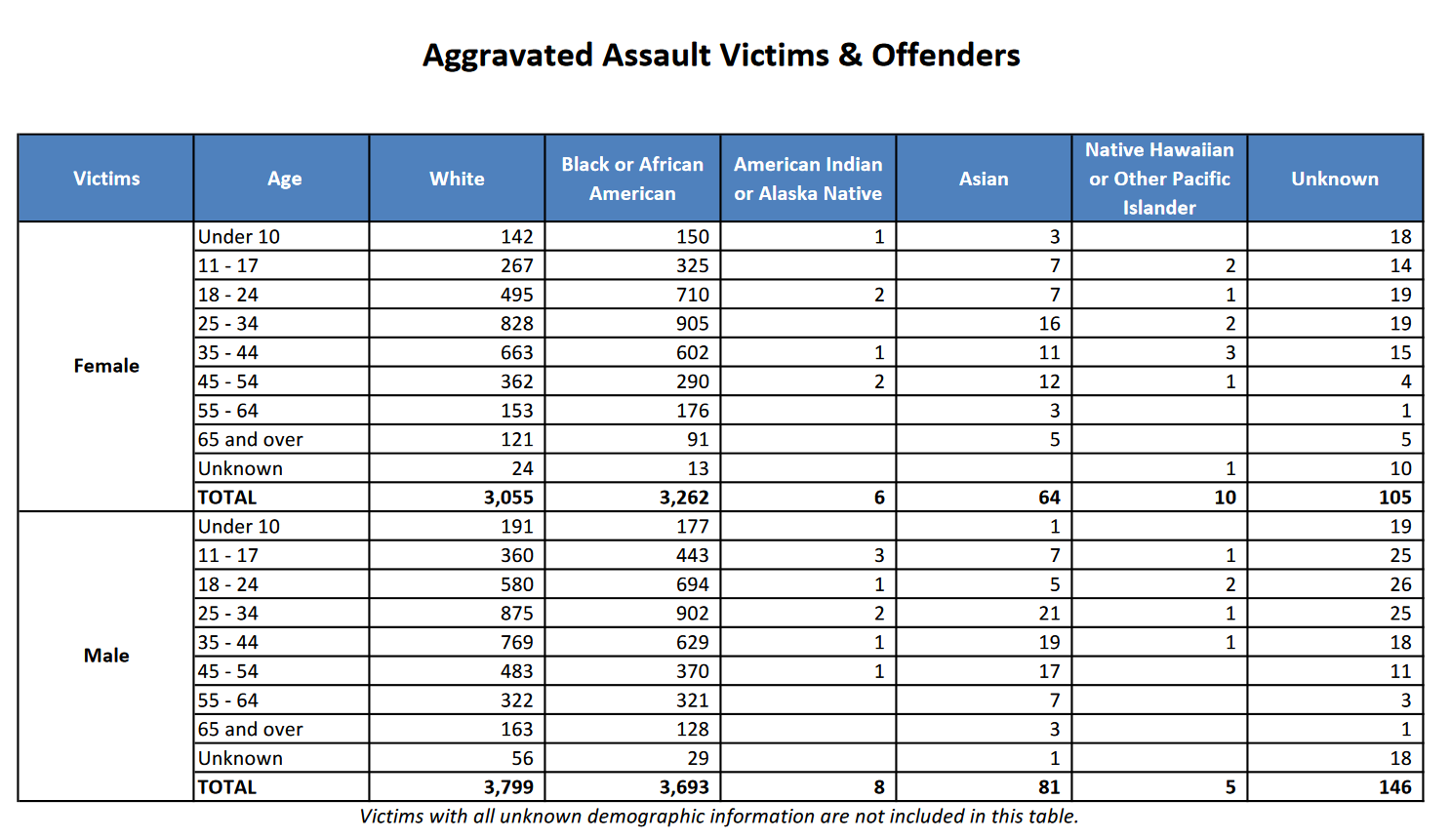
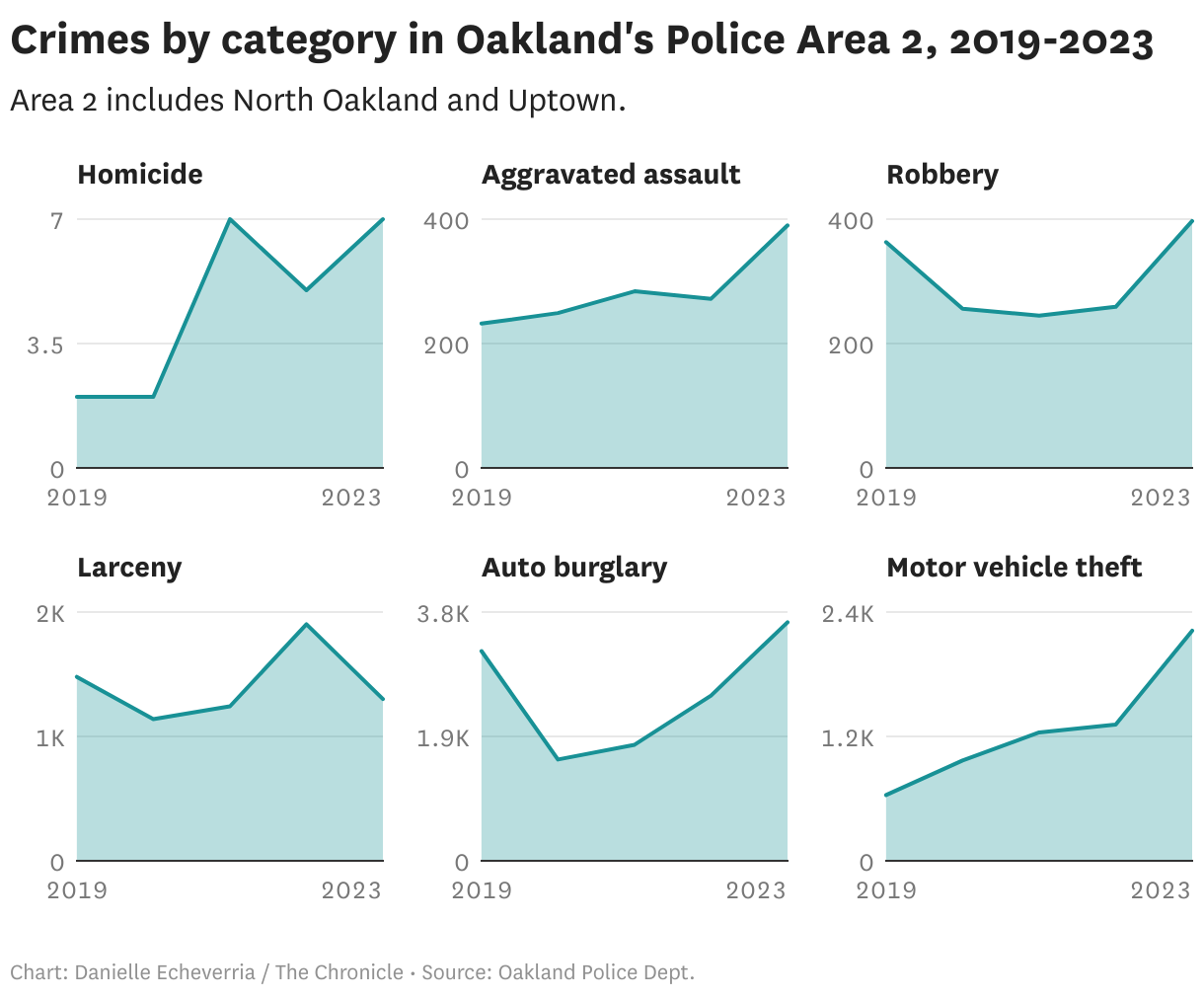
Current assault crime trends in 2026 indicate a stabilization of aggravated assault rates following the volatility of the early 2020s. Enforcement strategies have evolved to prioritize data-driven "hot-spot" policing and the integration of advanced digital forensics. While simple assault reports remain high, law enforcement agencies are increasingly utilizing specialized units and community-based intervention programs to address root causes and reduce recidivism.
Understanding the Legal Framework of Assault
To analyze trends and enforcement effectively, one must first distinguish between the various legal classifications of assault. In the United States and many other common law jurisdictions, "assault" is often used as an umbrella term, but it technically refers to the threat or attempt of force, whereas "battery" refers to the actual physical contact. However, by 2026, most state statutes have merged these definitions or categorized them by the severity of the act and the intent of the perpetrator.
Simple Assault vs. Aggravated Assault
Simple assault generally involves the attempt to cause, or the actual causing of, minor physical injury without the use of a deadly weapon. It is typically classified as a misdemeanor. These incidents often stem from immediate interpersonal conflicts, such as domestic disputes or altercations in public spaces. Because simple assault often goes underreported or is handled through citations rather than custodial arrests, tracking its true frequency requires looking at both police reports and victim surveys, such as the National Crime Victimization Survey (NCVS).
Aggravated assault is a far more serious felony-level offense. It is defined by the presence of an intent to cause "serious bodily injury" or the use of a deadly weapon. By 2026, the FBI’s National Incident-Based Reporting System (NIBRS) has become the gold standard for tracking these crimes, providing granular data on weapon types, relationship between victim and offender, and the location of the incident. The distinction is vital for enforcement because aggravated assault serves as a primary indicator of violent crime health within a community.
The Role of Intent and "Mens Rea"
Enforcement and prosecution rely heavily on proving the perpetrator's state of mind, or mens rea. In 2026, legal standards generally require proving that an individual acted purposefully, knowingly, or with extreme recklessness. Jurisdictions have increasingly refined these definitions to account for modern scenarios, such as "assault by light" (using high-intensity lasers) or digital harassment that leads to physical harm, though physical assault remains the core focus of most violent crime enforcement units.
National and Regional Trends: 2020–2026
The trajectory of assault crimes over the last six years reveals a period of significant fluctuation followed by a modern "cooling" period. Understanding these shifts requires looking back at the socioeconomic disruptions of the early 2020s and the subsequent policy adjustments that led to the 2026 landscape.
The Post-Pandemic Spike and Correction
Between 2020 and 2022, many urban centers across the United States experienced a sharp rise in aggravated assaults. Researchers attribute this to several factors: decreased social services, the economic strain of the COVID-19 pandemic, and a temporary reduction in proactive policing during periods of civil unrest. However, starting in late 2023 and continuing through 2025, rates began to plateau.
As of 2026, data suggests that aggravated assault rates have returned to near-2019 levels in many mid-sized cities, though major metropolitan areas continue to struggle with "micro-hotspots"—specific blocks or neighborhoods where violent altercations remain disproportionately high. The stabilization is largely credited to the restoration of community policing initiatives and the expansion of Violence Interruption Programs (VIPs) that treat violence as a public health crisis rather than a purely criminal justice issue.
Regional Disparities in Reporting
Trends in 2026 are not uniform across the country. The "Sun Belt" states have seen a slight increase in simple assault reports, which experts link to rapid population growth and the resulting strain on local infrastructure. Conversely, the Northeast has seen a steady decline in aggravated assault, often attributed to stricter firearm regulations and more robust mental health response teams that de-escalate potential assaults before they become violent.
For more detailed historical data on these shifts, the Bureau of Justice Statistics (BJS) remains the primary source for comprehensive crime victimization data through 2026.
Modern Enforcement Strategies
Enforcement in 2026 is characterized by a shift from "reactive" policing—where officers respond after a crime has occurred—to "preventative and precision" policing. This evolution is driven by technological advancements and a deeper understanding of crime psychology.
Data-Driven and Hot-Spot Policing
Modern law enforcement agencies now utilize "Risk Terrain Modeling" to predict where assaults are most likely to occur. Instead of patrolling entire precincts, units are deployed to specific high-risk zones during peak hours. This precision reduces the burden on the community and allows for faster response times.
- Real-Time Crime Centers (RTCCs): Most major cities now operate RTCCs that integrate CCTV feeds, gunshot detection technology (like ShotSpotter), and automated license plate readers. When an assault is reported, dispatchers can immediately provide responding officers with live visual data or suspect descriptions, increasing the likelihood of an on-site apprehension.
- The NIBRS Transition: By 2026, the full transition to the National Incident-Based Reporting System has allowed for more sophisticated analysis. Unlike the old "Summary Reporting System," NIBRS tracks multiple offenses within a single incident, giving investigators a clearer picture of the circumstances surrounding an assault (e.g., if it occurred during a robbery or a narcotics sale).
Specialized Enforcement Units
General patrol officers are no longer the only frontline for assault enforcement. In 2026, agencies have expanded specialized units to handle specific types of violence:
- Domestic Violence Task Forces: These units focus on high-lethality cases, using evidence-based lethality assessments to identify victims at the highest risk of being reassaulted or killed.
- Behavioral Health Response Teams: Many 911 calls involving "assault in progress" actually involve individuals in mental health crises. These teams, often consisting of a police officer and a social worker, aim to resolve the situation without force or incarceration.
- Hate Crime Units: With the rise in digital radicalization, these units focus on assaults motivated by bias, working closely with federal partners to track extremist groups.
The Impact of Technology on Investigations
In 2026, the investigation of assault crimes relies heavily on a "digital paper trail." Physical evidence, such as DNA and fingerprints, remains crucial, but digital evidence often provides the context needed for a conviction.
Digital Forensics and Surveillance
The ubiquity of smartphones and doorbell cameras has fundamentally changed assault investigations. In 2026, it is rare for a public assault to occur without being captured on at least one camera. Investigators now use "geofence warrants" to identify devices present at a crime scene at a specific time, though this remains a point of significant legal debate regarding privacy rights.
Furthermore, Body-Worn Cameras (BWC) have become mandatory for nearly 95% of state and local law enforcement agencies. These cameras provide an objective record of an assault, which is particularly important in cases of "assault on a police officer" or when a suspect claims self-defense. The data from BWCs is often used by prosecutors to secure plea deals, as the visual evidence of the crime is difficult to refute in court.
AI and Predictive Analytics
Artificial Intelligence is now used to analyze patterns in assault cases. For example, AI algorithms can scan thousands of police reports to identify "serial assaulters" who may be operating across multiple jurisdictions. By identifying similarities in modus operandi—such as the time of day, type of weapon, or specific verbal threats used—law enforcement can link cases that previously appeared unrelated.
Legal Outcomes and Sentencing Trends
Enforcement does not end with an arrest; it extends through the prosecutorial and sentencing phases. In 2026, there is a visible tension between "tough on crime" policies and "progressive prosecution" models.
Prosecutorial Discretion
In many jurisdictions, District Attorneys have moved toward "diversion programs" for first-time simple assault offenders. These programs prioritize restitution and anger management over jail time. Proponents argue this reduces recidivism by addressing the underlying behavioral issues. However, for aggravated assault, the trend remains toward vigorous prosecution and mandatory minimum sentences, especially when a firearm is involved.
Sentencing and Recidivism
| Category | Typical Sentencing (2026) | Enforcement Priority | Primary Goal |
|---|---|---|---|
| Simple Assault | Fine, Probation, or < 1 Year Jail | Low-Moderate | Rehabilitation/Restitution |
| Aggravated Assault | 2 to 15 Years Prison | High | Incapacitation/Deterrence |
| Domestic Assault | Mandatory Treatment + Jail | Critical | Victim Safety |
| Assault on LEO | Enhanced Felony Sentencing | Very High | Public Order/Protection |
The table above illustrates the hierarchy of enforcement in 2026. While simple assault is managed with an eye toward keeping people out of the overstretched prison system, aggravated and domestic assaults are met with high-intensity resources.
Challenges in 2026 Enforcement
Despite technological gains, several hurdles remain in the effort to curb assault crimes.
Trust and Community Cooperation
Successful enforcement depends on witnesses and victims coming forward. In some communities, a historical lack of trust in police remains a barrier. When victims refuse to cooperate—often out of fear of retaliation or a general "stop snitching" culture—prosecutors are forced to rely on "evidence-based prosecution" (using medical records and 911 tapes without the victim's testimony), which is significantly harder to win at trial.
The "Ghost Gun" and 3D Printed Weaponry
The rise of untraceable firearms has complicated aggravated assault investigations. In 2026, a growing percentage of assaults involve "ghost guns"—firearms without serial numbers assembled from kits or 3D printed. These weapons bypass traditional background checks and are nearly impossible to trace through ballistic databases, making it difficult for enforcement agencies to link a weapon back to a specific owner.
Recruitment and Retention
Law enforcement agencies nationwide are facing a staffing crisis in 2026. The high-stress nature of responding to violent assaults, combined with increased public scrutiny, has led to a shortage of experienced detectives. This often results in higher caseloads and slower turnaround times for forensic analysis, which can delay the apprehension of violent offenders.
FAQs: Assault Trends and Enforcement
How has the definition of "assault" changed by 2026?
The core legal definition remains similar to historical standards, but 2026 has seen a broader inclusion of "non-contact" assaults in some jurisdictions. This includes threats made via encrypted digital platforms that carry a credible and immediate risk of physical harm. Most states still maintain a clear line between simple (misdemeanor) and aggravated (felony) assault based on the severity of the injury and the use of weapons.
Are assault rates higher in 2026 than in 2020?
Generally, no. While 2020 and 2021 saw significant spikes in aggravated assault, current 2026 data shows a downward trend toward pre-pandemic levels. However, certain categories, such as domestic violence-related assaults, have remained stubbornly high, prompting new enforcement strategies focused specifically on home-based violence.
What is the most effective enforcement tool against assault today?
Most experts point to Real-Time Crime Centers (RTCCs) and the integration of body-worn camera footage. These tools provide immediate, objective evidence that speeds up both the identification of suspects and the prosecution process. Additionally, "hot-spot" policing remains the most effective strategy for the strategic deployment of limited police resources.
Can someone be charged with assault if they didn't touch the victim?
Yes. In many jurisdictions, "assault" is the act of creating a reasonable fear of imminent bodily harm. If a person lunges at someone or threatens them with a weapon in a way that makes the victim believe they are about to be harmed, an assault charge can be filed even if no physical contact (battery) occurred.
How does NIBRS data help in reducing assault?
NIBRS provides "incident-based" data, which means it records the context of the crime. By knowing that a high percentage of assaults in a specific district are happening in the parking lots of late-night establishments, for example, police can work with business owners to improve lighting and security, addressing the environmental factors that contribute to crime.
Final Recommendation for Public Safety
For those seeking to stay informed or improve safety in their communities, the most effective action in 2026 is to engage with local Community-Based Violence Intervention (CVI) programs. These organizations work alongside law enforcement to mediate conflicts before they escalate into physical assaults. Additionally, citizens should stay informed through official portals like the National Institute of Justice (NIJ) to understand the evidence-based practices that are currently proving most effective in reducing urban violence. By combining high-tech enforcement with ground-level community mediation, jurisdictions are seeing the most sustainable declines in assault rates.