Assembly insurance CRM software is a specialized platform designed to automate workflows, manage client relationships, and streamline the policy lifecycle for modern insurance agencies. By 2026, it has become a central hub for agencies looking to move beyond static databases toward active, AI-driven process orchestration that connects front-office sales with back-office administration.
What is Assembly Insurance CRM?
As we navigate 2026, the definition of a Customer Relationship Management (CRM) tool in the insurance sector has shifted. Assembly insurance CRM refers to a category of high-velocity workflow platforms—specifically those developed by Assembly—that allow agencies to "assemble" their ideal business processes without deep coding knowledge. Unlike generic CRMs like Salesforce or HubSpot, which require extensive customization to understand insurance-specific logic (such as policy effective dates, ACORD forms, and carrier appetites), Assembly is built with an insurance-first architecture.
The platform serves as the connective tissue between an agency’s lead generation efforts and its Agency Management System (AMS). It focuses on the "messy middle" of insurance: the period between a lead expressing interest and the policy being bound, as well as the critical 90-day window before a renewal. In the current 2026 market, Assembly is recognized for its ability to reduce administrative drag, allowing agents to focus on advisory roles rather than data entry.
Core Features of Assembly for Modern Agencies
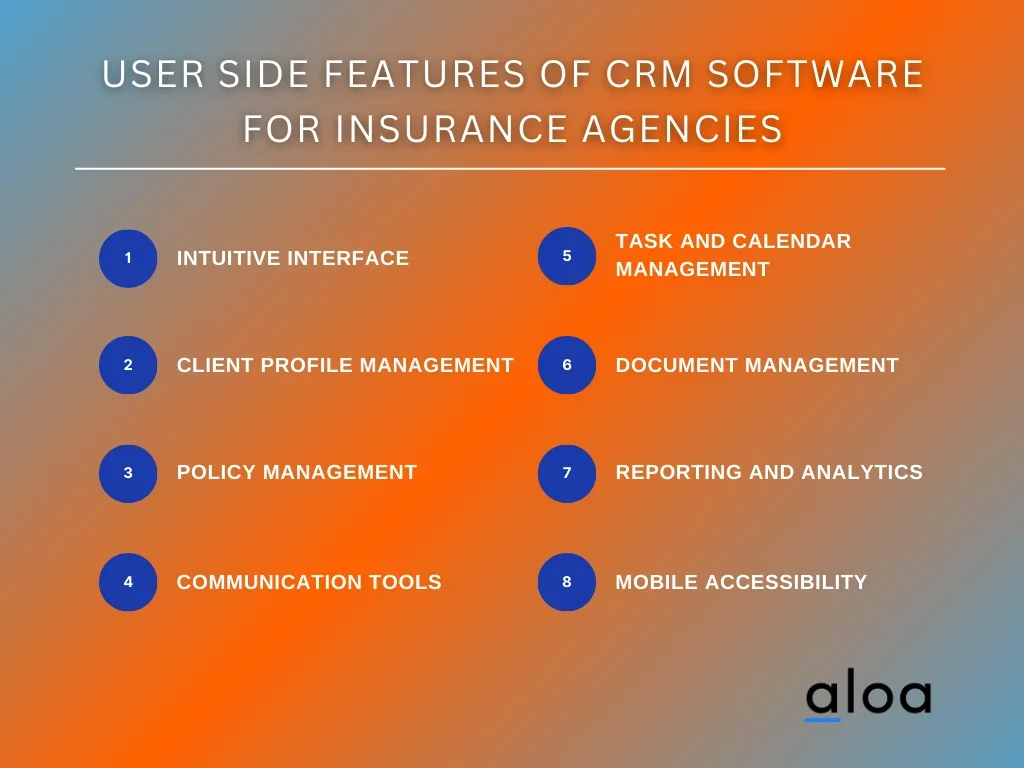
To understand why agencies are migrating to Assembly in 2026, one must look at the specific features that differentiate it from traditional spreadsheets or legacy CRM systems.
1. Intelligent Workflow Automation
Assembly uses a "trigger-and-action" framework tailored to insurance milestones. For example, when a prospect reaches a certain stage in the sales funnel, the system can automatically trigger a request for loss runs or pre-fill an application based on third-party data. This eliminates the manual "chasing" of documents that historically consumed 30% of a producer’s day.
2. Unified Client Portals
In 2026, clients expect a digital-first experience. Assembly provides a white-labeled portal where policyholders can upload documents, view their coverage summaries, and initiate mid-term changes. This data flows directly back into the CRM, ensuring that the agency’s records are always synchronized with the client’s self-reported information.
3. Automated Renewal Management
Renewals are the lifeblood of agency retention. Assembly’s renewal "playbooks" start working months in advance. The software identifies upcoming expirations, sends automated (yet personalized) outreach to clients to confirm updated exposures, and flags accounts that may need to be re-marketed based on current carrier appetite shifts.
4. Data Enrichment and Pre-Fill
Integration with third-party data providers allows Assembly to pre-populate commercial and personal lines applications. By entering a business name or address, the CRM pulls property details, VINs, or business classifications, reducing the friction of the "long-form" application process that often leads to prospect drop-off.
The Strategic Benefits of Implementation in 2026
Implementing Assembly is not merely a technical upgrade; it is a strategic move to insulate an agency against the rising costs of talent and the increasing complexity of the insurance market.
Efficiency and Operational Leverage
Agencies using Assembly report a significant increase in the number of policies managed per account manager. By automating the "low-value" tasks—like sending follow-up emails for missing signatures—staff can manage larger books of business without a corresponding increase in stress or error rates.
Reduction in Errors and Omissions (E&O) Risk
Inconsistent documentation is a leading cause of E&O claims. Assembly enforces a standardized process for every account. If a specific coverage rejection form is required, the system can prevent a file from being marked "bound" until that document is uploaded and verified. This creates a digital audit trail that is invaluable during a claim dispute or a carrier audit.
Enhanced Producer Productivity
Producers in 2026 are expected to be "hunters," but they are often bogged down by "farming" tasks. Assembly’s pipeline management provides clear visibility into which leads are most likely to close based on historical data. It prioritizes tasks so that producers spend their time on high-premium opportunities rather than administrative cleanup.
Comparing Assembly to Other Insurance CRMs
When selecting a platform, agencies must weigh the specialized nature of Assembly against more generalized or legacy options.
| Feature | Assembly CRM | Generic CRM (e.g., Salesforce) | Legacy AMS (CRM Module) |
|---|---|---|---|
| Insurance Logic | Native (Built-in) | Requires heavy custom coding | Basic/Outdated |
| Workflow Automation | High (Insurance-specific) | High (General) | Low |
| Implementation Speed | 4–8 Weeks | 6–12 Months | Immediate (but limited) |
| Client Portal | Integrated & Modern | Requires 3rd party tool | Rarely available |
| API Connectivity | Open & Modern | Robust | Usually Restricted |
| Cost | Mid-Range | High (after customization) | Included (but low ROI) |
Integration with Agency Management Systems (AMS)
A common mistake agencies made in the past was viewing the CRM and the AMS as competing products. In 2026, the most successful agencies use them in tandem. Assembly acts as the "engagement layer," while the AMS (such as Vertafore’s AMS360, Applied Epic, or HawkSoft) remains the "system of record" for policy accounting and carrier downloads.
Assembly’s modern API architecture allows for bi-directional syncing. When a lead is marked as "Closed-Won" in Assembly, the data pushes to the AMS to create the client shell and policy record. Conversely, when a carrier downloads updated policy information to the AMS, Assembly pulls that data to update the client’s digital portal and trigger any relevant post-sale automation.
Implementation Steps and Best Practices
Transitioning to Assembly requires a structured approach to ensure data integrity and staff adoption.
- Data Cleansing: Before migration, agencies must audit their existing data. Inaccurate email addresses or missing expiration dates will hamper the effectiveness of Assembly’s automation.
- Mapping the "Golden Path": Agencies should define their ideal workflow for each line of business. This involves deciding exactly when an automated email should go out and when a human touchpoint is required.
- Pilot Testing: Start with a single department (e.g., Personal Lines) or a specific team of "tech-forward" producers. This allows the agency to refine its playbooks before a full-scale rollout.
- Ongoing Training: Because Assembly releases frequent updates in 2026, monthly training sessions are essential to ensure the team is utilizing new AI features or integration capabilities.
Cost Considerations and ROI
As of 2026, Assembly typically operates on a per-user, per-month subscription model. While the upfront cost may be higher than a basic spreadsheet, the Return on Investment (ROI) is measured in two primary ways:
- Time Savings: If a CRM saves an account manager five hours per week, the system pays for itself within the first month based on labor costs alone.
- Increased Close Rates: By reducing the time it takes to get a quote back to a prospect (the "speed to lead"), agencies often see a 10–15% increase in conversion rates.
Frequently Asked Questions
Does Assembly replace my Agency Management System (AMS)?
No, Assembly is designed to complement your AMS. While an AMS handles the "back-office" accounting, carrier downloads, and policy storage, Assembly handles the "front-office" sales, marketing, and proactive client engagement.
Can Assembly handle both Commercial and Personal lines?
Yes. Assembly is highly configurable. Agencies can build specific "Commercial" workflows that include supplementals and loss run requests, while simultaneously running "Personal" workflows that focus on high-volume, automated quoting and cross-selling.
Is my data secure in Assembly?
In 2026, Assembly adheres to high-level security standards, including SOC2 Type II compliance and AES-256 encryption. Because it handles Sensitive Personal Information (SPI), the platform includes robust permission settings to ensure only authorized staff can view certain data.
How long does it take to get Assembly up and running?
Most agencies can complete their initial setup and training within 30 to 60 days. This timeline depends heavily on the complexity of the agency's existing data and the number of custom workflows they wish to build.
Can I use Assembly to track commissions?
While Assembly tracks the sales pipeline and estimated premiums, final commission reconciliation is typically still handled within the AMS. However, Assembly provides excellent reporting on "projected" commissions, which helps with sales forecasting.
Final Recommendation for Agencies
For insurance agencies operating in 2026, the "wait and see" approach to digital transformation has ended. The gap between agencies using specialized tools like Assembly and those relying on manual processes is widening. If your agency struggles with fragmented data, inconsistent client communication, or producers who are bogged down in paperwork, Assembly Insurance CRM is a primary candidate for your tech stack.
The next step for interested agencies is to conduct a workflow audit. Identify the top three bottlenecks in your current sales or renewal process. If those bottlenecks involve manual data entry, repeated follow-ups, or lack of visibility into the sales pipeline, scheduling a targeted demo of Assembly's automation features is the logical next action.