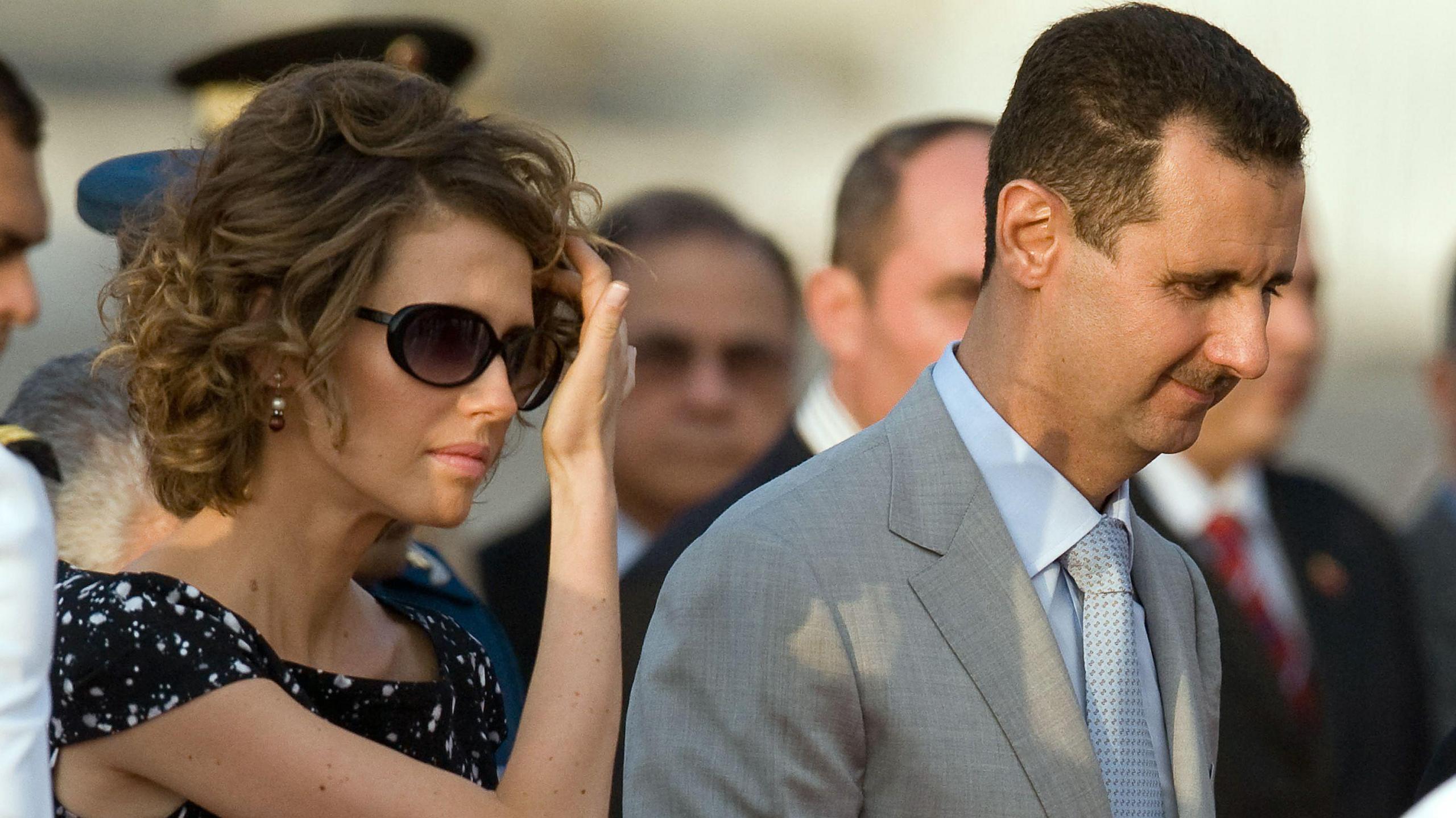
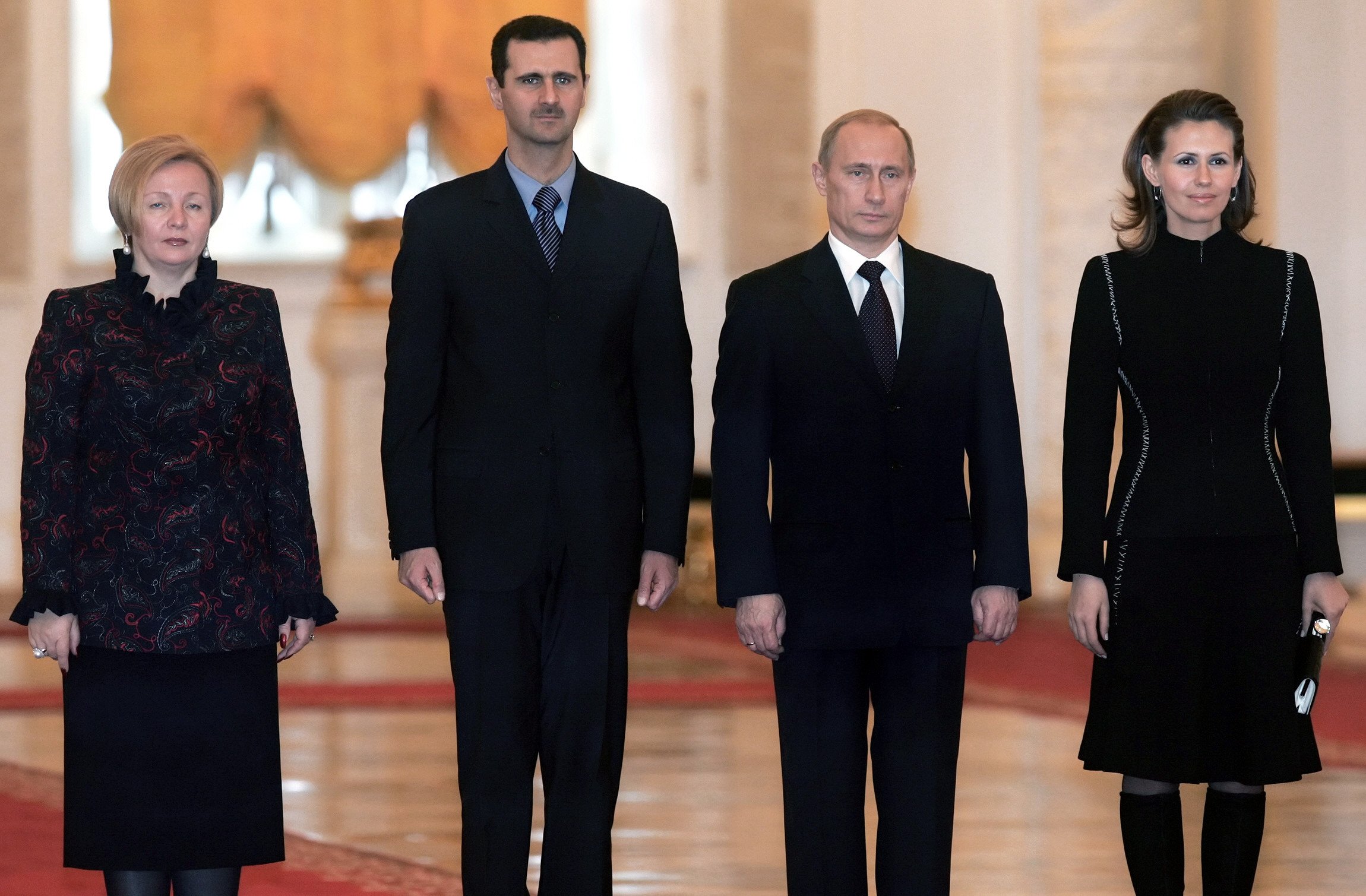
The Assad family’s net worth is estimated to range between $1 billion and over $100 billion, though the precise figure remains obscured by layers of shell companies, offshore accounts, and state-integrated assets. While official reports from the U.S. State Department estimate the immediate family’s liquid wealth at approximately $1 billion to $2 billion, independent analysts suggest the clan’s control over the Syrian economy represents a significantly higher total valuation.
The Challenge of Estimating the Assad Family Wealth
Quantifying the net worth of a ruling family that has held power for over five decades is a complex task for forensic accountants and geopolitical analysts. Unlike billionaires in democratic nations whose wealth is tied to public stocks and disclosed assets, the Assad family’s riches are deeply intertwined with the Syrian state apparatus. This blur between "national treasury" and "private pocket" makes traditional valuation nearly impossible.
As of 2026, the Syrian economy remains under heavy international sanctions, yet the ruling family has successfully pivoted its financial strategies. The wealth is distributed across a vast network of siblings, cousins, and loyalist businessmen. The primary difficulty in estimation stems from three factors:
- Sovereign Confusion: The family treats state resources—including oil, phosphates, and telecommunications—as private holdings.
- The "Frontman" System: Assets are rarely held in the name of Bashar or Asma al-Assad. Instead, they are managed by proxies and "business committees."
- Illicit Economies: A significant portion of the family's modern revenue is derived from the production and trafficking of Captagon, a trade that operates entirely outside formal banking systems.
The Pillars of the Assad Financial Empire
The Assad family’s wealth is built on several key sectors that have evolved through various phases of the Syrian conflict. To understand their net worth, one must examine the specific industries they monopolize.
Telecommunications and the Fall of Rami Makhlouf
For decades, the telecommunications sector was the primary "cash cow" for the family, managed largely by Bashar’s cousin, Rami Makhlouf. His company, Syriatel, was a cornerstone of the family’s liquid assets. However, in a major internal power shift around 2020, the regime seized Makhlouf’s assets, citing unpaid taxes. This was widely interpreted as a consolidation move by Bashar and his wife, Asma, to bring the family's primary revenue stream under their direct control. By 2026, the telecommunications sector remains a critical source of hard currency, now managed by new loyalist entities.
The Real Estate and Reconstruction Sector
Despite the devastation of the Syrian civil war, the Assad family has positioned itself to profit from the "reconstruction" phase. Through Legislative Decree 10 and other land-use laws, the regime has been able to seize property in former opposition strongholds. These land parcels are then funneled into high-end development projects like Marota City. The family’s stake in these projects is often hidden behind holding companies based in the UAE or Lebanon.
The Rise of the Captagon Trade
By the mid-2020s, international observers, including the U.S. State Department, identified Syria as a "narco-state." The production of Captagon—a synthetic stimulant—has become a multi-billion dollar industry. Investigations by organizations like the Organized Crime and Corruption Reporting Project (OCCRP) suggest that the 4th Armoured Division, led by Bashar’s brother Maher al-Assad, oversees the logistics and protection of this trade. Estimates suggest the export value of these narcotics far exceeds the value of Syria's legal exports, contributing billions to the family's shadow economy.
Key Figures and Their Financial Roles
The net worth of the "Assad family" is not a single pool of money but a distributed network of individual fortunes.
Bashar al-Assad
The President’s personal net worth is officially estimated at a lower bound of $1.5 billion, but this only accounts for assets that can be directly traced. His true power lies in his ability to direct the flow of state funds and grant monopolies to loyalists who, in turn, provide him with "loyalty taxes."
Asma al-Assad
Often referred to as the "First Lady of Syria," Asma has transitioned from a figure of soft power to a central economic actor. She leads the Syrian Trust for Development and is widely reported to chair the "secret economic committee" that manages the family’s business interests. Her influence extends into the banking, aviation, and NGO sectors, allowing the family to capture international aid and investment flows.
Maher al-Assad
As the commander of the elite 4th Armoured Division, Maher controls the physical infrastructure of the Syrian economy—ports, border crossings, and checkpoints. His wealth is derived from "transit fees," smuggling operations, and direct ownership of construction and metal companies.
| Family Member | Primary Source of Wealth | Estimated Influence/Assets |
|---|---|---|
| Bashar al-Assad | State monopolies, oil, sovereign funds | High (Direct control of state treasury) |
| Asma al-Assad | Telecoms, banking, NGOs, aid capture | High (Strategic financial management) |
| Maher al-Assad | Smuggling, Captagon trade, military logistics | Very High (Control of illicit trade) |
| The Makhlouf Clan | (Formerly) Telecoms, oil, real estate | Diminished (Post-2020 asset seizure) |
| Bushra al-Assad | Offshore holdings, inherited wealth | Moderate (Primarily based outside Syria) |
The Impact of International Sanctions
The net worth of the Assad family is significantly impacted by international sanctions, most notably the Caesar Syria Civilian Protection Act of 2019. These sanctions target any individual or entity providing support to the regime, effectively freezing the family’s ability to use the global Western banking system.
Asset Freezes in Europe
Significant portions of the family's wealth are tied up in European real estate and bank accounts. In various legal actions, French and Spanish courts have moved to freeze properties worth hundreds of millions of dollars belonging to Rifaat al-Assad (Bashar’s uncle). While Rifaat has since returned to Syria, these legal precedents make it difficult for the immediate family to liquidate their overseas holdings in the UK, France, or Switzerland.
The Role of Shell Companies
To bypass these restrictions, the family utilizes a sophisticated network of shell companies. The Pandora Papers and previous leaks revealed that Syrian regime insiders used offshore providers to maintain luxury properties and move money through Dubai and various Caribbean jurisdictions. These entities allow the family to continue purchasing luxury goods and maintaining a high standard of living despite the collapse of the Syrian Pound (SYP).
Comparing Net Worth to the Syrian National Economy
To put the Assad family net worth into perspective, one must compare it to the macroeconomic reality of Syria in 2026. The Syrian Pound has experienced hyperinflation, and over 90% of the population lives below the poverty line.
While the Syrian GDP has shrunk to a fraction of its pre-2011 levels, the Assad family’s wealth has not seen a proportional decline. This is because their assets are largely held in hard currencies (USD and EUR) or gold, which are insulated from the local currency’s collapse. This disparity creates a "dual economy" where the ruling elite operates in a world of international luxury while the domestic economy remains stagnant.
The Succession of Wealth: The Next Generation
As we look at the family’s financial status in 2026, the role of the next generation—Hafez, Zein, and Karim al-Assad—is becoming increasingly relevant. They are being integrated into the family's business structures, with Zein al-Assad reportedly involved in several of the "secret committees" managed by her mother. The goal of the family is clearly the preservation of wealth through generational transfer, ensuring that the clan’s control over the nation’s resources remains unchallenged.
Verification and Forensic Limits
It is vital to note that all figures regarding the Assad family net worth are estimates. Because Syria lacks a free press and transparent financial auditing, researchers rely on:
- Whistleblower testimonies from former regime insiders.
- Property records in the UAE, Lebanon, and Europe.
- Analysis of trade data, particularly for commodities like phosphate and oil.
- Intelligence reports from the U.S. Treasury and the European Union.
These sources often disagree. For example, while some NGOs claim the total family wealth exceeds $120 billion, these figures often include the total value of Syrian state assets, which the family controls but does not technically "own" in a legal sense. Conversely, the $1 billion figure cited by some government agencies may only account for "reachable" or "seizable" assets.
Frequently Asked Questions
Is Bashar al-Assad the richest person in the world?
While the Assad family's collective wealth is immense, Bashar al-Assad is not typically ranked among the world's richest individuals like Elon Musk or Jeff Bezos. This is because his wealth is not "clean" or liquid. Much of his net worth is tied to his control over a country’s resources rather than ownership of public companies with clear valuations.
How do the Assads move money out of Syria?
The family primarily uses "hawala" networks, shell companies in jurisdictions with lax oversight, and friendly banking sectors in countries that do not strictly enforce Western sanctions. Lebanon was traditionally the main conduit, but after the 2019 Lebanese financial crisis, the family shifted more of its operations to the UAE and Russia.
What happened to the wealth of Rifaat al-Assad?
Rifaat al-Assad, Bashar’s uncle, was estimated to have a net worth of over $800 million. However, much of his real estate portfolio in Europe was seized by French and Spanish authorities following convictions for money laundering and embezzlement. He returned to Syria in 2021, and his remaining assets are largely integrated back into the broader family holdings.
Does the Syrian population benefit from this wealth?
No. There is a clear distinction between the "family wealth" and the "national budget." The family’s assets are used primarily to fund the military apparatus, pay for internal security, and maintain the loyalty of the merchant class in Damascus and Aleppo. Very little of this wealth is reinvested into public infrastructure or social services.
Can the Assad family assets be seized by the UN?
The UN itself has limited power to seize assets without a Security Council resolution, which is frequently blocked by Russia and China. However, individual nations (like the U.S. and members of the EU) have successfully frozen assets within their own jurisdictions under national laws like the Caesar Act.
Summary of Findings and Recommendations
The Assad family net worth remains a cornerstone of their survival strategy. By controlling the nation’s most profitable industries and dominating the illicit drug trade, they have insulated themselves from the economic ruin facing the average Syrian citizen.
For those tracking these figures, it is essential to monitor the Syrian Secretariat for Development and the 4th Armoured Division's logistics, as these are the current engines of wealth generation. As of 2026, the family’s financial strategy has shifted from traditional state-run monopolies to a more agile, shadow-based economy that is harder for international regulators to track and dismantle.
Next Actions for Researchers:
- Monitor U.S. Treasury (OFAC) updates for new designations of Assad family shell companies.
- Follow reports from the Global Initiative Against Transnational Organized Crime regarding Captagon revenues.
- Analyze UAE property leaks to identify new holdings for the younger generation of the Assad family.