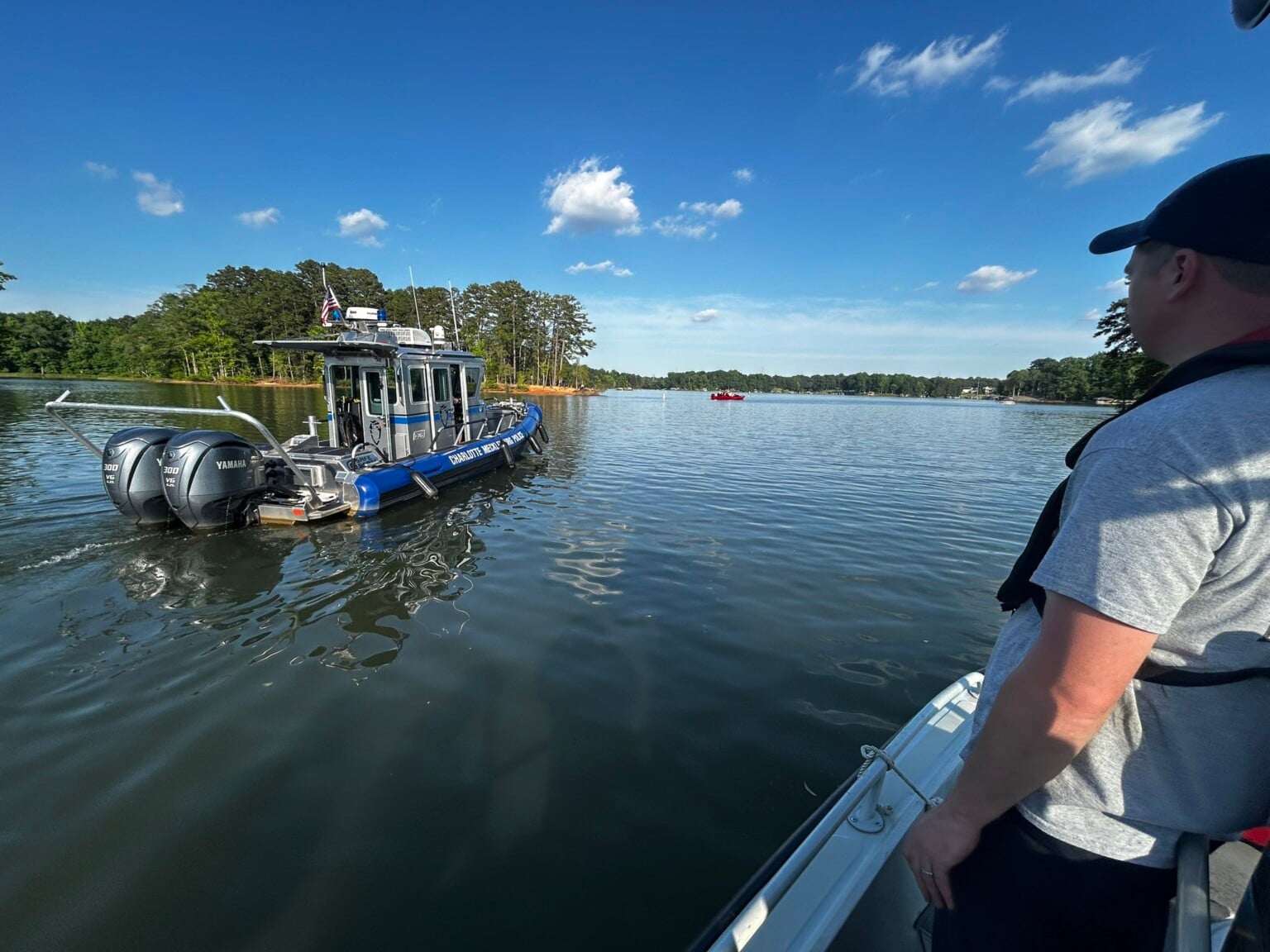
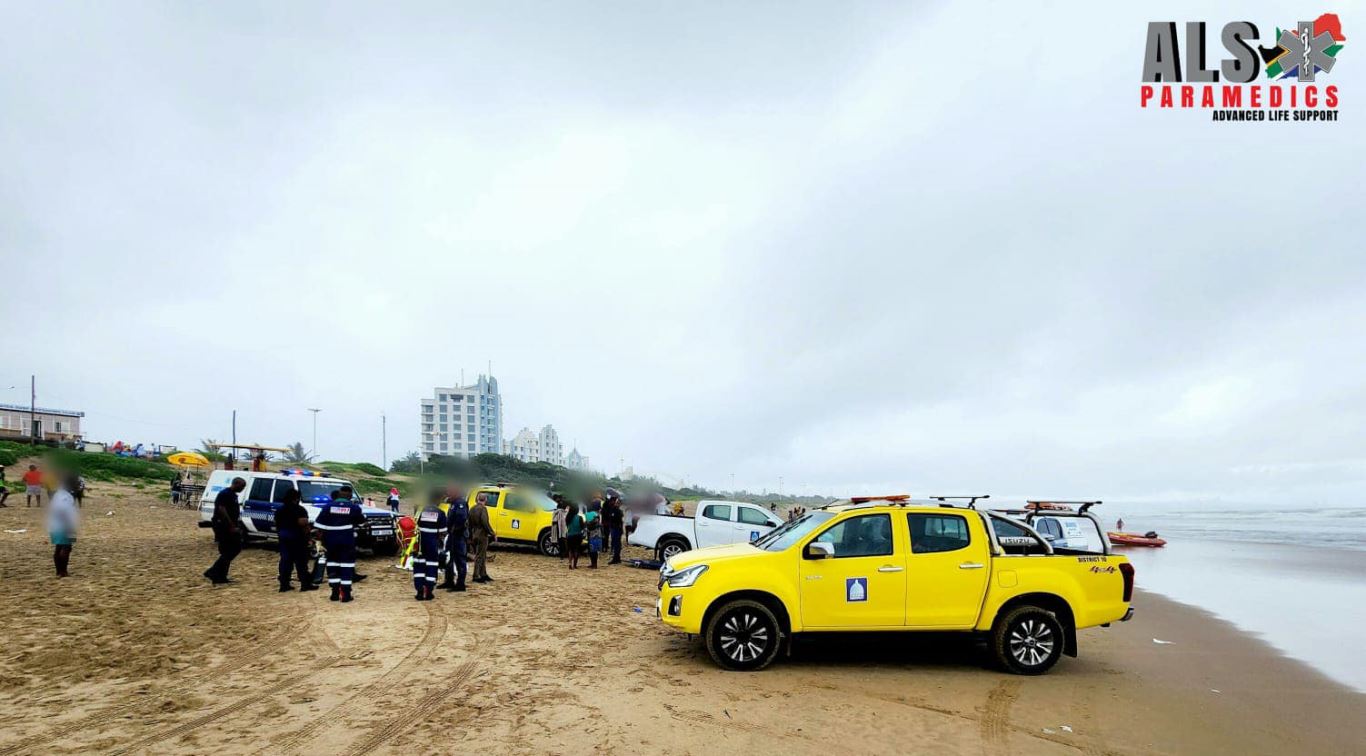
Assateague Island drowning incidents are primarily caused by powerful rip currents, heavy surf, and swimming in unguarded areas. To minimize risk, visitors must swim only at lifeguarded beaches during operational hours, understand how to identify rip currents, and strictly follow the National Park Service's safety flags and weather advisories.
The Environmental Dynamics of Assateague Island
Assateague Island is a 37-mile-long barrier island spanning the coastlines of Maryland and Virginia. Unlike the relatively sheltered bays of the mainland, Assateague faces the open Atlantic Ocean, making its waters subject to significant energy transfers from distant weather systems. As we look at the safety landscape in 2026, it is vital to understand that the island’s underwater topography is constantly shifting due to longshore drift and storm events.
The beauty of the island—famed for its wild horses and pristine dunes—often masks the physical dangers of its surf zone. A barrier island is essentially a massive sandbar that is prone to rapid changes in depth. These "sloughs" (deeper channels) and sandbars create the perfect conditions for rip currents. Understanding the environmental stressors, such as tidal changes and wind-driven swells, is the first step in avoiding the tragedies that have occurred on these shores over the past decades.
The Impact of Coastal Morphodynamics
The "morphodynamics" of Assateague refer to how the sand and water interact. During high-tide cycles, water is pushed over the sandbars toward the shore. As the tide recedes, that massive volume of water must find a way back to the open ocean. It seeks the path of least resistance, which is usually a break in the sandbar. This creates a narrow, powerful stream of water moving away from the beach. Many drowning incidents at Assateague occur because swimmers find themselves in these "drainage" points without realizing the physical forces at play.
Analyzing Common Factors in Assateague Drowning Incidents
Historical data from the National Park Service (NPS) and local emergency services highlight several recurring themes in drowning incidents. While each event is a unique tragedy, the contributing factors are often consistent.
- Swimming in Unguarded Areas: Assateague has miles of "backcountry" beach. Many incidents occur miles away from the designated Lifeguard Protected Beaches. In these remote areas, help is often 20 to 30 minutes away, which is well beyond the critical window for a successful water rescue.
- After-Hours Swimming: Lifeguards typically go off duty at 5:00 PM or 6:00 PM. A significant number of rescues and near-drownings happen in the evening when the surf may appear calmer, but the underlying currents remain active.
- The "Lull" Deception: Large waves often come in sets. Swimmers may enter the water during a "lull" between sets, believing the conditions are manageable, only to be overwhelmed when a larger set of waves arrives and increases the volume of water moving back out to sea.
- Bystander Rescuers: A common and tragic element of drowning incidents involves "bystander effect" rescues, where an untrained individual attempts to save a struggling swimmer and becomes a victim themselves.
Case Studies and Historical Context
In previous years, such as the notable 2019 and 2021 incidents, victims were often young, healthy individuals who underestimated the strength of the Atlantic. These incidents frequently serve as the catalyst for the National Park Service to update its "Beach Safety" protocols. In 2026, these protocols are more robust than ever, yet they still rely heavily on visitor compliance.
Rip Currents: The Silent Threat
Rip currents are the leading cause of beach-related fatalities at Assateague Island. These are not "undertows"—they do not pull you under the water; they pull you away from the shore. Because they are often located where waves are not breaking, they can look like the safest place to swim to an untrained eye.
How to Spot a Rip Current Before Entering the Water
Before you set foot in the ocean at Assateague, spend five minutes observing the water from an elevated position (like the top of a dune or a boardwalk). Look for these technical indicators:
- A break in the incoming wave pattern: Waves may break on either side of the rip current but not in the center of it.
- Discolored water: The current often picks up sand and sediment, making the water look "murky" or brown compared to the surrounding blue or green water.
- Surface agitation: Look for a "choppy" or foamy surface that seems to be moving steadily away from the beach.
- Floating debris: Seaweed or foam moving seaward is a classic sign of an active rip.
Technical Steps for Rip Current Survival
If you are caught in a rip current, the primary cause of drowning is exhaustion caused by panic. The water is moving faster than an Olympic swimmer; you cannot win a fight against it.
- Stay Calm: Panic causes your heart rate to spike and reduces your buoyancy. Float on your back to conserve energy.
- Do Not Swim Toward Shore: This is the most common mistake. Swimming against the current will lead to rapid muscle fatigue.
- Swim Parallel: Swim along the shoreline (parallel to the beach). Rip currents are usually narrow (30 to 100 feet wide). By swimming sideways, you will eventually move out of the current's pull.
- Use the Waves: Once you are out of the current, use the breaking waves to help push you back toward the shore.
- Signal for Help: If you cannot escape, stay afloat and wave your arms to signal lifeguards or bystanders.
Lifeguard Infrastructure and Surveillance
As of 2026, the National Park Service maintains strictly monitored swimming zones in both the Maryland and Virginia districts of the island. These areas are designated as "Lifeguard Protected Beaches."
Lifeguards at Assateague are trained in open-water rescue techniques and are equipped with ATVs, jet skis (in some zones), and specialized buoy systems. Their presence significantly reduces the likelihood of a fatal drowning incident. According to the United States Lifesaving Association (USLA), the chance of drowning at a beach protected by USLA-affiliated lifeguards is 1 in 18 million.
Understanding the Flag Warning System
Assateague uses a standardized flag system to communicate daily water hazards. It is your responsibility to check the flags at the ranger station or the lifeguard stand before entering the water.
- Green Flag: Low danger; calm conditions.
- Yellow Flag: Moderate danger; light surf and/or currents. Use caution.
- Red Flag: High danger; rough surf and/or strong currents. Swimming is often discouraged or restricted.
- Double Red Flag: Water is closed to the public.
- Purple Flag: Dangerous marine life present (e.g., jellyfish or rays).
The Role of the National Park Service (NPS) and Emergency Response
When a drowning incident is reported at Assateague, a multi-agency response is typically triggered. This often includes:
- NPS Rangers: Law enforcement and medical first responders on the island.
- Maryland/Virginia State Police: Providing helicopter support (Medevac) for rapid transport to trauma centers.
- Coast Guard: If the victim is swept far offshore, the USCG may deploy boats or aircraft.
- Local Fire and EMS: Units from Berlin, MD, or Chincoteague, VA, provide land-based medical support.
The "Golden Hour" in drowning incidents is much shorter than in other trauma cases. Because hypoxia (lack of oxygen to the brain) occurs rapidly, the proximity to a lifeguard is the single most important factor in the chain of survival.
Safety Comparison Table
This table outlines the differences between swimming in protected zones versus unprotected (backcountry) zones on Assateague Island.
| Feature | Lifeguard Protected Beach | Unguarded/Backcountry Beach |
|---|---|---|
| Response Time | Seconds to Minutes | 15 - 45 Minutes |
| Hazard Monitoring | Daily assessments & flags | No active monitoring |
| Rescue Equipment | Buoys, ATVs, Med-kits on site | None available |
| Communication | Direct radio link to dispatch | Spotty cell service; no rangers |
| Recommended For | Families, children, all swimmers | Experienced surf fishers/hikers (no swimming) |
| Operating Hours | Typically 10:00 AM - 5:00 PM | 24/7 (No supervision) |
Mitigation Strategies for Families and Solo Swimmers
To ensure your visit to Assateague in 2026 is safe, adopt a proactive approach to water safety.
The Buddy System and Supervision
Never swim alone. Even the strongest swimmers can suffer a medical emergency, such as a cramp or a cardiac event, while in the water. For families with children, "active supervision" is required. This means the adult is in the water within arm's reach of the child, not watching from a chair on the beach. Distractions like smartphones or the famous Assateague wild horses can divert attention just long enough for a child to be knocked over by a shore break.
Equipment and Flotation
While "water wings" and inflatable toys are popular, they are dangerous in an ocean environment. Offshore winds can blow these inflatables—and the children on them—away from the shore in seconds. If you or your children are not strong swimmers, use a U.S. Coast Guard-approved Life Jacket (Type II or III).
Respecting the Shore Break
Drownings aren't the only risk; Assateague is known for a "heavy shore break" where waves break directly on the sand. This can cause neck and spinal injuries. When entering or exiting the water, never turn your back on the ocean.
Frequently Asked Questions
Are there lifeguards on Assateague Island all year?
No. Lifeguards are generally on duty from Memorial Day weekend through Labor Day. During the "shoulder seasons" in 2026, the beaches are often crowded due to warmer weather, but they remain unguarded. Swimming during these times is significantly more dangerous.
What should I do if I see someone struggling in the water?
Do not jump in. Many double-drownings occur when a well-meaning person tries to help. Instead, follow the "Reach, Throw, Don't Go" rule. Throw them a flotation device (like a cooler or a surfboard) and call 911 immediately. Signal a lifeguard if one is nearby.
Can the wild horses cause drowning incidents?
While the horses do not directly cause drowning, they are a major distraction. Visitors often follow horses into the water or onto unstable dunes to take photos, losing track of their children or the incoming tide. Additionally, horses are wild animals; if they feel cornered in the surf, they may kick or bite, leading to injuries that make swimming difficult.
Is night swimming allowed on Assateague?
While the park may be open for stargazing or camping, swimming at night is extremely dangerous and strongly discouraged by the National Park Service. In total darkness, it is impossible to see rip currents or incoming waves, and rescue operations are nearly impossible.
How do I check surf conditions before I arrive?
You can check the National Weather Service (NWS) Surf Zone Forecast for "Assateague Island." This forecast provides a "Rip Current Risk" level (Low, Moderate, or High) and predicted wave heights.
Final Recommendation: Prioritizing Safety in 2026
The most effective way to prevent an Assateague Island drowning incident is through pre-trip education and situational awareness. If you are planning a trip this year, make the conscious decision to set up your beach camp directly in front of a lifeguard stand. Respect the power of the Atlantic, heed all posted warnings, and never underestimate the speed at which a calm day can turn into a life-threatening situation. By following the "Swim Near a Lifeguard" rule, you ensure that your memories of Assateague remain focused on its natural beauty rather than a preventable tragedy.