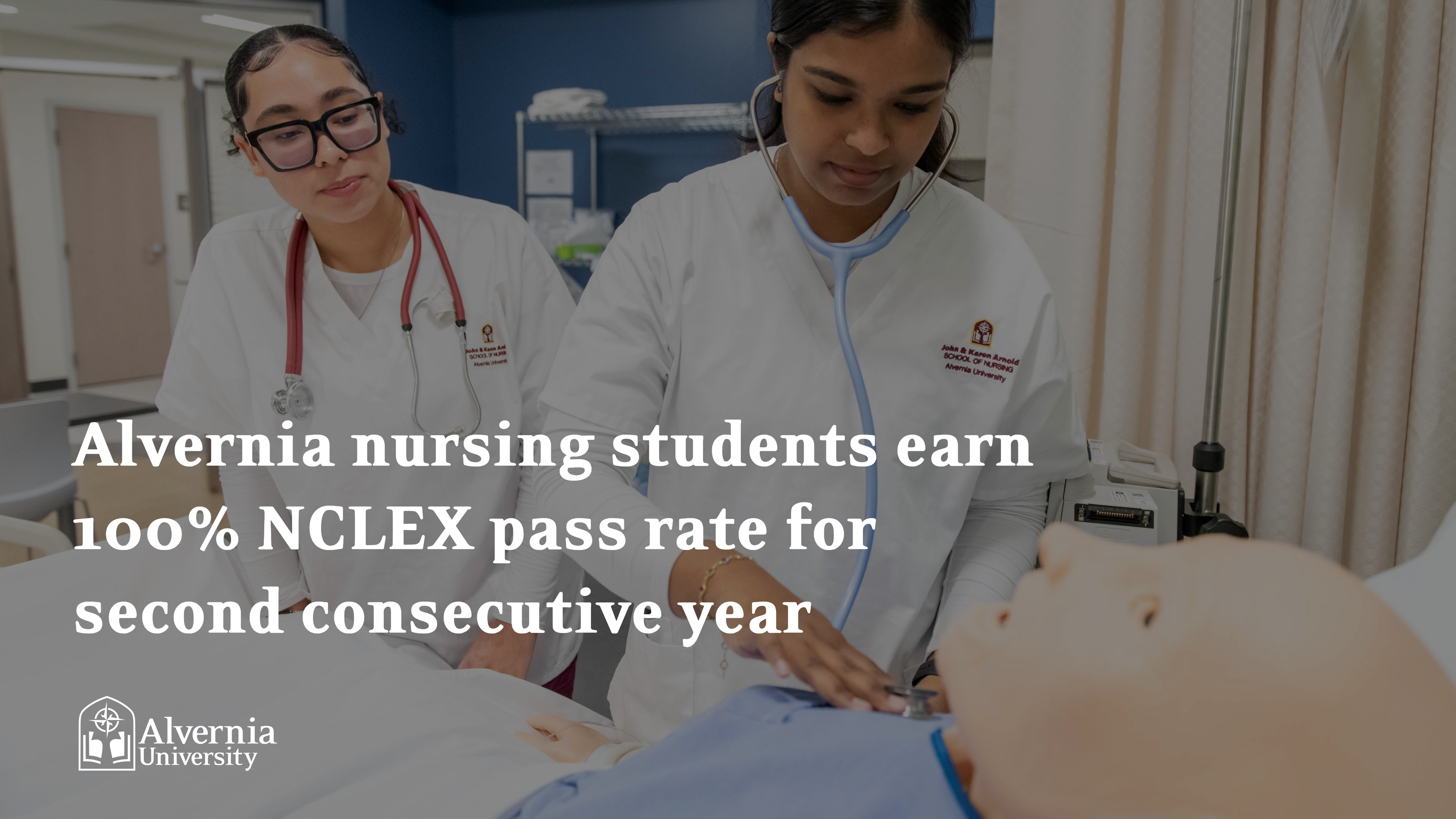
In Arizona, NCLEX pass rates serve as the primary benchmark for evaluating the instructional quality and clinical readiness of nursing programs. These rates represent the percentage of first-time test-takers who pass the national licensure exam, directly influencing a school's accreditation, its standing with the Arizona State Board of Nursing, and the career prospects of its graduates.
The path to becoming a Registered Nurse (RN) or Licensed Practical Nurse (LPN) in Arizona is rigorous, and the final hurdle is the National Council Licensure Examination (NCLEX). For students navigating the dense landscape of Arizona’s educational offerings—from large public universities like Arizona State University to the expansive Maricopa Community College system and various private vocational schools—understanding pass rates is not just an academic exercise. It is a critical component of due diligence. In 2026, as the healthcare landscape continues to evolve, these statistics remain the most transparent indicator of whether a program can successfully bridge the gap between classroom theory and clinical practice.
Understanding the NCLEX and the Arizona Board of Nursing Oversight
The Arizona State Board of Nursing (AZBN) is the regulatory body responsible for protecting the public's health and welfare by overseeing nursing practice and education. One of its most significant roles is the approval and monitoring of nursing programs within the state. The AZBN uses the NCLEX pass rate as a vital sign of a program’s health.
The NCLEX itself, specifically the Next Generation NCLEX (NGN) format that became the standard in recent years, is designed to test clinical judgment. Unlike traditional multiple-choice exams, the NGN requires students to analyze complex case studies and prioritize patient care in a way that mimics real-world scenarios. In Arizona, programs must maintain a pass rate that meets or exceeds the standards set by the AZBN—typically defined as being within a certain percentage of the national average or maintaining a baseline of 80% for first-time testers.
When a program's pass rates fall below these benchmarks for consecutive years, the AZBN may intervene. This intervention can range from requiring a "Notice of Deficiency" and a formal "School Improvement Plan" to placing the program on "Provisional Approval." For a student, a program on provisional status is a significant red flag, as it suggests the curriculum or clinical rotations may not be adequately preparing students for the realities of the profession.
Why First-Time Pass Rates are the Gold Standard
When researching Arizona nursing programs, you will frequently see the term "first-time pass rate." It is essential to distinguish this from the "total pass rate." The first-time rate measures how many students passed the NCLEX on their very first attempt immediately following graduation.
This metric is the gold standard for several reasons:
- Curriculum Alignment: It proves that the program’s curriculum is currently aligned with the National Council of State Boards of Nursing (NCSBN) test plan.
- Student Support: High first-time rates often indicate that the school provides robust remediation and "exit exams" (like HESI or ATI) to ensure students are ready before they sit for the actual licensure test.
- Institutional Quality: Schools with high first-time rates tend to attract more qualified faculty and have better access to high-fidelity simulation labs and diverse clinical placement sites in major hubs like Phoenix, Tucson, and Flagstaff.
If a school emphasizes its "overall pass rate" (which includes students who passed on their second or third try), they may be masking underlying issues in their initial training process. For a student, failing the NCLEX the first time results in significant delays in employment, additional testing fees, and the emotional toll of professional setback.
Interpreting Arizona Program Types and Their Performance
Arizona offers a diverse array of nursing pathways. Interestingly, higher tuition does not always correlate with higher NCLEX pass rates. In fact, many of Arizona's community colleges consistently outperform more expensive private institutions.
Public Universities vs. Community Colleges
The Maricopa County Community College District (MCCCD) is one of the largest providers of nursing talent in the Southwest. Programs like those at Glendale Community College or Mesa Community College often boast pass rates in the 90th percentile. These programs are highly competitive, often having long waitlists or stringent points-based admission systems, which naturally filters for highly motivated students.
Conversely, large public universities like the University of Arizona or Northern Arizona University offer Bachelor of Science in Nursing (BSN) programs. While their pass rates are generally high, the sheer volume of students can sometimes lead to more variance in year-to-year statistics compared to smaller, more specialized cohorts.
Private and For-Profit Institutions
Arizona has seen a surge in private, accelerated nursing programs. These are often attractive to career-changers because they offer faster paths to graduation. However, students must be cautious. Some for-profit schools have struggled to maintain the 80% AZBN threshold. If a school’s pass rate is fluctuating wildly—for example, 92% one year and 74% the next—it may indicate high faculty turnover or inconsistent clinical training.
| Program Category | Typical Degree Offered | Estimated Pass Rate Range (AZ) | Clinical Focus |
|---|---|---|---|
| Public Universities | BSN, MSN | 88% – 96% | Research & Leadership |
| Community Colleges | ADN (Associate) | 90% – 98% | Bedside Technical Skills |
| Private Non-Profit | BSN | 85% – 95% | Holistic & Community Care |
| Private For-Profit | ADN, BSN | 70% – 90% | Accelerated Skills |
The Consequences of Falling Pass Rates for Students
Choosing a program with declining NCLEX pass rates carries risks that extend far beyond the exam itself. As of 2026, the integration of educational quality and financial stability has never been tighter.
Accreditation and Financial Aid
Most reputable nursing programs in Arizona are accredited by bodies such as the Accreditation Commission for Education in Nursing (ACEN) or the Commission on Collegiate Nursing Education (CCNE). These accreditors monitor NCLEX pass rates closely. If a school loses its accreditation due to poor performance, students may find themselves ineligible for federal financial aid (Title IV funding). Furthermore, many hospitals in Arizona, particularly those with "Magnet Status" like Banner Health or HonorHealth, often prioritize or exclusively hire graduates from accredited programs.
Transferability of Credits
If you are enrolled in an Associate Degree in Nursing (ADN) program and intend to bridge to a BSN later, the reputation of your initial school matters. Universities evaluating transfer credits look at the program's standing with the Board of Nursing. Credits from a program on probation or one with consistently failing NCLEX scores may not be accepted by higher-tier institutions.
Employment Readiness
The NCLEX is not just a hurdle; it is a safety mechanism. A low pass rate at a school suggests that students are not learning the "clinical judgment" necessary to prevent medical errors. In the competitive Arizona job market, recruiters for New Graduate Residency programs often look at the reputation of the applicant’s alma mater. A candidate from a school known for a 98% pass rate is viewed as a "lower-risk" hire compared to one from a struggling program.
How to Verify NCLEX Pass Rates in Arizona
Students should never rely solely on a school’s marketing brochures for pass rate data. These numbers can be framed in ways that are technically true but functionally misleading (e.g., using a five-year average to hide a recent three-year decline).
To get the most accurate data:
- Visit the AZBN Website: The Arizona State Board of Nursing publishes annual reports detailing the NCLEX-RN and NCLEX-PN pass rates for every approved program in the state.
- Compare Against National Averages: Check the National Council of State Boards of Nursing (NCSBN) to see how Arizona schools compare to the national mean. If the national average is 86% and your chosen school is at 81%, they are underperforming relative to their peers nationwide.
- Inquire About "Attrition Rates": Some schools maintain high pass rates by failing out a large percentage of students before they ever get to take the NCLEX. Ask the admissions office: "What percentage of the starting cohort actually makes it to graduation?" A 100% pass rate is less impressive if only 40% of the students survived the program.
Preparing for the Exam in the Current Climate
In 2026, NCLEX preparation has moved beyond simple question banks. Arizona students are now utilizing AI-driven adaptive learning platforms that identify specific weaknesses in clinical judgment. Programs that integrate these technologies into their standard curriculum tend to have higher success rates.
When evaluating a school, ask if they utilize:
- Integrated Testing Services: Does the school use ATI, HESI, or Kaplan throughout the program?
- Virtual Simulation: Does the school provide "V-Sim" scenarios to supplement clinical hours?
- Dedicated NCLEX Prep: Is there a dedicated "Senior Seminar" or "Capstone" course specifically focused on exam strategies?
The presence of these resources often explains why one school in the Phoenix metro area might have a 95% pass rate while a neighboring school with similar demographics has an 82% rate.
FAQ
What happens if I graduate from a program that loses its Board approval?
If the program was approved at the time of your graduation, you are generally still eligible to sit for the NCLEX. However, the loss of approval can complicate your ability to find employment or pursue advanced degrees later, as the program may lose its regional or national accreditation simultaneously.
Is an 85% pass rate considered "good" in Arizona?
While 85% is above the common 80% regulatory threshold, it is generally considered average. Many of the top-tier community colleges and universities in Arizona strive for 90% or higher. In a competitive job market, graduating from a program in the 90th percentile can be a distinguishing factor on a resume.
Do NCLEX-PN (Practical Nursing) rates differ from NCLEX-RN rates?
Yes. The exams are different, and the pass rates are tracked separately. LPN programs in Arizona often have different challenges, including shorter durations and different clinical requirements. Always ensure you are looking at the specific data for the license level you are seeking.
Does the Arizona Board of Nursing provide pass rates for out-of-state online programs?
The AZBN tracks pass rates for programs physically located or specifically approved within Arizona. If you are attending an out-of-state online program, you must check the Board of Nursing in that program's home state (e.g., the Florida Board of Nursing for a Florida-based online school) to see their official pass rates.
How often are these pass rates updated?
The Arizona State Board of Nursing typically releases official annual reports early in the calendar year, covering the testing data from the previous year. For 2026, you should look for the "2025 Annual Report" to see the most recent validated statistics.
Practical Recommendations for Prospective Students
Before committing to a nursing program in Arizona, take the following steps to ensure your educational investment is sound:
- Audit the AZBN Reports: Go back at least three years. Look for stability. A school that has gone from 95% to 88% to 82% is in a "downward trend" that suggests internal issues, such as loss of key faculty or clinical sites.
- Ask About Clinical Placements: Pass rates are heavily influenced by the quality of clinical rotations. Ask if the school has secured contracts with major systems like Mayo Clinic Arizona, Banner Health, or Valleywise Health. Direct exposure to high-acuity environments improves test performance.
- Factor in the Cost-to-Outcome Ratio: If a private college costs $60,000 and has an 82% pass rate, while a community college costs $12,000 and has a 94% pass rate, the community college is the superior choice both financially and educationally.
- Interview Current Students: Ask seniors about their "Exit Exam" requirements. Schools that offer support rather than just "weed-out" testing are better environments for long-term success.
By prioritizing NCLEX pass rates during your school selection process, you are not just choosing a place to study; you are choosing the probability of your professional success. In Arizona’s 2026 nursing environment, where clinical judgment is the currency of the realm, these numbers are your most reliable map.