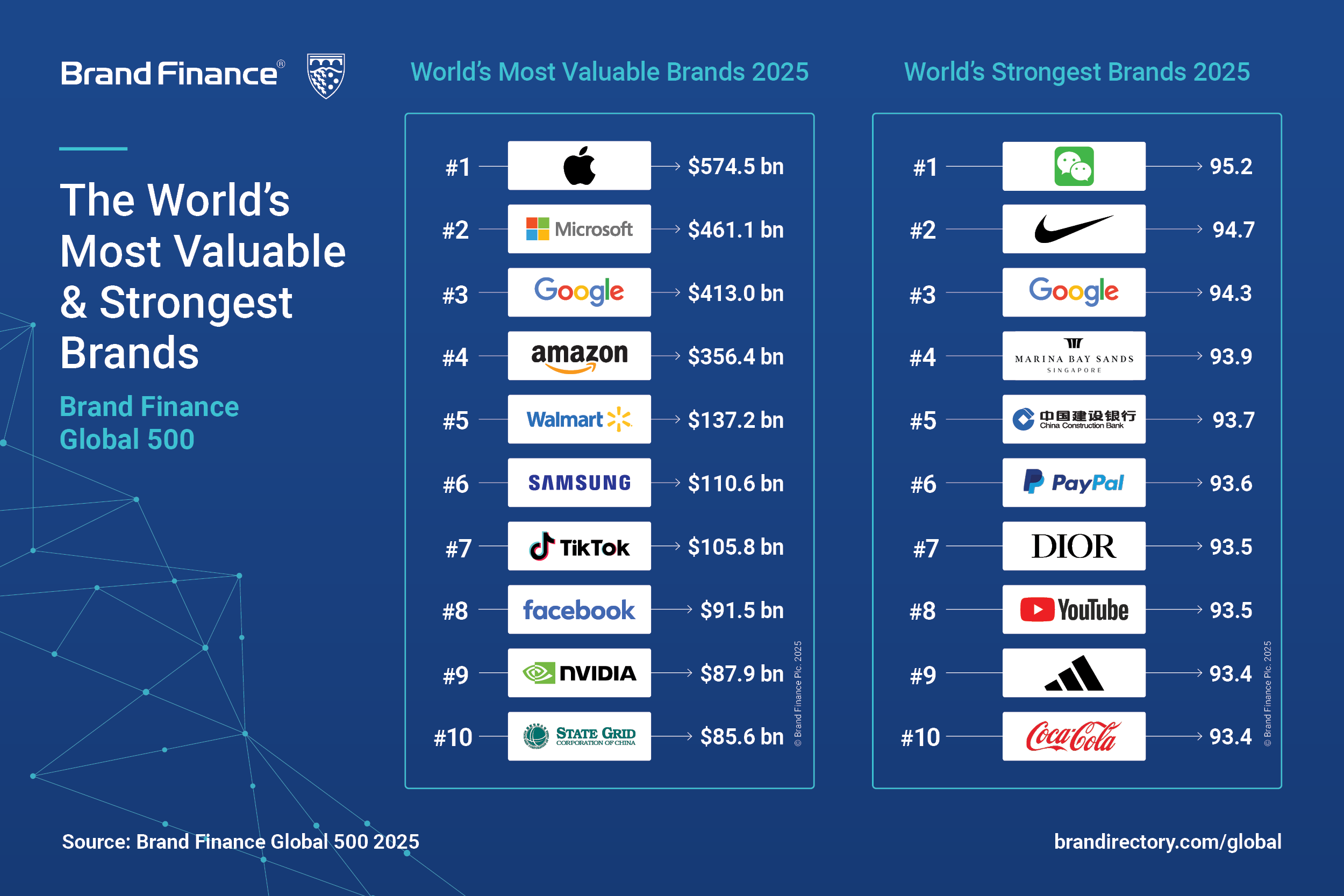
Apple Inc. maintains its position as the world’s most valuable corporation by market capitalization as of 2026, driven by a highly integrated ecosystem, consistent cash flow from services, and robust hardware sales. This status is defined by the total market value of all outstanding shares, representing the collective investor confidence in Apple’s ability to generate long-term profitability and shareholder returns.
The Mechanics of Market Valuation
When analysts state that Apple leads the world as the richest business, they are primarily referring to market capitalization, or "market cap." This figure is calculated by multiplying the current share price of Apple (AAPL) by the total number of common shares outstanding. Unlike revenue, which measures the total income generated from sales, market cap reflects the perceived value of the company by global equity markets.
In 2026, Apple’s valuation is buoyed by several critical financial metrics. The company’s ability to maintain high gross margins on its hardware products—such as the iPhone, Mac, and iPad series—combined with the explosive growth of its Services segment (encompassing the App Store, iCloud, Apple Music, and Apple Pay), has created a financial moat. Investors prioritize the predictability of these recurring revenue streams, viewing Apple not merely as a device manufacturer, but as a lifestyle platform that commands immense brand loyalty.
The Evolution of Apple’s Economic Dominance
Apple’s ascent to the top of the global financial hierarchy was not a singular event but the result of decades of strategic evolution. Following its resurgence in the late 1990s and early 2000s, the company shifted its focus from being a niche computer manufacturer to a dominant force in consumer electronics. The launch of the iPhone in 2007 acted as the primary catalyst, transforming the business from a technology hardware entity into the central hub of global digital interaction.
Throughout the 2010s and early 2020s, Apple diversified its revenue streams. While the iPhone remains the flagship product, the secondary and tertiary markets—specifically wearables, home accessories, and software services—have grown to account for a significant portion of its total earnings. By 2026, the ecosystem approach—where a user who owns an iPhone is significantly more likely to subscribe to Apple TV+, store data in iCloud, and use an Apple Watch—has created a "lock-in" effect. This ensures sustained engagement and lowers customer acquisition costs, which are primary factors in maintaining its leading valuation.
Key Factors Fueling Apple’s Financial Standing
To understand why Apple leads the world as the richest business, one must analyze the pillars of its operational success. These factors provide a foundational stability that allows the company to weather macroeconomic fluctuations, supply chain pressures, and competitive market shifts.
1. Robust Free Cash Flow
Apple generates substantial free cash flow, which is the cash produced by operations after accounting for capital expenditures. This capital allows the firm to engage in massive share buyback programs and dividend payouts, which are highly attractive to institutional investors and pension funds. In 2026, the company’s capital allocation strategy remains a benchmark for corporate finance, effectively reducing the supply of shares while increasing the earnings per share (EPS).
2. The Services Ecosystem
The transition toward services has fundamentally altered Apple's risk profile. Software and services generally carry higher margins than physical manufacturing. By expanding its digital footprint, Apple creates high-margin revenue that is less susceptible to the cyclical nature of physical product launches.
3. Supply Chain Mastery
Apple operates perhaps the most efficient supply chain in the world. By maintaining deep, long-term relationships with component manufacturers and logistics partners, Apple exerts significant control over costs and quality. Even amidst global geopolitical complexities in 2026, Apple’s logistical capabilities allow it to scale production to meet demand in ways few competitors can replicate.
Comparative Metrics: Understanding Value vs. Revenue
A common point of confusion for casual observers is the difference between revenue (top-line sales) and market capitalization. While other companies, particularly in the energy or retail sectors, may report higher total annual revenue, they often carry lower profit margins or higher capital intensity.
| Metric | Significance for Investors | Apple's Positioning (2026) |
|---|---|---|
| Market Cap | Represents total company value | Consistently among the top global leaders |
| Gross Margin | Reflects manufacturing efficiency | High, sustained by hardware/service mix |
| Net Income | Actual profit after all expenses | Among the highest in the S&P 500 |
| P/E Ratio | Valuation based on earnings potential | Generally reflects "growth-at-a-reasonable-price" status |
The table above illustrates why "richness" is measured by market value. High revenue alone does not translate into shareholder wealth if the costs to generate that revenue are equally high. Apple’s dominance is defined by the efficiency with which it converts revenue into net profit.
Challenges and Market Risks
Despite its position as the leader, Apple faces significant challenges. Antitrust scrutiny in the United States and the European Union represents a long-term risk to its App Store business model. Regulators in 2026 continue to investigate whether Apple’s "walled garden" approach—where the hardware and software are tightly integrated to the exclusion of third-party alternatives—creates unfair market advantages.
Furthermore, the saturation of the smartphone market presents a challenge for year-over-year unit growth. As consumers hold onto devices for longer periods, Apple has pivoted its strategy toward maximizing the lifetime value of every user through software upgrades, artificial intelligence integrations, and peripheral hardware sales.
The Role of Innovation and R&D
Innovation at Apple is rarely about being the first to market with a new technology; it is about being the first to perfect the user experience of a technology. By the time Apple introduces a feature—be it augmented reality tools or advanced AI-driven photo editing—the underlying technology has usually been refined to meet the high standards of the company’s massive user base. This conservative but calculated approach to R&D ensures that product launches are rarely catastrophic failures, maintaining investor confidence and brand prestige.
In 2026, the focus has shifted toward integrating ambient computing and machine learning into the daily workflow of the consumer. This focus on "utility-first" development ensures that Apple’s products remain essential rather than optional, maintaining the pricing power that sustains its valuation.
Frequently Asked Questions
Is Apple still the richest company in the world in 2026? Yes, by market capitalization, Apple consistently ranks at or near the top of the list of the most valuable publicly traded companies. While fluctuations occur daily based on market sentiment, its fundamental financial structure keeps it in the lead.
Does being the richest company mean it has the most cash? Not necessarily. While Apple maintains one of the largest cash reserves of any corporation, "richest" in business news almost always refers to market capitalization. A company could have a massive valuation while holding relatively little cash if it reinvests heavily in growth.
How does Apple maintain its valuation despite market competition? Apple utilizes a "moat" strategy, primarily through its ecosystem. Once a user is integrated into the Apple ecosystem, the cost and friction of switching to a competitor are high. This keeps revenue stable even when competitors offer lower-priced alternatives.
What is the impact of antitrust laws on Apple's status? Antitrust laws are a material risk. If regulators force Apple to open its App Store to third-party payment systems or allow sideloading of applications, it could impact the margins of its Services segment. Investors monitor these legal developments closely.
How should an investor interpret Apple's market cap? An investor should see market cap as a reflection of collective future expectations. It suggests that the market expects Apple to continue its current trajectory of profitability and efficient capital allocation for the foreseeable future.
Strategic Outlook and Recommendation
For observers monitoring the financial status of major corporations, the takeaway regarding Apple is that its lead is not a matter of luck but of rigorous business discipline. Its ability to extract high margins from premium-priced hardware while simultaneously scaling a massive, high-margin software ecosystem is an unprecedented feat in modern corporate history.
Investors and market analysts looking to understand the future of the company should watch the shift in the Services segment growth rate. If services continue to expand while hardware sales stabilize, Apple will likely maintain its status as the world’s most valuable business for the remainder of the decade. For those looking to participate in this ecosystem, whether as a consumer or an investor, the priority remains the same: monitor the intersection of product innovation and regulatory compliance, as these two forces will dictate the company's valuation ceilings in the coming years.