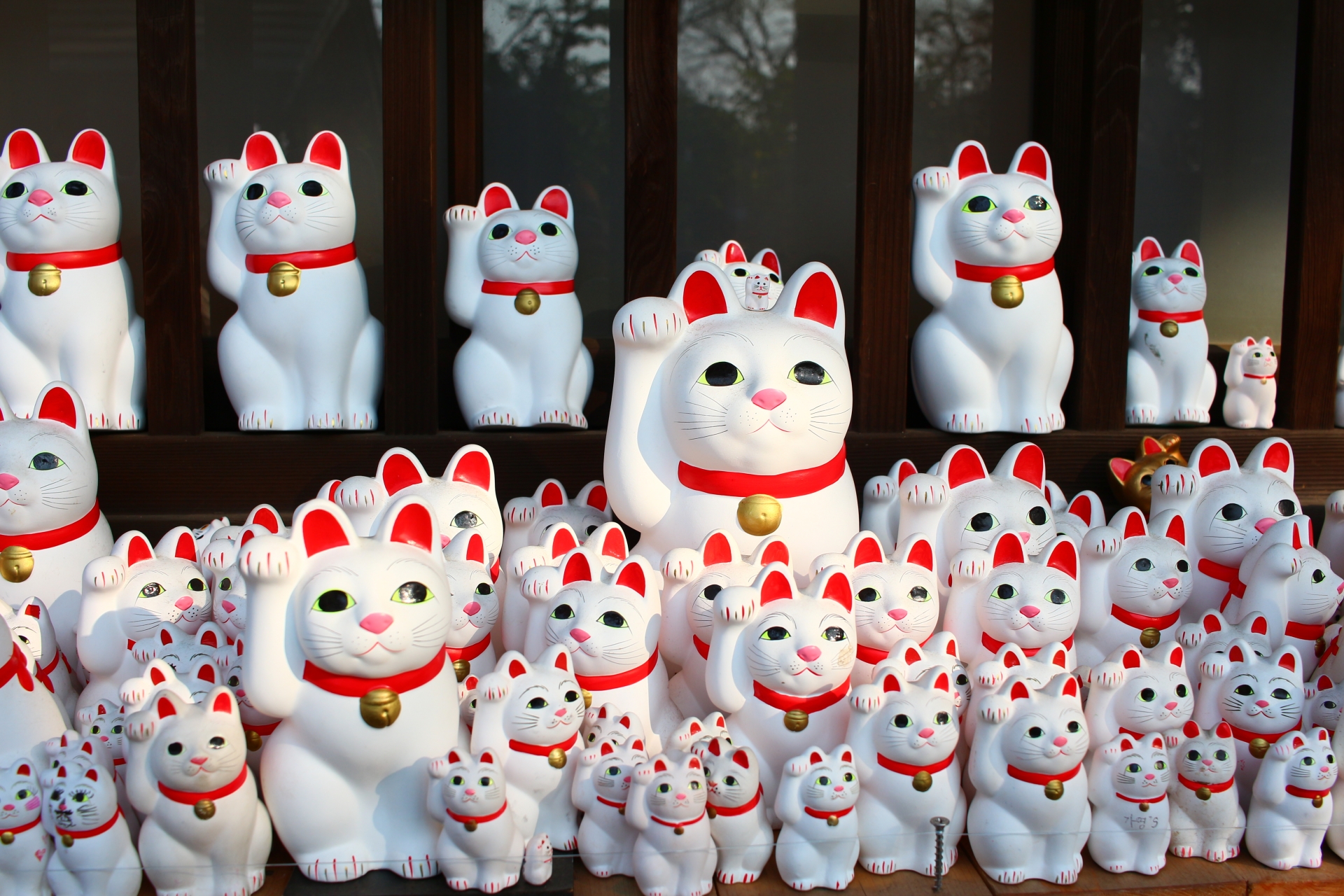
Relocating to Japan with a feline companion requires meticulous planning, strict adherence to Animal Quarantine Service (AQS) regulations, and an understanding of the local pet-rearing culture. Success depends on navigating pre-arrival document verification, mandatory microchipping, rabies vaccinations, and securing pet-friendly housing in a society where residential lease restrictions are common.
Understanding the Animal Quarantine Service (AQS) Requirements
The most critical aspect of bringing a cat into Japan is satisfying the requirements set by the Ministry of Agriculture, Forestry and Fisheries (MAFF) via the Animal Quarantine Service. Japan is a rabies-free country, which necessitates stringent import procedures to maintain this status.
The Two Pathways for Import
Japan classifies countries into "designated" and "non-designated" regions. While the rabies status of the origin country dictates the quarantine duration, nearly all cats entering Japan must follow the same core procedural flow:
- Microchip Identification: The cat must be implanted with an ISO 11784/11785 compliant microchip before any other procedures occur.
- Rabies Vaccination: Two vaccinations must be administered after the microchip is placed, at least 30 days apart.
- Antibody Titration Test: A blood sample must be sent to an MAFF-approved laboratory to confirm a neutralizing antibody titer of 0.5 IU/ml or higher.
- Waiting Period: A mandatory 180-day waiting period begins from the day the blood sample is drawn. If you arrive before this period concludes, your cat will face a significant quarantine stay.
- Notification: You must notify the AQS office at your intended port of entry at least 40 days before your arrival.
Arrival Procedures
Upon landing in Japan, you will present the cat, the original rabies vaccination certificates, the laboratory results, and the Japanese government-issued import inspection application form to the AQS inspector. If all documentation is in order and the cat passes a physical health check, the quarantine process is brief—often only a few hours. If there are minor documentation discrepancies, your pet may be detained for up to 180 days at your expense at a government facility or a quarantine kennel.
Housing and Pet-Friendly Living
Securing housing is often the most challenging aspect of life with a cat in Japan. Unlike in many Western nations, a significant portion of rental properties in Japan are listed as pet-fuka (pets prohibited).
Navigating Pet-Friendly Rentals
When searching for an apartment, you must explicitly confirm that "pet ownership" is allowed. Simply finding a place that is "pet-friendly" is not enough; many landlords only permit small dogs and specifically exclude cats due to concerns regarding claw damage to tatami mats, shoji screens, and wallpaper.
- Key Money and Deposits: Be prepared to pay higher upfront costs. Many landlords require an additional "pet deposit" (shikikin) which is often non-refundable, meant to cover the professional cleaning and odor removal required after the lease ends.
- Lease Clauses: Read your contract carefully. It may specify the number of cats allowed and, in some cases, require proof of spaying or neutering. Failure to disclose a pet can result in immediate eviction.
The Indoor-Only Culture
In Japan, the prevailing consensus among veterinarians and local animal welfare groups is that cats should be kept exclusively indoors. Neighborhoods are often dense, and road traffic can be significant. Furthermore, many residential complexes have strict rules against pets roaming in common areas. Keeping your cat indoors is not just a safety precaution but a requirement for maintaining harmony with your neighbors and complying with typical mansion (apartment building) bylaws.
Veterinary Care and Daily Life
Once settled, establishing a relationship with a local veterinarian is essential. Japanese veterinary clinics are high-quality, though the patient experience differs from what you might be accustomed to abroad.
Finding a Veterinarian
Most urban areas in Japan have numerous private clinics (dobutsu byoin). While English-speaking staff are more common in major cities like Tokyo and Osaka, it is beneficial to learn basic Japanese medical terminology, such as the words for "vaccination" (wakuchin), "appetite" (shokuyoku), and "diarrhea" (geri).
Costs and Insurance
Pet insurance in Japan is widely available and highly recommended, as there is no national health insurance for pets. Coverage typically handles 50% to 70% of medical costs. Many insurers provide tiered plans based on the age and breed of the cat, and enrollment is generally best done while the cat is young to avoid exclusions for pre-existing conditions.
Comparison of Cat Ownership Factors
| Feature | Requirement / Context |
|---|---|
| Microchip | Mandatory (ISO 11784/11785) |
| Import Notification | 40 days before arrival (to AQS) |
| Housing Policy | "Pet-fuka" designation required |
| Medical Costs | Out-of-pocket; insurance advised |
| Vaccinations | Recommended core vaccines (e.g., FVRCP) |
Daily Supplies and Nutrition
You will find that Japanese pet stores, such as Aeon Pet or smaller local outlets, offer a high standard of supplies. The Japanese market for pet food is sophisticated, with a heavy emphasis on both domestic and imported premium brands.
- Food Availability: Most international brands are available, though you may find different packaging sizes. If your cat has a specific medical diet, verify that the brand is imported or easily accessible in Japan before moving, or consult a vet about switching to a local equivalent.
- Litter and Sanitation: Compact, apartment-friendly litter solutions are standard. Because disposal of cat waste in Japanese apartment complexes can be strictly regulated, ensure you understand the building’s rules regarding trash separation and the disposal of pet waste.
Frequently Asked Questions
Can I bring my cat into Japan without the 180-day wait?
No, the 180-day waiting period is non-negotiable. If you arrive early, your cat will be placed in a quarantine facility at your expense until the 180 days are completed. The clock starts the day the blood sample is drawn for the rabies antibody test.
Are there any specific breed restrictions?
There are no specific breed bans for entering Japan, provided the animal is a domestic cat. However, some airlines may have their own restrictions regarding flat-faced (brachycephalic) breeds due to temperature and respiratory concerns during air travel.
How do I dispose of cat waste in an apartment?
Waste management in Japan is highly specific. Usually, pet waste should be treated as combustible trash. Check your specific ward’s guidelines for trash sorting and whether you are required to use specific, store-bought trash bags.
Is pet insurance mandatory?
Insurance is not legally mandatory, but it is highly recommended. Veterinary care costs in Japan can be high, and an unexpected illness or injury can result in significant financial strain. Most policies require a yearly renewal.
What should I do if my landlord finds out about an unpermitted cat?
If you have brought a pet into a "no-pet" unit, you are in breach of contract. This is grounds for immediate eviction. Always secure explicit, written permission from the landlord or management company before bringing the cat into your residence.
Final Recommendations for Success
The transition to life in Japan with a cat requires a proactive approach. Start your paperwork at least seven to eight months before your intended move date to comfortably accommodate the microchipping, vaccination, and titration timelines.
Once in Japan, prioritize your relationship with your neighbors by adhering strictly to building rules regarding noise, common area use, and waste disposal. Always carry your cat’s medical records, including your English and Japanese vaccination certificates, in a dedicated folder. By treating the administrative requirements with the same seriousness as the cultural expectations of your new home, you will ensure a smooth, long-term stay for both you and your cat.