Young people should consider life insurance if they have existing financial debts, dependents who rely on their income, or if they wish to lock in lower premiums while they are young and healthy. While many young adults view life insurance as a product for older individuals, securing a policy early acts as a hedge against future insurability risks and provides a foundation for long-term financial stability.
Understanding the Role of Life Insurance in Early Adulthood
Life insurance is fundamentally a risk management tool designed to replace lost income and settle financial obligations in the event of a death. For a young person—defined here broadly as those in their twenties or early thirties—the decision to purchase coverage is often met with skepticism. There is a common misconception that life insurance is only necessary when one reaches middle age, owns a home, or has children.
However, life insurance operates on the principle of risk pooling. By purchasing a policy while young, you are statistically less likely to have chronic health conditions or a high-risk medical history. Insurance carriers use actuarial data to determine premiums, and age is one of the most significant variables. By locking in a policy in your twenties, you secure a lower "base" premium that remains fixed for the duration of a term policy or for the life of a permanent policy, regardless of any health changes that may occur in your thirties or forties.
Identifying Your Coverage Needs
To determine if you truly need life insurance, you must conduct a personal financial audit. The primary questions revolve around your current financial footprint:
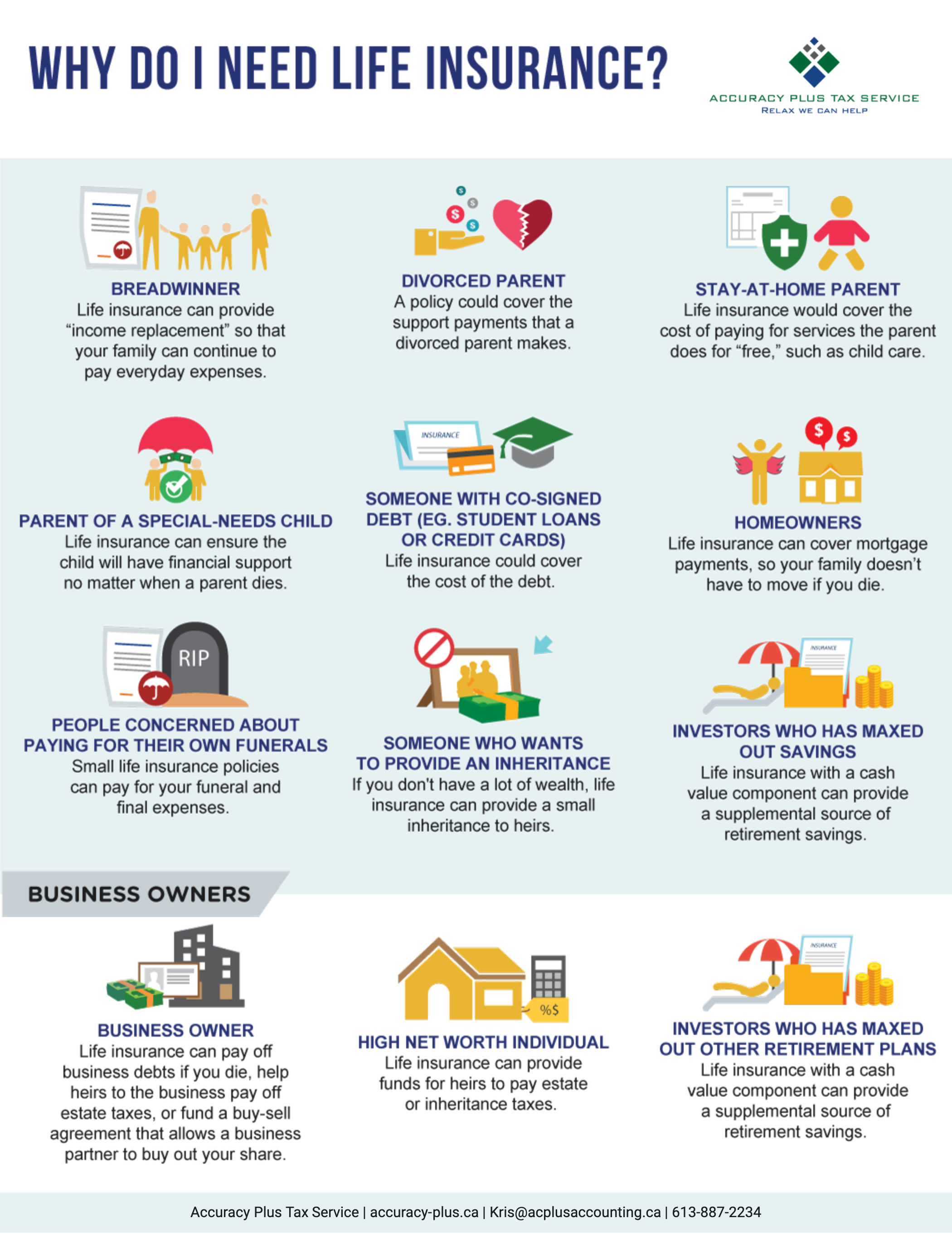
- Do you have co-signed debt? If your parents or a partner have co-signed your student loans or personal loans, your death could leave them legally responsible for that debt. Life insurance ensures those obligations are paid off rather than passed on.
- Do you provide financial support to others? If you are supporting aging parents, siblings, or a partner who relies on your income to pay rent or household expenses, your absence would create an immediate financial crisis for them.
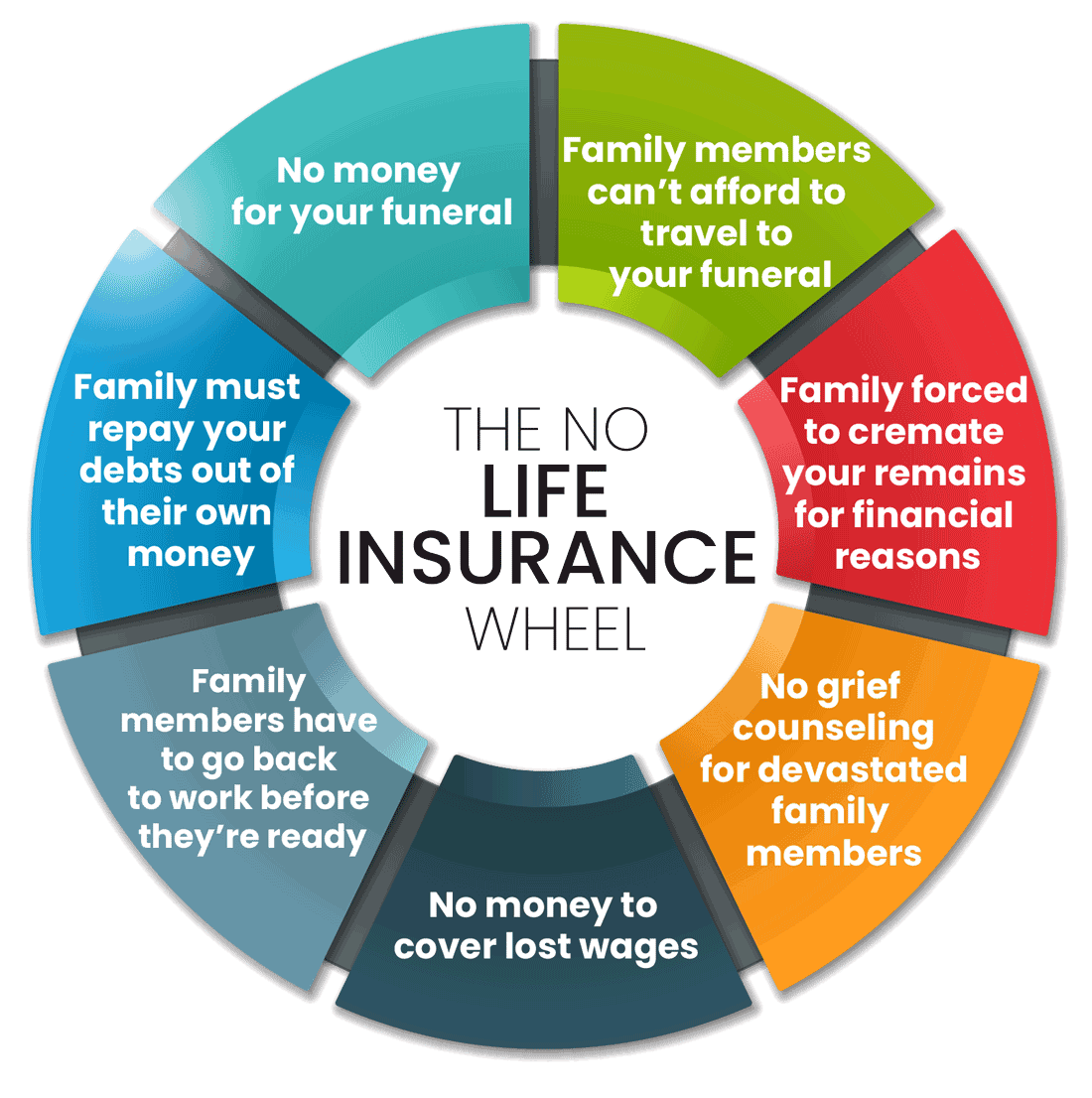
- What is your funeral and final expense outlook? Even without dependents, the average cost of a funeral and associated administrative costs can place a heavy burden on grieving family members. A modest policy can cover these final expenses.
- Are you planning for the future? Permanent life insurance products, such as Whole Life or Universal Life, accumulate cash value over time. For those with long-term financial goals, these policies can serve as a supplementary savings vehicle, though they come with higher premiums and more complexity than term policies.
Comparing Term Life vs. Permanent Life Insurance
Selecting the right type of policy is critical to ensuring your coverage aligns with your budget and life stage.
Term Life Insurance
Term life is the most common entry point for young adults. It provides coverage for a specific period (e.g., 10, 20, or 30 years). If you pass away during the term, your beneficiaries receive the death benefit. If the term expires, the coverage ends. This is typically the most affordable option, as it does not include an investment component. It is ideal for covering specific periods of high financial liability, such as the years you are paying off a mortgage or raising children.
Permanent Life Insurance
Permanent insurance, including Whole Life and Universal Life, provides coverage for your entire life, provided the premiums are paid. These policies include a "cash value" component that grows over time. While the premiums are significantly higher than term life, the product offers lifelong coverage and potential tax-advantaged access to cash value. For a young person, this is often a tool used for estate planning or as a supplement to traditional retirement accounts.
| Feature | Term Life Insurance | Permanent Life Insurance |
|---|---|---|
| Duration | Fixed (10–30 years) | Lifetime (if paid) |
| Cost | Generally Low | High |
| Cash Value | None | Yes |
| Complexity | Simple | High |
| Primary Goal | Income replacement | Estate planning/savings |
The Impact of Health and Lifestyle on Insurability
Insurers perform a medical underwriting process to determine your eligibility and premium rates. This usually involves a questionnaire about your health history, current medications, family health history, and lifestyle choices. In some cases, a paramedical exam—which includes checking blood pressure, height, weight, and sometimes blood or urine samples—is required.
As a young adult, you are often in your prime health years. If you delay applying for coverage until you are older, you face the risk of developing medical conditions such as high blood pressure, elevated cholesterol, or other chronic issues that could result in "rated" premiums (higher costs) or even denial of coverage. Securing a policy while healthy is a proactive way to bypass these potential future obstacles.
Common Mistakes to Avoid
When exploring life insurance options in your twenties or early thirties, avoid these common pitfalls:
- Underestimating or Overestimating Coverage: Use a standard "income replacement" formula (often 5 to 10 times your annual salary) to determine how much coverage you actually need. Buying too little leaves your survivors exposed; buying too much results in wasted premium dollars.
- Ignoring Group Insurance Limitations: Many young professionals receive life insurance through their employer. While valuable, this is often "portable" only if you stay with that employer. Relying solely on employer-provided insurance is risky because you lose that protection if you switch jobs or are laid off.
- Focusing Only on Premiums: While cost is a major factor, the financial strength of the insurance carrier and the specific terms of the policy (such as conversion privileges) are equally important. Ensure the insurer has high financial ratings from agencies like A.M. Best.
- Non-Disclosure: Always provide accurate information during the application process. Attempting to hide health conditions or dangerous hobbies can lead to the denial of a death benefit claim later, which defeats the purpose of the policy.
Evaluating the Cost-Benefit Equation
For most young people, the cost of a term life policy is surprisingly low. Often, a healthy 25-year-old can secure a substantial death benefit for the price of a streaming service subscription or a few coffee runs per month. This affordability is the primary argument for buying early.
However, recognize that this is a long-term commitment. You must be prepared to pay the premium every month or year for the duration of the term. If you are struggling with high-interest debt or lack an emergency fund, you should prioritize those financial goals before committing to a life insurance premium. Financial stability is a prerequisite for long-term insurance planning.
Frequently Asked Questions
1. Does my health status as a young person really matter for premiums? Yes, significantly. Insurers view age and health as proxies for mortality risk. Being young and healthy allows you to qualify for "Preferred" or "Super Preferred" rate classes, which are the lowest cost tiers available. These rates are locked in for the life of your policy.
2. Can I change my policy later if my financial situation changes? Many term life policies offer a "conversion privilege," which allows you to convert your term policy into a permanent policy later in life without undergoing a new medical exam. This is a crucial feature for young adults whose future health status is uncertain.
3. Is life insurance an investment? Term life insurance is not an investment; it is purely protection. Permanent life insurance has a cash value component, but it should be viewed as a long-term financial product rather than a primary investment vehicle like an index fund or a retirement account.
4. How much life insurance do I really need? A common rule of thumb is to calculate your total debt (student loans, credit cards) and add a multiple of your annual income (usually 5–10x) to account for future living expenses of potential dependents. Adjust this number based on your specific life goals and financial liabilities.
5. Why shouldn't I just wait until I have a family? Waiting until you are married or have children often coincides with having a more complex health history and higher age-related premiums. By purchasing a policy now, you ensure that you are already covered when those major life events occur, providing immediate peace of mind.
Final Recommendations
For the majority of young adults, the strategy is simple: evaluate your current financial liabilities. If you have co-signed debt or people who rely on your income, a term life insurance policy is a prudent, cost-effective way to protect your financial future. Focus on securing a level-term policy for a duration that covers your most significant liability periods, such as the duration of a student loan or the early years of your career.
Before signing a contract, compare quotes from at least three different reputable insurance companies. Use the online tools provided by your state’s insurance department or major financial advocacy groups to verify the license status of the insurance carrier. Start by speaking with a fee-only financial planner if you are uncertain about how much coverage matches your long-term goals.