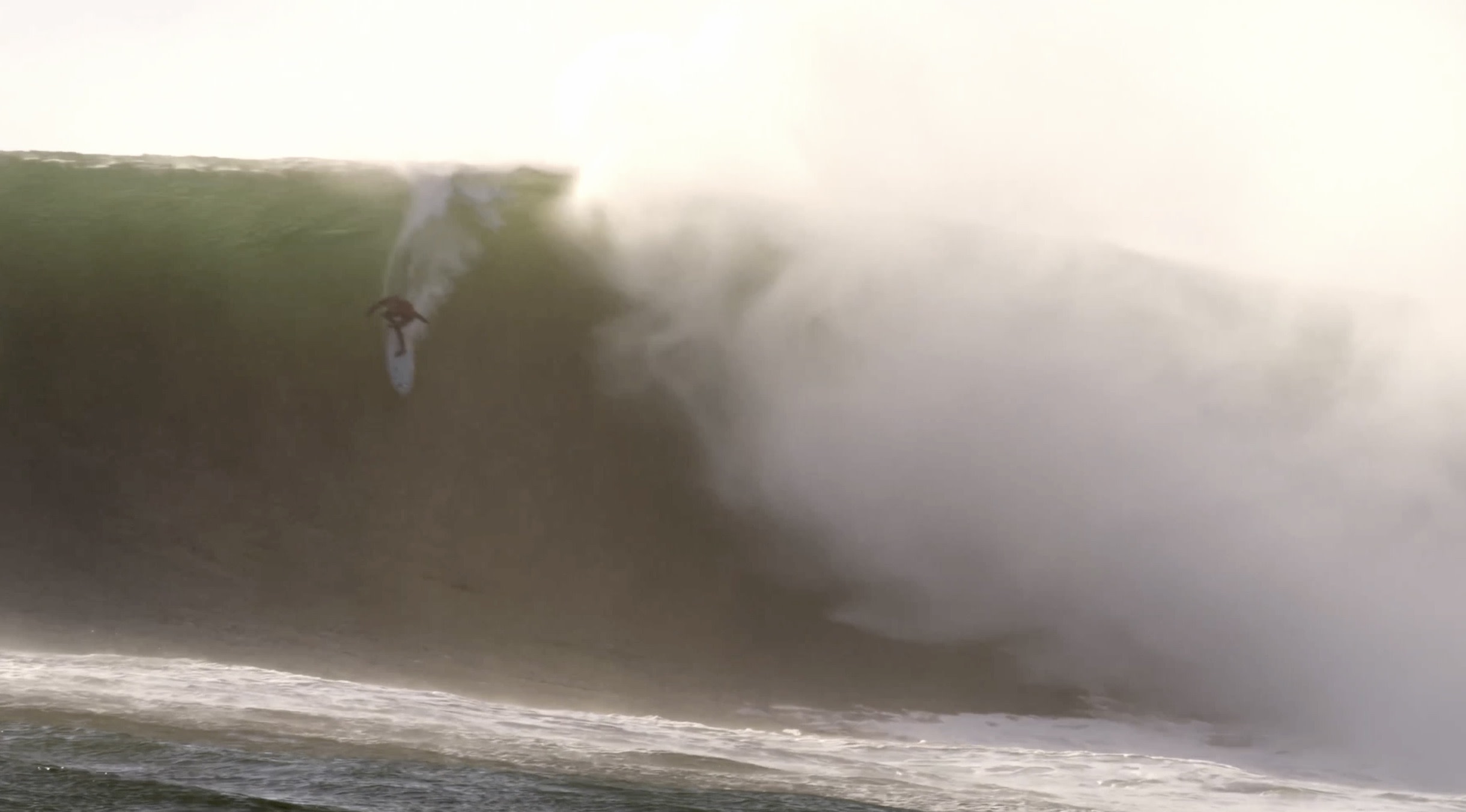
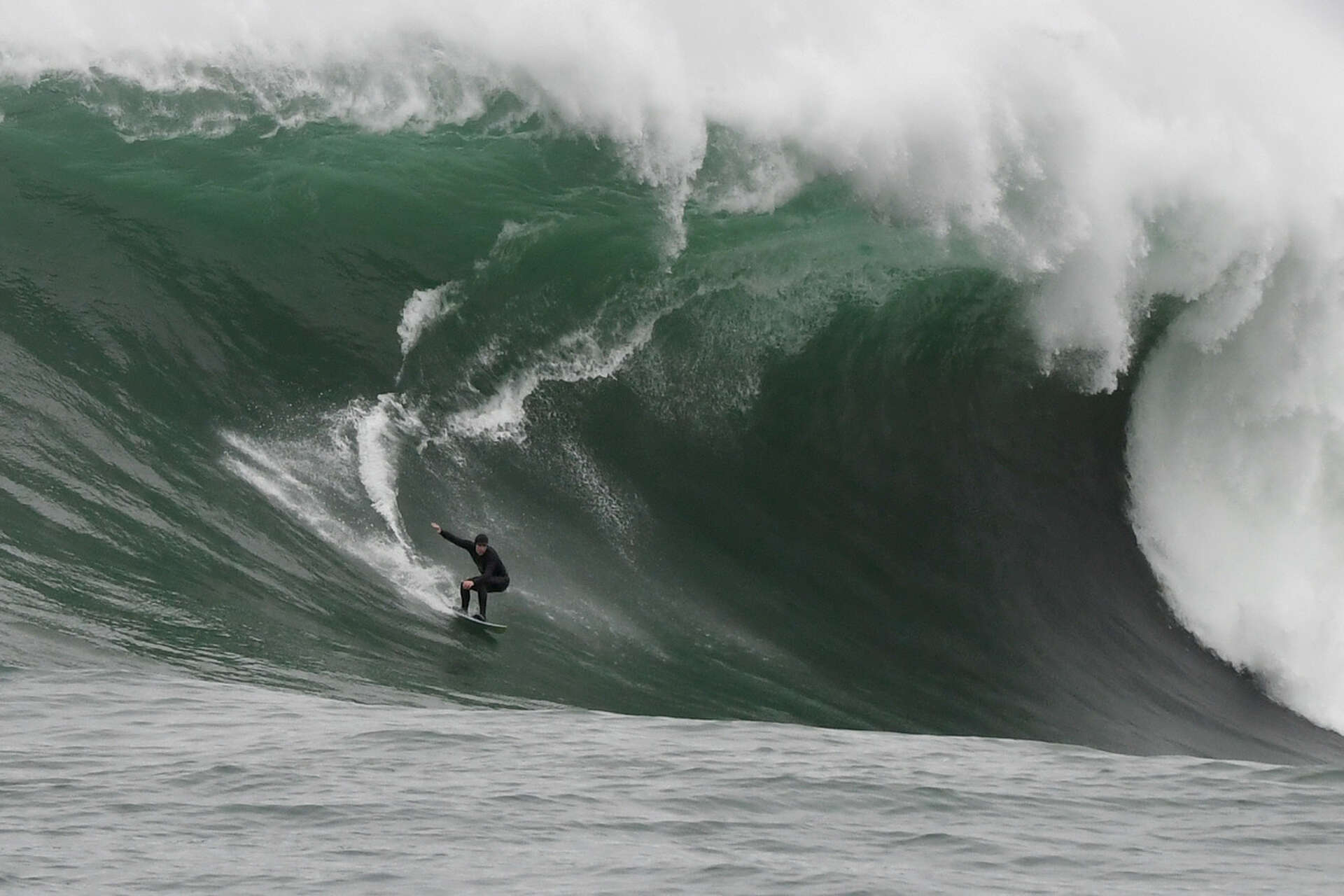
The Alo Slebirs Mavericks Wave refers to the specific intersection of high-performance surf culture, regional meteorological phenomena off the coast of Half Moon Bay, California, and the niche architectural or equipment configurations associated with "Slebirs" board designs. This convergence represents a peak testing ground for elite big-wave surfers and specialized marine engineering, demanding precise knowledge of bathymetry, swell period, and seasonal wave dynamics.
The Geography of Mavericks: A Technical Overview
To understand the Mavericks wave, one must first understand its unique bathymetric signature. Located approximately 0.5 miles (0.8 kilometers) from the shore of Pillar Point, the reef at Mavericks is not a simple geological feature. It is a complex, deep-water shelf that terminates abruptly. As deep-water swells originating from the North Pacific travel toward the California coast, they encounter this submerged ramp.
When these swells, often measuring 20 to 50 feet in face height, hit the sudden transition from deep ocean to the shallow, rocky bottom of the Mavericks reef, the energy is compressed into a vertical surge. This creates a "peak" rather than a uniform breaking wave. The "Slebirs" equipment lineage—often associated with custom-shaping and structural reinforcement—must be understood as a direct response to this specific physics. A board designed for this environment requires extreme volume and specific rocker profiles to handle the sheer force of the water shifting from potential to kinetic energy at the point of impact.
The Role of Equipment: Defining the Slebirs Influence
The term "Slebirs" in the context of Mavericks refers to a lineage of specialized big-wave equipment, often characterized by high-density foam cores and glassing schedules designed for structural integrity under high-impact loads. Big-wave surfing at this location is not merely a test of athleticism; it is a test of equipment failure rates.
Structural Requirements for Big-Wave Boards
- Core Material: High-density EPS or polyurethane foam is necessary to prevent buckling during the high-velocity "drop" phase of the wave.
- Fin Configuration: Quad-fin setups are standard for Mavericks, providing maximum hold on a steep, moving face of water where speed and stability are critical.
- Weight Distribution: A heavier board is often preferred at Mavericks to maintain momentum through "chatter," which occurs when the surface of the wave is uneven due to wind or turbulence.
- Glassing: Multi-layer epoxy or polyester resin applications are standard to resist the shearing forces encountered during a "wipeout" or high-speed carve.
In the 2026 surfing season, practitioners emphasize that the "Slebirs" style of design focuses on the "clean entry"—the ability of the board to penetrate the surface tension of the wave without skipping or losing contact with the water. When a surfer commits to a wave of this magnitude, the equipment must serve as an extension of the body’s center of gravity to mitigate the extreme G-forces experienced during the bottom turn.
Meteorological Prerequisites for the Mavericks Wave
The Mavericks wave does not function on a daily schedule. It is a seasonal phenomenon that requires a specific set of meteorological conditions, typically occurring between November and March.
- Deep-Water Swell Generation: Strong low-pressure systems in the Gulf of Alaska must produce long-period swells, usually exceeding 16–18 seconds. A long period indicates that the waves are traveling at a higher velocity, carrying significantly more mass.
- Directional Alignment: For the wave to "pitch" correctly, the swell must arrive from a west-northwest direction. If the angle is off by even a few degrees, the wave may wash out or become a "close-out," where the entire length of the wave breaks simultaneously, making it unrideable.
- Local Wind Conditions: "Offshore" winds are vital. Wind blowing from the land toward the ocean grooms the wave face, holding it up longer and creating a smoother surface for the board to glide upon.
Failure to account for these variables often results in a "flat" day at the break, even if the swell forecast appears substantial. Experienced surfers and local teams verify the buoy data from the National Data Buoy Center (Station 46012) to confirm swell height and period before making the commitment to launch.
Comparative Analysis: Mavericks vs. Standard Surf Breaks
To better understand the scale and difficulty of the Mavericks wave, it is useful to compare it to more common surf environments. The primary differentiator is the "A-frame" peak combined with the extreme water volume.
| Feature | Mavericks | Typical Beach Break |
|---|---|---|
| Wave Power | Extremely High | Moderate |
| Bathymetry | Rocky/Submerged Reef | Sandbar |
| Drop Difficulty | Vertical/Critical | Gradual |
| Equipment Needs | Specialized "Slebirs" Boards | Standard Shortboards |
| Safety Risks | High (Drowning/Impact) | Low to Moderate |
This table highlights why specialized equipment is a prerequisite for entry. A standard surfboard lacks the necessary displacement to maintain stability at the velocity required for the Mavericks takeoff. Furthermore, the rocky bottom poses a unique set of safety risks, including the danger of being pinned against the reef by the sheer volume of water.
Safety and Operational Guidelines in 2026
The environment at Mavericks is inherently dangerous. In 2026, the protocols for approaching the wave remain rooted in safety-first operations. Participation requires:
- PFDs (Personal Flotation Devices): Most riders now utilize inflatable vests that can be activated to bring the surfer to the surface after a deep-water wipeout.
- Support Teams: No serious effort is made without jet-ski support (tow-in or safety rescue). If a surfer loses their board, the jet-ski acts as the primary recovery vehicle to prevent the surfer from being washed into the impact zone.
- Physical Conditioning: The cardiovascular demand of paddling into such a wave, combined with the "hold-down" (the time spent underwater during a wipeout), requires specific training. Many practitioners utilize apnea training to increase CO2 tolerance.
- Local Knowledge: The reef is complex, and "localism" often dictates that only those who have spent years observing the break should attempt to ride it. It is not a place for inexperienced surfers, regardless of their fitness level.
FAQ: Common Questions Regarding the Mavericks Experience
1. Is the Mavericks wave accessible to intermediate surfers? No. Mavericks is considered an expert-only location. The physical size of the waves and the intensity of the water movement pose a significant risk of injury or death. Intermediate surfers should look to alternative, lower-consequence breaks.
2. What does "Slebirs" imply in the context of surfboards? In this niche, it refers to a specific design philosophy focused on high-volume, structural durability, and extreme stability. These boards are built for speed and holding a line in very turbulent water, rather than for performance maneuvers on smaller, cleaner waves.
3. What is the best way to monitor the wave for arrival? Surfers typically monitor the National Weather Service Pacific swell models and specific buoy stations that report on the 16-second+ swell period. Digital surf forecasting platforms provide real-time updates on wind and swell conditions.
4. How long do the waves usually stay rideable during a swell? Depending on the strength of the low-pressure system, a "Mavericks event" can last anywhere from a few hours to an entire day. As the tide changes, the characteristics of the wave shift, and what is rideable at low tide may be dangerous or impossible at high tide.
5. Are there legal restrictions on surfing at Mavericks? While the ocean is public, the area around Pillar Point is subject to maritime regulations. During extreme weather, local authorities may restrict boat and water access for public safety. Always check with the local harbor patrol before heading out.
Final Recommendations for Enthusiasts
If your interest lies in the technical aspects of big-wave riding, your first step should be to study the bathymetric maps of the Pillar Point area. Understanding the "why" behind the wave’s formation provides better insight than observing the surf itself. For those looking to progress, gain experience at medium-consequence big-wave spots under professional supervision before even considering an attempt at a venue like Mavericks.
Ensure your equipment is professionally maintained, and if you are using custom shapes like the Slebirs-style boards, consult with a professional shaper who has specific experience with North Pacific winter swells. Respect for the ocean’s power and the local community remains the most important prerequisite for any engagement with this legendary wave.