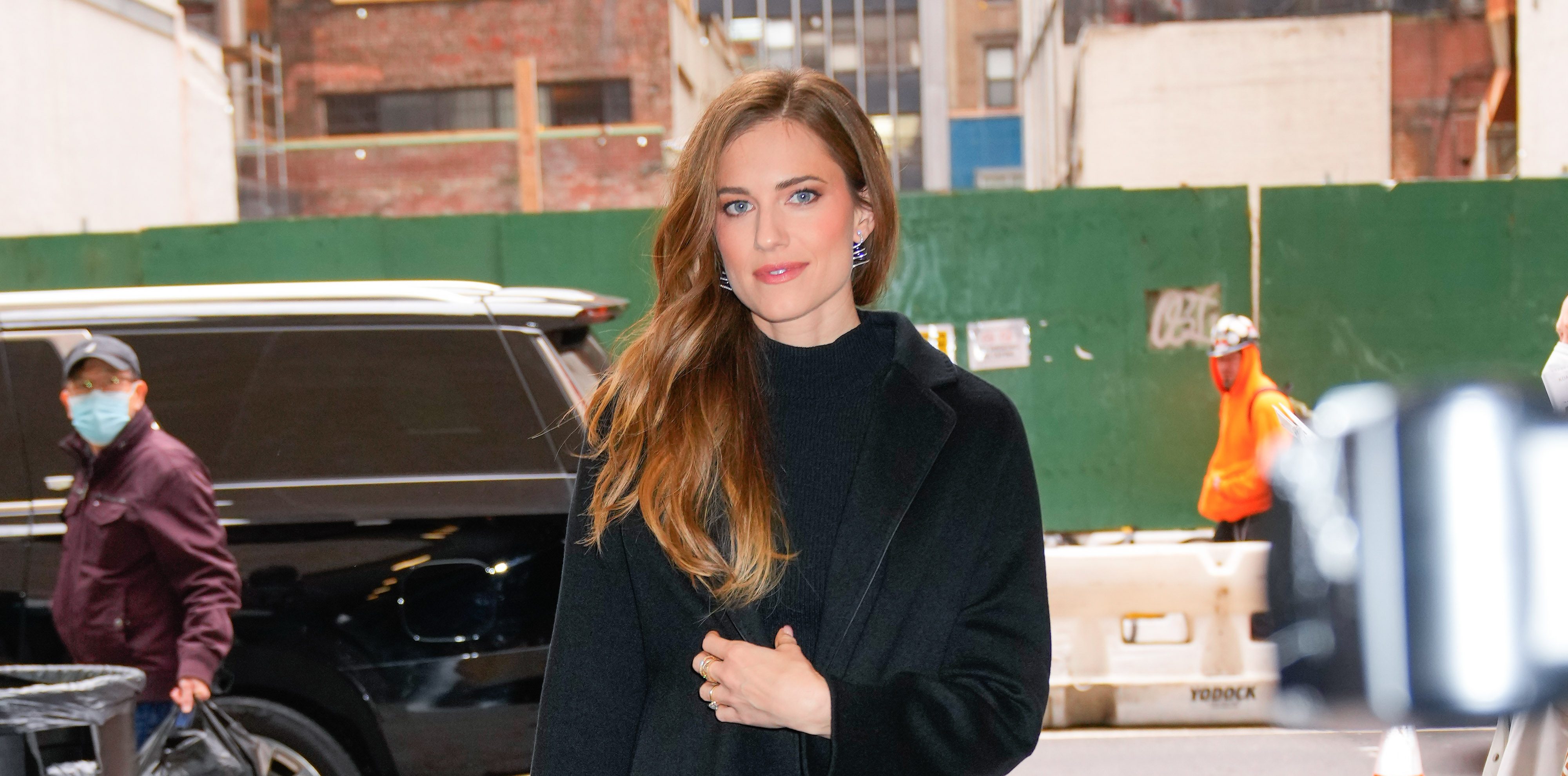
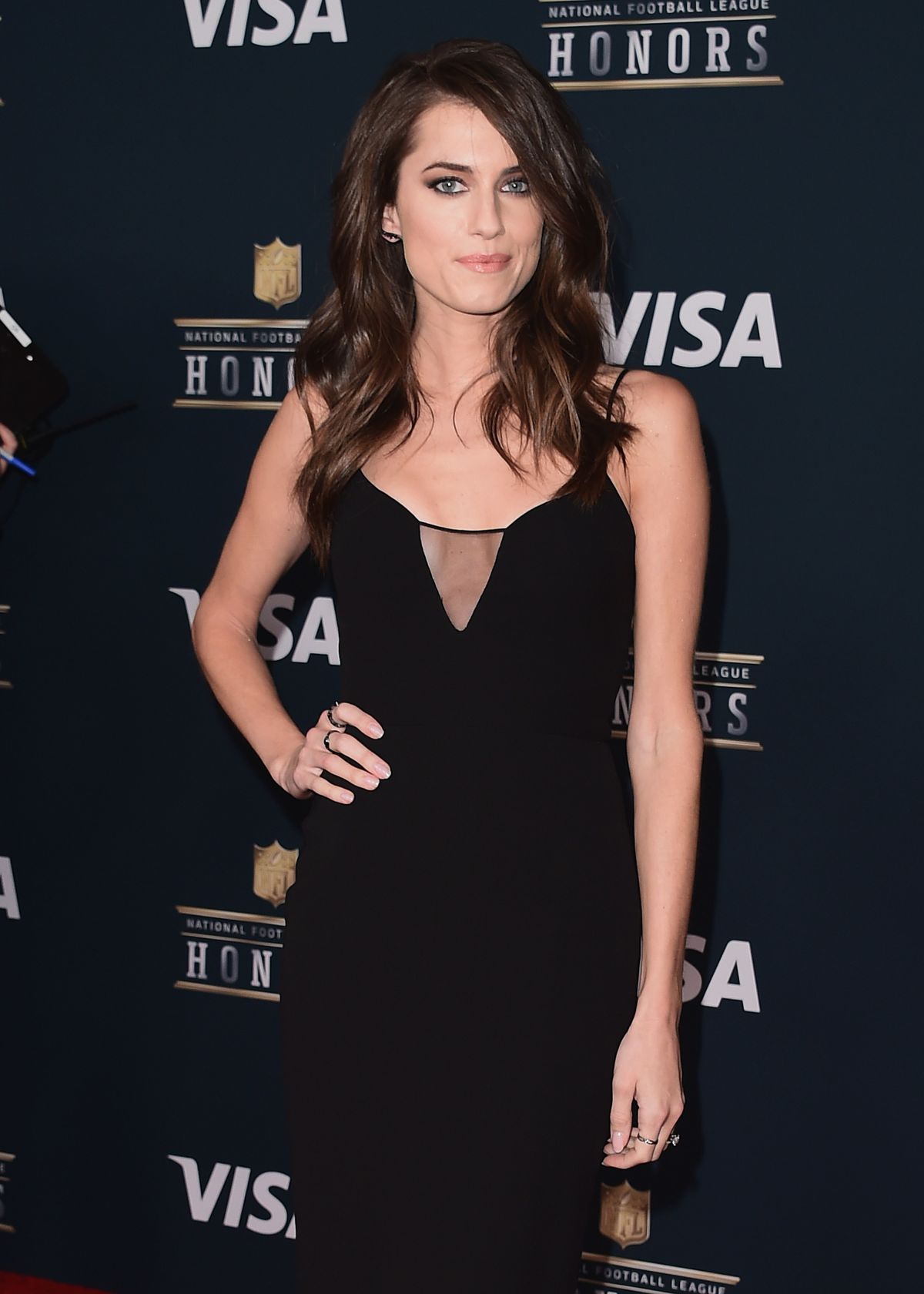
The confusion surrounding Allison Williams in the context of the NFL primarily stems from a case of identity overlap between the veteran sports broadcaster Allison Williams and the prominent American actress Allison Williams. While the journalist is well-known for her tenure with ESPN and her coverage of college football, public discourse often conflates her professional milestones—and the high-profile controversies regarding broadcast mandates—with the public appearances and media presence of the actress famous for her role in the television series Girls.
Understanding the Two Figures: Disambiguation
To resolve the confusion, one must first distinguish between the two prominent women who share the name. In the media landscape, name collisions are relatively common, but when both individuals maintain high-profile public careers, search engines and social media algorithms often aggregate their news, leading to user friction.
Allison Williams the Sportscaster
The primary subject of interest in sports media is Allison Williams, a seasoned sideline reporter and journalist. Her career is defined by her extensive work for ESPN and the SEC Network. She has spent over a decade on the front lines of collegiate sports coverage, becoming a recognizable face during major college football broadcasts. Her reputation is built on her ability to handle live, high-pressure environments, conduct insightful interviews with coaching staff, and provide real-time updates during fast-paced games.
Allison Williams the Actress
The secondary figure is Allison Williams, the daughter of former NBC Nightly News anchor Brian Williams. She is a recognized actress, best known for her critically acclaimed performances in the HBO series Girls and the 2017 horror film Get Out. Her public presence is rooted in the entertainment industry, red carpet events, and film production.
The "confusion" usually peaks when major news outlets report on either woman. For instance, when the reporter’s employment status has shifted due to network policy, casual observers or automated news aggregators have occasionally attributed these professional developments to the actress, creating a narrative blur that persists in online discourse.
The NFL vs. College Football Nexus
A significant factor contributing to the confusion is the assumption that Allison Williams (the journalist) is an "NFL reporter." In reality, her professional expertise is firmly rooted in the college football landscape.
Clarifying the Career Focus
Throughout her career at ESPN, Williams has been synonymous with the Saturday broadcast schedule. College football and the NFL are often grouped together in the minds of casual sports fans as "football," but they operate under vastly different broadcast structures, talent rosters, and institutional cultures.
When viewers search for "Allison Williams NFL," they are often looking for the specific reporter they have seen on television, incorrectly assuming her professional home is the NFL rather than the NCAA circuit. This is a common misidentification of talent; viewers frequently recognize the skill set of a reporter—the ability to navigate sideline protocols and post-game interviews—without necessarily tracking which specific league that reporter covers.
The Role of Sideline Reporting
Sideline reporting in the NFL and college football demands a similar set of technical skills:
- Real-time verification: Confirming injury reports with team medical staff.
- Coaching interaction: Delivering post-quarter or post-half interviews in high-noise environments.
- Storytelling: Synthesizing complex game narratives into 30-to-60-second segments.
Because Williams has performed these tasks with high proficiency, it is natural for audiences to equate her with the highest level of professional football (the NFL), even if her actual assignments have historically been focused on the collegiate level.
The 2021 Vaccination Mandate Controversy
Much of the intense search traffic and public conversation regarding Allison Williams in 2021 was not about a specific league, but about a personal decision that led to a major professional change. This event is frequently the catalyst for "confusion" searches.
In the fall of 2021, ESPN—under its parent company Disney—implemented a vaccine mandate for its employees. Williams, who had been a fixture on the network’s college football coverage, publicly announced that she would not be receiving the COVID-19 vaccine due to concerns regarding fertility.
Professional Fallout and Media Reporting
The situation was widely covered in both sports and mainstream media. Because of the mandate, Williams was unable to perform her sideline duties for the 2021 college football season. This hiatus was a defining moment in her career, sparking debates regarding bodily autonomy, corporate policy, and the role of broadcast journalists in public health discussions.
The confusion here occurred in two ways:
- The League Misidentification: Many reports linked her departure from the broadcast booth to the "NFL" in search queries, even though the mandate applied to her role at ESPN, not the league itself.
- The Name Confusion: Readers unfamiliar with the specific journalist often conflated the story with the actress Allison Williams, leading to inaccurate speculation on social media about the actress’s employment status and personal health decisions.
Comparison of Professional Profiles
The following table clarifies the distinctions between the two figures to help users navigate future search results effectively.
| Feature | Allison Williams (Journalist) | Allison Williams (Actress) |
|---|---|---|
| Primary Industry | Sports Broadcasting | Entertainment/Acting |
| Notable Affiliation | ESPN / SEC Network | HBO / Universal Pictures |
| Core Expertise | Sideline Reporting | Screen Acting |
| Common Search Intent | Status, Employment, Sports Commentary | Filmography, Personal Life, News |
| Subject of "Mandate" Searches | Yes (2021 Employment Dispute) | No |
The Impact of Algorithms on Search Confusion
Why does the confusion persist years later? The answer lies in how search engines like Google and Bing categorize entities. When a user enters "Allison Williams," the search engine provides a "Knowledge Panel" that often prioritizes the actress due to her higher global search volume and mainstream celebrity status.
When the sports journalist makes a rare headline or returns to a broadcast, the search engine’s algorithms struggle to distinguish the intent of the user. If a user searches "Allison Williams NFL," the algorithm forces a connection between the journalist and the league, even if the result is a non-sequitur or a compilation of unrelated news snippets.
How to Find Accurate Information
To effectively research the sports journalist and avoid the actress, utilize these search strategies:
- Use Specific Modifiers: Instead of "Allison Williams," search for "Allison Williams ESPN reporter" or "Allison Williams sideline reporter."
- Exclude Keywords: Use the minus operator to filter out entertainment content. For example:
Allison Williams -actress -Girls -Get Out. - Focus on Primary Sources: Navigate directly to sports news outlets or the SEC Network archives when looking for her specific reporting history.
Why Sideline Reporting Matters in Public Perception
The confusion highlights an interesting aspect of modern media: the "faceless" nature of experts. While the anchor of a nightly news show or the lead commentator of a game is often a household name, the sideline reporter is a specialized role.
Viewers see these individuals weekly during the season, develop a sense of familiarity, and associate them with the "experience of watching football." When the reporter vanishes or shifts roles, the audience notices, but they often lack the granular details regarding the reporter's specific league or network contracts. This is why when a reporter as prominent as Williams is absent, the "confusion" is not necessarily about who she is, but about the structure of the industry that dictates when and where she appears.
Frequently Asked Questions
Did Allison Williams ever work for the NFL?
No. Allison Williams has primarily built her career in collegiate sports, specifically working for ESPN and the SEC Network. While she is a professional broadcaster with a deep understanding of football, her assignments have focused on college games rather than the professional National Football League.
Why do news articles sometimes show the actress when talking about the sports journalist?
This is a result of image tagging and automated indexing in digital journalism. When an article is tagged with the name "Allison Williams," content management systems and search indexers may pull images or metadata associated with the more famous individual (the actress) simply because she has more overall digital presence, leading to erroneous displays.
What is the current status of Allison Williams the journalist?
As of 2026, Allison Williams continues to maintain a career in sports broadcasting. Following her departure from ESPN in 2021, she has transitioned into other media roles and independent projects. She remains a prominent voice in sports journalism.
Is the confusion between the two Allison Williamses intentional?
No, it is strictly an incidental result of two high-profile individuals sharing the same name. Neither party has attempted to capitalize on the confusion, and both generally maintain separate professional spheres.
How can I verify if an article is about the sports journalist?
Look for context markers in the lead paragraph. Articles about the sports reporter will almost always mention "sideline," "ESPN," "college football," "SEC," or "broadcasting." If the article mentions "HBO," "film," "acting," or "theaters," it is referring to the actress.
Recommendations for Future Inquiries
If you are a student of media or a sports enthusiast trying to track the career of the journalist, the best approach is to focus on her specialized field. Her expertise in college football is well-documented in the annals of sports media, and her career trajectory serves as an interesting case study in the evolution of broadcast contracts and industry mandates.
When conducting research, verify the "contextual markers" provided above. By ignoring the noise generated by celebrity-focused search algorithms and focusing on the specific reporting niche of the journalist, you can bypass the confusion and find the information you require. Should you encounter a headline that seems inconsistent with her known career history, assume it is a misidentification until verified by a sports-specific publication.