Alfred Molina’s father was Cayetano Molina Hernández, an immigrant worker whose labor-class background, international journey, and eventual settling in London profoundly shaped the acclaimed actor’s upbringing, work ethic, and artistic sensibilities.
Introduction to Alfred Molina’s Family Heritage
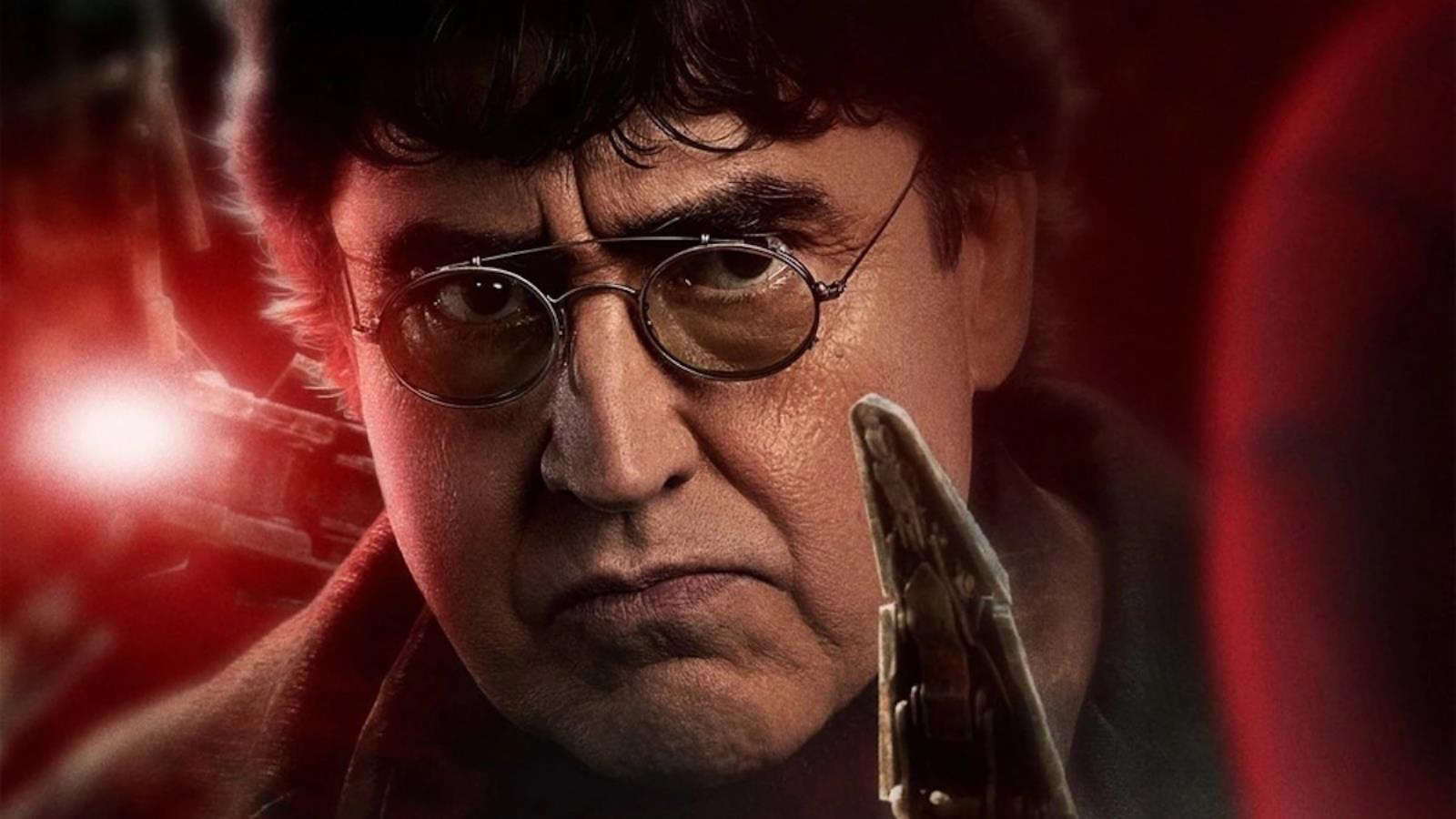
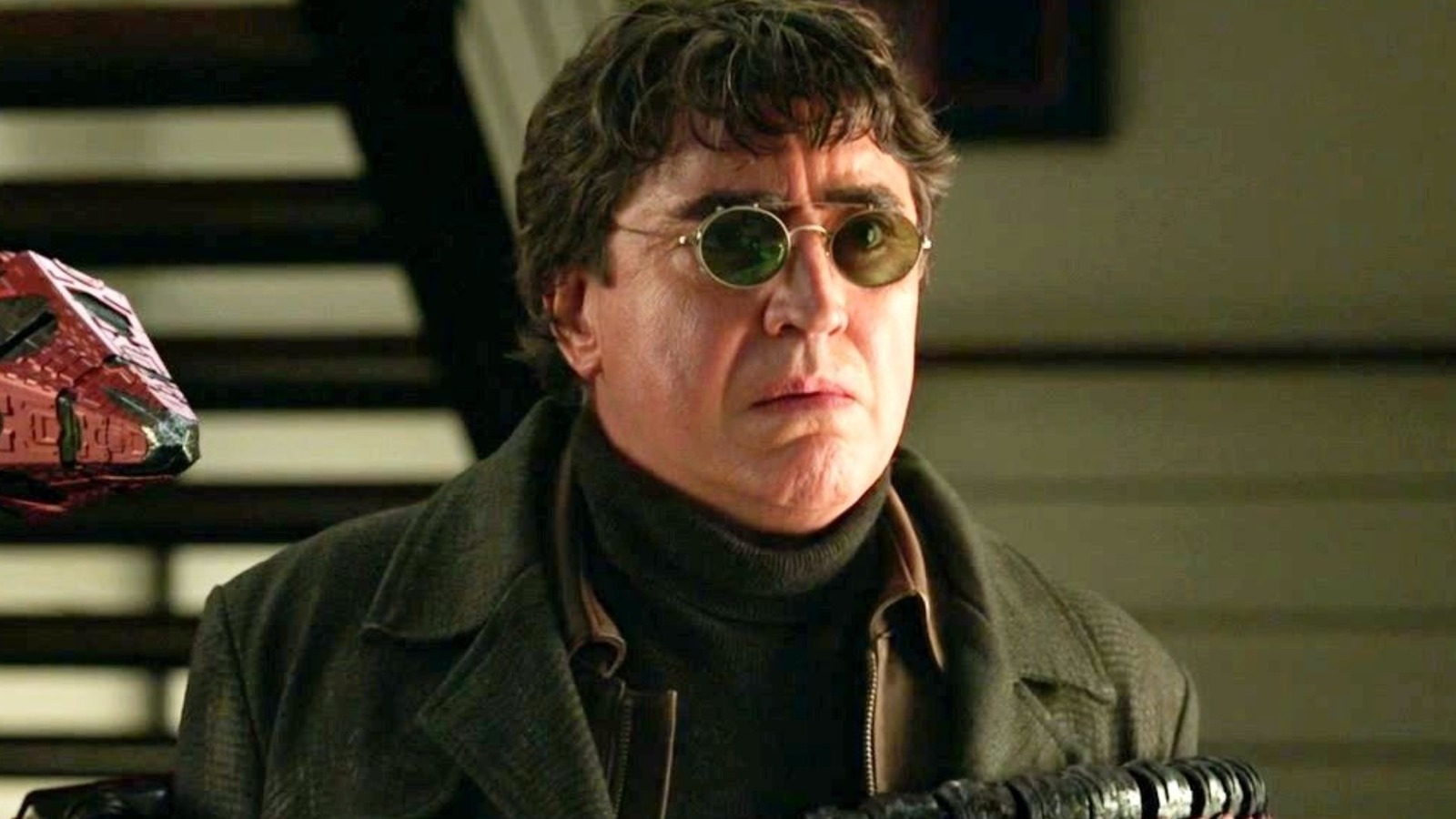
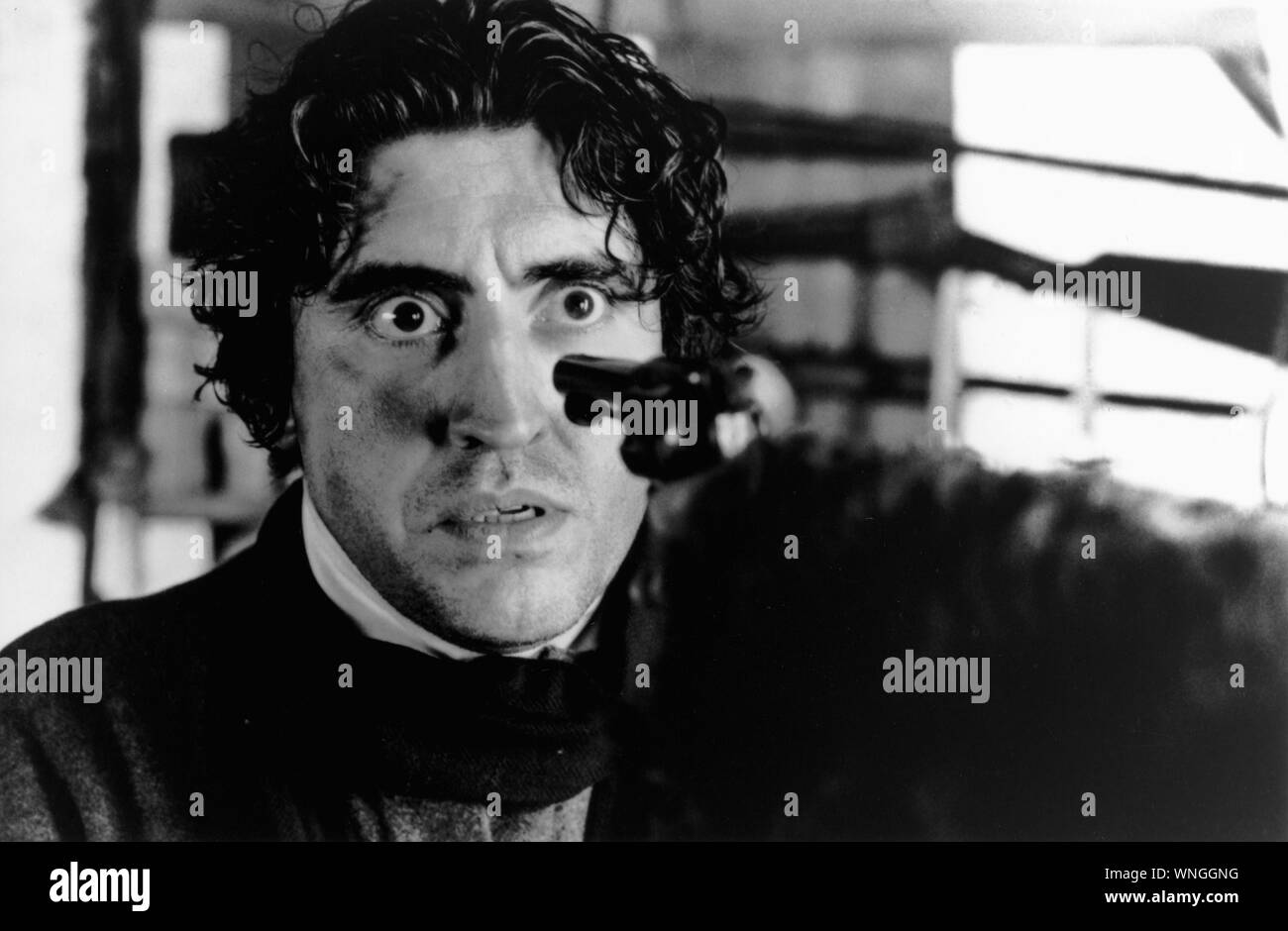
When exploring the personal history and background of veteran stage and screen actor Alfred Molina, attention frequently turns to the foundational role played by his parents. Understanding Alfred Molina's dad—Cayetano Molina Hernández—requires examining mid-20th-century European migration, working-class realities in post-war London, and the multicultural household that nurtured a future theatrical icon. While Alfred Molina is globally celebrated for his iconic cinematic roles, including Doctor Octopus in Spider-Man 2, Inspector Javert in Les Misérables, and intricate character performances across film, television, and Broadway, his journey began in a modest flat in Notting Hill, London.
The cultural friction and synthesis of a Spanish father and an Italian mother created a distinct domestic environment. This article provides a comprehensive exploration of Cayetano Molina Hernández's life, his migration to the United Kingdom, his occupational background, and the lasting impact he had on his son's personal and professional trajectory.
The Origins and Migration of Cayetano Molina Hernández
Cayetano Molina Hernández was born in Spain, coming of age during a period marked by profound political and economic instability following the Spanish Civil War and leading into the Francoist era. Like many young Spanish men of his generation seeking economic stability and better prospects away from a struggling domestic economy, Cayetano made the decisive choice to emigrate.
Leaving Spain for Post-War Europe
During the late 1940s and early 1950s, labor migration across Western Europe accelerated as rebuilding nations faced workforce shortages. Spain experienced high unemployment and stringent economic controls, prompting thousands to look toward France, Germany, and the United Kingdom for employment. Cayetano’s journey eventually brought him to the United Kingdom, where he integrated into the bustling, multicultural mosaic of London—a city undergoing its own massive post-war reconstruction and demographic shifts.
Settling in London and Meeting Giovanna Bonelli
Upon arriving in London, Cayetano worked diligently to establish a foothold in an unfamiliar country where he initially faced language barriers and cultural adjustments. It was within this vibrant immigrant community in London that he met Giovanna Bonelli, an Italian immigrant who had also moved to the UK in search of work.
Giovanna worked as a cleaner in hotels, while Cayetano found employment within the hospitality and service sectors, notably working as a waiter and chaffeur. The union of a Spanish father and an Italian mother established a distinctly Mediterranean household in the heart of working-class London. They eventually settled in the Notting Hill district long before it became the gentrified, upscale neighborhood known today; in the 1950s and 1960s, Notting Hill was a densely populated, economically challenged area inhabited largely by working-class families and recent immigrants.
Domestic Life and the Working-Class Upbringing
Alfred Molina was born Alfred Molina Jr. on May 24, 1953, in London, growing up as the son of working-class immigrant parents. The household dynamic was defined by diligence, financial frugality, and a strong emphasis on practical labor.
Economic Realities in Notting Hill
Life in Notting Hill during Alfred's childhood was far removed from the glamorous world of international cinema. The family lived in a rented tenement flat, and both parents worked long, grueling hours to ensure financial survival. Cayetano’s labor as a waiter and occasional chauffeur meant he spent erratic hours away from home, dedicating his energy to providing for his family. Giovanna balanced domestic responsibilities with her cleaning jobs.
This environment instilled in the young Alfred a deep appreciation for physical labor and the value of steady employment. In numerous retrospective interviews, Molina has spoken candidly about his father's relentless work ethic, noting that watching his parents labor in service industries left an indelible mark on his understanding of dignity in work.
Cultural and Linguistic Influences
Growing up in a bilingual household where Spanish and Italian were frequently spoken alongside English provided Alfred with a unique linguistic foundation. However, outside the home, the family navigated the challenges of assimilation in a British society that was at times insular. Cayetano maintained strong ties to his Spanish heritage, imparting cultural values of hospitality, familial loyalty, and resilience to his son.
Comparison of Parental Backgrounds and Influences
To fully understand the domestic ecosystem that shaped Alfred Molina, it is helpful to examine the distinct backgrounds of both his father and mother.
| Parent | Country of Origin | Primary Occupation in London | Core Cultural Influence on Alfred |
|---|---|---|---|
| Cayetano Molina Hernández | Spain | Waiter, Chauffeur, Service Worker | Work ethic, resilience, Spanish heritage, dignity in labor |
| Giovanna Bonelli | Italy | Hotel Cleaner, Domestic Worker | Emotional expressiveness, culinary traditions, European perspective |
This side-by-side breakdown illustrates how the blending of Spanish and Italian working-class traditions created a rich multicultural backdrop for an actor renowned for his linguistic versatility and facility with accents.
Cayetano's Reaction to Alfred’s Pursuit of Acting
One of the most defining aspects of the father-son relationship was Cayetano’s initial skepticism regarding Alfred's ambition to become a professional actor. Like many immigrant parents who sacrificed immensely to secure a stable livelihood in a foreign country, Cayetano viewed career stability through the lens of traditional, secure employment.
The Clash Between Practicality and Artistry
When Alfred Molina expressed a desire to pursue acting—participating in school plays and eventually applying to the Guildhall School of Music and Drama—his father greeted the ambition with concern rather than immediate support. For Cayetano, acting was not a proper "job" with a predictable pension or steady weekly wages; it appeared to be an uncertain, precarious path fraught with rejection.
Alfred has recounted that his father frequently questioned the practicality of spending hours memorizing lines when there were physical jobs available that offered immediate, tangible financial returns. This generational tension is common in immigrant families, where the parent's primary metric of success is physical security and upward mobility achieved through sheer toil.
Eventual Acceptance and Pride
Despite his initial misgivings, Cayetano did not actively sabotage his son's ambitions. As Alfred began securing small stage roles, working with regional repertory theaters, and gradually building a respectable resume in British television and film during the late 1970s and 1980s, his father's attitude shifted from skepticism to cautious pride.
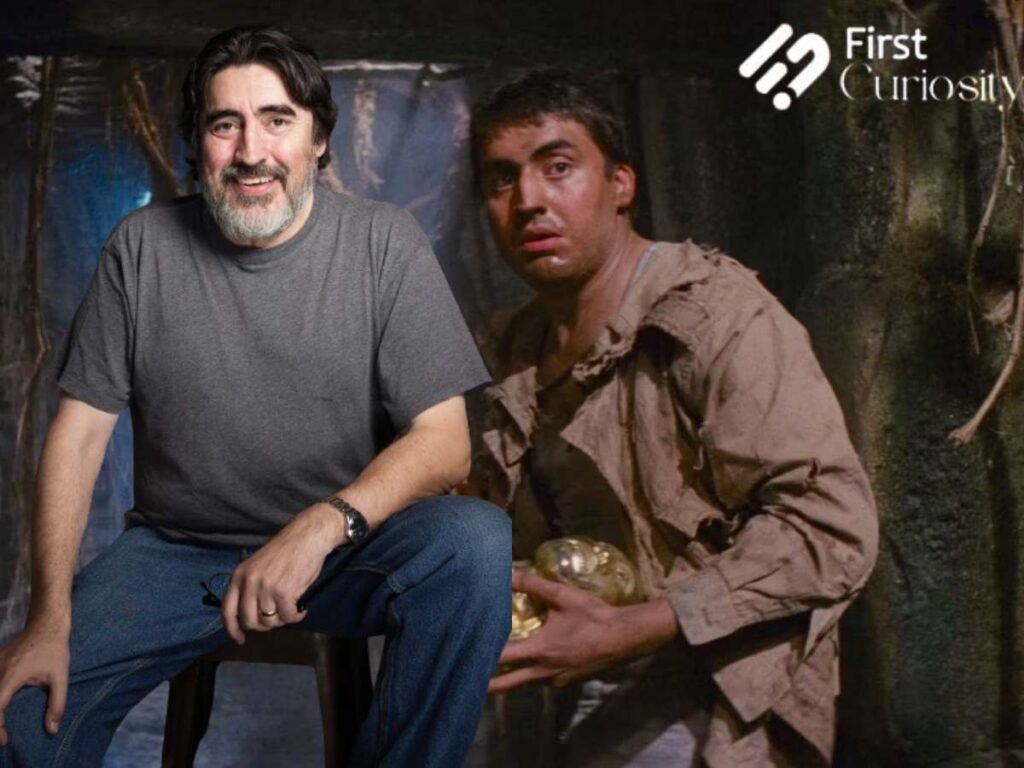
When Alfred achieved his breakthrough international film role in Raiders of the Lost Ark (1981)—playing the ill-fated guide Satipo in the memorable opening sequence—it served as a turning point. Seeing his son's name on cinema screens and witnessing his professional commitment validated Cayetano’s realization that Alfred was forging a legitimate, sustainable career. In later years, as Alfred Molina’s star continued to rise with major roles in West End theater, Broadway, and Hollywood blockbusters, his father took immense pride in his achievements, recognizing that the discipline Alfred applied to his craft was an extension of the work ethic modeled in their Notting Hill home.
Legacy and Impact on Alfred Molina’s Career
The legacy of Cayetano Molina Hernández lives on not only through family memory but also through the artistic integrity and versatility that define Alfred Molina’s legendary acting career.
Grounding and Humility
Despite achieving global fame and critical acclaim, Alfred Molina has frequently maintained a reputation in the entertainment industry for his humility, professionalism, and lack of Hollywood pretense. Industry colleagues and directors often note his rigorous preparation and respect for crew members—traits directly traceable to his upbringing by working-class immigrant parents who taught him to respect every form of honest labor.
Empathy for Diverse Characters
Growing up observing immigrant parents navigate a foreign culture gave Molina a heightened sociological awareness. This foundational empathy allows him to inhabit complex, morally ambiguous, and culturally diverse characters with depth and authenticity. Whether portraying Mexican muralist Diego Rivera in Frida, Greek-American businessman Thanos Pakula in Law & Order: LA, or British bishops and villains, Molina draws upon a deep well of human observation cultivated in his youth.
Frequently Asked Questions
Who was Alfred Molina’s dad?
Alfred Molina’s dad was Cayetano Molina Hernández, a Spanish immigrant who moved to the United Kingdom after the post-war period and worked primarily in London as a waiter, chauffeur, and service worker.
Where was Alfred Molina’s father from?
Cayetano Molina Hernández was originally from Spain, having left his home country during a period of economic hardship to seek better employment opportunities in Western Europe.
What was Alfred Molina’s family background like?
Alfred Molina grew up in a working-class household in Notting Hill, London. His father was Spanish and his mother, Giovanna Bonelli, was Italian. Both worked demanding manual and service jobs to support the family.
Did Alfred Molina’s father support his acting career?
Initially, Cayetano was skeptical of Alfred’s ambition to become an actor, viewing the profession as unstable and impractical compared to traditional work. However, as Alfred established a successful career in theater and film, his father grew proud of his accomplishments.
How did his father’s background influence Alfred Molina’s acting?
Cayetano’s strong work ethic, resilience as an immigrant, and dedication to physical labor instilled in Alfred a disciplined approach to his craft, professional humility, and a deep empathy for diverse human experiences.
Conclusion and Next Actions
Examining the life of Cayetano Molina Hernández reveals the human stories behind major cultural figures. Far from being a mere footnote in a celebrity biography, Alfred Molina's dad represents the quintessential immigrant experience of sacrifice, adaptation, and quiet perseverance. For readers seeking to further explore Alfred Molina’s life and career, recommended next actions include reading his biographical interviews covering his early days at Guildhall, watching his breakthrough early cinematic performances in British television drama, or exploring historical accounts of post-immigrant communities in 1950s London.