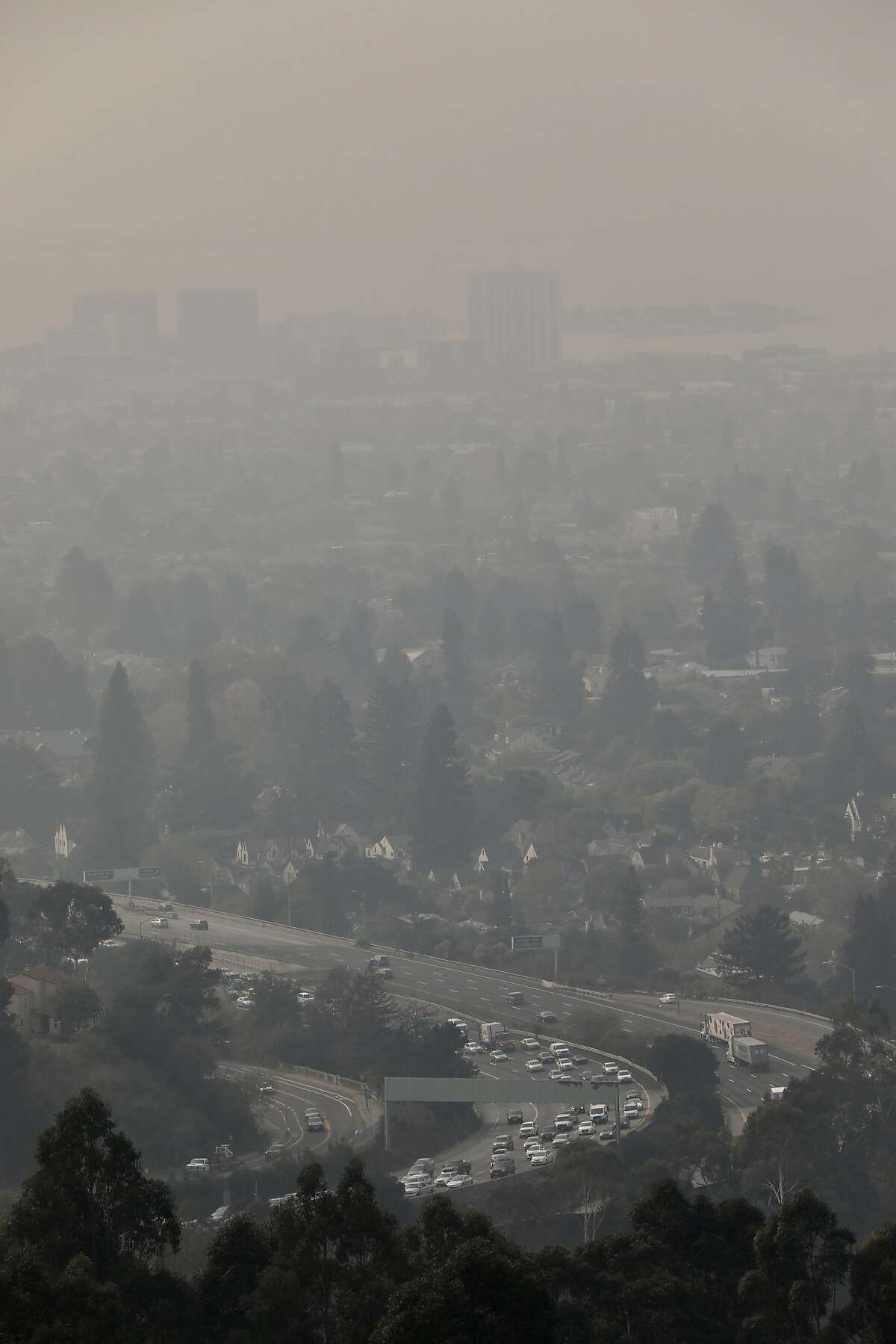
Sacramento experiences a dynamic air quality profile shaped by its inland valley geography, agricultural surroundings, vehicle emissions, and periodic seasonal wildfires. Residents, commuters, and local authorities rely on continuous monitoring networks, health advisories, and targeted mitigation strategies to manage particulate matter and ozone levels throughout the year.
Introduction to Sacramento's Air Basin
The Sacramento Valley air basin features unique topographic and meteorological characteristics that profoundly influence local air pollution levels. Situated in a sprawling basin surrounded by mountain ranges—the Sierra Nevada to the east and the Coast Ranges to the west—Sacramento acts as a geographical bowl. This layout frequently traps pollutants near the surface, particularly during temperature inversions common in both winter and summer.
Understanding air quality in Sacramento, CA requires looking beyond simple daily forecasts. It involves examining the interplay between regional weather patterns, localized emission sources, and seasonal shifts. While winter months often bring wood smoke and stagnant morning fog that trap fine particulate matter close to the ground, summer introduces intense sunlight and heat, driving the photochemical reactions that create ground-level ozone. Navigating these conditions successfully depends on knowing which pollutants pose the greatest risk, how to read local air quality indexes, and what practical steps to take when conditions deteriorate.
The Air Quality Index (AQI) and Key Pollutants
To interpret air quality accurately, environmental agencies use the Air Quality Index (AQI), a standardized tool running from 0 to 500 that translates complex pollutant concentrations into an easy-to-understand color-coded scale. In Sacramento, the two primary pollutants of concern monitored by the Sacramento Metropolitan Air Quality Management District (SMAQMD) and the California Air Resources Board (CARB) are particulate matter and ground-level ozone.
Particulate Matter ($\text{PM}{2.5}$ and $\text{PM}{10}$)
Particulate matter refers to a mixture of solid particles and liquid droplets suspended in the air.
- $\text{PM}_{2.5}$ (Fine Particles): These microscopic particles measure 2.5 micrometers in diameter or smaller. Because of their minuscule size, they can bypass natural human defenses in the nose and throat, penetrating deep into the lungs and even entering the bloodstream. Major sources in Sacramento include vehicle exhaust, wood-burning fireplaces, industrial emissions, and wildfire smoke.
- $\text{PM}_{10}$ (Coarse Particles): Measuring between 2.5 and 10 micrometers, these particles include dust stirred up by construction, agriculture, and vehicles driving on unpaved roads, as well as pollen and mold spores.
Ground-Level Ozone ($\text{O}_3$)
Unlike the protective ozone layer high in the stratosphere, ground-level ozone is a harmful air pollutant created when volatile organic compounds (VOCs) and nitrogen oxides ($\text{NO}_x$) react in the presence of sunlight and heat. Sacramento’s hot, sunny summers provide ideal conditions for ozone formation, leading to peak concentrations during warm afternoon hours.
| AQI Category | Numerical Value | Air Quality Implications | Recommended Actions |
|---|---|---|---|
| Good | 0 – 50 | Air quality is satisfactory, and pollution poses little or no risk. | None. Enjoy outdoor activities. |
| Moderate | 51 – 100 | Acceptable air quality; sensitive individuals may experience minor issues. | Unusually sensitive people should consider reducing prolonged outdoor exertion. |
| Unhealthy for Sensitive Groups | 101 – 150 | Sensitive groups (children, elderly, those with respiratory/heart conditions) experience health risks. | Sensitive individuals should limit prolonged or heavy outdoor exertion. |
| Unhealthy | 151 – 200 | Everyone may begin to experience health effects; sensitive groups risk serious impacts. | Everyone should avoid prolonged outdoor exertion; sensitive groups stay indoors. |
| Very Unhealthy | 201 – 300 | Health alert: substantial risk of respiratory effects for the general population. | Avoid all outdoor physical activities; keep windows closed. |
| Hazardous | 301 – 500 | Emergency conditions; the entire population is likely to be affected. | Remain indoors, run high-efficiency air filtration, and avoid all exertion. |
Seasonal Trends and Driving Factors
Air quality in Sacramento shifts dramatically depending on the time of year. Recognizing these seasonal cycles helps residents anticipate pollution spikes and prepare accordingly.
Summer: The Ozone Season
During late spring and summer, Sacramento experiences clear skies, high temperatures, and stagnant atmospheric conditions. Emissions from cars, trucks, and industrial facilities react under intense ultraviolet radiation, driving ozone levels upward. Peak ozone concentrations typically occur between midday and early evening. Citizens are frequently advised to refuel vehicles in the evening and limit lawn-mower use during peak sunlight hours to help curb precursor emissions.
Autumn and Winter: Wildfires and Wood Smoke
While summer is dominated by ozone, autumn and winter bring distinct challenges centered around particulate matter.
- Wildfire Smoke: Over recent years, regional wildfire smoke has become a dominant factor dictating Sacramento's air quality during late summer and fall. Smoke transport from Northern and Central California fires can push AQI levels into the "Very Unhealthy" or "Hazardous" ranges for days or weeks at a time.
- Wood Smoke and Inversions: In winter, clear, cold nights create surface temperature inversions. A layer of warm air traps a layer of colder air near the valley floor, preventing household wood smoke and vehicular exhaust from dispersing. Consequently, winter evenings in Sacramento neighborhoods can experience elevated $\text{PM}_{2.5}$ levels, prompting local officials to issue "Check Before You Burn" advisories that legally prohibit residential wood burning on high-pollution days.
Health Implications of Poor Air Quality
Inhaling polluted air takes a measurable toll on human health, affecting both short-term comfort and long-term well-being. The severity of the impact depends on individual health status, age, activity level, and the specific pollutant involved.
- Respiratory System: Short-term exposure to high ozone or particulate matter can irritate the airways, causing coughing, throat irritation, chest tightness, and shortness of breath. Individuals with asthma, chronic bronchitis, or chronic obstructive pulmonary disease (COPD) may experience acute flare-ups requiring medical attention.
- Cardiovascular System: Fine particles ($\text{PM}_{2.5}$) that cross into the bloodstream can trigger systemic inflammation, endothelial dysfunction, and accelerated plaque deposition in arteries. This increases the risk of heart attacks, strokes, and arrhythmias, particularly for individuals with pre-existing cardiovascular disease.
- Vulnerable Populations: Children breathe faster than adults and take in more air per pound of body weight, making their developing lungs especially susceptible to pollution damage. Older adults face heightened risks due to declining baseline respiratory and cardiovascular reserve. Pregnant individuals and outdoor workers are also categorized as sensitive groups requiring enhanced protection.
Monitoring Air Quality and Accessing Real-Time Data
Staying informed is the first line of defense against poor air quality. Residents can track real-time conditions using several reliable federal, state, and local monitoring tools:
- AirNow.gov: Managed by the U.S. Environmental Protection Agency (EPA), AirNow provides current AQI readings, forecasts, and interactive maps drawn from regional air district monitors across the Sacramento metropolitan area.
- Sacramento Metropolitan Air Quality Management District (SMAQMD): Local monitoring networks operated by SMAQMD offer hyper-local data reflecting specific neighborhoods and sub-basins. Their site also provides updates on regulatory burning bans and local mitigation programs.
- CARB Clearinghouse: The California Air Resources Board offers statewide tracking, historical datasets, and comprehensive reporting on emissions inventories and meteorological influences.
- Low-Cost Sensor Networks: Networks like PurpleAir provide dense, neighborhood-level particulate data through crowd-sourced optical particle counters. While highly responsive for real-time tracking, users should apply appropriate correction algorithms, as unadjusted sensors can sometimes overestimate particulate concentrations during high humidity or heavy smoke events.
Practical Protection and Mitigation Strategies
When Sacramento air quality reaches unhealthy levels, implementing targeted personal and indoor protection strategies significantly reduces exposure.
Indoor Air Quality Management
Because people spend the majority of their time indoors, optimizing indoor environments is critical during high-pollution episodes:
- Seal the Home: Keep doors and windows tightly closed when outside air quality is poor to prevent smoke and ozone infiltration.
- Upgrade HVAC Filtration: Install high-efficiency particulate air (HEPA) filters or filters with a Minimum Efficiency Reporting Value (MERV) rating of 13 or higher in residential heating and cooling systems. Run the system fan continuously on "ON" rather than "AUTO" to maintain constant air filtration.
- Use Portable Air Cleaners: Deploy dedicated air purifiers equipped with true HEPA filters in frequently occupied rooms, such as bedrooms and home offices. Ensure the Clean Air Delivery Rate (CADR) matches the square footage of the space.
- Avoid Indoor Pollutant Sources: Refrain from burning candles, using gas stoves without adequate ventilation, vacuuming with non-HEPA vacuums (which can kick settled fine particles back into the air), or smoking indoors.
Outdoor Protection
When outdoor activity is unavoidable during elevated pollution periods:
- Wear a Respirator: Simple cloth masks, surgical masks, and dust masks do not block fine particulate matter. When smoke or high $\text{PM}_{2.5}$ is present, wear a properly fitted NIOSH-approved respirator, such as an N95, KN95, or P100 mask, which filters out at least 95% of airborne particles.
- Modify Exercise Routines: Shift workouts indoors to air-filtered facilities. If exercising outdoors, choose early morning hours when ozone levels are typically lower, though this may not apply during wildfire smoke events when particulate matter remains constant. Reduce exercise intensity to minimize deep inhalation rates.
Community Actions and Regulatory Frameworks
Improving regional air quality requires coordinated policy, industry regulation, and community-level participation. SMAQMD and CARB enforce rules governing industrial emissions, commercial operations, and vehicle fleets. Key local initiatives include:
- Zero-Emission Vehicle (ZEV) Adoption: Expanding electric vehicle (EV) charging infrastructure and transitioning public transit fleets to electric and hydrogen power.
- Agricultural Burning Management: Regulating agricultural burning permits to prevent smoke accumulation during stagnant atmospheric periods.
- Incentive Grants: Providing financial assistance to local residents and businesses for replacing high-polluting wood stoves with cleaner gas or electric alternatives, upgrading older diesel engines, and purchasing low-emission landscaping equipment.
Frequently Asked Questions
How does Sacramento's geography affect its air pollution?
Sacramento sits in a broad valley basin bounded by mountain ranges. This bowl-like topography traps air pollutants, preventing them from dispersing easily. Combined with frequent temperature inversions—where a layer of warm air caps cooler air near the ground—pollutants like particulate matter and ozone linger over the region for extended periods.
What is the difference between $\text{PM}_{2.5}$ and ozone in Sacramento?
$\text{PM}_{2.5}$ consists of microscopic solid or liquid particles from sources like wildfires, wood smoke, and vehicle exhaust, peaking during winter inversions and wildfire seasons. Ground-level ozone is a gas formed when chemical emissions react with sunlight and heat, making it a primary concern during hot summer afternoons.
Are N95 masks effective against Sacramento wildfire smoke?
Yes. NIOSH-approved N95, KN95, or P100 respirators effectively filter out fine particulate matter ($\text{PM}_{2.5}$) found in wildfire smoke, provided they form a tight seal against the face. Standard cloth face coverings, surgical masks, and paper dust masks do not provide adequate protection against fine particles.
How can I check my neighborhood's air quality in real time?
You can check real-time air quality by visiting AirNow.gov or the Sacramento Metropolitan Air Quality Management District website. Additionally, local sensor networks like PurpleAir provide hyper-local, real-time particulate data across various Sacramento neighborhoods.
What is the "Check Before You Burn" program?
Administered by SMAQMD, the "Check Before You Burn" program runs from November through February. It places seasonal restrictions or bans on the use of wood-burning fireplaces, pellet stoves, and fire pits on days when meteorological conditions threaten to trap high levels of fine particulate matter near the ground.
Conclusion and Next Actions
Navigating air quality in Sacramento, CA requires vigilance, reliable data tracking, and proactive preparation. By monitoring daily AQI reports, maintaining clean indoor air environments with HEPA filtration, using proper N95 protection during smoke events, and supporting regional emission-reduction efforts, residents can safeguard their health across every season. To stay prepared, bookmark official local tracking resources today and inspect your home HVAC filters to ensure they meet MERV 13 or HEPA standards before the next seasonal pollution spike occurs.