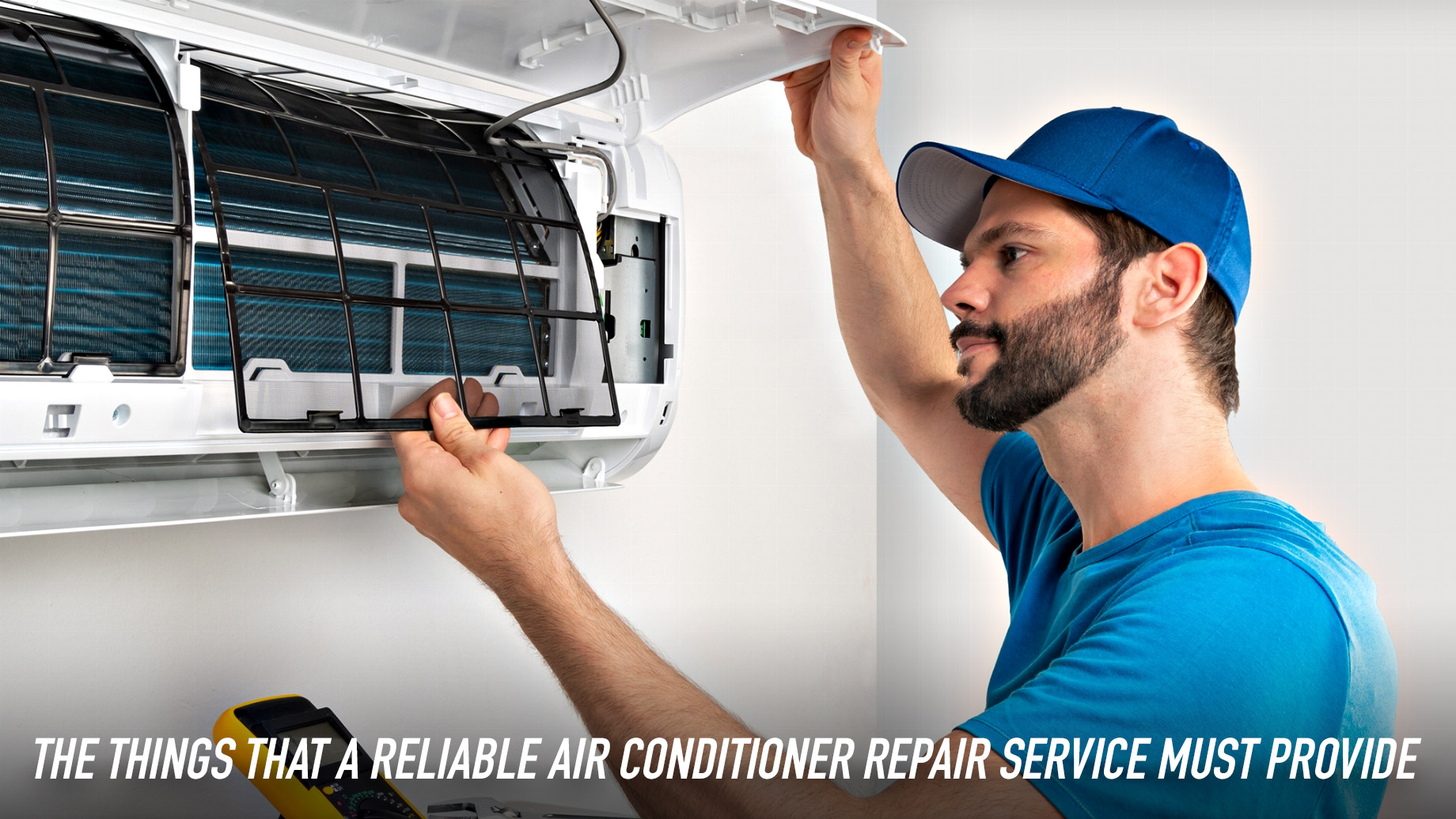
When your cooling system fails during the heat of a high-desert summer, finding reliable air conditioner repair in Prescott, Arizona, becomes an immediate priority. Prescott features a unique climate profile characterized by warm summers where temperatures regularly push into the upper 80s and 90s, combined with a high-elevation setting that places distinct mechanical demands on residential cooling infrastructure. Whether your system is blowing warm air, making grinding noises, or failing to turn on completely, understanding how local HVAC systems operate, diagnosing common failure points, and choosing the right professional contractor will ensure your home remains comfortable and safe.
Understanding Prescott's Climate and Its Impact on Air Conditioning
Prescott sits at an elevation of approximately 5,300 feet above sea level. This unique geographical positioning creates distinct weather patterns that directly influence how air conditioning units function and wear down over time. While summers are generally milder than lower-elevation desert cities like Phoenix or Tucson, Prescott experiences intense solar radiation, low relative humidity, and significant diurnal temperature swings—often shifting by 30 degrees or more between daytime highs and nighttime lows.
These environmental factors create specific operational stresses for HVAC equipment:
- Thermal Expansion and Contraction: Rapid temperature shifts cause metal components, refrigerant lines, and electrical connections to expand and contract repeatedly, which can loosen wiring terminals and strain solder joints over time.
- Dry, Dusty Conditions: High winds and dry soil conditions mean airborne dust, fine dirt, and pine needles easily infiltrate outdoor condensing units, coating condenser coils and reducing thermal transfer efficiency.
- Monsoon Season Stresses: Late summer brings the North American Monsoon, introducing sudden high humidity, torrential downpours, electrical storms, and lightning surges that can damage sensitive control boards and compressor capacitors.
Recognizing how these regional elements affect your equipment helps homeowners anticipate maintenance needs and address minor performance issues before they escalate into catastrophic mechanical failures.
Common Air Conditioner Problems and Diagnostic Signs
Recognizing the early warning signs of an ailing air conditioning system can save homeowners from expensive emergency service calls. Modern cooling systems rely on an intricate balance of electrical components, mechanical motors, and pressurized refrigerant circuits. When one part falls out of specification, the entire system suffers.
1. Insufficient Cooling or Uneven Temperatures
If your air conditioner runs continuously but fails to cool your home adequately, several underlying issues may be at play. The most common culprit is restricted airflow caused by severely clogged air filters or blocked return vents. However, if airflow feels robust yet lacks cooling power, the system may be suffering from a refrigerant leak, failing compressor valves, or a dirty outdoor condenser coil that cannot properly dissipate heat.
2. Strange Noises and Odors
Unusual sounds are often the clearest indicator of mechanical distress:
- Squealing or Screeching: Typically indicates a failing blower motor bearing, a slipping fan belt, or worn-out idler pulleys.
- Grinding or Scraping: Suggests metal-on-metal contact, often pointing to a dislodged blower wheel or a completely failed motor bearing.
- Clicking: Continuous clicking at startup usually points to a failing run capacitor or a malfunctioning relay switch struggling to engage the compressor.
- Musty or Burning Odors: A musty smell often indicates microbial growth (mold or mildew) within the evaporator coil or condensate drain pan, while a burning electrical smell warrants immediate system shutdown due to potential wiring insulation failure or overheating motors.
3. Frequent Cycling (Short Cycling)
Short cycling occurs when an air conditioner turns on and off rapidly without completing a full cooling cycle. This wastes substantial electricity, accelerates mechanical wear, and leaves the home uncomfortably humid and warm. Short cycling can be triggered by an oversized system, an improperly calibrated or failing thermostat, restricted airflow, or a safety switch tripping due to high refrigerant pressures (high-pressure limit) or a blocked condensate drain line.
4. Ice Buildup on Indoor Coils
Ice formation on the indoor evaporator coil or the copper refrigerant lines leading outside is counterintuitive during hot weather, but it is a frequent service call. Ice forms when the coil temperature drops below freezing, usually because restricted airflow (dirty filter, blocked ducts) or low refrigerant levels prevent the refrigerant from absorbing enough heat to vaporize completely. When ice accumulates, it acts as an insulator, stopping the cooling process entirely.
Diagnostic and Repair Procedures
When a licensed HVAC technician arrives to service a residential air conditioning system, they follow a systematic diagnostic protocol to isolate the root cause rather than merely treating surface symptoms. Understanding this process empowers homeowners to evaluate technician recommendations effectively.
| Diagnostic Step | What the Technician Examines | Common Findings & Solutions |
|---|---|---|
| Electrical Inspection | Contactors, capacitors, circuit breakers, wiring terminals, and voltage draw under load. | Swollen or out-of-spec run capacitors; pitted contractor contact points; loose wiring terminals tightened or replaced. |
| Airflow Measurement | Static pressure in ductwork, blower motor speed, filter condition, and evaporator cleanliness. | Clogged filters replaced; blocked registers cleared; blower wheel cleaned; duct leaks sealed. |
| Refrigerant Assessment | Superheat and subcooling measurements using manifold gauges and digital temperature probes. | Low charge indicating a leak; overcharged systems recovered to manufacturer specifications; leak detection performed. |
| Drainage Check | Condensate pan, drain lines, float switches, and P-traps. | Clogged lines cleared with nitrogen or specialized flush kits; faulty safety float switches replaced to prevent water damage. |
The Repair Process Step-by-Step
- Initial Consultation & Symptom Review: The technician reviews homeowner observations regarding system performance, strange noises, or utility bill spikes.
- Safety Disconnect & Lockout: Power to both the indoor air handler and outdoor condensing unit is safely disconnected at the local service disconnect boxes to eliminate shock hazards.
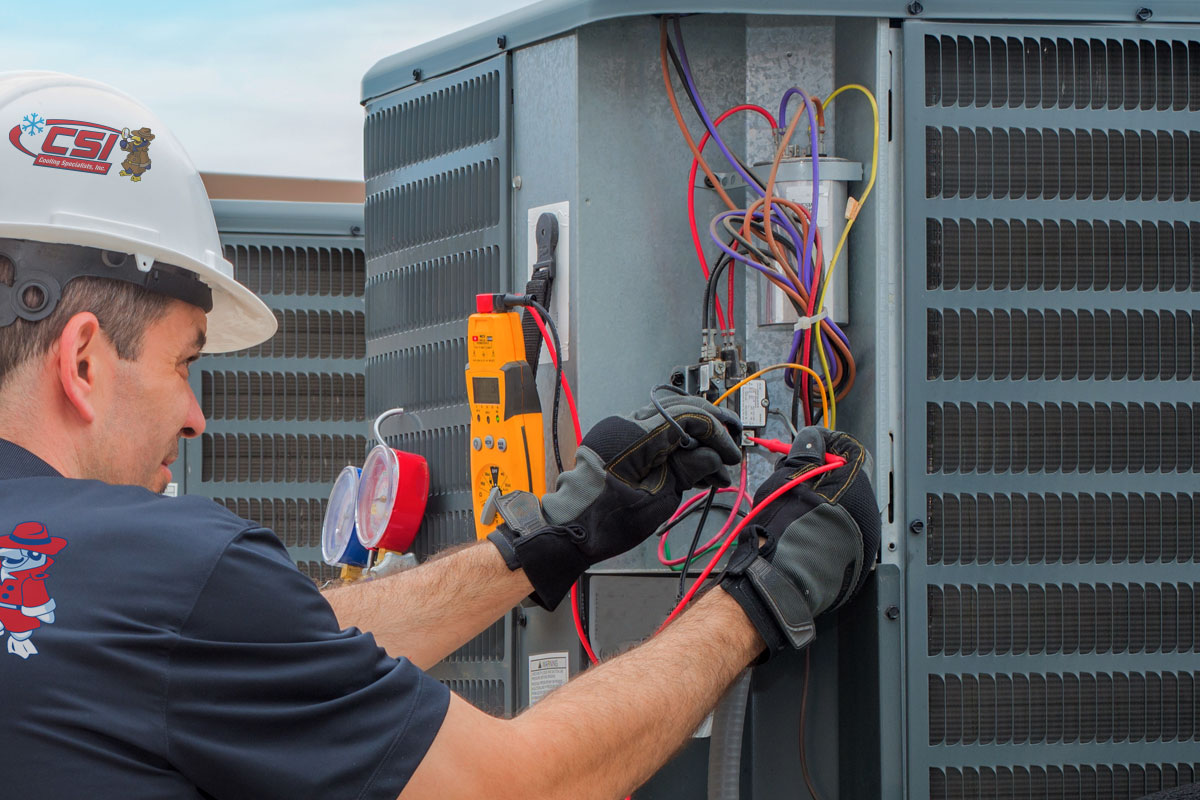
- Component Isolation & Testing: Multimeters, leak detectors, and temperature gauges are deployed to test individual electrical and mechanical parts.
- Repair Execution: Faulty components—such as a blown capacitor, damaged contactor, or leaking Schrader valve core—are replaced with OEM (Original Equipment Manufacturer) or equivalent high-grade parts. If a refrigerant leak is detected, the system must undergo nitrogen pressure testing, leak location (often using electronic sniffors or UV dye), brazing repair, vacuum evacuation to remove moisture, and precise recharge by weight.
- Post-Repair Performance Verification: The system is re-energized, and the technician verifies operating pressures, temperature split (the difference between return and supply air temperatures), and amperage draw to ensure peak efficiency.
Evaluating Repair Versus Replacement
One of the most difficult decisions Prescott homeowners face is whether to invest in repairing an aging air conditioner or replace the entire system. Because HVAC equipment represents a significant financial investment, weighing several objective criteria is essential.
The 50% Rule and System Age
As a general industry guideline, if the age of your air conditioner multiplied by the estimated repair cost exceeds 50% of the cost of a brand-new system, replacement is generally the wiser financial choice. Most standard split-system air conditioners have a useful design life of 10 to 15 years in high-elevation climates. If a unit is over 12 years old and requires a major component replacement—such as a new compressor or evaporator coil—the remaining lifespan of the unit rarely justifies the repair expense.
Refrigerant Phase-Out Considerations
Homeowners with older systems must also consider refrigerant regulations. Older equipment often utilizes R-22 (Freon), a hydrochlorofluorocarbon (HCFC) refrigerant that has been phased out due to environmental regulations. Because R-22 production and importation are prohibited, acquiring remaining supplies is exceedingly expensive. If an older R-22 system develops a major refrigerant leak, retrofitting or repairing it is rarely economically viable compared to upgrading to a modern system using R-410A or newer low-GWP (Global Warming Potential) refrigerants.
Energy Efficiency (SEER Ratings)
Older air conditioners often operate at efficiency ratings of 10 SEER (Seasonal Energy Efficiency Ratio) or lower. Modern cooling equipment starts at a federally mandated minimum of 14 to 15 SEER in the southwestern United States, with high-efficiency units exceeding 20 SEER. Upgrading an aging, inefficient unit can substantially reduce monthly electricity bills during peak summer months, helping offset the initial capital expenditure of a replacement installation.
Selecting a Qualified HVAC Contractor in Prescott
Choosing the right service provider ensures that repairs are performed safely, legally, and in compliance with local building codes. In Arizona, heating and air conditioning contractors must be licensed by the Arizona Registrar of Contractors (AZ ROC).
When evaluating local service companies, homeowners should verify the following credentials:
- Active ROC License: Ensure the contractor holds a valid commercial or residential classification (such as a CR-39 Air Conditioning and Refrigeration license) with a clean disciplinary record.
- Bonding and Insurance: Confirm that the company carries comprehensive general liability insurance and active workers' compensation coverage to protect your property and workers in case of accidents.
- NATE Certification: Look for technicians certified by North American Technician Excellence (NATE), which signifies rigorous, industry-recognized training and competency.
- Manufacturer Authorizations: Contractors authorized as dealers for major brands (such as Trane, Carrier, Lennox, or Goodman) typically have direct access to specialized technical support and OEM replacement parts.
- Transparent Pricing and Warranties: Reputable companies provide clear, written estimates before beginning work and offer explicit labor and parts warranties backing their repairs.
Preventive Maintenance: Protecting Your Investment
Routine preventive maintenance is the single most effective way to minimize unexpected breakdowns and extend the operational life of your cooling equipment. In Prescott, homeowners should schedule professional tune-ups twice a year—once in the spring for the cooling season and once in the fall for the heating season (if utilizing a heat pump).
Homeowner Maintenance Checklist
- Filter Replacements: Check disposable air filters monthly during peak cooling and heating seasons, replacing them every 30 to 90 days depending on household occupancy, pets, and dust levels.
- Clear Outdoor Debris: Maintain a minimum clearance of two feet around the outdoor condensing unit, trimming back overgrown shrubs, grasses, and low-hanging tree branches that restrict airflow.
- Rinse Outdoor Coils: Gently wash accumulated dust and pet fluff from the exterior aluminum fins using a garden hose (never use a high-pressure pressure washer, which can bend delicate fins and ruin the coil).
- Inspect Condensate Drains: Pour a cup of white vinegar or warm water down the condensate drain line monthly during summer to inhibit algae and mold blockages.
Professional Maintenance Scope
During a scheduled tune-up, a certified technician should perform a comprehensive multi-point inspection, including electrical current checks, thermostat calibration, moving part lubrication, safety control verification, and precise refrigerant level checks. Proactive maintenance ensures your system runs at peak factory efficiency, preventing energy waste and premature component failure.
Frequently Asked Questions
How much does air conditioner repair typically cost in Prescott, Arizona?
Repair costs vary widely based on the nature of the failure, part availability, and labor requirements. Minor service calls involving electrical component replacements—such as a standard run capacitor or contactor—typically range from $150 to $400, including diagnostic fees and labor. More complex repairs, such as electrical motor replacements, circuit board swaps, or refrigerant leak detection and repair, can range from $500 to $1,500+. Always request a clear, written diagnosis and estimate before authorizing any repair work.
Why is my air conditioner running constantly without cooling my home?
If your system runs uninterrupted without lowering indoor temperatures, it is usually struggling against severe heat gain, restricted airflow, or a loss of refrigerant capacity. Start by checking your air filter and thermostat settings. If the filter is clean and the thermostat is set correctly, the system may be low on refrigerant due to a leak or experiencing compressor inefficiency. Continued running under these conditions can overheat and permanently damage the compressor, so turn the system off and call a professional.
Are permits required for air conditioner replacement in Prescott?
Yes. When replacing a central air conditioning system or a heat pump in Prescott, local municipal codes typically require a mechanical permit from the local building department to ensure compliance with current energy efficiency standards, electrical codes, and proper sizing calculations. Licensed HVAC contractors handle the permitting and municipal inspection process as part of a professional installation package.
How often should I replace my air conditioning air filter?
For most Prescott homes, standard 1-inch fiberglass or pleated air filters should be replaced every 30 to 60 days. Homes with pets, allergies, or high exposure to dusty desert winds may need filter changes every 30 days. Thick media filters (4 to 5 inches wide) typically last between 6 and 12 months. Clean filters maintain proper static pressure, protect internal blower motors, and ensure optimal indoor air quality.
What should I do if my air conditioner stops working during a weekend heatwave?
First, check your electrical panel to ensure a circuit breaker has not tripped. If the breaker has tripped once, reset it; if it trips immediately a second time, leave it off, as this indicates a dangerous short circuit. Next, verify that your thermostat batteries are fresh and that the emergency switch near the indoor air handler is in the "On" position. If these basic checks fail to restore operation, contact an emergency HVAC service provider in Prescott offering after-hours dispatch.
Conclusion
Maintaining a functional, efficient air conditioning system in Prescott, Arizona, requires vigilance, an understanding of regional environmental pressures, and prompt professional intervention when mechanical faults arise. By staying proactive with monthly filter changes, scheduling regular seasonal tune-ups, and partnering with licensed local contractors, you can protect your equipment investment, control energy expenditures, and ensure reliable indoor comfort through every seasonal shift.