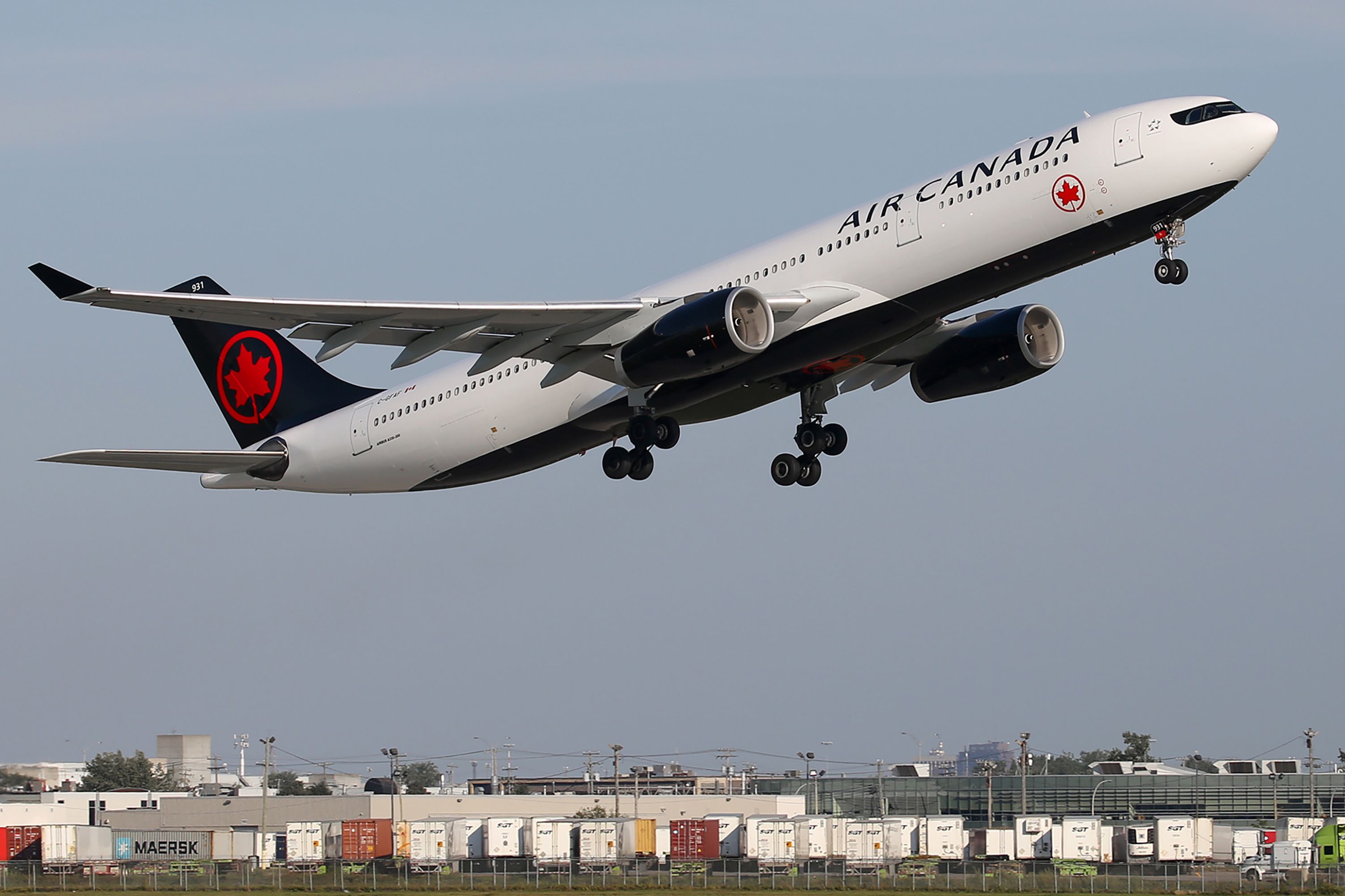
Air Canada’s fleet expansion plan focuses on a multi-year modernization strategy involving the integration of the Boeing 787-10 Dreamliner, the long-range Airbus A321XLR, and the Canadian-made Airbus A220-300. This 2026 roadmap prioritizes fuel efficiency, increased seat capacity on high-demand routes, and the transition toward lower-emission regional electric aviation.
The evolution of a flag carrier’s fleet is more than just a purchase agreement; it is a declaration of geographic intent and operational philosophy. As of 2026, Air Canada has moved into a critical phase of its "Horizon" strategic plan, navigating the balance between replacing aging airframes and aggressively expanding its international footprint. By diversifying its narrow-body and wide-body assets, the airline aims to optimize its "Cost per Available Seat Mile" (CASM) while providing a consistent premium experience across its global network.
The Strategic Vision: Efficiency, Sustainability, and Reach
Air Canada’s fleet expansion is driven by three primary pillars: network flexibility, environmental stewardship, and passenger comfort. For much of the early 2020s, the airline relied on a mix of Boeing 777s and 787-8/9s for its long-haul operations. However, the 2026 landscape demands higher efficiency to combat rising fuel costs and stricter carbon regulations.
The "Fleet Power" initiative, as discussed in various Air Canada Investor Presentations, outlines a shift toward aircraft that offer at least a 15-25% improvement in fuel burn compared to the models they replace. This isn't merely about saving money; it is about meeting the airline's commitment to net-zero emissions by 2050. By 2026, the average age of the fleet has dropped significantly, making it one of the youngest and most efficient in North America.
Narrow-Body Modernization: The Airbus A220 and A321XLR
The most visible change for domestic and transborder travelers has been the ubiquitous presence of the Airbus A220-300 and the rollout of the Airbus A321XLR. These two aircraft types represent the "pincer movement" of Air Canada’s narrow-body strategy: one handles regional efficiency, while the other redefines long-thin international routes.
The Airbus A220-300: The Canadian Workhorse
The A220-300 (formerly the Bombardier CSeries) has become the backbone of Air Canada’s domestic and North American transborder operations. In 2026, the airline has nearly completed the delivery of its initial orders, utilizing the aircraft to replace older Airbus A319 and A320 units.
From a technical standpoint, the A220 offers a 2x3 seating configuration in economy, which is highly popular with passengers because it reduces the number of middle seats. For the airline, the geared turbofan engines provide a massive reduction in noise footprint and fuel consumption. The A220’s range also allows Air Canada to fly "thin" routes (routes with lower demand) that were previously unprofitable with larger, heavier aircraft, such as direct flights from Halifax to mid-western U.S. cities.
The Airbus A321XLR: The Game Changer
The introduction of the Airbus A321XLR (Extra Long Range) in the mid-2020s represents the most significant tactical shift in the fleet expansion plan. Historically, transatlantic flights required wide-body aircraft. The A321XLR changes this by offering the range to fly from Montreal or Toronto to Western Europe with the economics of a single-aisle plane.
By 2026, Air Canada has deployed the A321XLR on secondary European markets and high-demand transcontinental routes. This allows the airline to increase frequency rather than just capacity. For example, instead of one Boeing 787 flight per day to a destination like Lyon or Reykjavik, Air Canada can potentially offer two A321XLR frequencies, providing better scheduling for business travelers.
Wide-Body Evolution: Integrating the Boeing 787-10 Dreamliner
While the narrow-body fleet handles the "spoke" traffic, the wide-body fleet remains the engine of the "hub" system. The centerpiece of the 2026 wide-body expansion is the Boeing 787-10 Dreamliner.
Enhancing Capacity with the "Dash 10"
The Boeing 787-10 is the largest variant of the Dreamliner family. Air Canada’s decision to add the -10 to its existing fleet of 787-8s and 787-9s provides a seamless transition for pilots and maintenance crews while offering significantly more seats. According to Boeing’s technical specifications, the 787-10 offers approximately 25% better fuel efficiency per seat than the aircraft it replaces.
In the Air Canada configuration, the 787-10 is utilized for high-density international corridors, such as Toronto to London-Heathrow, Tokyo-Narita, and Paris-CDG. It bridges the gap between the mid-sized 787-9 and the massive Boeing 777-300ER, allowing the airline to right-size its capacity based on seasonal demand.
The Future of the Boeing 777 Replacement
As of 2026, the aging Boeing 777-200LRs are being phased out, with the 787-10 taking over many of their routes. While the 777-300ER remains the heavy lifter for high-cargo and high-passenger volume routes, the expansion plan hints at future evaluations of the Boeing 777X or additional 787-10 orders to eventually replace the older "Triple Sevens" by the end of the decade.
Fleet Composition and Order Status (2026 Snapshot)
The following table outlines the status of key aircraft in Air Canada’s fleet expansion plan as of 2026. This includes firmed orders, deliveries in progress, and the primary role of each aircraft type.
| Aircraft Type | Estimated Fleet Count (2026) | Primary Role | Key Advantage |
|---|---|---|---|
| Airbus A220-300 | 60+ | Domestic & Transborder | 20% lower fuel burn; passenger comfort |
| Airbus A321XLR | 15 (In delivery) | Long-range Narrow-body | Transatlantic reach with single-aisle costs |
| Boeing 737 MAX 8 | 40 | North American Mid-range | High reliability; standardized cabin |
| Boeing 787-9 | 30+ | Global Long-haul | Exceptional range and versatile capacity |
| Boeing 787-10 | 5 (Initial deliveries) | High-density Long-haul | Maximum seat efficiency; cargo volume |
| Heart ES-30 | 30 (On order) | Regional Short-haul | Zero-emission (Electric); 30-seat capacity |
Innovation and Sustainability: The Electric Frontier
Air Canada’s expansion plan isn't limited to fossil-fuel-burning jets. A significant, though smaller-scale, part of the strategy involves regional connectivity through electric aviation. The airline has placed a purchase agreement for 30 Heart Aerospace ES-30 electric-hybrid aircraft.
Expected to enter the periphery of service testing around the 2026-2028 window, the ES-30 is designed for short-hop regional routes (under 400km in all-electric mode). This initiative serves two purposes:
- Lowering the Carbon Footprint: It addresses the "last mile" of aviation, where traditional jets are most inefficient.
- Reclaiming Small Markets: Many smaller Canadian communities lost service over the last two decades due to the high costs of operating regional turboprops. Electric aircraft, with significantly lower maintenance and "fuel" costs, could make these routes viable again.
For more information on the development of these aircraft, readers can visit the Heart Aerospace official site.
Operational Impact: The Passenger Experience
Fleet expansion is not just about the number of planes; it is about what is inside them. Air Canada has used the 2026 expansion as a catalyst to standardize its interior products.
- Signature Class: The 787-10 and A321XLR (on international routes) feature the latest evolution of the Signature Class pod, ensuring that a passenger flying from Vancouver to London receives the same level of luxury as one flying from Montreal to Frankfurt.
- IFE and Connectivity: All new aircraft delivered under the expansion plan are equipped with high-speed satellite Wi-Fi and the latest generation of In-Flight Entertainment (IFE) systems, featuring 4K screens and Bluetooth audio connectivity.
- Premium Economy: Recognizing the growing segment of "premium leisure" travelers, Air Canada has increased the size of the Premium Economy cabin on its 787-10s compared to the smaller 787-8s.
Challenges to the Expansion Plan
Despite the robust growth, Air Canada faces several headwinds in 2026 that impact the execution of this fleet plan.
- Supply Chain Volatility: Delays in engine components and interior cabin materials from suppliers like GE, Pratt & Whitney, and Safran have occasionally pushed back delivery dates for the A321XLR and 787-10.
- Pilot Training Bottlenecks: Introducing multiple new types and expanding the fleet rapidly requires an aggressive pilot training schedule. The transition of pilots from narrow-body to wide-body fleets must be managed carefully to avoid scheduling disruptions.
- Infrastructure Limitations: Expanding the fleet is only effective if there are gates and hangar space to accommodate them. Major hubs like Toronto Pearson (YYZ) and Vancouver International (YVR) are under pressure to upgrade their facilities to handle the increased movements.
FAQ: Air Canada’s Fleet Expansion
Is Air Canada retiring the Boeing 777?
As of 2026, the Boeing 777-300ER remains a vital part of the fleet for high-capacity routes. However, the older 777-200LR variants are being phased out in favor of the more efficient Boeing 787-10. There is no immediate plan to retire the entire 777 fleet, but they are no longer the focus of new growth.
What routes will the Airbus A321XLR fly?
The A321XLR is primarily targeted at "long and thin" routes. This includes services from Montreal and Toronto to secondary European cities (e.g., Bordeaux, Venice, or Copenhagen) and potentially deep South American routes that do not require a full wide-body aircraft.
How does the Boeing 787-10 differ from the 787-9?
The 787-10 is approximately 18 feet longer than the 787-9. This allows for roughly 15-20% more seats and more cargo pallets. While it has slightly less range than the 787-9, it is more efficient for the medium-to-long-haul routes that make up the bulk of Air Canada's international schedule.
When will Air Canada start flying electric planes?
Air Canada has 30 Heart Aerospace ES-30 aircraft on order. While testing and certification are ongoing in 2026, widespread commercial service is expected to begin toward the end of the decade (2028-2030), depending on regulatory approvals from Transport Canada.
Does the expansion plan include Air Canada Rouge?
Yes, the expansion plan allows for a "trickle-down" effect. As the mainline fleet receives new A321XLRs and A220s, some of the well-maintained older A321ceos are being transitioned to Air Canada Rouge to maintain capacity for leisure destinations in the Caribbean and Mexico.
Final Recommendations for Stakeholders and Travelers
For travelers, the fleet expansion means more direct flight options and a more modern, consistent cabin experience. When booking for 2026 and beyond, look for the A220-300 for domestic hops to enjoy the superior 2x3 seating, and keep an eye out for the 787-10 on major international routes for the quietest, most pressurized cabin environment available.
For investors and industry analysts, the key metric to watch is the delivery timeline of the A321XLR. This aircraft is the linchpin for Air Canada’s profitability in the competitive transatlantic market. Any significant delays in its rollout could force the airline to continue using less efficient wide-body jets on routes that don't fully support their capacity.
Air Canada’s commitment to a younger, more specialized fleet positions it as a leader in the North American aviation sector, balancing the immediate need for capacity with the long-term necessity of environmental sustainability.