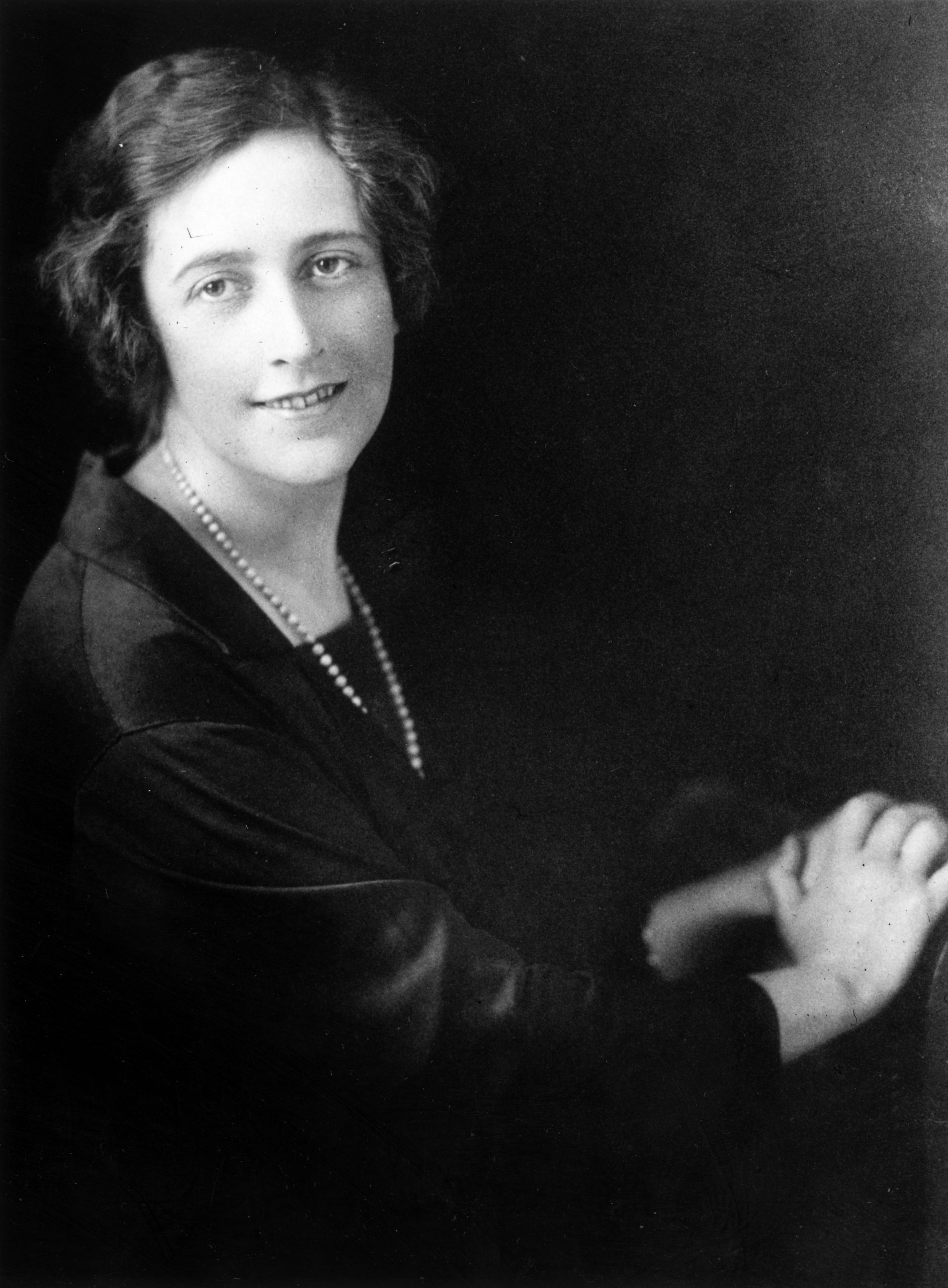
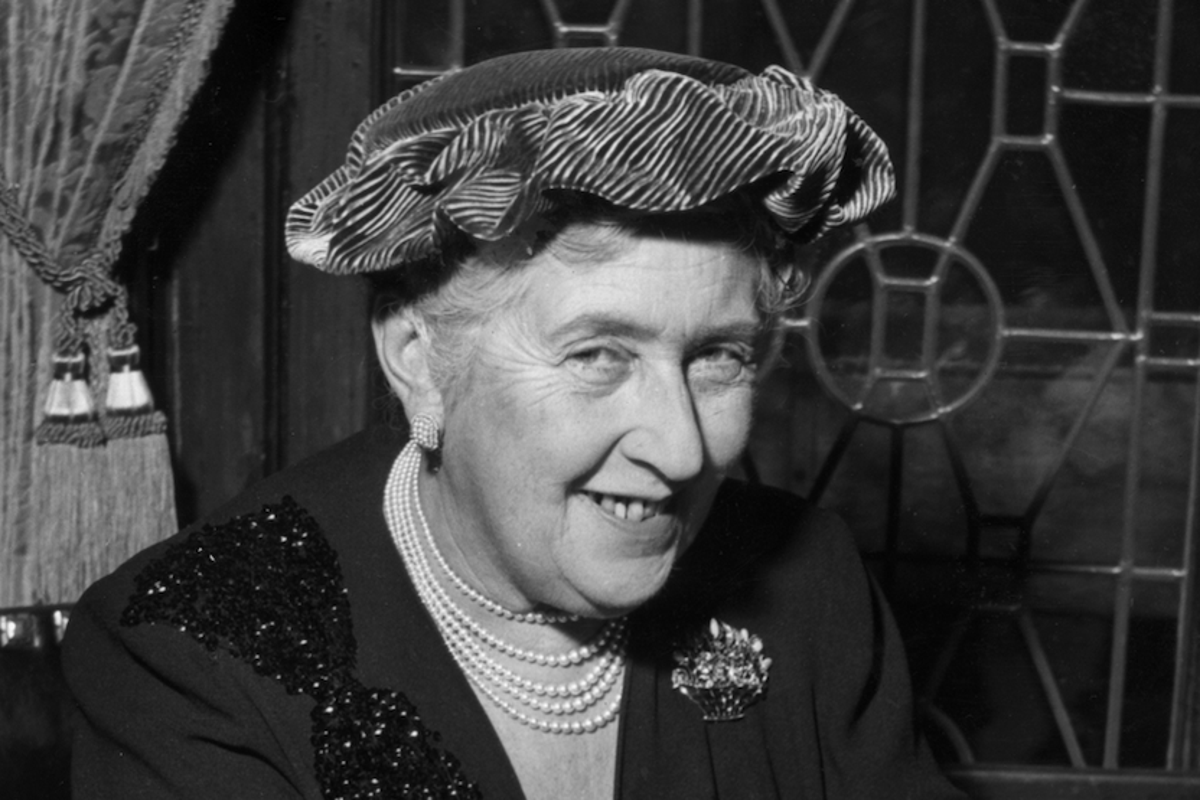
Agatha Christie’s estate net worth is estimated to be worth tens of millions of dollars, generating millions annually through global book sales, theatrical productions, television adaptations, and licensing rights. Decades after her passing in 1976, the Queen of Crime remains one of the best-selling authors in human history, anchoring a multi-faceted commercial empire managed by her descendants and corporate partners.
Evaluating the financial footprint of a legendary literary estate requires looking beyond a single static bank balance. The true value of Agatha Christie’s legacy lies in a continuous stream of intellectual property (IP) monetization, theatrical royalties, streaming deals, and strategic corporate acquisitions. Understanding how her estate grew, how it is currently managed, and what components drive its ongoing valuation provides a fascinating look at the intersection of literature and modern wealth management.
The Historical Foundation: Wealth Acquired During Her Lifetime
During her lifetime, Agatha Christie published 66 detective novels and 14 short story collections, alongside her famous plays like The Mousetrap. While authors in the mid-20th century rarely commanded the billion-dollar advances seen in the publishing industry today, Christie accumulated substantial wealth through relentless productivity, smart contract negotiations, and international syndication.
Publishing Contracts and Royalties
Christie’s primary income source during her lifetime was her long-standing relationship with Collins Crime Club in the United Kingdom and Dodd, Mead and Company in the United States. Unlike many contemporaries who sold their copyrights outright for flat fees, Christie retained significant control over her literary works. As her popularity exploded globally—translated into over 100 languages—these royalties compounded into a formidable personal fortune.
Tax Challenges and Strategic Planning
In post-World War II Britain, high marginal tax rates posed a severe threat to accumulated wealth. To protect her earnings and secure her family’s financial future, Christie engaged in sophisticated estate planning. In 1955, she formed a private company, Agatha Christie Limited (ACL), to manage her copyrights and theatrical assets. This structural move separated her personal income from corporate assets, laying the groundwork for the modern management of her estate and minimizing future tax vulnerabilities.
Agatha Christie Limited: The Engine of the Modern Estate
The cornerstone of the estate's current valuation is Agatha Christie Limited. For decades, the Christie family held a controlling stake in the company. However, strategic corporate partnerships have dramatically amplified the estate's commercial reach and overall net worth.
The Acorn Media and RLJ Entertainment Partnership
In 2012, a major turning point occurred when the Christie family sold a 64% controlling stake in Agatha Christie Limited to Chorion, which was later acquired and restructured through partnerships involving Acorn Media UK (subsequently acquired by AMC Networks). The family retained a 36% minority stake, ensuring creative continuity while injecting institutional capital into the brand.
The BBC and Television Adaptations
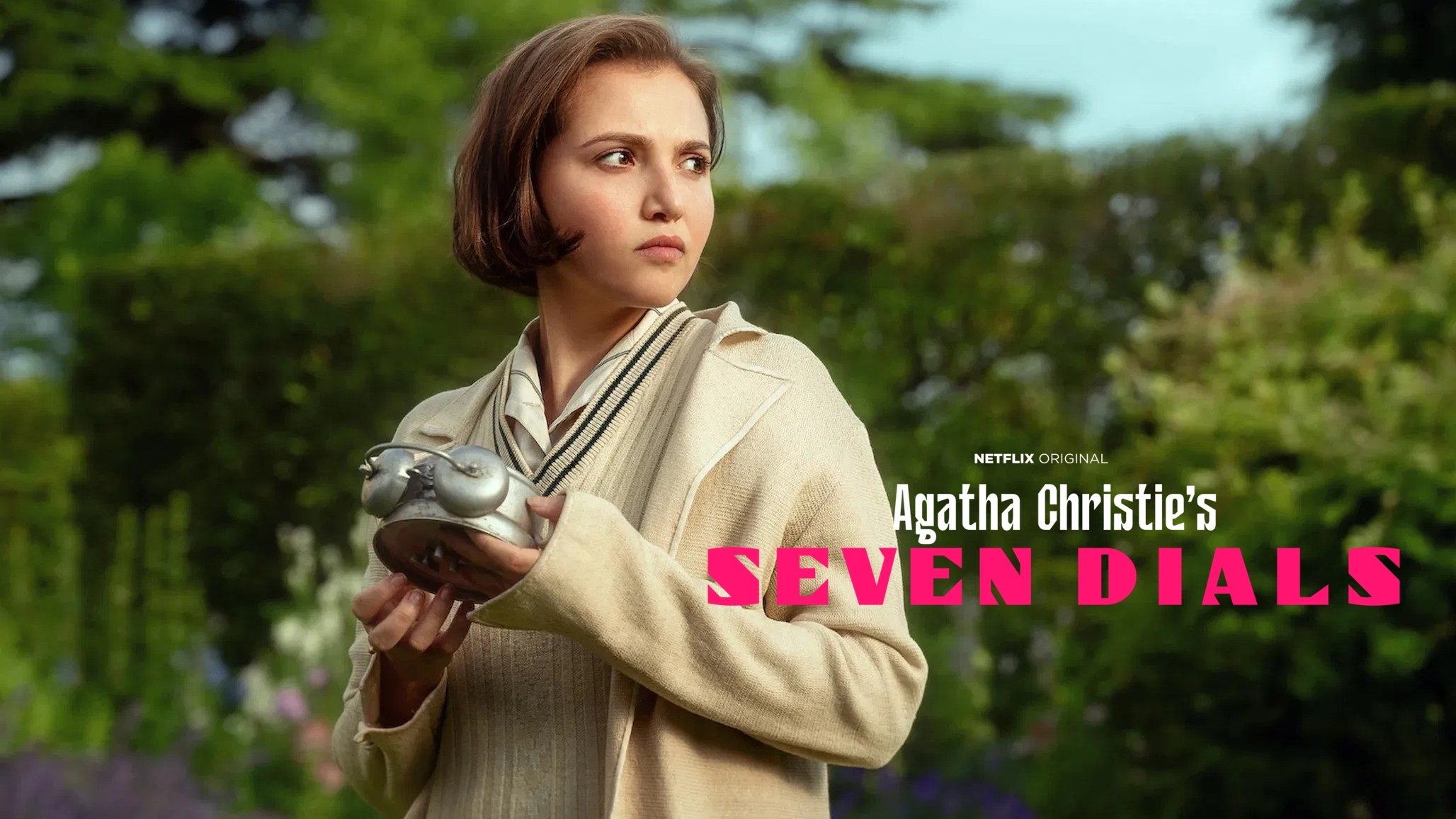
The partnership paved the way for high-budget television adaptations produced by the BBC and other global networks. Series such as And Then There Were None (2015), The ABC Murders (2018), and various feature films directed by or starring Kenneth Branagh (Murder on the Orient Express, Death on the Nile, A Haunting in Venice) have driven massive surges in book sales and licensing revenues. Every major screen adaptation acts as a high-visibility marketing campaign that revitalizes global interest in her catalog.
Key Assets Comprising the Estate's Value
To understand the net worth of the estate, it is necessary to examine the individual revenue streams and assets that contribute to its ongoing valuation.
| Asset Category | Description | Primary Revenue Driver |
|---|---|---|
| Literary Copyrights | Ownership of over 80 novels, plays, and short story collections. | Global book sales, e-books, audiobooks, and foreign translations. |
| Theatrical Rights | Ongoing licensing for stage productions globally. | The Mousetrap (the world's longest-running play) and regional theater licenses. |
| Film and TV IP | Licensing agreements for cinematic and streaming adaptations. | Feature film box office shares, television syndication, and streaming royalties. |
| Corporate Equity | Minority and majority stakes held via commercial partnerships. | Dividends and equity valuations from Agatha Christie Limited. |
| Merchandising | Branded merchandise, board games, and collectible editions. | Direct consumer products and co-branded retail collaborations. |
Global Book Sales and the "Best-Selling" Status
According to Guinness World Records, Agatha Christie is the best-selling fiction writer of all time, with estimated sales exceeding two billion copies worldwide. She is frequently cited alongside William Shakespeare and the Bible as the most widely published authors in history. Even decades after her death, millions of copies of novels like The Murder of Roger Ackroyd and Murder on the Orient Express sell annually across physical bookstores, digital platforms, and audiobook subscription services like Audible.
The Phenomenon of The Mousetrap
Opened in London’s West End in 1952, The Mousetrap holds the record for the longest-running West End play. Christie gifted the rights to the play to her grandson, Mathew Prichard, as a birthday present when he was nine years old. The royalties from continuous theatrical runs have provided a steady, generational stream of income for the family, functioning as a perpetual financial asset.
Valuation Estimates and Market Realities
Pinpointing an exact net worth for an estate of this magnitude is challenging because private corporations do not publicly disclose all balance sheets, and intellectual property valuations fluctuate based on market demand and streaming trends.
Historical Valuations and the 2012 Sale
When the family sold the 64% stake in Agatha Christie Limited in 2012, financial analysts estimated the total enterprise value of the company to be in the tens of millions of pounds. In the years following, the global explosion of prestige television crime dramas and the surging popularity of audiobooks have significantly appreciated the value of the underlying literary catalog. Industry observers frequently place the brand valuation well above $50 million, with annual revenues pulling in millions through syndication, publishing advances, and global licensing deals.
Estate Management and Philanthropy
The estate is not merely a vehicle for wealth accumulation; it also supports literary initiatives, theatrical preservation, and charitable contributions. Mathew Prichard, who serves as the chairman of Agatha Christie Limited, has consistently emphasized honoring his grandmother’s literary legacy while steering the brand into modern digital landscapes.
Common Misconceptions Regarding Literary Estates
When discussing the financial standing of deceased authors, several common misunderstandings often cloud public perception.
- Lump-Sum Valuations: Many assume an estate's net worth is a static cash pile sitting in a bank account. In reality, literary estates are operating businesses dependent on continuous IP licensing and consumer demand.
- Public Domain Status: A common misconception is that older books enter the public domain quickly. Under current copyright laws in the UK and United States, literary works generally remain protected for 70 years following the author's death. Because Christie died in 1976, her primary copyrights will remain protected well into the mid-21st century.
- Sole Ownership: The estate is no longer 100% family-owned; corporate partnerships mean profits and valuations are shared between descendants and media conglomerates.
Practical Insights for Writers and IP Holders
For contemporary creators, authors, and estate planners, the trajectory of Agatha Christie’s legacy offers several enduring lessons in wealth preservation and brand management:
- Retain Copyrights Where Possible: Avoiding outright sales of primary intellectual property during an author's lifetime allows descendants to reap the rewards of unexpected future media booms, such as streaming platforms and audiobooks.
- Incorporate Early: Establishing a dedicated corporate entity helps streamline tax liabilities, professionalize management, and protect assets from chaotic probate proceedings.
- Diversify Formats: A healthy literary estate thrives by expanding across mediums—translating books into foreign languages, adapting stories for stage and screen, and embracing emerging digital formats like audiobooks.
- Professionalize Management: Partnering with experienced entertainment executives and media companies can scale a brand globally in ways an individual family office might struggle to achieve alone.
Agatha Christie’s estate net worth stands as a testament to the enduring power of brilliant storytelling coupled with astute business foresight. By protecting her copyrights, embracing global adaptations, and maintaining tight control over her literary universe, the Queen of Crime built a financial legacy that continues to solve the mystery of long-term wealth creation.