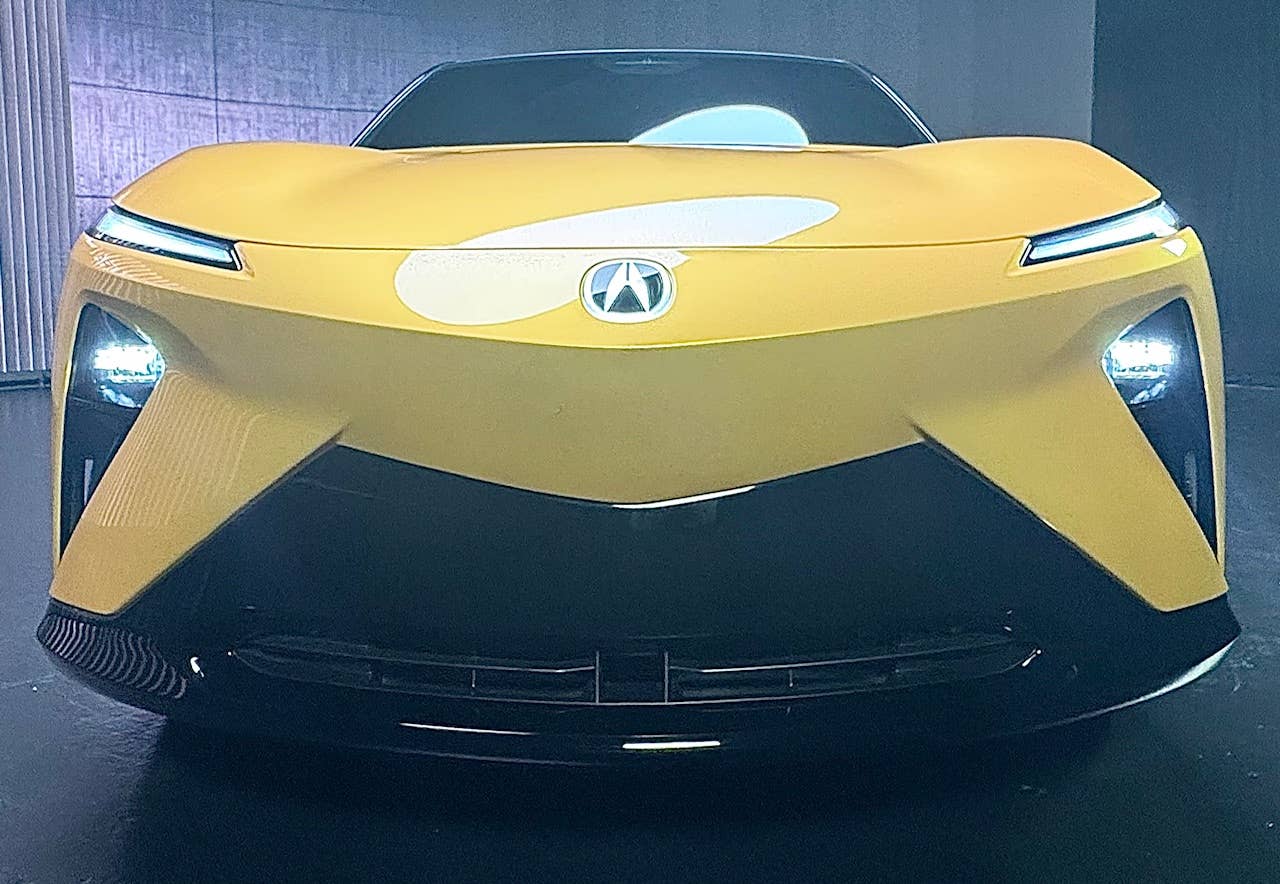
The Acura RSX Type S remains a cornerstone of enthusiast culture because of its high-revving K-series engine, precise mechanical feel, and timeless liftback design. While modern performance cars rely on turbocharging and electronic assists, the Type S offers an analog, driver-centric experience that continues to appreciate in value and relevance in 2026.
The Heart of the Appeal: The K-Series Engine Architecture
To understand why the Acura RSX Type S still commands attention over twenty years after its debut, one must look directly at the engine bay. The car was a transitional masterpiece for Acura and Honda, representing the shift from the legendary B-series engines found in the Integra to the more technologically advanced K-series.
The K20A2 and K20Z1 Powerplants
From 2002 to 2004, the RSX Type S was equipped with the K20A2 engine. In 2005 and 2006, this was updated to the K20Z1. Both engines are 2.0-liter, naturally aspirated inline-fours, but they represent a pinnacle of high-RPM engineering. Producing 200 to 210 horsepower (depending on the year and SAE measurement standards), these engines achieve a specific output of over 100 horsepower per liter—a benchmark once reserved for exotic supercars.
The appeal lies in the delivery. Unlike modern turbocharged engines that provide a mountain of torque at low RPM but taper off near the redline, the K20 breathes better the faster it spins. With a redline of 7,900 to 8,100 RPM, the engine rewards the driver for staying aggressive. The "crossover" point—where the VTEC (Variable Valve Timing and Lift Electronic Control) engages—provides a distinct change in engine note and acceleration that modern, linear powerplants lack.
The Role of i-VTEC
The RSX Type S introduced "i-VTEC," or "intelligent" VTEC. This system combined the traditional variable lift and duration of VTEC with VTC (Variable Timing Control), which allows for continuous adjustment of the intake camshaft phasing. This technical advancement meant that while the car retained its high-RPM scream, it also gained a broader, more usable powerband for daily driving. For the enthusiast in 2026, this represents the best of both worlds: a reliable daily driver that transforms into a race-bred machine above 6,000 RPM.
Transmission and the Pursuit of Mechanical Connection
In an era where dual-clutch transmissions and CVTs have become the norm, the RSX Type S’s six-speed manual transmission is a revelation. It remains one of the finest front-wheel-drive gearboxes ever manufactured.
The transmission features close-ratio gearing designed specifically to keep the K20 engine within its powerband during upshifts. The shift feel is characterized by short throws and a distinct mechanical "click" as each gear engages. This isn't just about speed; it is about the tactile feedback that connects the driver to the machine.
Synchronization and Durability
The 2005–2006 models received upgraded carbon synchronizers on several gears to improve shift quality and longevity. Even as these cars age, the aftermarket support for the transmission remains robust. Enthusiasts often install limited-slip differentials (LSD) from the Japanese-market Integra Type R (DC5) to further enhance the car’s ability to put power down coming out of corners, proving that the base specs provided a perfect foundation for further refinement.
Chassis Dynamics and the McPherson Strut Debate
When the RSX debuted, it was met with some skepticism from purists because it moved away from the double-wishbone front suspension of the previous Integra in favor of McPherson struts. However, the specs and real-world performance eventually won over the critics.
Geometry and Handling
The RSX Type S chassis, known internally as the DC5, is significantly more rigid than its predecessor. This increased torsional stiffness allows the suspension to work more effectively. While McPherson struts can suffer from camber loss during extreme cornering, the RSX Type S compensates with a well-tuned rear multi-link setup and a relatively low curb weight of approximately 2,840 pounds.
This light weight is a major factor in its 2026 appeal. Modern "compact" performance cars have bloated to over 3,200 pounds due to safety regulations and luxury features. The RSX feels "tossable" and communicative in a way that heavy, electronically dampened modern cars cannot replicate.
Timeless Design: Form Meets Function
The aesthetic appeal of the RSX Type S has aged remarkably well. Unlike the aggressive, "transformer-like" styling of modern hot hatches, the RSX features a clean, wedge-shaped profile.
- Aerodynamics: The 2005–2006 facelift introduced a subtle integrated rear spoiler and revised headlight/taillight housings that modernized the car without ruining its sleek lines.
- The Interior: The cabin is strictly driver-focused. The high-bolstered leather seats (reminiscent of Recaro racing seats) provide excellent lateral support, and the silver-faced gauges are clear and functional.
- Practicality: As a liftback, the RSX offers surprising utility. With the rear seats folded down, it provides enough cargo space for a second set of wheels and tires for track days, or a week’s worth of camping gear, making it a practical "one-car solution" for many.
Technical Specifications Comparison
Understanding the subtle differences between the early and late models is crucial for anyone looking to understand the car's enduring value.
| Feature | 2002–2004 Type S | 2005–2006 Type S |
|---|---|---|
| Engine Code | K20A2 | K20Z1 |
| Horsepower | 200 hp @ 7,400 RPM | 210 hp @ 7,800 RPM |
| Torque | 142 lb-ft @ 6,000 RPM | 143 lb-ft @ 7,000 RPM |
| Redline | 7,900 RPM | 8,100 RPM |
| Wheels | 16-inch Alloy | 17-inch Alloy |
| Brakes | 11.8-inch Front / 10.2-inch Rear | 11.8-inch Front / 10.2-inch Rear |
| Final Drive Ratio | 4.388 | 4.765 |
| Curb Weight | ~2,770 lbs | ~2,840 lbs |
Note: The 2005-2006 horsepower rating was later adjusted to 201 hp under newer SAE J1349 testing standards, but the engine hardware remains more potent than the earlier version.
The Aftermarket Legacy: A Tuner’s Dream
The RSX Type S specs reveal only half the story; the other half is what those specs allow owners to do. The K-series engine is arguably the most versatile four-cylinder engine ever produced.
The Hondata Factor
One cannot discuss the RSX without mentioning Hondata. The K-Pro engine management system allows owners to fully tune the K20 engine, lowering the VTEC engagement point and raising the redline. A simple "reflash" or a full K-Pro setup can transform the car’s power delivery, making the already impressive factory specs even more formidable.
Interchangeability
Because the RSX shares its engine architecture with the Civic Si, TSX, and CR-V of its era, parts are plentiful. This "Lego-like" interchangeability means that owners in 2026 can still easily source performance upgrades or OEM replacement parts, ensuring these cars stay on the road long after their contemporaries have been scrapped.
Why It Still Appeals in 2026: The "Analog" Factor
The primary reason the RSX Type S is seeing a resurgence in interest—and a corresponding rise in market price—is the industry-wide shift toward automation.
- Hydraulic Power Steering: The RSX features hydraulic power steering, which provides a level of road feel and "chatter" through the steering wheel that modern electric power steering (EPS) systems struggle to emulate.
- Mechanical Throttle (Early Models): The 2002-2005 models used a traditional throttle cable. This results in instantaneous throttle response, free from the "rev hang" and lag often found in modern drive-by-wire systems.
- Simplicity: There are no driving modes, no adjustable dampers, and no complex infotainment screens that will become obsolete. The RSX is a "what you see is what you get" machine, which appeals to drivers who want to hone their skills without electronic intervention.
Potential Drawbacks and Maintenance
While the RSX Type S is highly regarded, it is not without its technical quirks. Prospective owners or those studying the car’s longevity should be aware of several common issues:
- Second Gear Grind: In the 2002-2004 models, the second-gear synchronizer was prone to wear, causing a "grind" during high-RPM shifts. This was largely addressed in the 2005 facelift.
- Oil Consumption: Like many high-revving engines, the K20 can consume oil if driven hard. Checking oil levels frequently is a prerequisite for ownership.
- Suspension Bushings: By 2026, original rubber bushings are likely cracked or compressed. Replacing these with polyurethane or new OEM rubber is essential to restoring the car’s sharp handling.
- VTEC Solenoid Leaks: A common and simple fix, but a leaking VTEC solenoid gasket can lead to oil loss and a messy engine bay.
Market Position and Future Value
In the mid-2020s, the Acura RSX Type S has transitioned from a "used car" to a "modern classic." Clean, low-mileage examples often fetch prices that exceed their original MSRP of roughly $24,000. This is driven by a generation of enthusiasts who lusted after these cars in their youth and now have the means to preserve them.
The RSX Type S occupies a unique niche. It is more refined and comfortable than the raw Integra Type R, yet more focused and high-revving than the later turbocharged Civic Sis. For many, it represents the "Goldilocks" era of Acura—the perfect balance of reliability, luxury, and raw performance.
FAQ: Understanding the Acura RSX Type S
Is the RSX Type S faster than a modern Civic Si?
In a straight line, a modern Civic Si (2022+) and an RSX Type S are quite close, but the modern Civic’s turbocharged torque makes it feel faster in daily traffic. However, the RSX Type S generally offers a higher top-end speed and a more engaging sensory experience due to its 8,000 RPM redline.
What is the difference between the RSX and the Integra?
In Japan and other markets, the RSX was sold as the fourth-generation Honda Integra (DC5). In North America, Acura rebranded it as the RSX to align with their new alphanumeric naming convention (MDX, TL, etc.). The "Type S" designation is roughly equivalent to the "Integra IS" or later "Type S" trims in Japan, while the legendary "Type R" was never officially sold in the U.S. for this generation.
Is the RSX Type S a good first car in 2026?
If you can find a well-maintained example, yes. It is exceptionally reliable, fuel-efficient when not in VTEC, and easy to work on. However, because they are becoming collector items, insurance costs and the price of entry may be higher than other 20-year-old compact cars.
Can the RSX Type S be used for track days?
Absolutely. The RSX Type S is a favorite for amateur road racing and autocross. With a few modifications—specifically better tires, upgraded brake pads, and a limited-slip differential—it is highly competitive in its class.
How do I tell a real Type S from a base model?
The Type S will have a 6-speed manual transmission (the base was 5-speed), "Type S" badging on the rear, a leather interior (usually), and most importantly, the "K20A2" or "K20Z1" engine code on the VIN plate or engine block.
Final Recommendation for Enthusiasts
For those seeking a vehicle that encapsulates the peak of the "analog era," the Acura RSX Type S is a premier choice. Its technical specifications—headlined by the K20 engine and a brilliant 6-speed gearbox—ensure that it remains more than just a nostalgic relic. It is a functional, engaging, and remarkably durable sports coupe.
If you are considering an RSX Type S in 2026, prioritize the 2005–2006 models for their improved suspension geometry, more powerful engine, and updated styling. Regardless of the year, ensure the vehicle has a documented service history, specifically regarding oil changes and valve adjustments. The RSX Type S isn't just a car that was good; its specifications reveal exactly why it remains a benchmark for front-wheel-drive performance today.