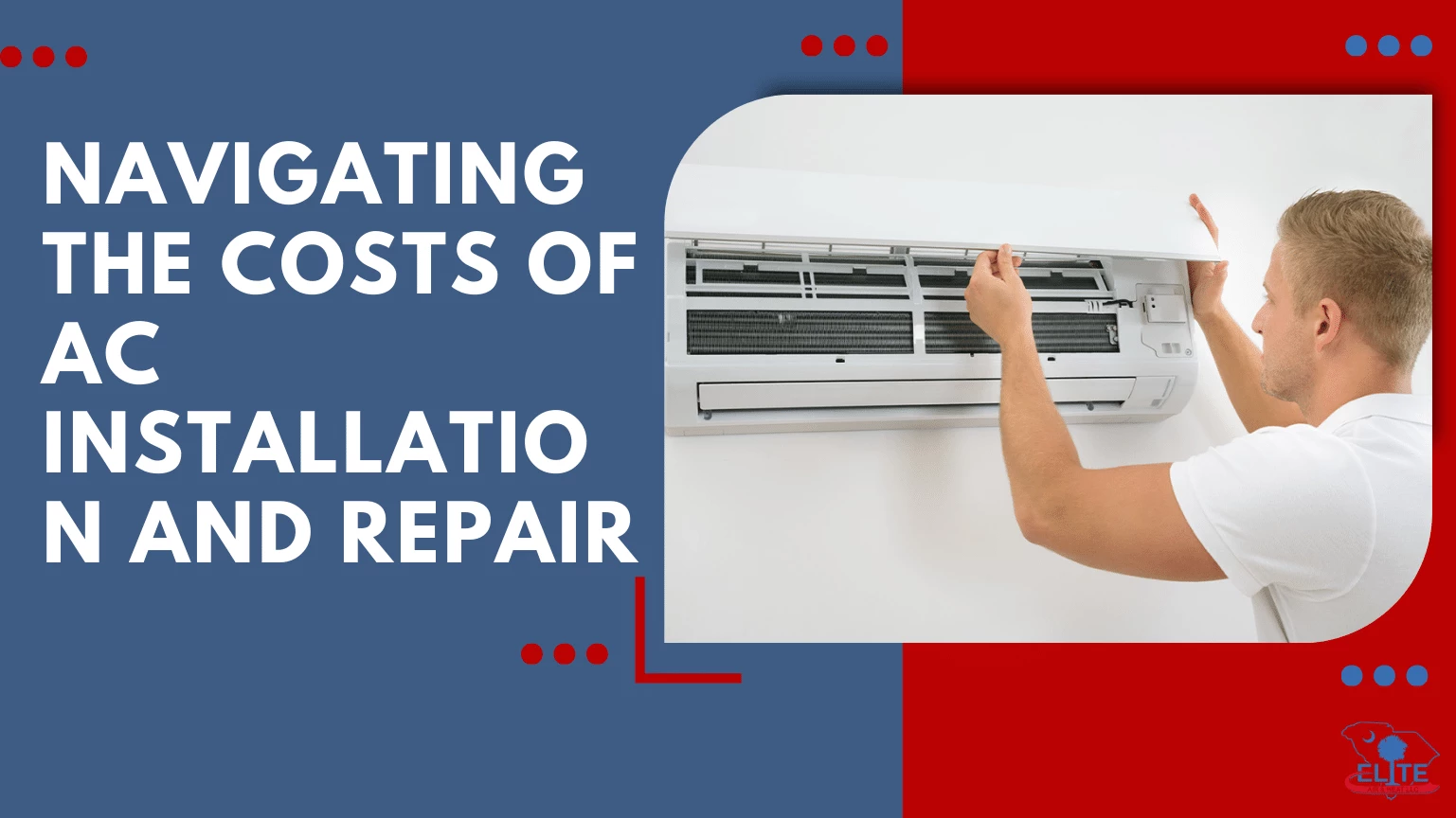
In 2026, the average cost for a professional air conditioning installation in Austin, Texas, typically ranges from $6,500 to $13,500. While a standard equipment swap-out takes approximately four to eight hours, peak summer demand often results in scheduling lead times of ten to fourteen days for local homeowners.
The extreme climate of Central Texas makes air conditioning less of a luxury and more of a critical utility. As we move through 2026, the local HVAC market has adjusted to federal efficiency mandates and the widespread adoption of low-GWP (Global Warming Potential) refrigerants. For Austin residents, understanding the nuances of these costs—and the specific timing required for a successful installation—is essential for maintaining home comfort and budgetary control.
The Factors Driving AC Installation Costs in Austin
Several variables dictate the final price of an AC system in the Austin metro area. Because our summers regularly see temperatures exceeding 100°F for weeks on end, the technical requirements for cooling systems here are more stringent than in many other parts of the country.
System Capacity (Tonnage)
The size of an AC unit is measured in tons, representing its cooling capacity. A common mistake is assuming "bigger is better." In Austin’s humid environment, an oversized unit will cycle on and off too quickly, failing to remove humidity effectively and leading to a "clammy" indoor feel.
- 1.5 to 2.5 Tons: Generally suitable for smaller homes or condos (1,000–1,500 sq. ft.).
- 3 to 4 Tons: The standard for mid-sized Austin suburban homes (1,800–2,400 sq. ft.).
- 5 Tons: Required for large residences or homes with significant west-facing glass and poor insulation.
SEER2 Efficiency Ratings
By 2026, the industry has fully transitioned to SEER2 (Seasonal Energy Efficiency Ratio 2) standards. In the southern United States, the minimum allowable efficiency for new central air systems is 14.3 SEER2. However, many Austin homeowners opt for 16 to 20 SEER2 systems to combat rising utility rates. While the upfront cost of a high-efficiency unit is 20% to 40% higher, the monthly savings on Austin Energy bills can be substantial over the system's 15-year lifespan.
Refrigerant Transitions
As of 2026, the transition away from R-410A to newer refrigerants like R-454B or R-32 is complete for new equipment. These refrigerants are more environmentally friendly but require different handling procedures and updated equipment designs. This transition has contributed to a slight increase in equipment costs compared to the early 2020s, as manufacturers redesigned coils and compressors to handle different pressure and flammability profiles.
Detailed Cost Breakdown for 2026
To provide a realistic expectation for Austin homeowners, the following table outlines the estimated investment for different tiers of central cooling systems. These figures include the outdoor condenser, indoor evaporator coil, basic thermostat, labor, and disposal of the old unit.
| System Tier | SEER2 Rating | Estimated Price Range | Best Suited For |
|---|---|---|---|
| Standard/Entry | 14.3 - 15.2 | $6,500 – $8,500 | Budget-conscious owners or rental properties. |
| Mid-Range | 16.0 - 18.0 | $8,500 – $11,500 | Most suburban Austin homes; good balance of cost/savings. |
| High-Efficiency | 19.0 - 22.0+ | $11,500 – $16,000+ | Large homes; those seeking maximum energy independence. |
| Heat Pump (Dual) | Variable | $8,000 – $15,000 | Homes looking to replace both gas furnace and AC. |
Note: Prices can increase significantly if extensive ductwork repair or electrical panel upgrades are required.
Labor and Overhead in Central Texas
Austin has a highly competitive but expensive labor market. Certified HVAC technicians in the region command higher wages due to the high cost of living and the specialized training required for new refrigerant standards. Labor typically accounts for 30% to 45% of the total project cost. This covers not just the "brazing" and "charging" of the system, but also the mandatory city permits and the removal of hazardous old refrigerants.
Installation Timing and Scheduling
Timing is the most critical logistical factor for Austin residents. In the middle of a July "Heat Dome," waiting for a new installation can be more than an inconvenience; it can be a safety risk.
The Seasonal Window
- Peak Season (May – September): Expect a wait time of 7 to 14 days for a non-emergency installation. During record-breaking heat waves, emergency replacements take priority, and parts availability can become strained.
- Shoulder Season (March – April & October – November): This is the ideal time to install. Contractors are often looking for work, lead times drop to 2 to 4 days, and you may find seasonal rebates or discounts.
- Off-Season (December – February): While heating becomes the focus, many companies offer the best deals on AC installations during these months to keep their crews busy.
The "Day Of" Timeline
A standard residential AC replacement in Austin usually follows a predictable 8-hour schedule:
- Arrival (7:00 AM - 8:30 AM): The crew arrives, protects your flooring, and begins recovering the old refrigerant according to EPA standards.
- Removal (8:30 AM - 10:30 AM): The old outdoor condenser and indoor evaporator coil are removed.
- Preparation (10:30 AM - 12:30 PM): The new pad is leveled outside, and the indoor plenum (the box connecting the unit to the ducts) is modified if necessary.
- Installation (1:00 PM - 3:30 PM): The new units are set. Technicians braze the copper refrigerant lines and install the new liquid line dryer.
- Vacuum and Charge (3:30 PM - 5:00 PM): The system is pulled into a vacuum to remove moisture and then charged with refrigerant. The system is tested for airflow and temperature split.
Austin-Specific Considerations
The City of Austin has unique requirements that can influence both the cost and the complexity of your AC project.
Austin Energy Rebates and Incentives
Austin Energy, the city’s municipal utility, remains one of the most proactive in the country regarding energy efficiency. In 2026, they offer tiered rebates for homeowners who choose high-efficiency systems or heat pumps. To qualify, the installation must typically be performed by a contractor in the Austin Energy Participating Contractor Network. These rebates can range from $200 to over $1,500, significantly offsetting the higher cost of SEER2-compliant units.
Permitting and Inspections
The City of Austin Development Services Department requires a mechanical permit for all AC replacements. A reputable contractor will handle this process. After the installation is complete, a city inspector will visit to ensure the electrical connections are safe, the condensate drain is properly trapped, and the unit meets local energy codes. Skipping the permit process can lead to issues during home resales and may void certain manufacturer warranties.
Humidity Management
While Austin is often thought of as "dry heat," late spring and early summer can bring significant humidity. Modern AC installations in 2026 often include variable-speed blowers. Unlike older systems that are either "on" or "off," variable-speed systems run at lower speeds for longer periods, which is significantly more effective at pulling moisture out of the air. This feature adds roughly $800 to $1,500 to the system price but greatly improves comfort.
Common Mistakes to Avoid During Installation
When investing several thousand dollars, small errors can lead to long-term financial drains.
- Ignoring the Ductwork: There is no point in installing a 20 SEER2 unit if your 20-year-old ducts are leaking 30% of the cold air into your attic. Most professional Austin installers will perform a "duct blast" test or a visual inspection. Sealing or replacing old ducts adds cost but is essential for system performance.
- Skipping the Load Calculation: Many contractors use a "rule of thumb" based on square footage. Demand a Manual J Load Calculation. This calculation considers your home’s insulation levels, window orientations, and local climate data to ensure the unit is sized perfectly.
- Choosing the Lowest Bid: In the HVAC world, the cheapest bid often involves cutting corners on the "unseen" parts of the job, such as not flushing the old copper lines or failing to pull a proper vacuum. This leads to premature compressor failure within 3 to 5 years.
Comparing AC Types for Austin Homes
Not every home in Austin is best served by a traditional split-system central air conditioner.
| System Type | Pros | Cons |
|---|---|---|
| Central Air Split System | Most common; uses existing ducts; easiest to service. | Requires extensive ductwork; less zone control. |
| Ductless Mini-Splits | Extremely efficient; perfect for older East Austin homes without ducts. | Higher upfront cost per zone; visible indoor units. |
| Air Source Heat Pumps | Provides both heating and cooling; high efficiency in Austin's mild winters. | Slightly higher equipment cost; requires backup heat for rare freezes. |
| Packaged Units | All components in one outdoor cabinet; saves indoor space. | Shorter lifespan due to all components being exposed to weather. |
Frequently Asked Questions
Is it better to repair or replace my AC in 2026?
If your system is more than 12 years old and requires a major repair (like a compressor or evaporator coil replacement), it is generally more cost-effective to replace it. With the 2026 refrigerant standards, finding parts for older R-22 or even early R-410A systems is becoming increasingly expensive and difficult.
How long does an AC unit typically last in Austin?
Due to the heavy workload during the long Texas summers, the average lifespan of an AC unit in Austin is 12 to 15 years. Systems that are maintained twice yearly (spring and fall) tend to last closer to the 15-year mark, while neglected systems often fail around year 10.
Can I install my own AC system to save on labor?
In the state of Texas, you must be licensed by the Texas Department of Licensing and Regulation (TDLR) to purchase and handle refrigerants. Furthermore, improper installation will void the manufacturer's warranty and likely fail the mandatory City of Austin inspection. DIY installation is not recommended for reasons of safety, legality, and financial protection.
Does the 2026 federal tax credit apply to AC installation?
Yes, under the updated versions of the Inflation Reduction Act provisions available in 2026, homeowners can often claim a federal tax credit (the Energy Efficient Home Improvement Credit) for qualifying high-efficiency central air units and heat pumps. This credit can cover up to 30% of the project cost, capped at specific dollar amounts (often $600 for AC and $2,000 for heat pumps).
Why is the "vacuum" stage of installation so important?
Because Austin’s air contains moisture, opening a system to the atmosphere introduces humidity. Technicians use a vacuum pump to remove air and moisture from the copper lines. If moisture remains, it reacts with the refrigerant and oil to create acid, which eats away at the compressor’s motor windings from the inside out.
Final Recommendation
For Austin homeowners facing an AC replacement in 2026, the best course of action is to plan ahead. If your system is showing signs of struggle—such as rising energy bills, strange grinding noises, or a failure to keep the home below 75°F on a 100°F day—start the quoting process in the spring.
Request at least three quotes from contractors who are members of the Austin Energy Participating Contractor Network. Ensure every quote includes a Manual J load calculation and a clear breakdown of the SEER2 rating and the specific refrigerant used. By choosing a mid-to-high efficiency system (16+ SEER2) and taking advantage of local rebates and federal tax credits, you can mitigate the rising costs of climate control while ensuring your home remains a sanctuary during the intense Texas summer.