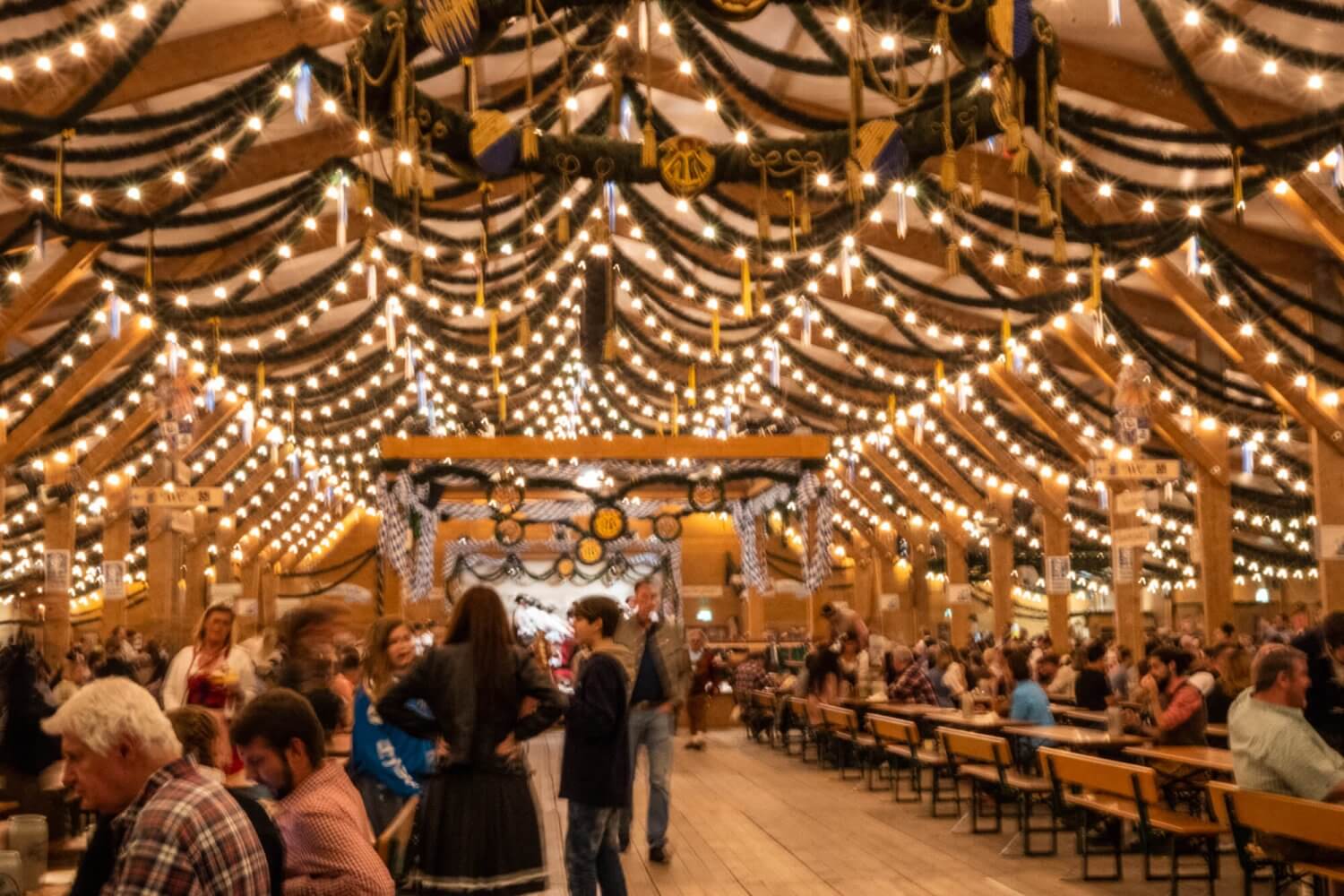
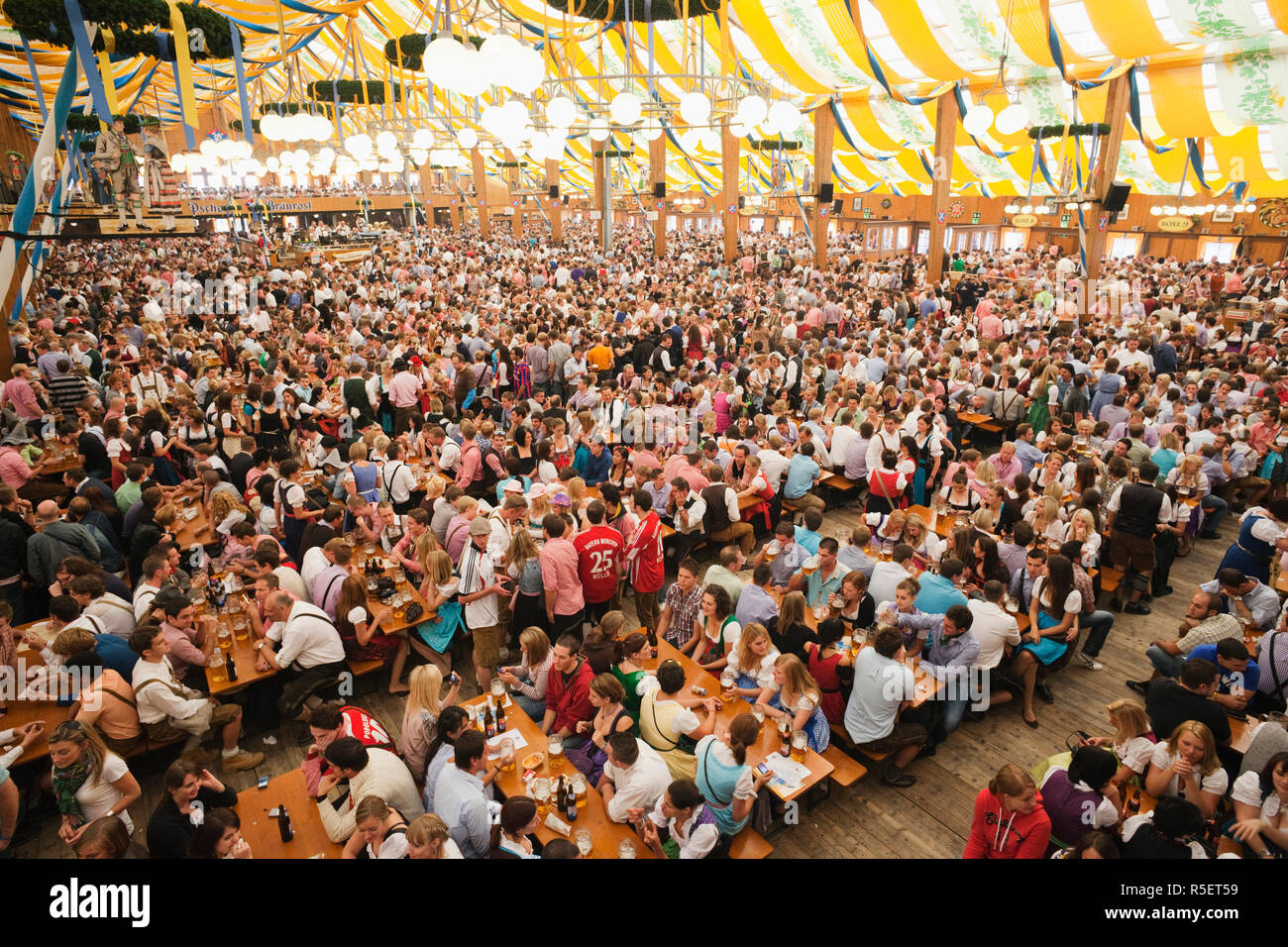
Creating the perfect atmosphere inside an Oktoberfest beer tent relies heavily on the curated selection of music, blending traditional Bavarian brass arrangements with high-energy party anthems that define the festival experience. These seven essential tracks serve as the sonic foundation for every successful tent, driving audience participation through sing-alongs, synchronized swaying, and the communal spirit that brings thousands of visitors together in Munich and at global celebrations.
The musical landscape of Oktoberfest is a specific genre of performance, typically led by a "Festkapelle" (festival brass band) that understands the rhythmic pacing required to keep a crowd engaged for hours. Whether you are organizing a local community event or simply looking to understand the essential components of the world’s most famous beer festival, mastering this playlist is the first step toward achieving an authentic atmosphere. These tracks are chosen for their cultural significance, their ability to encourage interaction, and their status as undisputed staples that have transcended time to remain the heartbeat of the tent.
The Cultural Significance of Oktoberfest Music
To understand why these specific seven songs are mandatory for every tent, one must appreciate the function of music within the Bavarian festival tradition. Unlike standard concert settings, the beer tent environment is participatory. The music is designed to act as a catalyst for social interaction, breaking down barriers between strangers seated at the same long, wooden tables.
A Festkapelle is more than just a musical act; they are the facilitators of the "Gemütlichkeit"—a term often translated as coziness or friendliness, but which effectively describes the communal joy felt in a beer tent. When the band strikes up a known classic, the transition from passive listening to collective singing is instantaneous. This is the hallmark of a successful Oktoberfest session, and the tracks selected here are the primary tools used to achieve this state of total tent harmony.
1. "Ein Prosit der Gemütlichkeit"
No list of Oktoberfest songs can begin anywhere else. "Ein Prosit" is not merely a song; it is the official anthem of the festival. Composed by Bernhard Dittrich, it is played at regular intervals throughout the day to signal a mass toast.
The song is remarkably simple, consisting of a repetitive, melodic invitation to drink to the health and harmony of those around you. The ritual is strict: the band plays the song, the crowd sways in rhythm, and at the end of the refrain, everyone raises their mass (the traditional one-liter beer mug), shouts "Ein Prosit!", clinks mugs with their neighbors, and drinks. It is the social lubricant that defines the entire experience.
2. "Fliegerlied (So ein schöner Tag)"
In the modern era of the festival, "Fliegerlied" by Tim Toupet has become an essential high-energy track. While some traditionalists might look to older folk standards, the reality of the 2026 Oktoberfest experience is that crowds crave songs that involve physical movement.
The "Fliegerlied" (The Flyer Song) features lyrics that prompt the audience to perform specific actions: flapping their arms like a plane, jumping, and spinning around. It is a masterclass in audience participation. Because it requires the crowd to stand up and engage physically, it is often played in the mid-to-late afternoon when the energy levels in the tent need a significant boost.
3. "Sierra Madre del Sur"
If "Ein Prosit" is the spark, "Sierra Madre" is the emotional anchor of the tent. Originally a German-language hit by the Schürzenjäger, this track has become the unofficial ballad for the late-evening hours when the mood in the tent turns from boisterous to sentimental.
The melody is melancholic and sweeping, encouraging the entire room to sway in unison with their arms around one another. It captures the essence of the "festive longing" that many attendees feel as the night winds down. Seeing a tent of thousands of people singing the chorus in perfect, slightly tipsy unison is one of the most powerful sights at the Wiesn (the local name for the Oktoberfest grounds).
4. "Hulapalu"
Andreas Gabalier’s "Hulapalu" represents the contemporary wave of "Volks-Rock'n'Roll." Its infectious, upbeat rhythm makes it a staple for younger crowds, but its simple, repetitive chorus ensures that even international visitors who do not speak German can join in immediately.
The song’s success lies in its rhythmic drive. It provides a necessary tempo shift from the slower waltzes and brass-heavy marches. It is highly danceable and functions as a bridge between the traditional brass band sound and modern pop sensibilities, ensuring that the musical set remains dynamic rather than static throughout the festival duration.
5. "An Tagen wie diesen"
While not written specifically for Oktoberfest, Die Toten Hosen’s "An Tagen wie diesen" (On Days Like These) has been adopted by the festival culture as a modern anthem of celebration. Its lyrics focus on the feeling of living in the moment, which perfectly encapsulates the Oktoberfest philosophy.
Its inclusion in the setlist serves to bridge the gap between rock and folk. It carries a sense of epic scale, making it ideal for the peak hours of the evening when the atmosphere is most electric. The anthem-like quality of the chorus provides a powerful, lungs-out singing experience that resonates perfectly within the expansive, high-ceilinged acoustics of a beer tent.
6. "I Am from Austria"
Ambros’s classic, "I Am from Austria," is a beloved staple. Despite the focus on Bavarian tradition, the cultural exchange between Bavaria and Austria is profound, and this song serves as a tribute to that shared heritage.
It is frequently played as a sign of respect and shared identity. It is another "swaying song" that allows attendees to pause and appreciate the communal nature of the event. It is particularly popular when the tent is filled with a diverse international crowd, as it carries a message of pride that is easily understood and respected by everyone in attendance.
7. "Wirtshaus Gaudi"
No beer tent is complete without a song that celebrates the very environment the guests are sitting in. "Wirtshaus Gaudi" (Pub Fun) is a high-tempo, quintessential brass track that embodies the chaotic, joyful spirit of the festival.
This track is often used to ramp up the intensity. It features fast-paced brass sections that force the band to showcase their technical proficiency while encouraging the crowd to clap along at high speeds. It is a loud, unapologetic celebration of the "Gaudi"—the fun and merriment—that brings people to the tent in the first place.
Essential Components of the Oktoberfest Playlist
When building or analyzing a setlist for a beer tent, one must consider the cadence of the event. A professional band will not play seven high-energy tracks back-to-back; they must modulate the energy.
| Track | Musical Style | Primary Function |
|---|---|---|
| Ein Prosit | Traditional Anthem | Toasting and social bonding |
| Fliegerlied | Party Pop | High-energy physical participation |
| Sierra Madre | Ballad | Emotional connection and swaying |
| Hulapalu | Modern Rock/Folk | Upbeat movement and engagement |
| An Tagen wie diesen | Pop Rock | Anthem-style group singing |
| I Am from Austria | Ballad | Cultural pride and shared experience |
| Wirtshaus Gaudi | Brass/Polka | Peak energy and atmosphere building |
Technical Considerations for Tent Music
For those involved in the technical production or organization of such an event, the audio requirements are significant. Beer tents are vast, cavernous spaces that often suffer from significant reverberation. Ensuring that the vocals and the brass instruments remain crisp requires professional-grade sound reinforcement systems.
Microphone placement is critical. Because Festkapelle musicians often switch between singing and playing instruments like trumpets, trombones, or tubas, the sound engineering setup must be flexible. The "house sound" must be balanced so that the drums do not overpower the vocals, as the primary goal of these seven songs is to facilitate sing-alongs. If the lyrics are unintelligible to the guests, the communal aspect of the tent fails.
Common Mistakes to Avoid
One common error in programming beer tent music is over-relying on non-festival tracks. While international pop hits may be popular, they often lack the "glue" that binds the tent together. The seven songs listed above are the foundation because they are universally recognized by regulars. Deviating too far into generic pop hits can alienate the core demographic that provides the "authentic" atmosphere visitors are seeking.
Another mistake is neglecting the volume levels during the "breaks." A professional band knows that silence is a tool. After a high-energy song, giving the crowd a moment to order another round and chat is essential. The music should ebb and flow with the crowd’s activity rather than acting as a continuous, relentless wall of sound.
Frequently Asked Questions
Why is "Ein Prosit" played so often during the festival? "Ein Prosit" is played every 15 to 20 minutes to maintain the social rhythm of the tent. It acts as a mandatory "reset" button that encourages guests to interact with their immediate neighbors, ensuring that the social atmosphere remains inclusive throughout the duration of the event.
Can I substitute these songs with modern dance hits? While you can integrate modern music, doing so exclusively will strip away the authentic Oktoberfest experience. The tradition relies on the specific "brass-meets-pop" aesthetic. Use modern music sparingly as a bridge, but keep the core traditional tracks to maintain the festival's identity.
What is the best time of day to play the high-energy songs? High-energy songs like "Fliegerlied" or "Hulapalu" are most effective in the late afternoon and early evening (roughly 3:00 PM to 7:00 PM). This is when the crowd is most active. Save the slower ballads like "Sierra Madre" for the final hour of the night.
Do I need a live band for these songs to be effective? While a live Festkapelle is the gold standard for an authentic experience, a well-curated playlist can suffice for smaller, informal gatherings. However, a live band has the ability to read the room and adjust the tempo of these songs based on the crowd's energy, which is impossible with a pre-recorded track.
Are there legal requirements for playing this music in public? Yes. In most jurisdictions, including Germany, you must secure performance rights for live or recorded music. Ensure you have the appropriate licenses from relevant performing rights organizations to avoid legal complications during your event.
Next Actions for Your Event
To successfully implement this music strategy, start by verifying the acoustic capabilities of your venue. If you are hosting a large event, consult with an audio engineer experienced in large-scale event sound to ensure your brass instruments and vocals reach every corner of the tent. Once the technical foundation is secure, coordinate with your band or DJ to ensure these seven tracks are prioritized in the rotation. By focusing on these time-tested staples, you create an environment where guests feel a sense of belonging, which is the true essence of the Oktoberfest tradition.