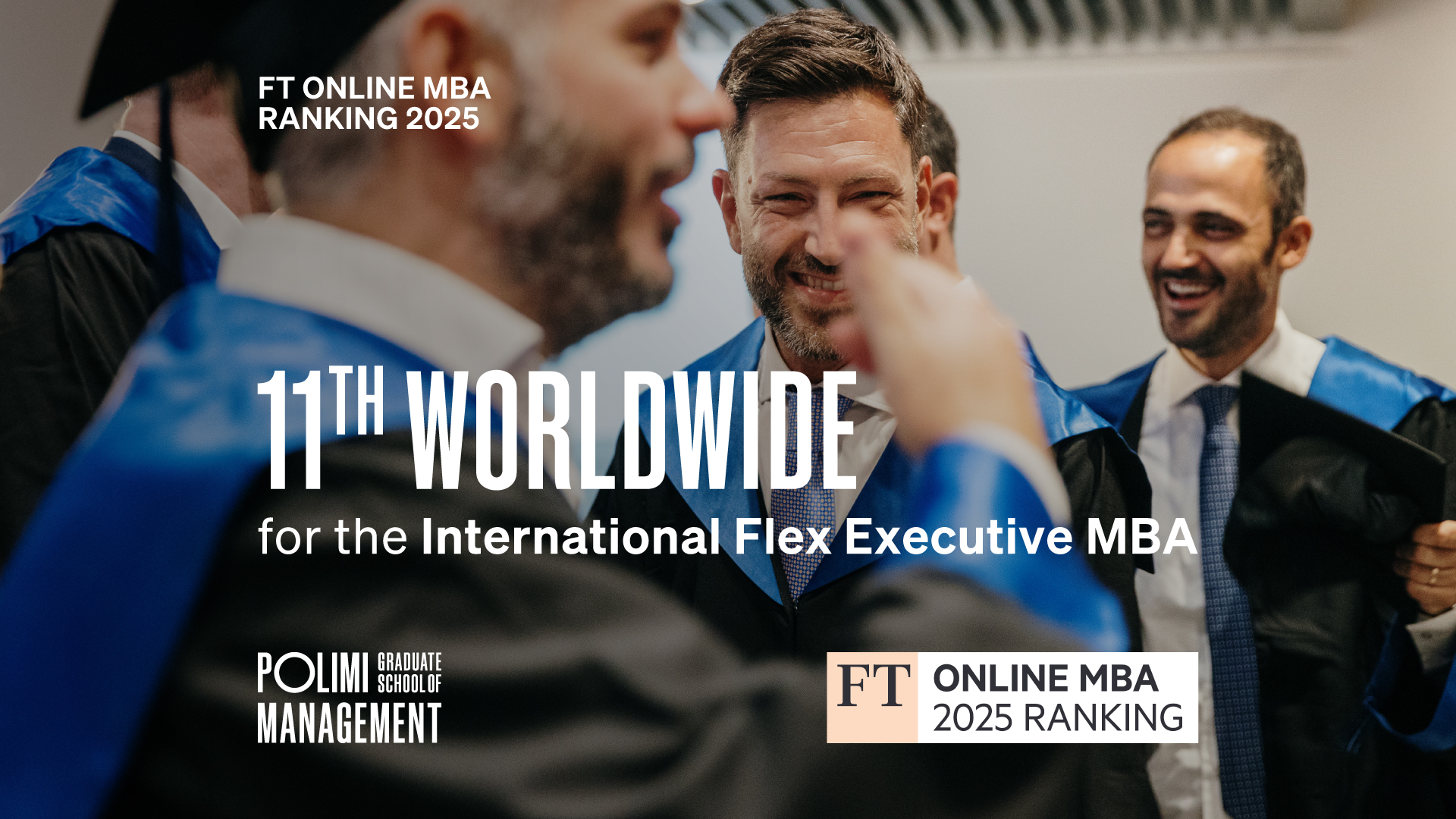
In the 2026 global economy, the best international online MBA wins the race by combining high-level academic rigor with unparalleled geographic flexibility and advanced technological integration. These programs outperform traditional and local alternatives by offering Triple Crown accreditation, diverse global networking opportunities, and a curriculum specifically designed for digital-first leadership in a borderless marketplace.
The landscape of executive education has shifted dramatically. While the fundamental principles of business administration—finance, strategy, and leadership—remain constant, the delivery and context of these subjects have evolved. For professionals aiming to reach the C-suite or pivot into multinational sectors, the choice of an MBA is no longer just about the degree itself, but about the platform, the prestige, and the global footprint it provides.
1. Global Accreditation and Institutional Prestige
The primary reason a top-tier international online MBA dominates is its adherence to the "Triple Crown" accreditation standards. This distinction is held by fewer than 1% of business schools worldwide and involves rigorous evaluation by the three most influential bodies: the Association to Advance Collegiate Schools of Business (AACSB) in the United States, the European Quality Improvement System (EQUIS) in Europe, and the Association of MBAs (AMBA) in the United Kingdom.
Accreditation serves as a universal language of quality. In a globalized job market, an employer in Dubai or New York may not be familiar with every local university, but they recognize the standards set by these organizations. The best international programs "win the race" because they ensure that the online version of their degree is indistinguishable from the on-campus equivalent in terms of curriculum, faculty, and transcript.
Furthermore, prestige in 2026 is linked to research output and faculty expertise. Top international programs attract professors who are not only academics but also consultants for global entities like the World Bank or major tech conglomerates. Learning from a professor who is currently shaping international trade policy provides a competitive edge that localized, non-accredited programs simply cannot match.
2. Immersive Technological Infrastructure and AI Integration
By 2026, the "best" online MBA is no longer defined by simple video lectures and PDF readings. The winners in this space have invested heavily in proprietary Learning Management Systems (LMS) that utilize Artificial Intelligence (AI) and Extended Reality (XR) to simulate real-world business environments.
High-end international programs use AI to personalize the learning path for each student. If a student shows mastery in financial accounting but struggles with data analytics, the system adapts, providing additional resources and simulating more complex data sets. This efficiency allows professionals to maximize their limited study time, focusing on areas that provide the most significant skill growth.
Moreover, the use of virtual boardrooms and "digital twin" case studies allows students to practice high-stakes decision-making. For instance, a student might enter a VR simulation to negotiate a merger between two companies in different jurisdictions, dealing with real-time fluctuations in currency and regulatory hurdles. This technological depth transforms the online experience from a passive consumption of information into an active, experiential training ground.
3. Borderless Networking and Cultural Intelligence (CQ)
A critical component of any MBA is the network. The best international online MBA programs "win" by curating cohorts that represent 30 to 50 different countries. Unlike a local program where the majority of students might come from the same region or industry, an international program forces students to collaborate across time zones, languages, and cultural norms.
This environment builds Cultural Intelligence (CQ), a trait that has become a non-negotiable requirement for leadership in 2026. Managing a team that includes a software engineer in Bangalore, a marketing director in London, and a logistics manager in São Paulo requires more than just management theory; it requires the practical experience of navigating cross-cultural communication barriers.
Top programs facilitate this through:
- Synchronous Global Classrooms: Live sessions where students must solve problems in real-time with international peers.
- Virtual "Coffee Chats" and Interest Groups: AI-matched networking opportunities based on career goals rather than geography.
- Optional Global Immersions: Short, intensive on-site residencies at international business hubs, allowing online students to meet in person and visit multinational headquarters.
4. Curriculum Agility and Real-World Relevance
The speed of business in 2026 demands a curriculum that can update almost as fast as the market. International online MBAs are often more agile than traditional programs because their digital nature allows for modular updates. While a physical textbook might be out of date by the time it is printed, a digital module on "Geopolitical Risk in the Green Energy Transition" can be updated by a faculty member in response to last week's trade agreement.
The curriculum of a winning program focuses on three "future-proof" pillars:
- Sustainable Leadership (ESG): Moving beyond simple compliance to integrating Environmental, Social, and Governance factors into the core strategy of a firm.
- Digital Transformation: Understanding how to lead organizations through the adoption of AI, blockchain, and quantum computing applications.
- Global Macroeconomics: Analyzing the shifts in global supply chains and the rise of emerging economies.
By focusing on these areas, international programs ensure their graduates are prepared for the problems businesses are solving today, rather than the problems they solved a decade ago. This relevance is a major reason why graduates of these programs see higher immediate ROI (Return on Investment) and faster promotion cycles.
5. Superior ROI and Career Mobility
The ultimate metric for any MBA is career advancement. The best international online MBA programs win the race because they provide a "global mobility" pass. Graduates are not tied to the economy of their home country; they have the credentials and the network to apply for roles in global hubs like Singapore, Zurich, or San Francisco.
From a financial perspective, the ROI of a top-tier online MBA is often superior to a full-time, on-campus program. Students can continue to earn their full salary, apply their learnings in real-time to their current roles (often leading to early promotions), and avoid the massive opportunity cost of leaving the workforce for two years. Furthermore, many elite international schools have dedicated online career services that provide global job boards, AI-powered resume tailoring for different regions, and access to an alumni network of hundreds of thousands of professionals worldwide.
Comparative Analysis of Top International MBA Features (2026)
The following table compares the typical features found in "winning" international online programs versus standard regional offerings.
| Feature | Best International Online MBA | Standard Regional Online MBA |
|---|---|---|
| Accreditation | Triple Crown (AACSB, EQUIS, AMBA) | Local or Single Body only |
| Cohort Diversity | 30+ Nationalities; diverse industries | Mostly local; limited industry variety |
| Technology | XR simulations, AI-driven learning paths | Video recordings and discussion boards |
| Faculty | Global thought leaders and practitioners | Local academic staff |
| Career Support | Global placement and international alumni | Local job fairs and regional network |
| Global Immersion | Included/Optional residencies in major hubs | Rarely offered or purely local |
| Curriculum Focus | Geopolitical strategy, ESG, AI leadership | Traditional management and accounting |
Prerequisites and Admission Requirements
To enter a program that "wins the race," candidates must meet stringent requirements. In 2026, the focus has shifted from just standardized test scores to a more holistic view of the "Global Professional."
- Professional Experience: Most top-tier programs require a minimum of 3 to 5 years of professional work experience. Executive MBAs (EMBAs) may require 10+ years, including significant leadership roles.
- Academic Excellence: A strong undergraduate degree from a recognized institution. While some schools offer GMAT/GRE waivers for candidates with extensive experience, high scores are still a significant advantage for scholarships.
- English Proficiency: For international programs, a high level of English proficiency is required (e.g., IELTS 7.5+ or TOEFL 100+), as the ability to participate in complex debates is essential.
- Leadership Potential: Admissions committees look for evidence of cross-cultural collaboration, community impact, and the ability to adapt to technological change.
- Digital Literacy: Applicants must demonstrate comfort with advanced digital tools, as the rigor of the online platform requires more than just basic computer skills.
Cost Considerations and Financial Planning
Investing in a top-tier international online MBA is a significant financial commitment. In 2026, tuition for these elite programs typically ranges from $40,000 to $120,000 USD, depending on the institution and the length of the program.
However, prospective students must look beyond the "sticker price" at the total cost of ownership.
- Technology Fees: Costs for VR hardware or specialized software access.
- Immersion Costs: Travel, lodging, and fees for optional on-site residencies.
- Opportunity Costs: While students remain employed, the time commitment (usually 15-25 hours per week) may impact other income-generating activities or personal time.
- Sponsorship: Many multinational corporations provide partial or full tuition reimbursement for top-tier programs because the skills learned (especially in ESG and AI) are directly beneficial to the company’s bottom line.
For more information on the standards and importance of accreditation, visit the official AACSB website or the European Foundation for Management Development (EFMD).
Frequently Asked Questions (FAQ)
Is an online MBA from an international school as respected as an on-campus one? Yes, provided the program is from a Triple Crown accredited institution. By 2026, the distinction has largely vanished in the eyes of recruiters, as many prestigious schools use the exact same faculty and award the exact same diploma for both formats. The key is the reputation of the school, not the delivery method.
How much time should I dedicate to an international online MBA? Most students in top-tier programs report spending between 15 and 20 hours per week on coursework, team projects, and live sessions. This is a rigorous schedule designed to mirror the intensity of a traditional MBA. "The best" programs do not offer shortcuts; they offer flexibility in when you work, not how much you work.
What is the "Triple Crown" accreditation and why does it matter? The Triple Crown refers to accreditation by AACSB (US), EQUIS (EU), and AMBA (UK). It is the gold standard of business education. For an international online MBA, it ensures that your degree will be recognized and respected by any multinational corporation, regardless of where their headquarters are located.
Are there scholarships available for international online MBA programs? Yes. Many elite schools offer merit-based scholarships to ensure diversity within their cohorts. They seek to attract top talent from emerging markets or specific underrepresented industries. Applicants are encouraged to apply early to secure these competitive funds.
Do I need to travel for an international online MBA? In most "race-winning" programs, travel is optional but highly recommended. Many schools offer 1-week "Global Immersion" trips to cities like Shanghai, Berlin, or New York. These allow for intensive networking and face-to-face time with faculty and peers, which can significantly enhance the value of the degree.
How does the application process differ for international students? The core requirements remain similar (transcripts, essays, interviews), but international students must ensure their previous degrees are officially recognized through services like WES (World Education Services). Additionally, proof of English proficiency is a standard requirement for programs delivered in English.
Final Recommendation
To truly "win the race" in your career, you must select an international online MBA that offers more than just a certificate. Prioritize programs that carry the Triple Crown accreditation, demonstrate a commitment to cutting-edge technology, and provide a truly global student body. Before applying, reach out to current students or alumni through LinkedIn to gauge the actual impact the program had on their global mobility and salary growth. In 2026, the best degree is the one that prepares you to lead in a world that is digital, diverse, and constantly evolving.