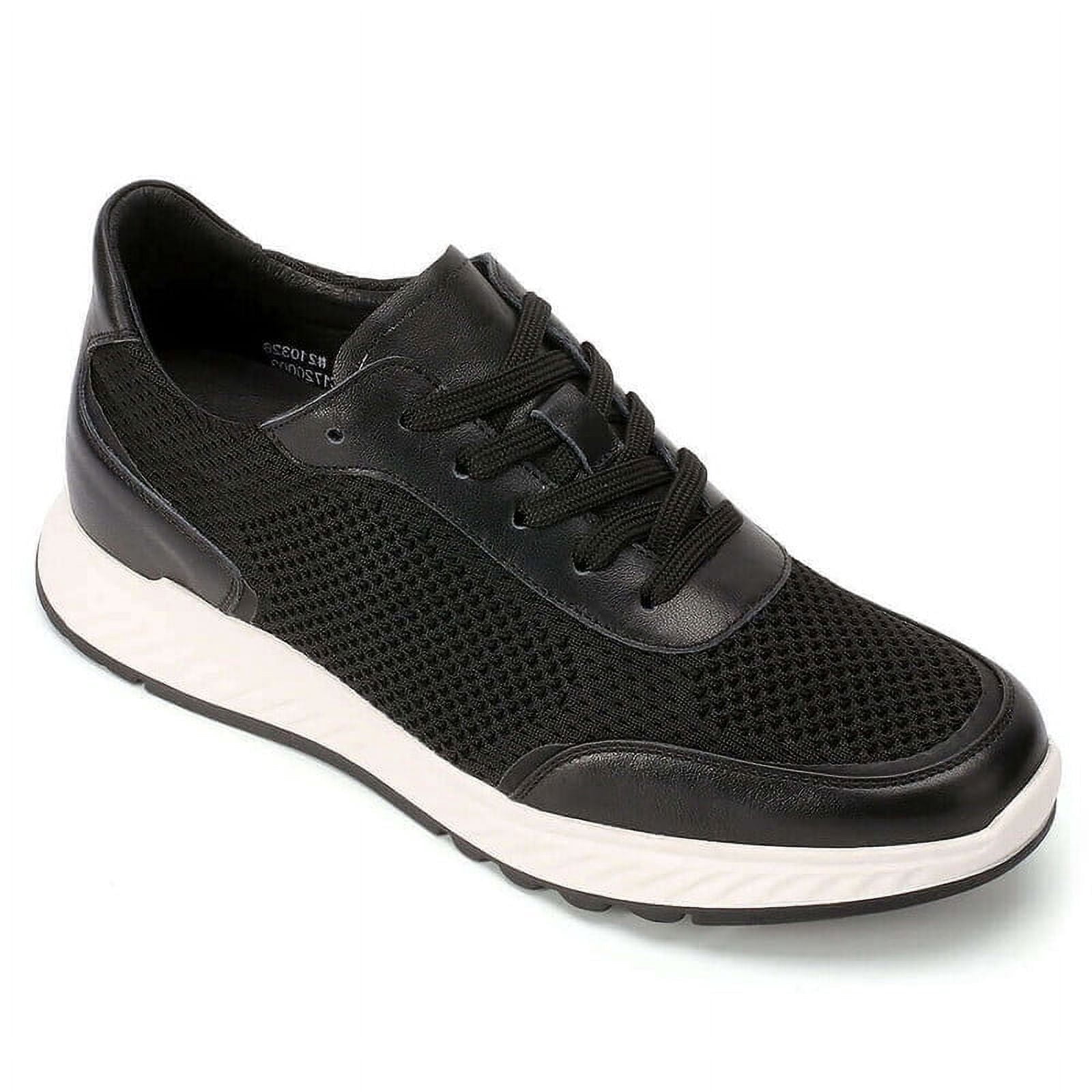
Choosing the right footwear as a short man involves balancing proportion, comfort, and modest height enhancement without sacrificing style. The best shoes for short men typically feature sleek profiles, subtle heel drops or internal height increases, and minimal bulk to elongate the leg line.
Finding the ideal pair of shoes when you are a shorter man is about much more than simply adding an extra inch or two to your stature. It is a nuanced exercise in sartorial geometry, where proportion, silhouette, weight, and materials intersect to create an elongated, balanced visual line. When a shorter man wears footwear that is too chunky, clunky, or disproportionately wide, it creates a heavy anchor effect at the bottom of the body, visually cutting off the leg and making him look shorter than he actually is. Conversely, choosing the right footwear can subtly elevate your height while enhancing your posture, boosting your confidence, and ensuring that your wardrobe looks intentionally tailored and cohesive.
Navigating the footwear market with proportion in mind requires understanding how different shoe categories interact with your wardrobe. From sleek low-profile sneakers and refined Chelsea boots to formal dress shoes with hidden height-increasing insoles, various options exist to cater to different dress codes and personal styles. This guide examines five of the best shoe categories for short men, breaking down their structural characteristics, styling versatility, benefits, and potential drawbacks to help you build a more proportional and confident wardrobe.
Understanding Proportions and Height Architecture for Shorter Men
Before diving into specific shoe categories, it is vital to understand the foundational rules of vertical styling. For men of shorter stature (typically considered under 5 feet 8 inches), the primary styling objective is leg elongation and a seamless transition from the trousers down to the ground.
When pants and shoes clash drastically in color or create a bulky termination point, the eye stops abruptly, fragmenting the body into smaller horizontal blocks. A streamlined shoe profile maintains the vertical line of the leg. Furthermore, the choice between explicit height-increasing shoes (often called elevator shoes) and naturally elevated footwear (like boots with a substantial block heel or chunky-soled sneakers) comes down to personal comfort, discretion, and foot health.
Height-increasing shoes utilize built-in, slanted polyurethane or cork insoles that elevate the heel significantly higher than the toe box. While effective at adding two to three inches instantly, they alter the natural gait and can cause discomfort if the arch support is poorly engineered. On the other hand, traditional footwear styles with inherent design features—such as Goodyear-welted boots with stacked leather heels or minimalist dress shoes with a slight wedge—offer organic elevation without the compromises of specialized elevator shoes.
1. Minimalist Low-Profile Leather Sneakers
Minimalist low-profile leather sneakers are a cornerstone of modern casual menswear and arguably the most versatile footwear option for short men. Unlike bulky running shoes or oversized skate shoes that swallow the foot and add unwanted visual weight, a clean white or black leather low-top creates a sleek, uninterrupted line from the ankle to the floor.
Structural Advantages and Aesthetics
The primary advantage of a minimalist leather sneaker lies in its understated silhouette. Brands like Common Projects, Thursday Boot Co., and Beckett Simonon popularized the clean-toe, low-cut aesthetic. Because the collar of the shoe sits low on the ankle, it exposes more of the lower leg and ankle bone, which naturally creates an elongating effect—especially when worn with cropped trousers or tailored denim that breaks right at the ankle.
Furthermore, most minimalist sneakers feature a durable rubber cupsole that provides a subtle, natural height boost of roughly 0.75 to 1.1 inches. While this may seem modest compared to specialized height-increasing shoes, it provides an authentic lift without throwing off your center of gravity or causing foot strain during long days of walking.
Styling Recommendations
To maximize the height-enhancing effect of minimalist low-top sneakers:
- Match your trousers: Wear tonal outfits or monochromatic color palettes to avoid cutting your body into contrasting horizontal halves.
- Show some ankle: Pair these sneakers with slim-fit or tailored trousers that end just above the ankle bone, or cuff your jeans slightly.
- Keep them pristine: Because minimalist sneakers rely on clean lines, scuffed or dirty leather ruins the polished aesthetic that draws the eye upward and outward smoothly.
| Feature / Aspect | Minimalist Leather Sneaker | Chunky Dad Sneaker (Avoid) |
|---|---|---|
| Sole Thickness | Moderate (0.75 to 1.1 inches) | Heavy, exaggerated (1.5 to 2.5 inches) |
| Ankle Profile | Low-cut, exposes ankle bone | High-collared, thick padding |
| Visual Weight | Lightweight, streamlined | Heavy, bulky, wide footprint |
| Leg Elongation Effect | High (maintains continuous line) | Low (shortens the leg visually) |
2. Sleek Chelsea Boots with Stacked Heels
Boots are exceptionally powerful tools for shorter men because they inherently combine structural height, masculine presence, and vertical continuity. Among all boot styles, the sleek Chelsea boot stands out as the premier choice for elevating both stature and style.
Why Chelsea Boots Work for Shorter Statures
Chelsea boots feature an elastic side gusset and a pull tab, eliminating laces and hardware to create a seamless, minimalist upper. For shorter men, the most important feature of a quality Chelsea boot is the heel. Unlike flat-soled boots or work boots, traditional dress-oriented Chelsea boots feature a stacked leather or rubber heel that naturally measures between 1.0 and 1.5 inches.
When you combine this natural heel drop with a tapered toe box (such as an almond or slight chisel toe), the shoe physically lifts you while visually lengthening your feet and legs. When paired with slim or straight-leg dark denim and a matching dark sock, Chelsea boots create an unbroken column of color that makes the wearer appear taller and leaner.
Material Selection and Care
When shopping for Chelsea boots, look for smooth calfskin leather or rich suede. Suede offers wonderful texture and conforms quickly to the foot, while smooth leather provides a sharper, more formal finish. Avoid overly rounded, bulbous toe boxes, as they shorten the foot and make the wearer look grounded in a heavy, juvenile way.
3. Slim-Profile Dress Shoes (Oxford and Derby)
For formal occasions, business environments, and sharp tailoring, short men must avoid chunky brogues with heavy storm welts and thick rubber lug soles. Instead, a slim-profile Oxford or Derby shoe is the ideal companion for suits and dress trousers.
Precision Tailoring and Proportion
A classic Oxford closed-lacing system or a Derby open-lacing system with a narrow, elongated last (the mold upon which the shoe is shaped) creates an optical illusion of length. When wearing a tailored suit, the hem of your trousers should have a minimal break—meaning the fabric rests lightly against the top of the shoe without bunching up.
If your dress shoes are too wide or bulky, the trouser hem will catch on the shoe, creating horizontal folds that break the vertical line of your outfit. A slim dress shoe allows the trouser hem to drape cleanly. Furthermore, many high-end dress shoes and specialized formal dress shoes designed for short men incorporate a discreet, internal heel wedge that adds up to two inches of height entirely hidden from plain view.
Practical Considerations
- Sole Construction: Opt for leather soles or slim Dainite rubber soles rather than thick commando soles for formal wear.
- Color Coordination: Match your dress shoes precisely to your belt (black shoes with a black belt, brown shoes with a matching brown belt) to maintain an uninterrupted visual flow.
4. Penny Loafers with Almond Toes
Penny loafers are a timeless Ivy League and smart-casual staple that offer incredible versatility. For shorter men, loafers are particularly effective during warmer months or when dressing in business-casual attire, provided they possess the correct proportions.
The Power of the Low Instep
The low vamp (the top front part of the shoe) of a penny loafer exposes the upper instep of the foot. By showing more skin or wearing no-show socks with cropped trousers, shorts, or tailored chinos, you create negative space that breaks up heavy fabrics and gives the illusion of longer legs.
To maximize this effect, choose penny loafers with an almond or slightly elongated toe rather than a rounded, moc-toe shape. A refined penny loafer from heritage makers like G.H. Bass or Allen Edmonds provides a subtle heel lift and a lightweight, aerodynamic profile that keeps your lower half looking nimble and proportional.
Common Mistakes to Avoid
- Avoid chunky lug-sole loafers: While trendy, ultra-thick lug soles can overwhelm a shorter man's frame, making his feet look disproportionately large.
- Ensure a snug fit: Because loafers lack laces, a proper fit is essential. Heel slippage causes an awkward gait, which detracts from the confident, tall posture you are trying to project.
5. Discreet Height-Increasing Elevator Shoes
When maximum stature enhancement is the primary goal—such as for weddings, public speaking engagements, or professional networking events—discreet height-increasing shoes (elevator shoes) serve a dedicated purpose.
Engineering and Discretion
Modern elevator shoes have evolved far beyond the clumsy, uncomfortable platform shoes of the past. Today's premium elevator footwear features a concealed, anatomically engineered internal incline insole paired with a traditional exterior design. From the outside, a high-end elevator Oxford or Chelsea boot looks identical to standard luxury footwear, often providing anywhere from 2 to 3.5 inches of hidden elevation.
The engineering behind these shoes distributes weight evenly across the footbed, preventing the unnatural downward slump of the toes that causes pain. However, wearing elevator shoes requires a brief adjustment period to adapt your stride and balance.
Balancing Height and Comfort
While elevator shoes are a powerful confidence booster, they should be integrated into a rotation rather than worn every single day, as any elevated heel alters natural biomechanics. Ensure you select shoes with breathable linings and genuine leather uppers to prevent foot fatigue during extended wear.
Comprehensive Comparison of Footwear Options for Short Men
To help you decide which shoe category best fits your lifestyle, wardrobe, and height-enhancement goals, review the structured comparison below:
| Shoe Category | Typical Height Boost | Primary Style Match | Maintenance Level | Best For |
|---|---|---|---|---|
| Minimalist Leather Sneakers | 0.75" – 1.1" | Casual, streetwear, smart-casual | Low to Moderate | Everyday wear, travel, relaxed offices |
| Chelsea Boots | 1.0" – 1.5" | Fall/Winter, smart-casual, edgy | Moderate | Evening outings, cooler weather, denim |
| Slim Dress Shoes | 0.5" – 2.0" (if elevated) | Formal, business professional | High | Weddings, corporate settings, suits |
| Penny Loafers | 0.5" – 1.0" | Spring/Summer, business-casual | Moderate | Warm-weather tailoring, chinos, date night |
| Elevator Shoes | 2.0" – 3.5" | Formal, professional, versatile | Moderate | Special events, maximum stature boost |
Frequently Asked Questions
Do chunky sneakers make short men look shorter?
Yes, heavily padded, chunky "dad" shoes or thick-soled athletic trainers often overwhelm a shorter frame. Their wide footprints and bulky silhouettes draw excessive attention to the feet, creating a bottom-heavy look that visually shortens the legs. Stick to sleek, low-profile designs instead.
How much height can elevator shoes realistically add?
Most standard elevator shoes add between 2 and 3 inches of height without looking bulky or suspicious from the outside. While options offering 4 inches or more exist, they often feature exaggerated heel proportions or steep inclines that compromise comfort and gait naturalness.
Should short men wear high-top sneakers?
High-top sneakers can be tricky because the collar cuts off the leg right at the ankle, which can shorten the visual line of the leg. If you prefer high-tops, pair them with cropped or tapered pants that end right at or slightly above the shoe collar rather than allowing pants to bunch over them.
How do trouser breaks affect height perception?
A heavy, full break (where the pants bunch up significantly over the shoe) creates horizontal folds that chop up your vertical line. Short men benefit most from a no-break or a slight quarter-break, ensuring a clean, continuous line from the waist down to the footwear.
Are stacked heels on boots comfortable for all-day wear?
Yes, provided the boot features a well-constructed shank and supportive arch bed. A stacked heel of 1 to 1.5 inches distributes weight naturally and is widely considered comfortable for daily wear, unlike extreme platforms or steep internal wedges.
Final Recommendations for Your Wardrobe
Building a proportional wardrobe as a short man is ultimately about mastering silhouette and visual continuity. Rather than relying solely on extreme height-increasing shoes, focus on cultivating a versatile rotation of minimalist low-top leather sneakers, sleek Chelsea boots, and refined dress shoes with slim profiles. By maintaining clean trouser breaks, matching your sock and shoe colors, and prioritizing streamlined designs over bulky trends, you will naturally project a taller, sharper, and more confident presence.