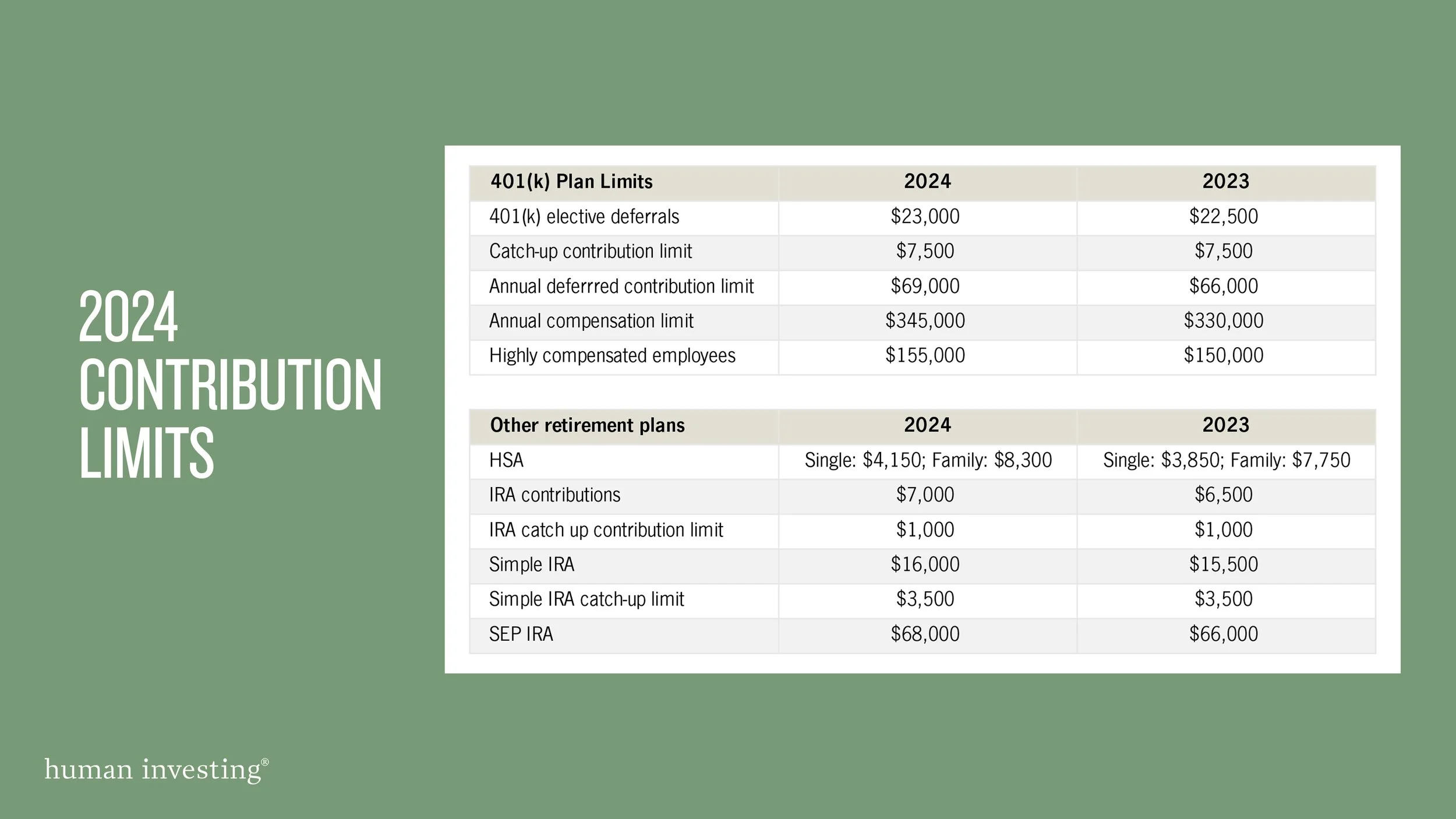
For the 2025 tax year, the standard elective deferral limit for a 457(b) retirement plan is $23,000, aligning with the limits set for 401(k) and 403(b) plans. Public sector and tax-exempt organization employees utilizing a 457(b) plan can also leverage age-based catch-up contributions of $7,500 for those aged 50 and older, as well as a specialized pre-retirement catch-up provision that allows eligible participants to double the standard contribution limit in their final three years of service.
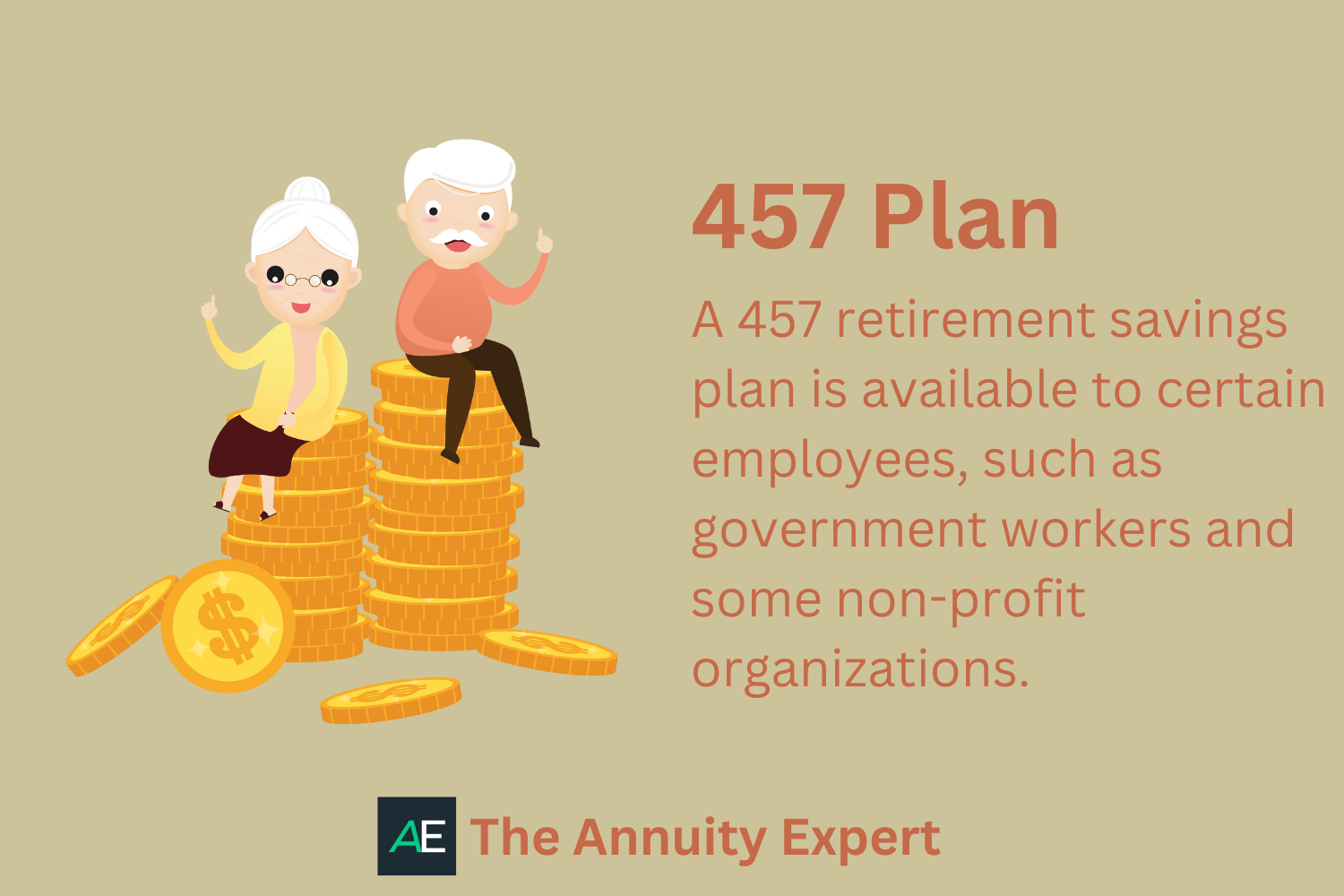
Navigating the financial architecture of public service and non-profit retirement accounts requires a granular understanding of annual contribution caps, statutory catch-up provisions, and regulatory compliance. The 457(b) deferred compensation plan is a powerful tool for state and local government workers, healthcare professionals, and employees of certain tax-exempt organizations. Because these plans operate under distinct Internal Revenue Code (IRC) regulations compared to traditional private-sector 401(k) accounts, knowing the exact thresholds governing your deposits is essential for maximizing retirement savings without incurring penalties.
Understanding the 457(b) Plan Landscape
The 457(b) plan is a non-qualified, deferred compensation program sponsored by state and local governments, as well as non-church tax-exempt organizations under IRC Section 457. Unlike private-sector corporate plans, 457(b) plans feature unique structural attributes that demand careful tax planning, particularly when evaluating how much income to defer on a pre-tax or Roth basis.
Core Mechanics of Deferred Compensation
When an employee elects to contribute to a 457(b) plan, that portion of their salary is withheld pre-tax (or post-tax if the plan supports a designated Roth option) and invested directly into the market without immediate federal and state income tax liability. These assets grow tax-deferred until distribution, typically upon separation from service, retirement, or through an approved unforeseeable emergency withdrawal.
Because these plans are designed to help public servants and non-profit employees build a secure nest egg outside of traditional corporate structures, the IRS adjusts contribution thresholds periodically to account for inflation. Understanding these adjustments prevents accidental over-contributions, which trigger administrative remediation hurdles and potential tax liabilities.
The Baseline Elective Deferral Cap for 2025
For the 2025 tax year, the IRS established the baseline elective deferral limit at $23,000. This limit represents the absolute maximum amount an employee under the age of 50 can contribute from their salary through payroll deductions over the course of the calendar year.
To put this threshold into operational practice, a worker earning an annual salary of $80,000 could theoretically defer up to 28.75% of their gross compensation, provided their individual plan rules permit such high deferral percentages. Employers also maintain the discretion to impose lower limits than the statutory maximum, meaning participants must verify their specific employer plan document before locking in their annual payroll deduction targets.
Special Catch-Up Provisions: Maximizing 2025 Contributions
One of the most valuable structural advantages of 457(b) plans is their dual-layered catch-up contribution framework. While many retirement vehicles offer a single catch-up tier for older workers, 457(b) accounts provide two distinct pathways for eligible participants to accelerate their savings as they approach retirement age.
Age 50 and Older Catch-Up Contribution
For participants who reach age 50 or older by December 31, 2025, the IRS permits an additional catch-up contribution.
- Standard Age 50+ Catch-Up: An extra $7,500 is permitted for 2025.
- Total Contribution Potential: Combining the baseline limit of $23,000 with the $7,500 catch-up brings the total allowable employee deferral to $30,500 for individuals aged 50 to 49.
This provision mirrors the catch-up limits found in 401(k) and 403(b) plans, offering older workers a crucial window to bridge any savings gaps during their peak earning years.
The Special 457(b) Pre-Retirement Catch-Up
Perhaps the most distinctive feature of governmental 457(b) plans is the special 3-year pre-retirement catch-up provision (authorized under IRC Section 457(b)(3)). This rule is designed specifically for employees who under-contributed in prior years of their working career and need to accelerate savings before their normal retirement age.
- Eligibility Requirements: The participant must be within the three taxable years prior to the year they attain normal retirement age as specified by the plan.
- Contribution Limit: Eligible participants can contribute up to twice the standard annual limit ($23,000 × 2 = $46,000 for 2025), or the baseline limit plus any underutilized deferrals from prior years, whichever is less.
- The "No-Double-Dipping" Rule: Participants who qualify for both the Age 50+ catch-up and the special pre-retirement catch-up cannot automatically use both simultaneously if it exceeds statutory caps. By law, a participant can only use the catch-up provision that yields the higher dollar amount in a given year. Most plans require careful coordination with plan administrators to track prior-year under-contributions accurately.
2025 Contribution Limits At-a-Glance
| Contribution Type | Statutory Limit for 2025 | Eligibility Criteria |
|---|---|---|
| Standard Elective Deferral | $23,000 | All participating employees under age 50 (subject to plan rules) |
| Age 50+ Catch-Up | $7,500 | Participants turning 50 or older in 2025 |
| Combined Max (Age 50+) | $30,500 | Participants aged 50+ utilizing standard deferral plus age-based catch-up |
| Special Pre-Retirement Catch-Up | Up to $46,000 | Participants within 3 years of normal retirement age with prior under-contributions |
Interaction Between 457(b) and Other Retirement Accounts
A common point of confusion among public sector workers is whether contributing to a 457(b) plan reduces the amount they can contribute to other retirement vehicles, such as a traditional 403(b), traditional IRA, or Roth IRA.
The Independent Cap Rule
Unlike the aggregated contribution limits governing 401(k) and 403(b) plans—where an employee must combine all contributions across multiple private employers to ensure they do not exceed a single IRS cap—the 457(b) plan stands entirely separate.
If you are a public school teacher, municipal worker, or state university employee who participates in both a 403(b) plan and a 457(b) plan simultaneously, your contributions to the 457(b) do not count against your 403(b) limit, and vice versa.
- Dual-Plan Savings Example: In 2025, an eligible public employee over age 50 could theoretically contribute the maximum $23,000 (plus $7,500 catch-up) to a 403(b) and contribute an additional $23,000 (plus $7,500 catch-up) to a 457(b) plan. This allows dual-plan participants to shelter up to $61,000 annually in pre-tax or Roth retirement savings, excluding any applicable employer matching contributions.
IRA Coordination
Contributions to a 457(b) plan do not restrict your eligibility to contribute to a traditional IRA or a Roth IRA, though your adjusted gross income (AGI) may affect your ability to deduct traditional IRA contributions if you are an active participant in an employer-sponsored retirement plan. Because 457(b) deferrals reduce your taxable income, they can sometimes help lower your modified adjusted gross income (MAGI) to qualify for Roth IRA contributions phase-out thresholds.
Employer Contributions and Aggregate Limits
While employee deferrals form the backbone of most 457(b) accounts, employers frequently provide non-elective contributions or matching funds. However, governmental 457(b) plans operate under an overarching statutory ceiling that governs total annual additions.
The Section 415(c) Aggregate Limit
Under IRC Section 415(c), total contributions made to a participant’s account—combining both employee elective deferrals and any employer contributions—cannot exceed 100% of the participant’s taxable compensation or the general defined contribution limit, whichever is lower.
For 2025, the general Section 415(c) limit is $69,000 (excluding catch-up contributions). This means that even if an employee utilizes the special pre-retirement catch-up or receives substantial employer contributions, total annual additions cannot surpass this regulatory ceiling without triggering excess contribution penalties.
Strategic Planning and Compliance Management
Optimizing your 457(b) contributions requires proactive management throughout the calendar year. Because payroll deductions are calculated on a per-pay-period basis, changing employers mid-year or receiving unexpected bonuses requires careful monitoring to avoid over-funding.
Monitoring Payroll Deferrals
If you change jobs mid-year and move to a new public sector employer with a separate 457(b) plan, remember that 457(b) limits apply on a per-plan sponsor basis rather than an aggregate individual basis (unlike 401(k) plans). Nevertheless, tracking cumulative contributions prevents administrative complications during annual tax filing.
Dealing with Excess Deferrals
If an error occurs and contributions exceed the 2025 statutory caps, the excess deferral plus any attributable earnings must typically be withdrawn from the plan and reported as taxable income in the year contributed. Contacting your plan administrator immediately upon discovering an over-contribution ensures proper correction protocols are followed before IRS deadlines.
Frequently Asked Questions
Can I contribute to both a 457(b) and a 403(b) in 2025?
Yes. 457(b) and 403(b) plans operate under completely separate statutory caps. For 2025, you can contribute up to $23,000 to a 403(b) and an additional $23,000 to a 457(b) plan (plus applicable catch-up contributions if you are aged 50 or older), allowing dual-eligible public and non-profit employees to double their annual tax-advantaged savings.
What happens to my 457(b) contributions if I leave my job?
Unlike 401(k) plans, governmental 457(b) plan distributions are not subject to the 10% early withdrawal penalty if you separate from service before age 59½. You can leave the funds in the plan to continue growing tax-deferred, roll them over into a traditional IRA or another eligible retirement plan, or take cash distributions (which remain subject to ordinary income taxes).
Does the SECURE 2.0 Act affect 2025 457(b) catch-up contributions?
The SECURE 2.0 Act introduced higher catch-up limits for individuals aged 60 through 63 in certain retirement plans. However, participants should consult their specific plan administrators to verify whether their employer has adopted these optional provisions for 457(b) accounts, as implementation timelines can vary across state and local government plans.
Are Roth 457(b) contributions subject to the same $23,000 limit?
Yes. The $23,000 elective deferral limit for 2025 applies to the combined total of your pre-tax traditional 457(b) contributions and designated Roth 457(b) contributions. You can split your $23,000 limit between pre-tax and Roth accounts in any proportion you choose, provided the aggregate total does not exceed the statutory maximum.
How do I calculate my normal retirement age for the special 3-year catch-up?
Your normal retirement age is defined by your specific 457(b) plan document. It is typically set between ages 65 and 70½, or the age at which you are eligible to receive unreduced pension benefits from your employer's retirement system. You must consult your plan administrator to establish your official normal retirement age before attempting to utilize the special pre-retirement catch-up provision.
Recommended Next Action
Review your current paystub to calculate your year-to-date 457(b) contributions and compare them against the $23,000 baseline limit (or $30,500 if you are 50 or older). If your current withholding rate leaves room before reaching these 2025 thresholds, contact your human resources or payroll department to adjust your per-pay-period deferral percentage before the end of the tax year.