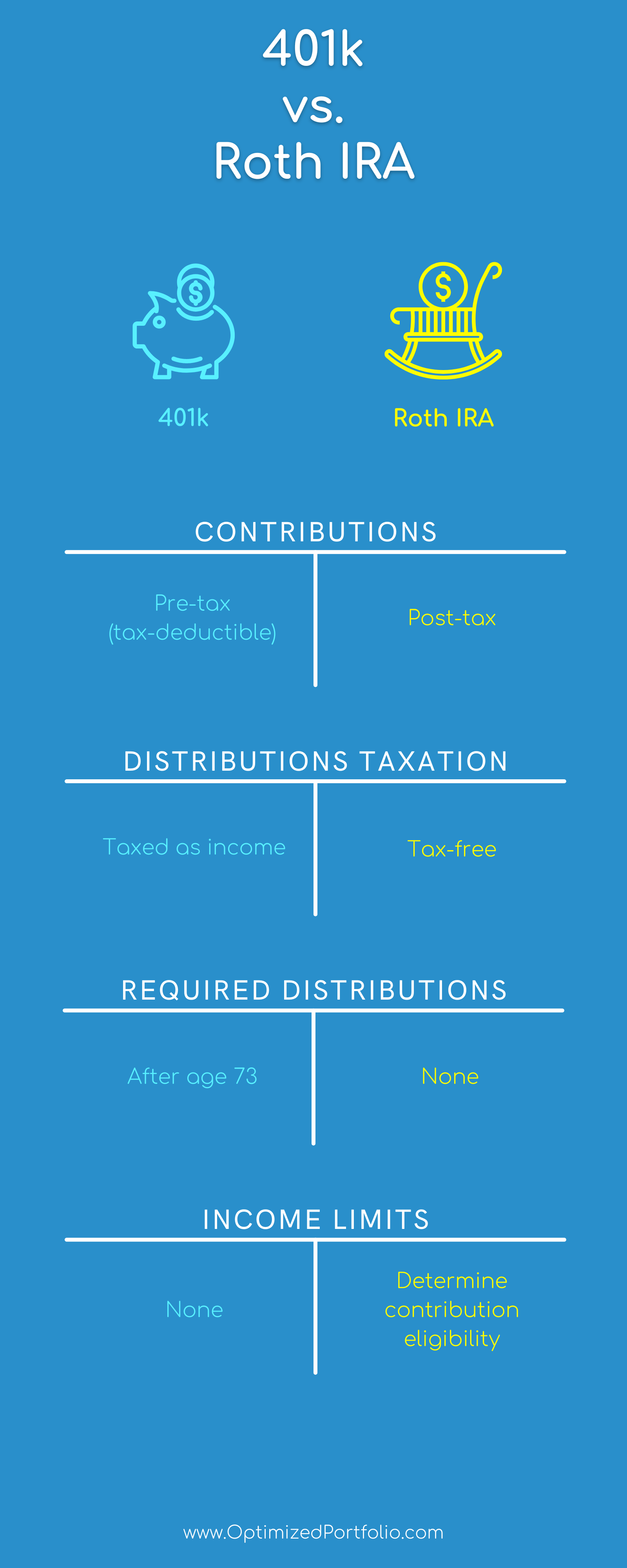
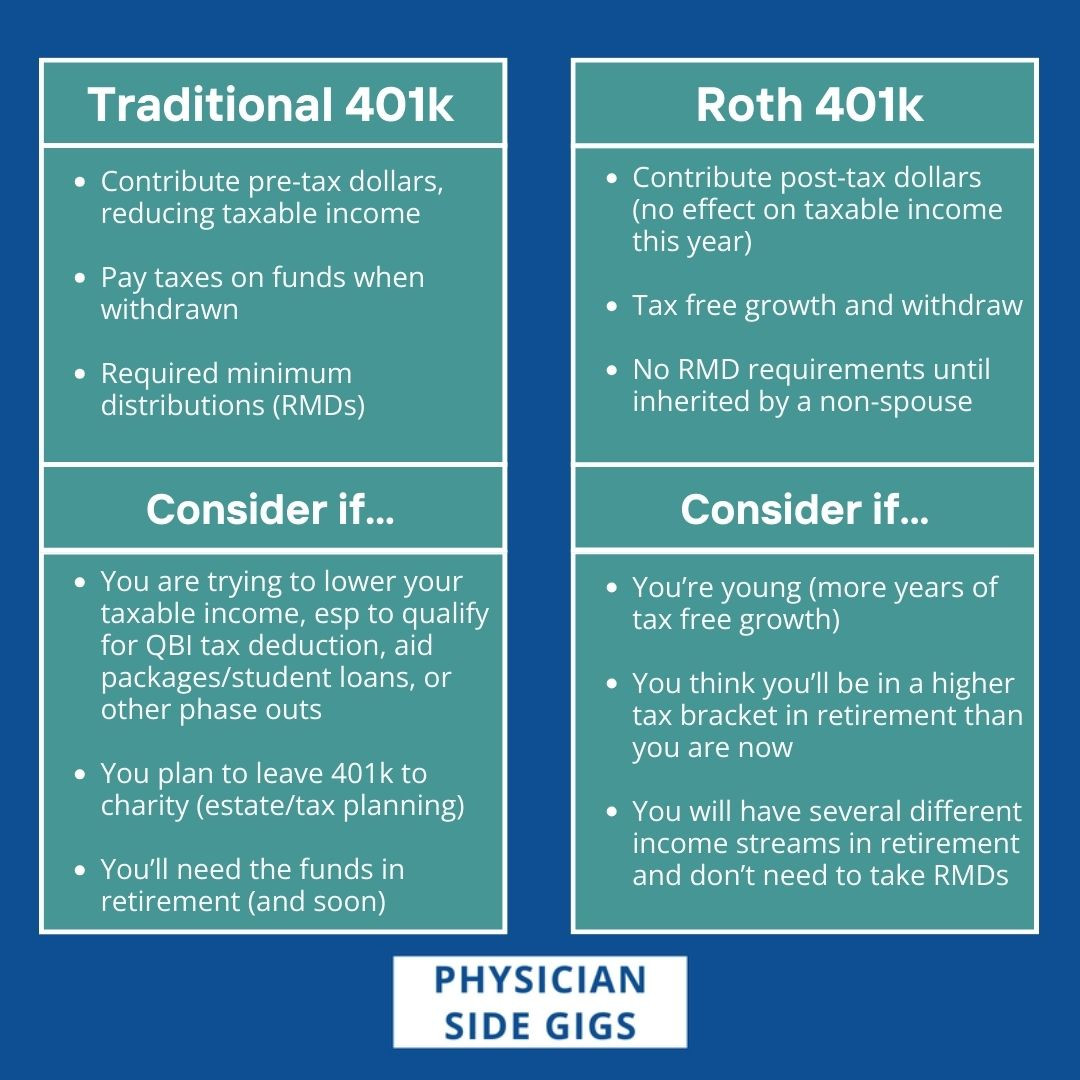
Whether your 401(k) is taxable depends primarily on the account type and the timing of your distributions. Traditional 401(k) contributions are tax-deferred, meaning you pay income tax upon withdrawal. Roth 401(k)s are funded with after-tax dollars, allowing for tax-free qualified distributions. Understanding these distinctions is essential for effective retirement planning and tax liability management.
The Fundamental Distinction: Traditional vs. Roth 401(k) Taxation
To determine if a 401(k) is taxable for you, the first step is identifying which "bucket" your money sits in. In the current 2026 financial landscape, many employers offer both Traditional and Roth options, and the tax treatment for each is diametrically opposed.
Traditional 401(k): The Tax-Deferred Model
The Traditional 401(k) remains the most common retirement vehicle. Its primary appeal is the immediate tax relief it provides. When you contribute to a Traditional 401(k), the funds are taken out of your paycheck "pre-tax." This reduces your gross income for the year, potentially lowering your overall tax bracket.
However, this is a tax deferral, not a tax disappearance. The IRS allows the money to grow tax-free within the account—meaning you pay no capital gains taxes or dividend taxes annually—but they will collect their share eventually. When you retire and begin taking distributions, every dollar you withdraw is treated as "ordinary income," just like a paycheck. It is taxed at whatever your effective income tax rate is at that future date.
Roth 401(k): The Tax-Free Growth Model
The Roth 401(k) operates on a "pay now, play later" philosophy. Contributions are made with "after-tax" dollars. You receive no immediate tax deduction on your 1040 form for the year you contribute. However, the trade-off is significant: as long as you follow the distribution rules, the entire balance—including decades of compound growth—is completely tax-free when you withdraw it.
In 2026, the Roth 401(k) has become increasingly popular for younger workers or those who believe tax rates will be higher in the future. Because the contributions have already been taxed, only the earnings are subject to specific "qualified distribution" rules to remain tax-free.
Tax Treatment of 401(k) Contributions in 2026
Understanding the immediate impact on your wallet requires looking at how contributions affect your annual tax filing.
Lowering Your Adjusted Gross Income (AGI)
For those using a Traditional 401(k), the main benefit is the reduction of your Adjusted Gross Income (AGI). For example, if you earn $80,000 in 2026 and contribute $15,000 to a Traditional 401(k), the IRS only sees $65,000 of taxable income. This can be the difference between qualifying for certain tax credits (like the Child Tax Credit or the Student Loan Interest Deduction) that have income phase-outs.
The SECURE 2.0 Impact on Catch-Up Contributions
By 2026, several provisions of the SECURE 2.0 Act of 2022 are in full effect. One of the most critical changes concerns "catch-up" contributions for high earners. If you earn over a certain threshold ($145,000, adjusted for inflation by 2026), the law now requires that your catch-up contributions (for those age 50 and older) be made to a Roth account. This means high earners can no longer use catch-up contributions to lower their current year's taxable income; instead, those specific funds must be post-tax.
Employer Matching Funds
One common point of confusion is the taxability of employer matching contributions. Historically, all employer matches were placed into a Traditional (pre-tax) account, even if the employee contributed to a Roth 401(k). This meant the employer's portion would always be taxable upon withdrawal.
As of 2026, more plans have adopted the SECURE 2.0 provision allowing employers to provide matches directly into a Roth account. If your employer does this, the match amount is considered taxable income to you in the year it is granted, but it will then grow and be withdrawable tax-free in retirement.
Are 401(k) Withdrawals Taxable?
The answer depends on your age, the type of account, and the "Five-Year Rule."
Taxation of Traditional 401(k) Withdrawals
Every cent withdrawn from a Traditional 401(k) is taxed as ordinary income. If you are in the 22% tax bracket in retirement, a $50,000 withdrawal will result in roughly $11,000 in federal taxes, leaving you with $39,000 in spendable cash. It is vital to account for this "tax bite" when calculating your retirement budget.
Taxation of Roth 401(k) Withdrawals
For a Roth 401(k) withdrawal to be tax-free, it must be a "qualified distribution." This requires two conditions:
- The Age Requirement: You must be at least 59½ years old.
- The Five-Year Rule: The account must have been open for at least five tax years, starting from the first day of the year you made your first contribution.
If you meet these, the withdrawal is not taxable. If you do not meet them, the earnings portion of your withdrawal may be subject to both income tax and a 10% penalty.
Comparison Table: Traditional vs. Roth Tax Treatment (2026)
| Feature | Traditional 401(k) | Roth 401(k) |
|---|---|---|
| Contribution Basis | Pre-tax (Reduces current AGI) | After-tax (No current tax break) |
| Growth Period | Tax-deferred | Tax-free |
| Withdrawal Taxation | Taxed as Ordinary Income | Tax-free (if qualified) |
| Employer Match | Taxable upon withdrawal | Taxable in year granted (if Roth match) |
| Penalty for Early Withdrawal | 10% + Income Tax | 10% + Income Tax (on earnings only) |
| RMD Requirements | Mandatory starting at age 73/75 | None (for owner) in 2026 |
Early Withdrawals and Penalties
If you access your 401(k) funds before the age of 59½, the IRS generally views this as a "premature distribution," and the tax consequences are severe.
The 10% Early Withdrawal Penalty
In addition to the standard income tax you owe on a Traditional 401(k) withdrawal, the IRS imposes a 10% penalty. This means a $10,000 early withdrawal could effectively cost you 30-40% of the total amount once federal, state, and penalty taxes are calculated.
Exceptions to the Penalty
There are several "safe harbors" where the 10% penalty is waived, though ordinary income tax still applies to Traditional accounts:
- The Rule of 55: If you leave your job (voluntarily or involuntarily) in or after the year you turn 55, you can take penalty-free withdrawals from that specific employer's 401(k).
- Hardship Withdrawals: For specific immediate and heavy financial needs, such as preventing eviction or paying certain medical expenses.
- Permanent Disability: If you become totally and permanently disabled.
- Birth or Adoption: Up to $5,000 can be withdrawn penalty-free (but not tax-free) for the birth or legal adoption of a child.
- SECURE 2.0 Emergency Savings: By 2026, many plans offer "Emergency Savings Accounts" linked to the 401(k) that allow for penalty-free withdrawals of up to $1,000 once per year for personal or family emergencies.
Required Minimum Distributions (RMDs) in 2026
The IRS does not allow you to keep money in a tax-deferred account indefinitely. Eventually, you must take Required Minimum Distributions (RMDs).
RMD Ages and Rules
Under the rules active in 2026, the age for starting RMDs depends on your birth year. If you were born between 1951 and 1959, your RMD age is 73. If you were born in 1960 or later, your RMD age is 75.
For Traditional 401(k)s, these RMDs are fully taxable. Failure to take the full RMD amount results in a 25% excise tax on the amount not distributed (this may be reduced to 10% if corrected quickly).
The Roth 401(k) RMD Exemption
A major change that is fully established by 2026 is the elimination of RMDs for Roth 401(k) accounts during the owner's lifetime. Previously, Roth 401(k)s required RMDs unless they were rolled over to a Roth IRA. Now, you can leave your money in the Roth 401(k) to continue growing tax-free for as long as you live, mirroring the treatment of Roth IRAs.
The Impact of State Taxes on 401(k)s
While much of the focus is on federal law, state taxes play a significant role in determining if a 401(k) is taxable "for you" specifically.
Tax-Friendly vs. Non-Friendly States
- States with No Income Tax: In states like Florida, Texas, or Washington, your 401(k) withdrawals are only subject to federal income tax.
- States with Specific Exemptions: Some states, like Pennsylvania and Mississippi, do not tax retirement income at all if you meet certain age requirements.
- States with Partial Exemptions: Many states (e.g., Georgia, Michigan) offer a "pension exclusion" or a specific dollar amount of retirement income that is exempt from state tax once you reach a certain age.
- Full Taxation: States like California and New York treat 401(k) distributions as ordinary income, though they may have higher standard deductions.
Before deciding to withdraw or relocate, consult the Federation of Tax Administrators or your state's Department of Revenue for the specific 2026 tax rates applicable to retirement distributions.
Common 401(k) Tax Mistakes to Avoid
- Ignoring the "Tax Cliff" in Retirement: Many retirees fail to realize that large 401(k) withdrawals can push them into a higher tax bracket or trigger higher premiums for Medicare Part B and Part D (known as IRMAA).
- Not Planning for the 5-Year Rule: Even if you are 65, if you just started a Roth 401(k) three years ago, the earnings will be taxable if you withdraw them before the five-year mark is hit.
- Forgetting State Withholding: When taking a distribution, many people forget to ask for state tax withholding, leading to a surprise bill and potential underpayment penalties when they file their state return.
- Misunderstanding 401(k) Loans: A 401(k) loan is not taxable as long as it is repaid on time. However, if you leave your job and cannot repay the loan, the remaining balance is "defaulted," becoming a taxable distribution and potentially subject to the 10% early withdrawal penalty.
Frequently Asked Questions
1. If I roll my 401(k) into an IRA, is it taxable?
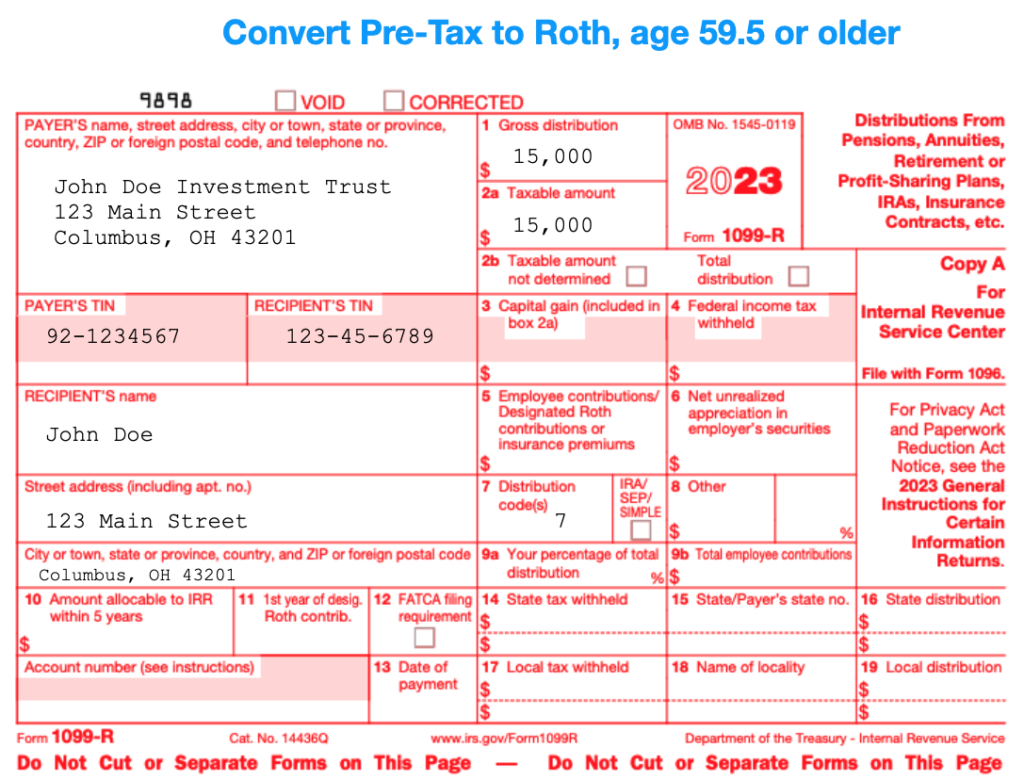
A "direct rollover" from a Traditional 401(k) to a Traditional IRA (or Roth to Roth) is not a taxable event. The money moves from one tax-advantaged "envelope" to another. However, if you perform a "Roth Conversion"—moving money from a Traditional 401(k) to a Roth IRA—you must pay income tax on the entire converted amount in the year the move occurs.
2. Can I avoid taxes by taking a loan from my 401(k) instead of a withdrawal?
Yes, a 401(k) loan is not a taxable event because you are technically borrowing from yourself and paying it back with interest. However, there are risks. If you fail to follow the repayment schedule or the plan terminates, the loan balance becomes a "deemed distribution," making it fully taxable as income.
3. Are 401(k) contributions subject to Social Security and Medicare taxes?
Yes. 401(k) contributions (both Traditional and Roth) are subject to FICA taxes (Social Security and Medicare). While Traditional contributions reduce your federal income tax, they do not reduce the taxes that fund Social Security and Medicare. These are calculated based on your gross pay before the 401(k) deduction.
4. Is the growth inside my 401(k) taxable every year?
No. One of the greatest advantages of a 401(k) is tax-deferred or tax-free growth. You do not pay taxes on capital gains, dividends, or interest earned within the account in the year they are earned. Taxation only occurs upon withdrawal (for Traditional) or never (for Roth).
5. What happens to the taxes on my 401(k) if I die?
If you leave a Traditional 401(k) to a beneficiary, they will generally owe income tax on the distributions they take. If you leave a Roth 401(k), the beneficiary usually receives the funds tax-free. Under the "10-Year Rule" (reconfirmed in 2026), most non-spouse beneficiaries must empty the account within ten years of the owner’s death.
Final Recommendation: Diversify Your "Tax Buckets"
For most taxpayers in 2026, the best strategy is Tax Diversification. By holding both Traditional and Roth 401(k) assets, you gain the flexibility to control your taxable income in retirement. For example, in a year where you need extra cash for a large purchase (like a new car), you can pull from the Roth account to avoid being pushed into a higher tax bracket. Conversely, you can use Traditional withdrawals to "fill" the lower tax brackets each year.
Before making significant changes to your contribution strategy, consider consulting a tax professional to model how these choices will affect your 2026 tax return and your long-term retirement security.