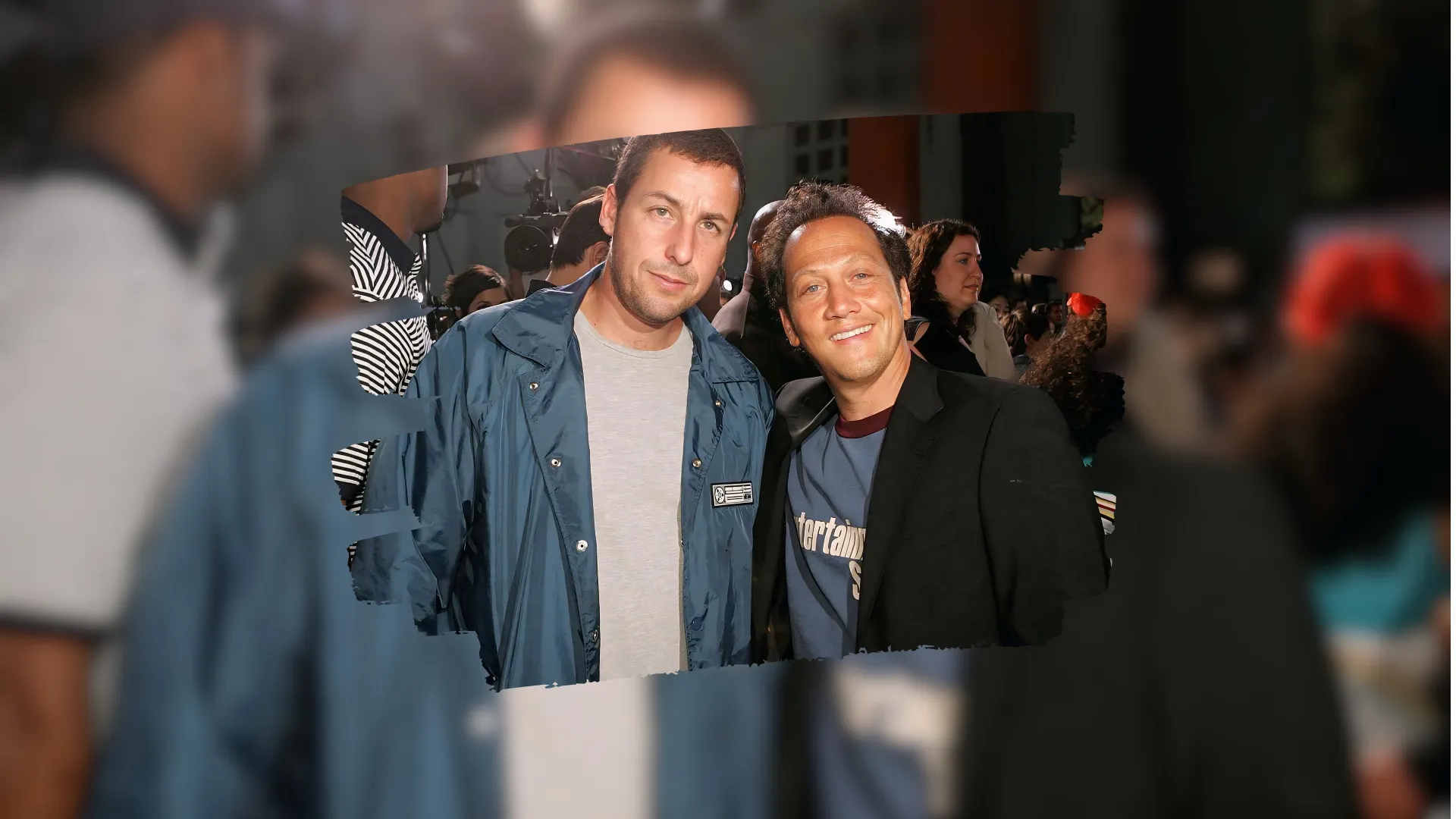
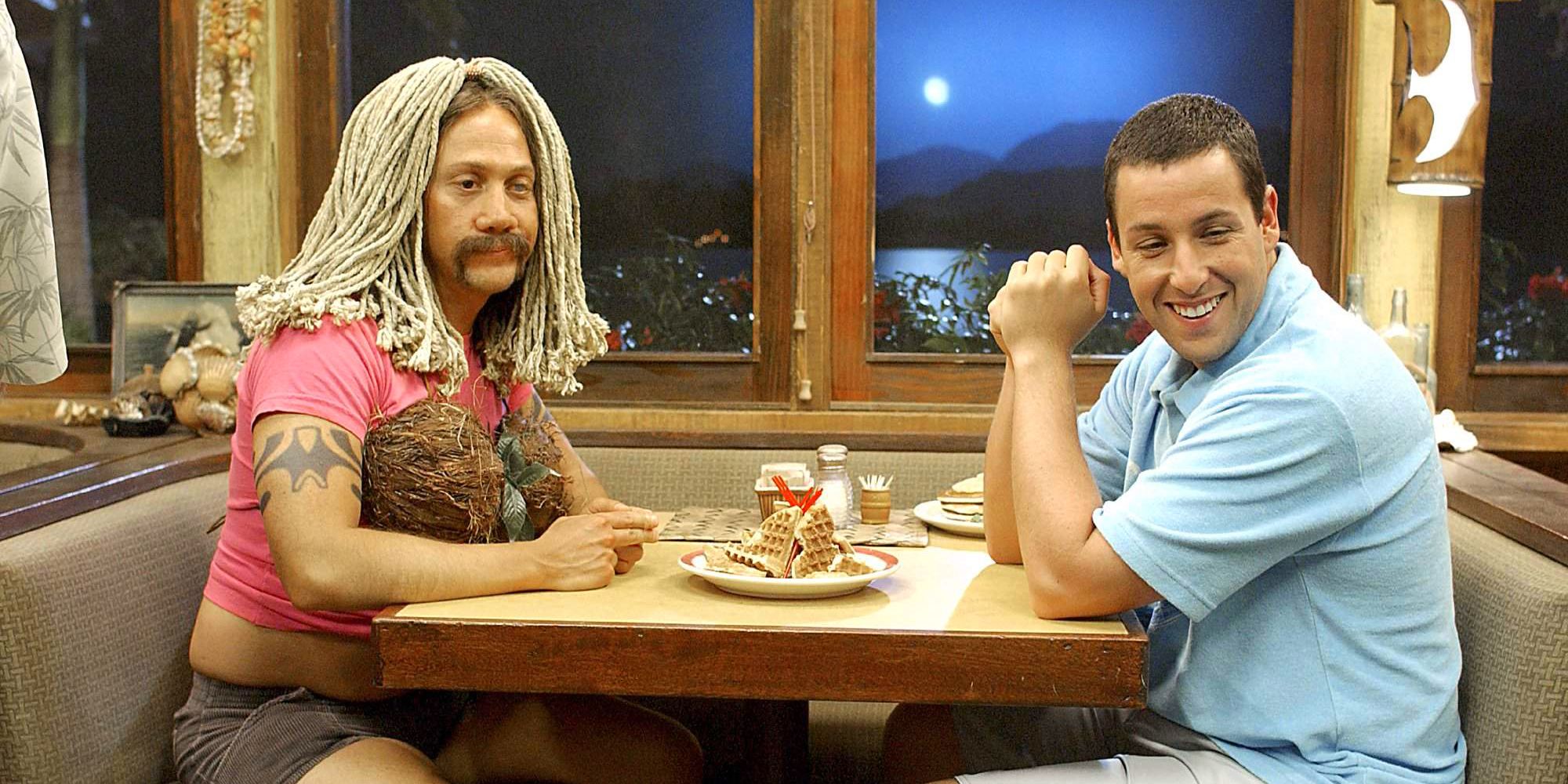
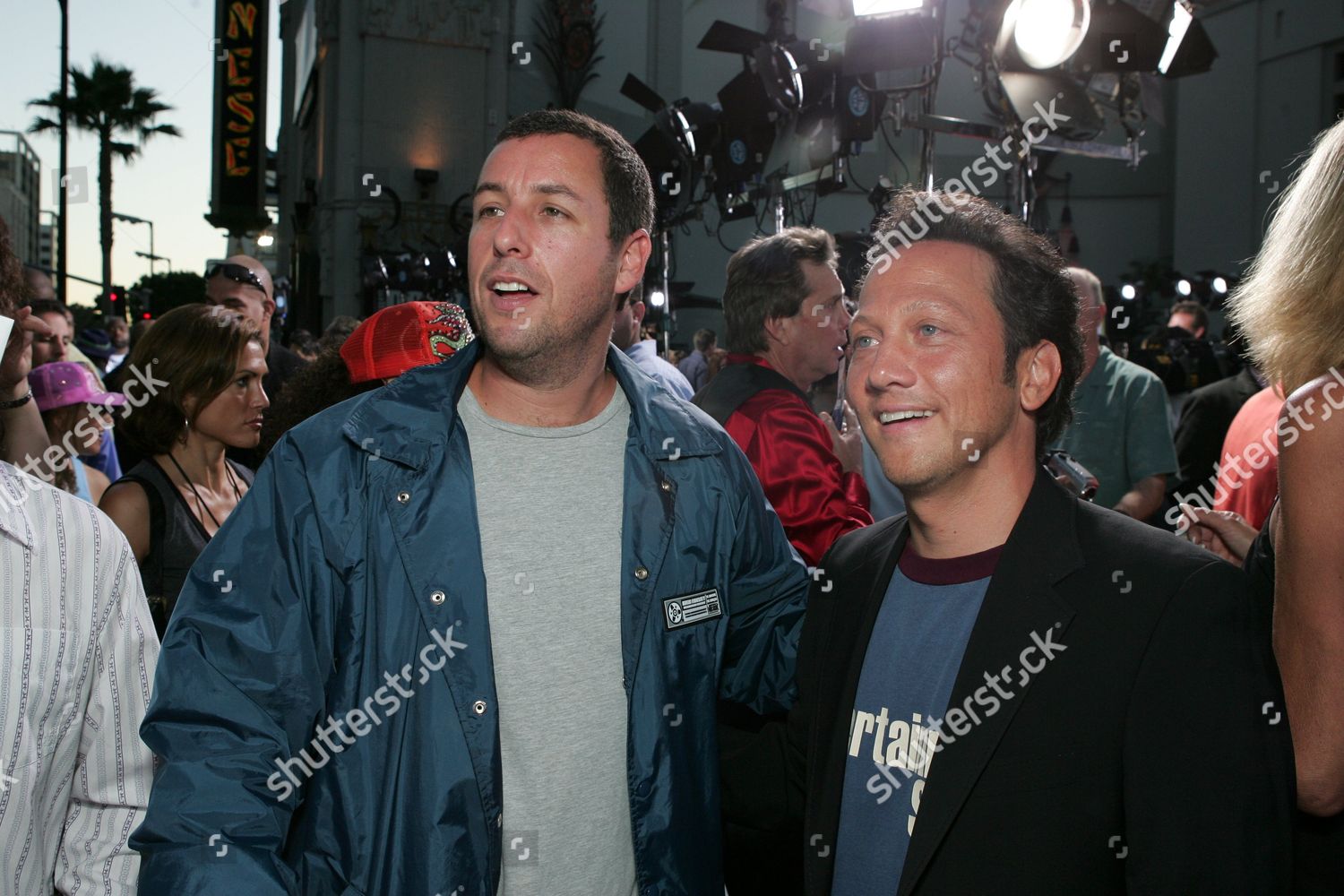
Yes, Adam Sandler and Rob Schneider are genuinely close friends. Their bond extends far beyond their professional collaborations, dating back to their formative years in the stand-up comedy circuit and their shared tenure as breakout stars on Saturday Night Live in the early 1990s. They have maintained a consistent, decades-long personal and professional relationship that remains active in 2026.
A Foundation Built on Saturday Night Live
The professional and personal intersection of Adam Sandler and Rob Schneider began in earnest during the 1990 season of NBC’s Saturday Night Live (SNL). Both men were hired during a transitional period for the show, joining a cast that needed to revitalize its comedic identity. While Sandler was known for his eccentric musical comedy characters and distinct voice, Schneider quickly established himself as a versatile performer, perhaps most famously through his "Tiny Elvis" sketches and the "Makin' Copies" office guy character.
The high-pressure, collaborative environment of SNL serves as a crucible for many lasting Hollywood friendships. The long hours, the grueling writing sessions, and the shared experience of live performance often forge bonds that endure long after a performer leaves the stage at 30 Rockefeller Plaza. For Sandler and Schneider, this period served as the proving ground. They recognized a mutual appreciation for a specific brand of observational and character-driven humor that prioritized camaraderie over cynicism. This shared sensibility became the bedrock of their long-term personal connection.
Decades of Collaborative Loyalty
Following their departure from SNL, both actors transitioned into successful film careers, but they opted to keep their professional lives intertwined. This is a rarity in Hollywood, where actors frequently drift into different circles or prioritize solo projects. Sandler founded his production company, Happy Madison Productions, in 1999, and Schneider became a "company man" in the best possible sense.
Schneider has appeared in a significant number of Happy Madison films, ranging from supporting roles in classics like The Waterboy and Big Daddy to starring roles in films like Deuce Bigalow: Male Gigolo and The Animal. This pattern of casting is not merely a professional convenience; it is a manifestation of their friendship. Sandler has often spoken about his preference for working with people he trusts and enjoys spending time with. By consistently casting Schneider, Sandler ensures that their friendship remains a core component of his working life. This loyalty is a testament to the fact that their relationship is grounded in mutual professional respect and genuine personal affection.
Personal Dynamics Outside the Spotlight
While the public often sees them through the lens of their filmography, their relationship is deeply rooted in personal history. They have supported each other through significant life milestones, including marriages, the raising of families, and the natural fluctuations of fame. Unlike many celebrity relationships that are marketed for public consumption, the friendship between Sandler and Schneider has largely remained steady and quiet, avoiding the tabloid scrutiny that often plagues high-profile Hollywood pairings.
In various interviews and public appearances over the years, both actors have described each other as "family." This is a significant distinction in the entertainment industry. When a person is described as family, it implies a level of permanence that transcends contract negotiations or box-office returns. They have frequently been spotted together at basketball games, charity events, and private gatherings, suggesting that their connection is not contingent on whether they are actively filming a project together.
The Evolution of the Happy Madison Clique
It is impossible to discuss the friendship between Sandler and Schneider without addressing the broader social circle known as the "Happy Madison crew." This group, which also includes actors like David Spade, Kevin James, and the late Chris Farley, represents a tight-knit community of comedians who have essentially grown up together.
This clique operates as a support system. In an industry known for its transience, the group has managed to maintain a consistent output of comedy while keeping their core circle intact. Schneider’s role within this group is that of a constant, dependable presence. While individual members have pursued different artistic directions—with Sandler moving into dramatic roles and Schneider focusing on stand-up comedy and independent productions—the underlying friendship remains the primary point of cohesion. The longevity of this group demonstrates that the friendship between Sandler and Schneider is not a singular anomaly but part of a larger commitment to their shared origins.
Comparative Overview of Their Shared History
To understand the depth of their relationship, one must look at the frequency and nature of their professional output. The following table highlights the nature of their ongoing creative and personal alignment.
| Aspect | Description | Status |
|---|---|---|
| Origin Point | Saturday Night Live (1990–1994) | Foundational |
| Professional Bond | Happy Madison Productions | Primary |
| Nature of Work | Character-driven comedy | Consistent |
| Personal Connection | Decades-long, family-oriented | Ongoing (2026) |
| Public Appearances | Frequent, off-set support | Active |
This table illustrates that their professional output is a reflection of their personal stability. By working together frequently, they have circumvented the isolation that often accompanies the lifestyle of a high-profile actor, opting instead to maintain a workplace environment populated by long-time confidants.
FAQ: Frequently Asked Questions
Are they still friends as of 2026?
Yes. There is no evidence of a rift or fallout between Adam Sandler and Rob Schneider. They continue to maintain a close, supportive friendship that spans over three decades.
Do they still work together?
Yes, they continue to collaborate on projects. While they have independent career paths, they frequently appear in each other’s film projects and stand-up specials, supporting one another’s creative endeavors as they have since the early 1990s.
Was their relationship strictly professional?
No, their relationship is deeply personal. They have spoken in numerous interviews about their mutual support system, their families, and the shared experiences they navigated during their early days in New York City, which transitioned into a lifelong brotherhood.
Is Rob Schneider considered a member of Sandler’s "inner circle"?
Absolutely. Schneider is widely considered one of the core members of the Happy Madison inner circle. He is frequently cited by Sandler and other colleagues as one of the most reliable and long-standing figures in their professional and social network.
How did they handle changes in their careers?
Both actors have experienced significant shifts in their careers—from television to massive film success, and later into more diversified roles. Throughout these changes, they have acted as sounding boards for one another, maintaining a professional loyalty that has helped insulate them from the unpredictability of the entertainment industry.
Maintaining Lifelong Connections in Hollywood
The friendship between Adam Sandler and Rob Schneider serves as a model for sustainability in a notoriously difficult industry. By prioritizing a "work-with-friends" philosophy, they have managed to maintain a level of artistic control and personal satisfaction that few others in their cohort have achieved.
Their story is not one of dramatic reunions or public reconciliations; it is one of quiet, consistent presence. As of 2026, both men continue to pursue their respective creative paths, but their trajectory remains linked by the foundation they built years ago. For anyone curious about the reality of their relationship, the answer remains a clear and straightforward confirmation: they are genuine, long-term friends.
For those looking to observe the longevity of their connection, the best approach is to examine their consistent, unforced presence in one another’s professional lives. Whether through an uncredited cameo, a supporting role, or a public display of support at a comedy showcase, their actions consistently point to a bond that has successfully weathered the passage of time.