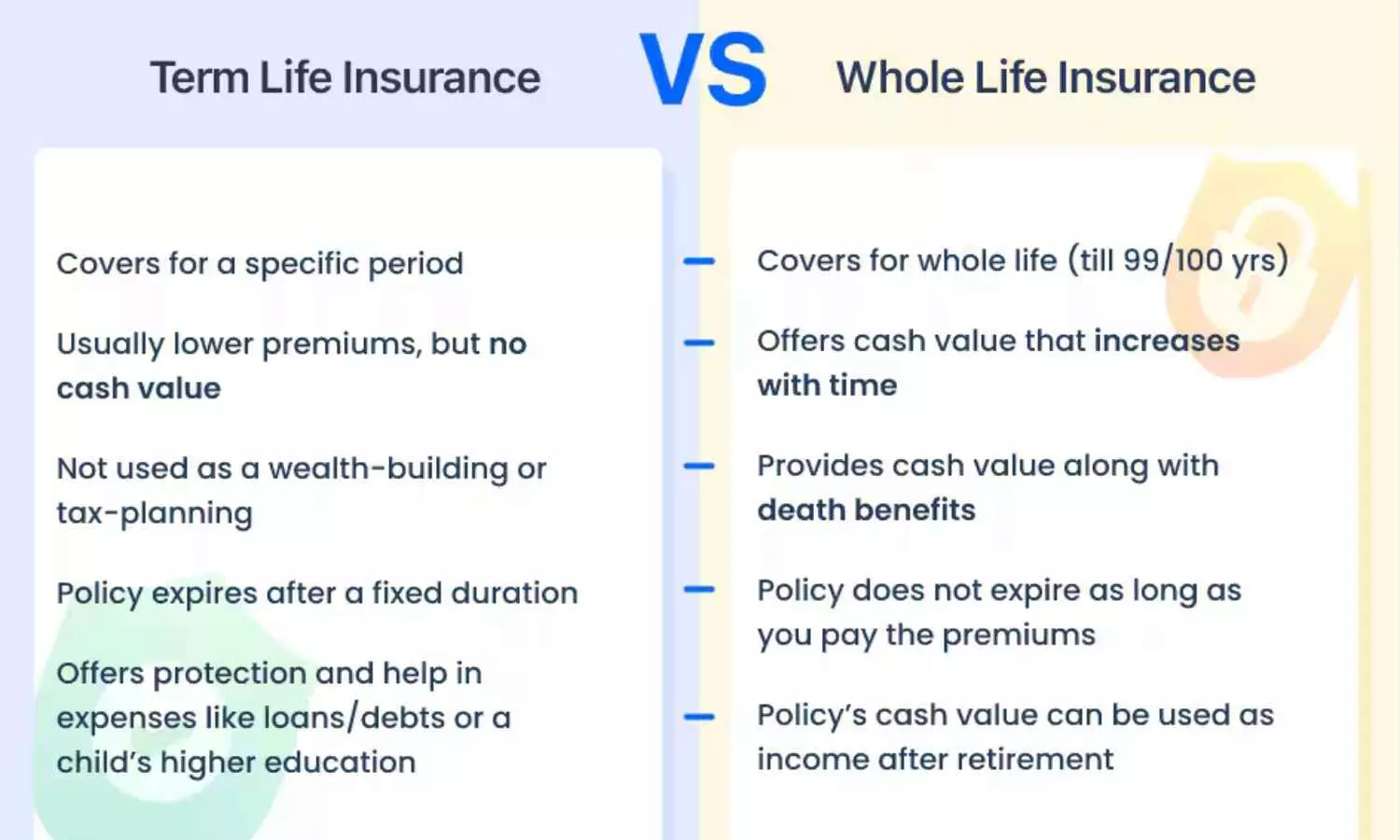
No, term life insurance prices are never the same across different providers or even for the same individual when quoted by different insurers. While the fundamental structure of term life insurance—providing a death benefit for a specific period—is standard, pricing is determined by complex, proprietary actuarial algorithms, varying overhead costs, and specific underwriting philosophies unique to each insurance company.
The Mechanism Behind Life Insurance Pricing
To understand why premiums fluctuate, it is essential to view life insurance as a risk-pooling mechanism. Insurance companies collect premiums from a large group of policyholders to pay claims for the few who pass away during the coverage term. The price you pay is essentially your contribution to this pool, calculated based on the statistical probability of your death during the policy duration.
Because no two insurance companies use the exact same internal data sets or profit margin requirements, the price they charge for assuming your risk will differ. One company may specialize in insuring individuals with specific health conditions, such as controlled diabetes or high blood pressure, allowing them to offer more competitive rates for those applicants. Another company might target low-risk, healthy individuals, pricing their products aggressively to attract that specific demographic.
Variables That Influence Your Personal Premium
While insurance companies differ in how they weigh data, they all look at a core set of variables when determining your premium. Understanding these factors helps clarify why you might see a wide range of quotes for the same coverage amount and term length.
Age and Life Expectancy
Age is the primary driver of life insurance costs. As you age, your mortality risk increases; therefore, the likelihood that the insurance company will have to pay out a claim rises. Younger applicants almost always receive lower premiums compared to older applicants for the exact same coverage.
Health Status and Medical History
Underwriting involves a deep dive into your medical history. Insurers look at current health, past surgeries, prescription medication history, and chronic conditions. Even if two people are the same age, one who is a marathon runner with perfect cholesterol levels will be classified differently than someone who smokes or has a family history of heart disease.
Lifestyle and Avocations
Certain hobbies or lifestyles can significantly increase the perceived risk to an insurer. If you participate in high-risk activities—such as scuba diving, skydiving, or rock climbing—or if your career involves hazardous environments, many insurers will add a "flat extra" fee to your premium or increase your rate category.
Tobacco and Substance Use
The use of nicotine products, including cigarettes, vapes, and chewing tobacco, is one of the most significant factors in premium pricing. Most insurers charge smokers two to three times more than non-smokers because of the well-documented health risks associated with tobacco use.
The Role of Underwriting Philosophies
The variance in pricing often comes down to the "underwriting philosophy" of the company. Underwriting is the process by which an insurer determines whether to issue a policy and at what price. This process varies significantly between two major categories:
- Fully Underwritten Policies: These require a paramedical exam, which includes a blood and urine test. Because this provides the insurer with objective, detailed health data, they can offer more precise pricing. Some companies are more "lenient" regarding certain health markers, leading to lower premiums for specific medical profiles.
- Simplified or Accelerated Underwriting: These policies often skip the medical exam, relying on digital health records, prescription databases, and public records. Because the insurer has less granular data, they often build a "risk buffer" into the price. This makes these policies faster to obtain but often more expensive than fully underwritten alternatives.
Comparative Cost Analysis
To illustrate how prices differ, consider three hypothetical carriers evaluating the same 40-year-old male for a $500,000, 20-year term policy.
| Carrier Type | Pricing Strategy | Potential Pricing Impact |
|---|---|---|
| High-Volume Carrier | Economies of scale | Generally lower base rates for standard health profiles. |
| Niche/Specialty Carrier | Underwriting expertise | Lower premiums for applicants with specific medical histories. |
| Premium/High-Service Carrier | Financial stability focus | Often higher premiums; prioritize long-term brand reliability. |
| No-Exam Carrier | Efficiency and speed | Higher premiums to offset the lack of medical exam data. |
This table illustrates why seeking multiple quotes is not just a recommendation—it is a financial necessity. A carrier that appears expensive for a healthy individual might be the most cost-effective option for someone with a managed chronic condition due to their specialized underwriting guidelines.
Why Your Quote Might Change After Application
One common point of frustration for consumers is receiving a "preliminary quote" online that is significantly lower than the "final offer" provided after the formal application process. This happens because the online quote is an estimate based on self-reported data.
If the formal underwriting process uncovers information you were unaware of—or if your medical records show details you inadvertently omitted—the insurance company may "rate" your policy. Rating involves moving you into a higher-priced premium bracket (e.g., from "Preferred Plus" to "Standard"). Since different companies have different criteria for what constitutes a "Preferred" versus "Standard" health class, a change in health class rating will impact the premium variance between companies even further.
Strategies for Finding the Best Price
Because prices are not standardized, you must take an active role in the search process to ensure you are not overpaying.
- Use Independent Brokers: A captive agent works for one insurance company and can only sell that company’s products. An independent broker works with dozens of carriers. They can run your profile through multiple systems simultaneously to identify which company is likely to offer you the best rate based on your specific health and lifestyle profile.
- Compare "Apples to Apples": When comparing quotes, ensure the terms, the death benefit amount, and the policy riders (such as waiver of premium or accidental death benefits) are identical. A cheaper policy may be cheaper simply because it lacks features that you actually need.
- Optimize Your Profile: If you have recently improved your health—for example, by losing weight or stopping smoking—ensure you are applying under your current status. Some insurers require you to be nicotine-free for 12 to 24 months to qualify for non-smoker rates.
- Understand Policy Fees: Every policy includes a "policy fee" or "administrative fee." This is a flat dollar amount added to the base premium to cover the operational costs of maintaining the policy. These fees are not always transparent in initial quotes and can vary from $50 to $100 per year, which adds up over a 20- or 30-year term.
Frequently Asked Questions
Does buying term life insurance directly from a company save money? Not necessarily. In most cases, the premiums for a specific product are regulated by state insurance departments. Whether you buy through a broker or directly from a company, the base premium remains the same. Using a broker, however, allows you to compare products across many companies, which is the most effective way to save money.
If I have a medical condition, will one company always be cheaper? No. Insurance companies periodically update their "underwriting manuals." One company might be very competitive for applicants with high cholesterol this year, but they may adjust their risk model next year. This is why it is beneficial to re-evaluate your options if you are still in the underwriting phase of your application.
Does my ZIP code affect my term life insurance premiums? Generally, no. Unlike auto or homeowners insurance, which are heavily influenced by local risks like crime rates or weather, term life insurance pricing is primarily based on your personal health and mortality risk, not your location. However, state-specific insurance regulations can impact the fees and availability of certain riders.
Can I change my premium if my health improves later? Most term life insurance policies are "level premium," meaning the cost is locked in for the duration of the term. You cannot typically lower your premium on an existing policy if you get healthier. However, if your health significantly improves, you may be able to apply for a new policy with a different carrier at a lower rate, provided you can pass the new medical underwriting process.
Why do some online quotes look too good to be true? Online quotes are often based on "best-case scenario" health ratings. They assume you are in perfect health and do not smoke. If you do not meet those exact criteria, the final price you pay will be higher. Always look for "estimated" rather than "guaranteed" language when viewing online quotes.
Final Recommendation
Do not assume that the first quote you receive represents the best price available to you. Because insurance companies utilize proprietary underwriting guidelines, your unique profile—your health, age, lifestyle, and medical history—will be viewed differently by every carrier.
To secure the most competitive rate, engage with an independent broker who can pull quotes from multiple, highly-rated insurance carriers. Be prepared to provide accurate medical information upfront; this reduces the likelihood of "bait and switch" pricing where your initial quote is adjusted upward after the formal underwriting process is complete. By treating the purchase of life insurance as a competitive bidding process, you ensure that you obtain the coverage your family needs at a price that reflects your actual risk profile.