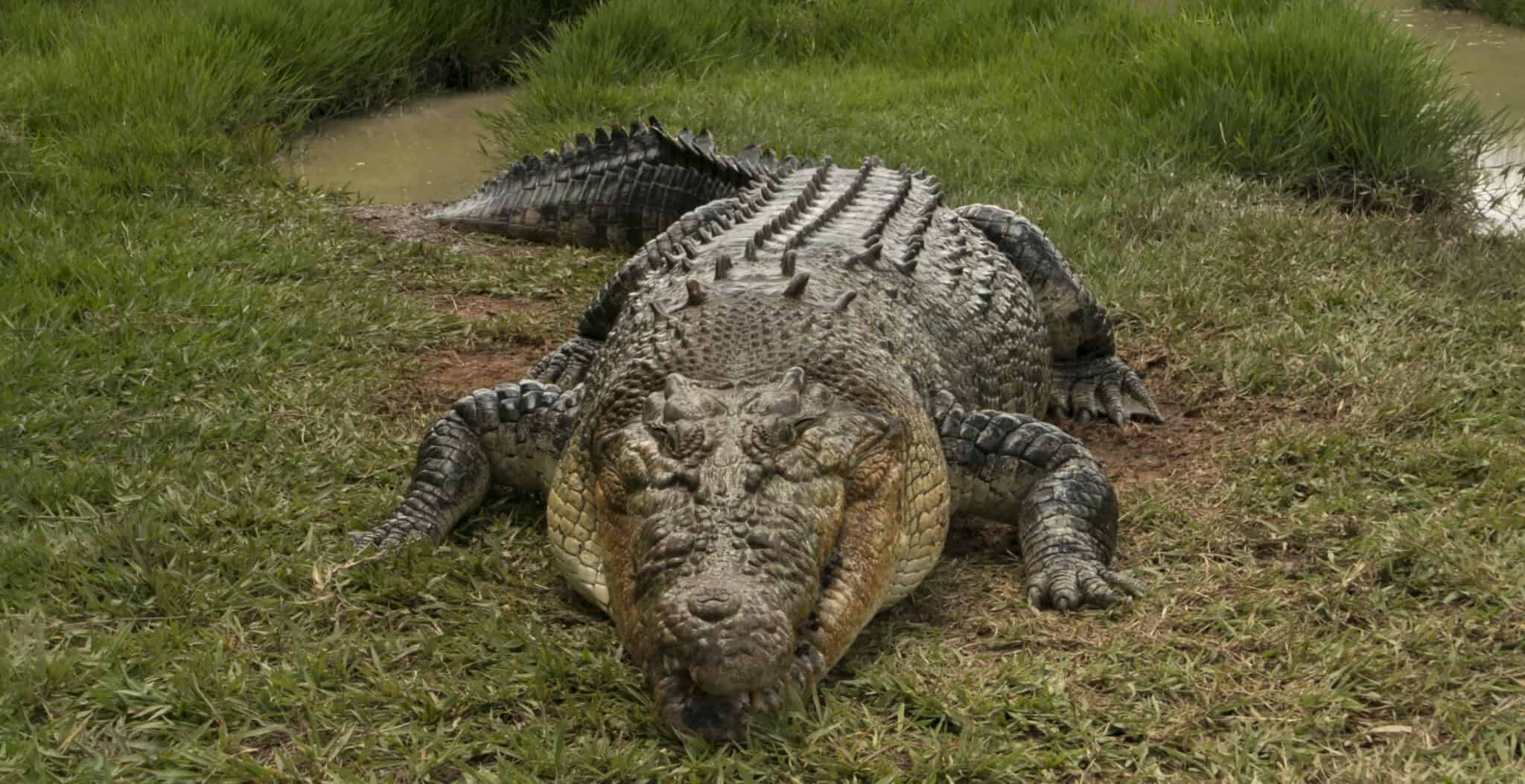
While both alligators and crocodiles are apex predators capable of significant aggression, saltwater and Nile crocodiles are widely considered more naturally aggressive and territorial than the American alligator. Alligators generally adopt a more defensive, reactive stance, whereas certain crocodile species exhibit higher levels of proactive territorial behavior and a lower threshold for attacking perceived threats or prey items in their environment.
Understanding the Evolutionary Divergence
To understand why these crocodilians behave differently, one must look at their evolutionary history and physiological adaptations. Alligators (Alligator mississippiensis and Alligator sinensis) and crocodiles (members of the Crocodylidae family) diverged millions of years ago. This split resulted in distinct biological imperatives.
Alligators are generally synonymous with North American freshwater habitats. They have evolved to be opportunistic, energy-efficient hunters. Because their environments often involve fluctuating resources, alligators are typically more reserved. They will choose to retreat if they perceive a threat that does not immediately jeopardize their territory or safety.
Crocodiles, particularly the saltwater crocodile (Crocodylus porosus) and the Nile crocodile (Crocodylus niloticus), occupy a broader range of niches, including brackish and saltwater environments. These species are highly territorial and possess a more sophisticated, aggressive drive. This intensity is partly a survival mechanism; in environments teeming with competitors and high-stakes encounters, crocodiles have evolved to assert dominance to maintain access to resources.
The Role of Temperament and Territoriality
Aggression in these reptiles is not merely a "bad mood" but a complex interplay of hormones, environmental stressors, and survival strategies.
Proactive vs. Reactive Behavior
- Crocodiles: Frequently display proactive aggression. They may monitor an intruder for a significant distance and choose to engage even if the threat is not immediate. Their territorial nature means they are prone to attacking other animals—or humans—that enter what the crocodile considers its personal space.
- Alligators: Display primarily reactive aggression. An alligator is more likely to flee if approached by a human, provided it has a clear escape route. Its aggression is usually defensive, occurring when it feels cornered, is protecting a nest, or is startled.
The "Nesting" Variable Both species exhibit extreme protective behaviors during nesting. A female alligator protecting her young is highly aggressive and will defend her territory with significant force. However, even in this state, the alligator’s goal is typically to drive the intruder away. Once the threat recedes, the alligator is prone to ceasing its attack. Nile crocodiles, by contrast, have been observed pursuing perceived threats over longer distances, demonstrating a persistence that researchers often categorize as a higher level of aggression.
Physiological Factors Influencing Behavior
The physical differences between these two types of reptiles also influence how they interact with their surroundings.
- Snout Shape: Alligators have a broad, U-shaped snout, which is built for crushing prey like turtles and armored fish. This mechanical design supports a "crush and swallow" approach. Crocodiles possess a longer, V-shaped, narrower snout that is precision-oriented, allowing them to snap rapidly.
- Salt Glands: True crocodiles possess functional lingual salt glands, allowing them to live in saltwater environments. This biological flexibility gives them a wider range and allows them to inhabit harsher, more resource-dense areas. The pressure of living in these competitive, high-salinity zones is a primary factor in their more aggressive disposition compared to the predominantly freshwater-dwelling alligators.
Comparative Analysis: Alligators vs. Crocodiles
| Feature | American Alligator | Saltwater/Nile Crocodile |
|---|---|---|
| Primary Aggression | Reactive/Defensive | Proactive/Territorial |
| Environmental Range | Freshwater (mostly) | Fresh, Brackish, Saltwater |
| Tolerance to Disturbance | Moderate | Very Low |
| Predatory Drive | Opportunistic | Persistent |
| Human Conflict Risk | Lower (mostly defensive) | Higher (often predatory) |
Environmental and Situational Triggers
Aggression is rarely constant; it is highly situational. External factors often dictate the level of risk one might face in proximity to these animals.
Human Interaction and Encroachment As human development pushes further into natural habitats, the frequency of human-crocodilian encounters has increased. Alligators are masters of adaptation and are often found in golf courses, canals, and backyard ponds. Because they become habituated to human presence, they may lose their natural fear, which is often mistaken for increased aggression. However, this is distinct from "natural" aggression. A habituated alligator is a dangerous animal because it learns to associate humans with food, not because it is inherently predatory toward people.
Environmental Stressors During periods of drought or extreme heat, both species may experience increased irritability. When water levels recede, populations are forced into tighter proximity. This competition for limited space can spike aggressive behaviors in both species. However, crocodiles remain the more dangerous of the two, as their threshold for initiating an attack remains significantly lower even under optimal environmental conditions.
Is One More Dangerous to Humans?
When discussing "aggression," the subtext for most people is the risk to human life. In this category, crocodiles are definitively more dangerous.
Data regarding unprovoked attacks indicates that while both animals are dangerous, the behavior leading to the attack differs. Alligator attacks on humans are frequently "hit-and-run" style incidents where the animal misidentifies the target or reacts defensively. Crocodile attacks—particularly those involving large Nile or saltwater crocodiles—are more often predatory in nature. These animals have a higher tendency to see humans as potential prey items and will stalk, ambush, and persist in their attempts to secure the target.
Best Practices for Avoiding Conflict
Regardless of which species is "more" aggressive, the safest approach for humans is to maintain strict distance protocols. Respecting the habitat of these apex predators is the most effective way to prevent negative encounters.
- Maintain Distance: Never approach a crocodilian. Keep at least 60 feet of distance between you and the animal, regardless of whether it appears dormant.
- Avoid Water Edges: Never swim in, walk near, or let pets near water bodies known to be inhabited by alligators or crocodiles, especially during dawn and dusk, which are peak activity times.
- Do Not Feed: Feeding these animals—even alligators—is illegal in many jurisdictions and is the single most common cause of "aggressive" behavior. It trains the animal to associate humans with food, stripping them of their natural fear.
- Stay Aware: In regions like Florida (for alligators) or Northern Australia (for saltwater crocodiles), always assume a body of water contains the animals, even if you cannot see them.
Frequently Asked Questions
Why do alligators seem more common in news reports? Alligators appear in news reports more frequently in certain regions because of their proximity to high-density human populations, particularly in the southeastern United States. Their habituation to human-modified landscapes creates frequent, though often non-lethal, interactions.
Can you tame a crocodile or alligator? No. These are wild apex predators with complex instincts. They cannot be "tamed" in the way a dog or cat can. Any individual claiming to have a "tame" crocodile or alligator is ignoring the fundamental behavioral nature of the animal and is at extreme risk of injury.
Does size dictate how aggressive they are? Size does play a role in confidence. A large, mature crocodile is likely to be less fearful and more prone to defending its territory than a smaller, younger animal. However, even a small crocodile or alligator should be treated with extreme caution, as they are capable of inflicting significant injury.
Are there differences in aggression between male and female crocodilians? Yes. During the breeding season, males become highly territorial and aggressive toward other males. Females, as previously noted, become fiercely protective of their nests and hatchlings. Aggression in both genders is often seasonal rather than constant throughout the year.
What should I do if I see a crocodile in the wild? Back away slowly and keep your eyes on the animal. Never turn your back on a crocodilian, as they can accelerate with surprising speed. Do not attempt to scare the animal or throw items at it. Simply increase the distance until you are in a safe, enclosed area or well outside of its striking range.
Conclusion and Next Actions
While alligators and crocodiles share a similar body plan and evolutionary history, their temperaments are distinct. The saltwater and Nile crocodiles are fundamentally more aggressive and territorial, posing a greater risk to human safety. Alligators are typically reactive and defensive, though they become dangerous when habituated by humans or provoked.
Your next action should be to verify the specific crocodilian species present in your local area. If you live in or are visiting an area with these animals, consult local wildlife management websites or park ranger offices to understand the specific safety guidelines for that region. Always prioritize situational awareness when near water, as the best defense against an aggressive crocodilian is to avoid the encounter entirely.