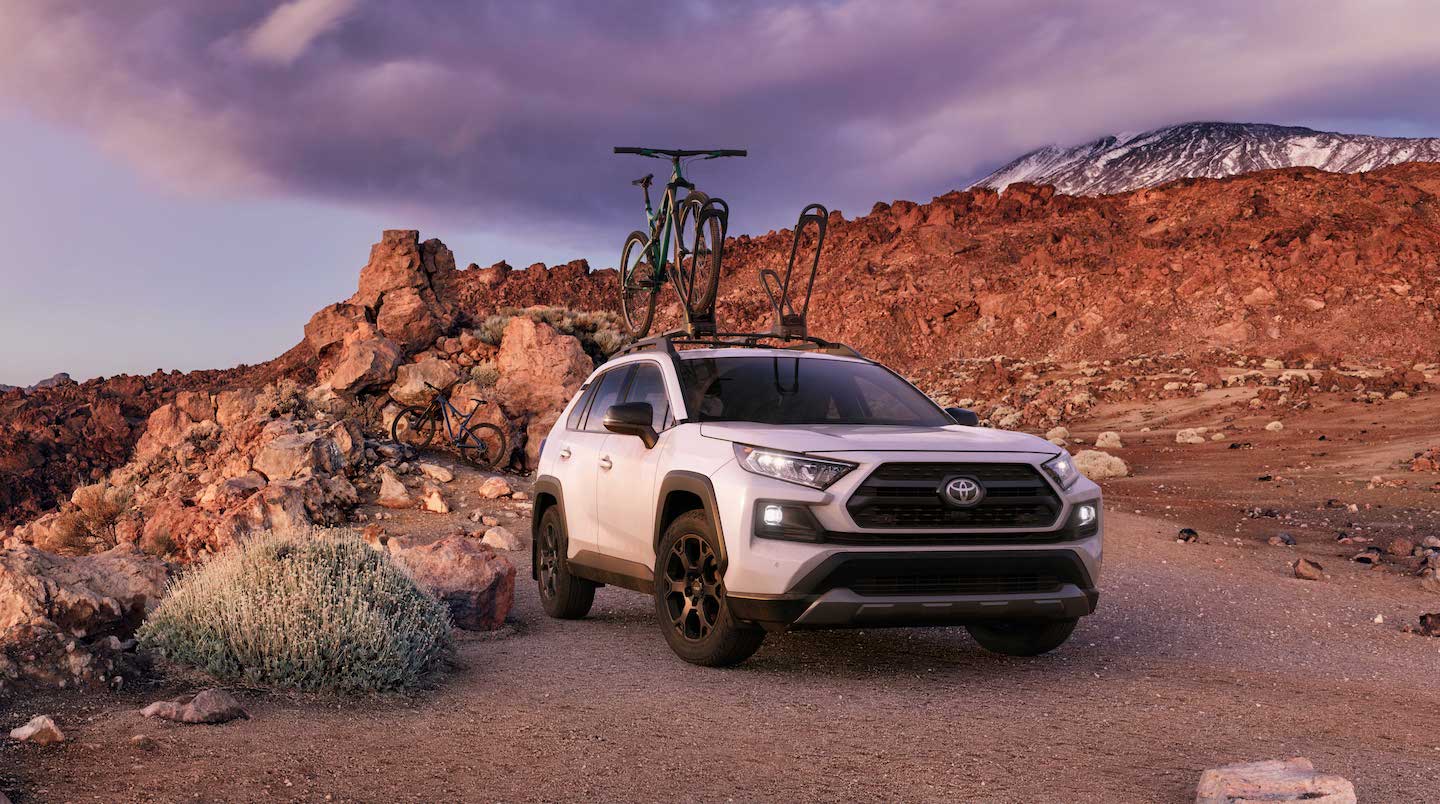
No, not all Toyota RAV4 vehicles come equipped with All-Wheel Drive (AWD). While AWD is a highly popular configuration for this SUV, the Toyota RAV4 is available in both Front-Wheel Drive (FWD) and All-Wheel Drive (AWD) variants. The availability of these drivetrain systems depends on the specific trim level, the model year, and whether the vehicle is a gasoline-powered model, a Hybrid, or a Prime (Plug-in Hybrid).
Understanding the difference between these systems is essential for prospective buyers, as your choice will affect vehicle handling, fuel efficiency, price, and capability in varying weather conditions.
Understanding the Drivetrain Landscape of the Toyota RAV4
The Toyota RAV4 has evolved significantly over its decades of production. To understand why not all models are equipped with AWD, one must look at how Toyota segments its product lineup. In the modern lineup (as of 2026), the distinction between drivetrain types is largely based on customer needs regarding fuel economy versus traction requirements.
Front-Wheel Drive (FWD) sends power exclusively to the front two wheels. This configuration is generally lighter, less complex, and more fuel-efficient, making it an attractive option for drivers who live in temperate climates where heavy snow or off-road conditions are not a primary concern.
All-Wheel Drive (AWD), conversely, directs power to all four wheels. In the context of the RAV4, this is not a permanent 4WD system like those found in heavy-duty trucks, but rather a computer-controlled system that monitors tire slip and distributes torque accordingly. For many, the decision to opt for AWD is a proactive safety choice for driving in rain, ice, or light snow.
AWD Availability Across RAV4 Model Types
The configuration of your RAV4 depends heavily on the powertrain you select. Toyota has tiered its offerings to ensure that buyers can choose a vehicle that fits their specific environment and budget.
Gasoline-Powered RAV4s
In the standard gasoline lineup, the RAV4 is typically offered with either FWD or AWD. For many base and mid-tier trims, FWD comes standard, with AWD available as an optional mechanical upgrade. This allows entry-level buyers to lower the purchase price of the vehicle by opting out of the AWD system if they do not require it.
RAV4 Hybrid Models
The situation changes with the RAV4 Hybrid. Unlike the gasoline model, where AWD is an mechanical addition to the drivetrain, the RAV4 Hybrid uses an Electronic On-Demand All-Wheel Drive system. In many markets and recent model years, the Hybrid has been sold exclusively as an AWD vehicle. This is because the rear wheels are powered by a dedicated electric motor, effectively eliminating the need for a traditional driveshaft running the length of the vehicle.
RAV4 Prime (Plug-in Hybrid)
The RAV4 Prime is the performance-oriented flagship of the lineup. As of 2026, all RAV4 Prime models come standard with Electronic On-Demand AWD. Given the high power output and the nature of the plug-in hybrid architecture, Toyota has standardized the AWD system across all Prime trims to ensure optimal power delivery and traction.
Comparative Overview of RAV4 Drivetrain Systems
When deciding between FWD and AWD, it is important to weigh the tangible differences in maintenance, performance, and cost.
| Feature | Front-Wheel Drive (FWD) | All-Wheel Drive (AWD) |
|---|---|---|
| Traction | Best for dry or wet pavement | Enhanced grip in snow/ice/mud |
| Fuel Efficiency | Higher (lower vehicle weight) | Slightly lower (mechanical drag/weight) |
| Complexity | Simple mechanical design | Complex sensors and computers |
| Initial Cost | Lower base price | Higher purchase price |
| Maintenance | Standard service intervals | Requires differential/transfer case care |
Why Some Models Opt for FWD
Manufacturers like Toyota continue to offer FWD versions of the RAV4 for several logical reasons. First, cost remains a significant barrier for many consumers; FWD models offer a lower point of entry into the SUV segment. Second, for residents of the southern United States or other regions with minimal precipitation, the added weight and mechanical complexity of an AWD system provide little benefit while actively decreasing fuel economy.
Technical Nuances: Mechanical vs. Electronic AWD
It is important for owners and buyers to understand that "AWD" in a RAV4 is not a singular technology.
Mechanical AWD (Gasoline Models)
The gasoline RAV4 uses a traditional mechanical system with a propeller shaft. When the vehicle sensors detect wheel slip at the front, a coupling engages to send power to the rear wheels. Higher-end gasoline trims often feature Dynamic Torque Vectoring AWD with Rear Driveline Disconnect, which can send power to the left or right rear wheel independently to improve handling in corners.
Electronic On-Demand AWD (Hybrid/Prime Models)
The Hybrid and Prime models utilize an electric motor located on the rear axle. This system is reactive and seamless. There is no physical connection between the engine and the rear wheels. This allows the computer to engage the rear wheels instantly when starting from a stop or when detecting slip, without the energy loss associated with spinning a driveshaft during normal highway cruising.
Factors Influencing Your Decision
When choosing between FWD and AWD, consider these three factors:
- Climate and Geography: If you experience regular snowfall or live in a hilly, wet region, AWD is highly recommended. It provides a significant advantage in "getting moving" from a standstill, which is where most drivers struggle in poor conditions.
- Long-Term Ownership Costs: AWD systems require additional maintenance. While modern systems are highly reliable, you will have more fluids to change (differentials, etc.) over the life of the vehicle compared to a standard FWD transaxle.
- Driving Style: If you prioritize fuel economy above all else, FWD remains the superior choice. If you prioritize "peace of mind" and all-weather capability, the AWD premium is generally viewed as money well spent.
Troubleshooting Common AWD Concerns
If you own an AWD RAV4, it is vital to keep the system in peak condition. A common error message in older or heavily used models involves the AWD system warning light. This can be triggered by a simple mismatch in tire circumference.
Because the AWD system relies on sensors to measure wheel speed, using a spare tire that is a different size than your other three tires can cause the computer to think a wheel is slipping, triggering an AWD error. Always ensure your tires are rotated regularly and kept at the correct pressure. If you replace your tires, it is industry best practice to replace all four at once to ensure the tread depth is uniform, which keeps the electronic sensors accurately calibrated.
Frequently Asked Questions
Does the RAV4 Hybrid save fuel because it is AWD?
No. The RAV4 Hybrid is efficient primarily because of its gasoline-electric powertrain. The AWD system in the Hybrid actually consumes a small amount of additional energy compared to an FWD equivalent, but because it is an "On-Demand" electronic system, it is much more efficient than the mechanical AWD systems found in traditional gasoline SUVs.
Can I add AWD to a FWD RAV4 later?
No. It is not feasible or cost-effective to convert an FWD RAV4 to AWD. The chassis, suspension mounting points, and floor pan are manufactured differently for AWD models to accommodate the rear differential and other components. If you require AWD, you must purchase a vehicle that was factory-equipped with the system.
Is AWD the same as 4WD?
No. While people often use the terms interchangeably, they are different. A 4WD system (like those in trucks) usually involves a transfer case with low-range gearing for serious off-roading. The RAV4’s AWD is an "on-road" system designed for improved traction in inclement weather and light trail duty. It is not intended for heavy-duty rock crawling or extreme terrain.
Does AWD help me stop faster?
A common misconception is that AWD improves braking performance. It does not. AWD helps you accelerate and corner with better traction, but braking ability is determined by your tires and the vehicle’s brake system. Regardless of your drivetrain, high-quality winter or all-weather tires are the most important factor for stopping on ice or snow.
How do I identify if my specific RAV4 is AWD?
You can look for an "AWD" badge on the liftgate of the vehicle. Alternatively, you can check the window sticker (Monroney label) if you are buying new, or request a VIN (Vehicle Identification Number) check through a reputable service or the Toyota Owners website, which will provide the original build specifications for the vehicle.
Final Recommendation
When shopping for a Toyota RAV4 in 2026, define your environment first. If you live in an area that sees snow, ice, or frequent heavy rain, prioritizing an AWD model is a wise decision for safety and confidence. If you live in a warm, dry climate and prioritize fuel efficiency and a lower purchase price, the FWD model is an excellent, reliable choice. If you are leaning toward the Hybrid or Prime models, you will find that AWD comes standard, providing a "best-of-both-worlds" scenario where you gain all-weather capability without the significant fuel-economy penalty of mechanical AWD systems. Always verify the specific trim and drivetrain of the vehicle you are considering, as trim names can sometimes overlap between FWD and AWD configurations.