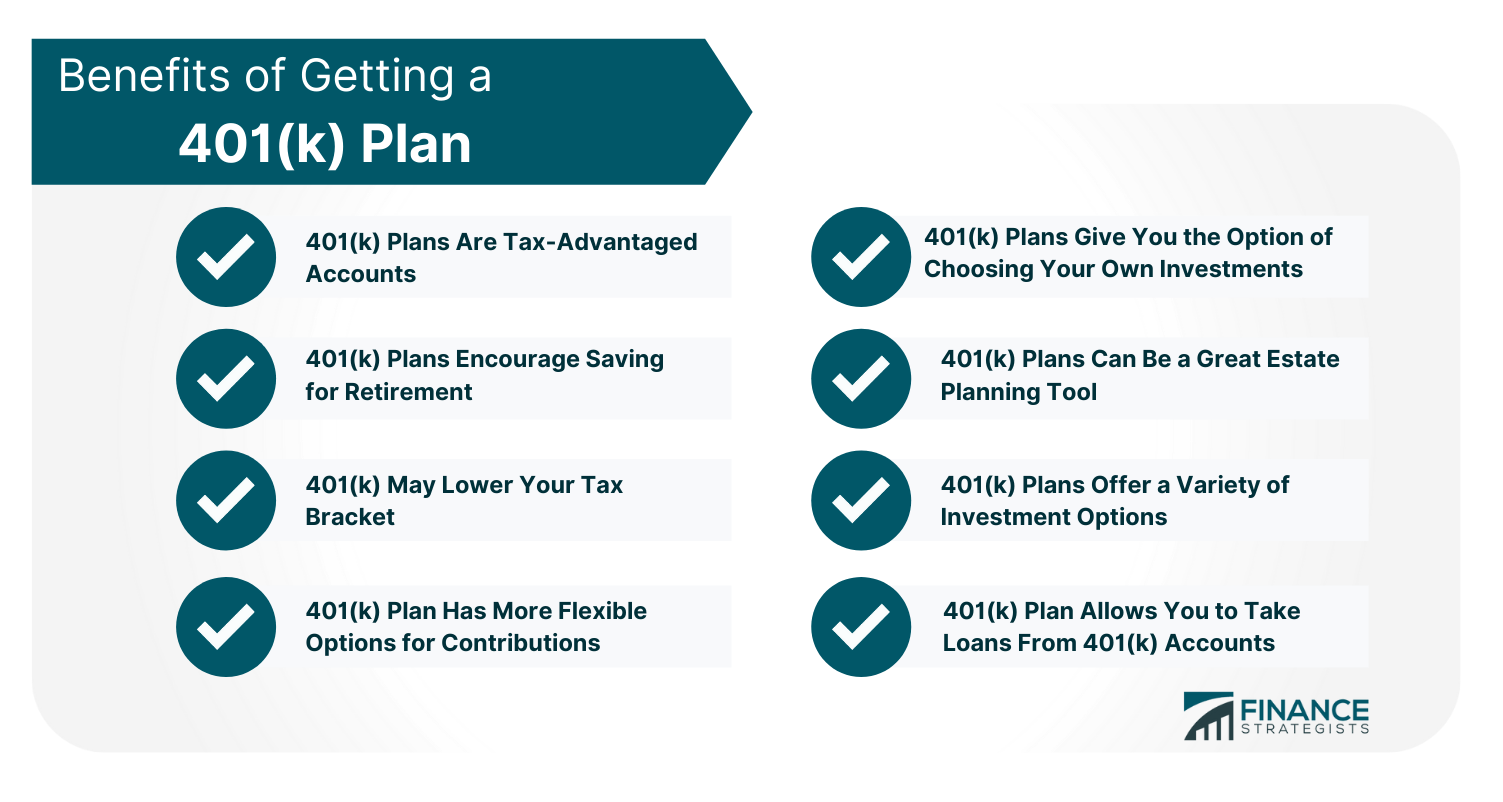
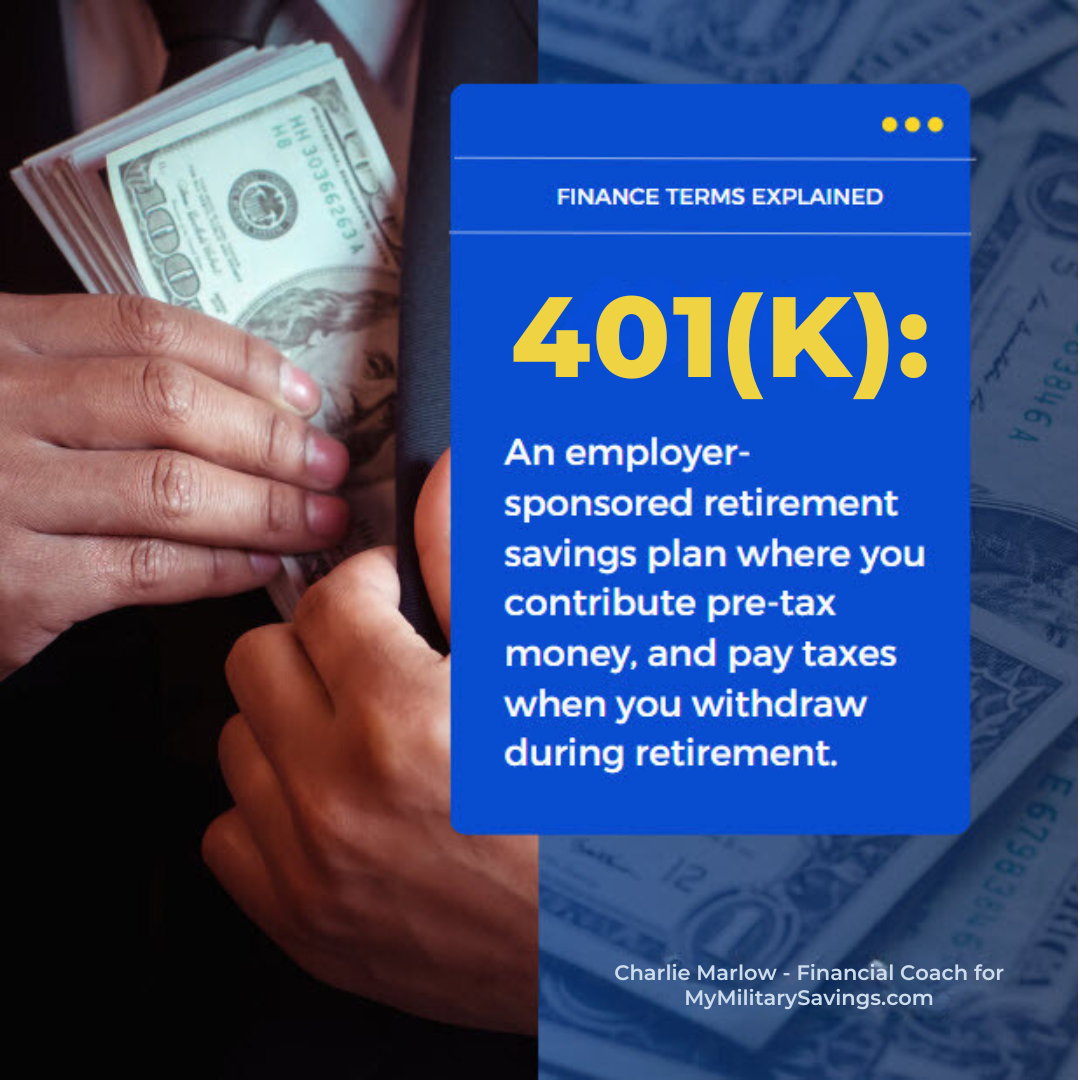
A 401(k) is a tax-advantaged, employer-sponsored retirement savings plan that allows employees to divert a portion of their pre-tax or after-tax salary into long-term investment accounts. In 2026, these plans remain the primary vehicle for private-sector retirement wealth, characterized by high contribution limits and potential employer matching.
The 401(k) takes its name from Section 401(k) of the Internal Revenue Code. It was originally designed as a supplement to traditional pensions, but over several decades, it has largely replaced them in the private sector. Today, the 401(k) places the responsibility of saving and investment selection squarely on the employee, though employers often provide the framework and financial incentives to encourage participation. Understanding how these accounts function is essential for navigating the modern financial landscape and ensuring long-term solvency after your working years.
How a 401(k) Functions: The Mechanics of Modern Saving
At its core, a 401(k) operates through a payroll deduction system. When you enroll in a plan, you authorize your employer to withhold a specific percentage of your gross pay or a flat dollar amount from each paycheck. This money is then sent to a third-party plan administrator who manages the investments according to your instructions.
Automatic Enrollment and Escalation
In 2026, many employees find themselves enrolled in 401(k) plans automatically. Under the SECURE 2.0 Act, most new 401(k) plans established after late 2022 are required to automatically enroll eligible employees at a contribution rate of at least 3%. Furthermore, these plans often include an "automatic escalation" feature, which increases your contribution percentage by 1% each year until it reaches a specific cap, often 10% or 15%. While employees can opt out of these features, they are designed to overcome the "inertia" that often prevents people from starting their retirement journey.
The Investment Menu
Unlike a savings account that earns a fixed interest rate, a 401(k) is an investment account. The plan sponsor (your employer) typically provides a curated list of investment options. These often include:
- Target-Date Funds (TDFs): These are "set-it-and-forget-it" funds that automatically adjust their asset allocation from aggressive to conservative as you approach a specific retirement year.
- Index Funds: Low-cost mutual funds or ETFs that track a specific market index, such as the S&P 500.
- Bond Funds: Investments in government or corporate debt designed to provide stability and income.
- Stable Value Funds: Low-risk options that aim to preserve capital while providing slightly higher returns than a standard money market account.
Traditional vs. Roth 401(k): Choosing Your Tax Advantage
One of the most critical decisions a participant makes is choosing between a Traditional 401(k) and a Roth 401(k). The primary difference lies in when you pay taxes on the money.
The Traditional 401(k)
In a Traditional 401(k), contributions are made pre-tax. This means the money is taken out of your paycheck before federal and state income taxes are calculated, which effectively lowers your taxable income for the year. For example, if you earn $70,000 and contribute $10,000 to a Traditional 401(k), you are only taxed on $60,000. The trade-off is that you must pay ordinary income tax on both the original contributions and the investment earnings when you withdraw the money in retirement.
The Roth 401(k)
The Roth 401(k) operates on the opposite principle. Contributions are made after-tax, meaning there is no immediate tax break on your current income. However, the significant benefit is that the money grows tax-free. As long as you follow the withdrawal rules (generally being at least 59½ years old and having held the account for five years), you will not pay a cent in taxes on the withdrawals, including the potentially massive investment gains accumulated over decades.
Which is Right for You?
The general rule of thumb depends on your current tax bracket versus your expected tax bracket in retirement. If you believe your tax rate will be higher in the future, the Roth 401(k) is often superior. If you are currently in a high tax bracket and expect to be in a lower one during retirement, the immediate tax deduction of a Traditional 401(k) may be more beneficial.
2026 Contribution Limits and "Catch-Up" Provisions
The Internal Revenue Service (IRS) adjusts 401(k) contribution limits periodically to account for inflation. In 2026, the limits reflect the continued cost-of-living adjustments seen over the past several years.
| Category | 2026 Limit (Estimated/Provisional) |
|---|---|
| Employee Basic Contribution | $24,500 |
| Catch-Up Contribution (Age 50-59) | $8,000 |
| Higher Catch-Up (Age 60-63) | $12,000 |
| Total Limit (Employee + Employer) | $72,000 |
The "Super" Catch-Up Contribution
A significant development for 2026 is the full implementation of the "super" catch-up contribution. For employees aged 60, 61, 62, and 63, the catch-up limit is substantially higher than the standard catch-up for those aged 50 and older. This was designed to allow workers nearing the end of their careers a final opportunity to aggressively boost their savings.
High-Earner Catch-Up Rules
It is important to note that for 2026, if you earned more than $145,000 (as adjusted for inflation) in the previous year, the IRS requires your catch-up contributions to be made into a Roth 401(k). This "Rothification" of catch-up contributions ensures that the government collects tax revenue on those contributions today rather than deferring it.
The Power of the Employer Match
The employer match is often described as "free money" and is perhaps the most compelling reason to participate in a 401(k). Many employers offer to match a portion of your contributions as a benefit. A common structure is a "50% match up to 6% of salary." In this scenario, if you contribute 6% of your salary, your employer contributes an additional 3%.
Understanding Vesting
While your own contributions are always 100% yours, employer-matched funds are often subject to a vesting schedule. Vesting is the process by which you earn ownership of the employer’s contributions over time.
- Immediate Vesting: You own 100% of the match from day one.
- Cliff Vesting: You own 0% of the match until you have worked for a certain period (e.g., three years), at which point you own 100%.
- Graded Vesting: You own an increasing percentage of the match for each year of service (e.g., 20% after year two, 40% after year three, etc.).
If you leave your job before you are fully vested, you forfeit the unvested portion of the employer match back to the company.
Withdrawals, Penalties, and the "Rule of 55"
A 401(k) is designed for retirement, and the IRS discourages using these funds for early expenses through strict withdrawal rules. Generally, if you withdraw money before age 59½, you will owe ordinary income tax plus a 10% early withdrawal penalty.
Exceptions to the Penalty
There are specific circumstances where the 10% penalty may be waived, though income taxes still apply:
- The Rule of 55: If you leave your job (voluntarily or involuntarily) in or after the year you turn 55, you can take penalty-free withdrawals from the 401(k) associated with that specific employer.
- Hardship Withdrawals: For immediate and heavy financial needs, such as preventing eviction or paying certain medical expenses.
- Disability or Death: If the participant becomes totally and permanently disabled.
- 401(k) Loans: Many plans allow you to borrow against your balance. You pay the interest back to your own account, but if you leave your job and cannot repay the loan, it is treated as a taxable distribution.
Required Minimum Distributions (RMDs)
You cannot keep money in a Traditional 401(k) forever. By age 73 (or 75 for those born in 1960 or later), you must begin taking Required Minimum Distributions (RMDs). The IRS calculates these amounts based on your life expectancy. Failure to take RMDs can result in a massive tax penalty—up to 25% of the amount that should have been withdrawn. As of 2024 and continuing through 2026, Roth 401(k)s are no longer subject to RMDs during the owner's lifetime.
Common Mistakes and Strategy Optimization
Despite the benefits, many participants fail to maximize the potential of their 401(k). Avoiding these common pitfalls can significantly impact your final balance.
1. Failing to Get the Full Match
The most frequent mistake is contributing less than the amount required to trigger the full employer match. This is effectively turning down a guaranteed 50% or 100% return on your investment.
2. High Fees and Expense Ratios
Not all 401(k) plans are created equal. Some plans, particularly those offered by small businesses, may have high administrative fees or offer only high-cost mutual funds. Always check the expense ratio of your investments; a difference of 1% in fees can cost you hundreds of thousands of dollars over a 30-year career.
3. Cashing Out When Switching Jobs
When you leave an employer, you generally have four options:
- Leave the money in the old plan (if the balance is over a certain threshold).
- Roll the money into your new employer’s 401(k).
- Roll the money into an Individual Retirement Account (IRA).
- Cash out the balance.
Cashing out is almost always the worst choice, as it triggers taxes and penalties and halts the compounding growth of your investments. For more information on rollover rules, see the IRS guide on retirement plan distributions.
4. Over-investing in Company Stock
Some employers allow or encourage you to buy company stock within your 401(k). While this can be lucrative, it is also risky. If your paycheck and your retirement savings both depend on the health of one company, you are poorly diversified.
Frequently Asked Questions
Can I contribute to both a 401(k) and an IRA?
Yes. Contributing to a 401(k) does not prevent you from contributing to an IRA. However, your ability to deduct Traditional IRA contributions on your taxes may be limited if you or your spouse are covered by a retirement plan at work and your income exceeds certain levels. Roth IRA eligibility also has income phase-outs.
What happens to my 401(k) if my company goes bankrupt?
Your 401(k) assets are held in a trust, separate from the company’s business assets. Creditors of the company cannot access your 401(k) funds. The Department of Labor’s Employee Benefits Security Administration (EBSA) regulates these plans to ensure that even if a company fails, the employee's retirement savings remain protected.
Is a 401(k) protected from lawsuits and creditors?
Generally, yes. 401(k) plans that are governed by the Employee Retirement Income Security Act (ERISA) offer very strong protection against creditors and legal judgments. This is often a superior level of protection compared to IRAs, which may have limited protection depending on state law and the type of bankruptcy.
Can I change my contribution amount at any time?
In most plans, yes. While some plans may limit changes to specific "open enrollment" periods or once per quarter, most modern 401(k) portals allow you to adjust your contribution percentage at any time. The changes usually take one to two pay cycles to go into effect.
What is a "Solo 401(k)"?
A Solo 401(k), or Individual 401(k), is a plan designed specifically for self-employed individuals or business owners with no full-time employees other than a spouse. It offers the same high contribution limits as a corporate 401(k) and allows the owner to contribute as both the employer and the employee.
Final Recommendation: Next Steps for Your Retirement
To maximize the utility of your 401(k) in 2026, begin by logging into your plan’s online portal and verifying your current contribution rate. At a minimum, ensure you are contributing enough to receive the full employer match. If your budget allows, aim to increase your contribution by 1% to 2% annually until you reach at least 15% of your gross income. Review your investment allocations to ensure they align with your risk tolerance and time horizon, favoring low-cost index funds or target-date funds if you prefer a passive approach. Finally, if you have old 401(k) accounts from previous employers, consider consolidating them into your current plan or a Rollover IRA to simplify your management and potentially reduce fees.