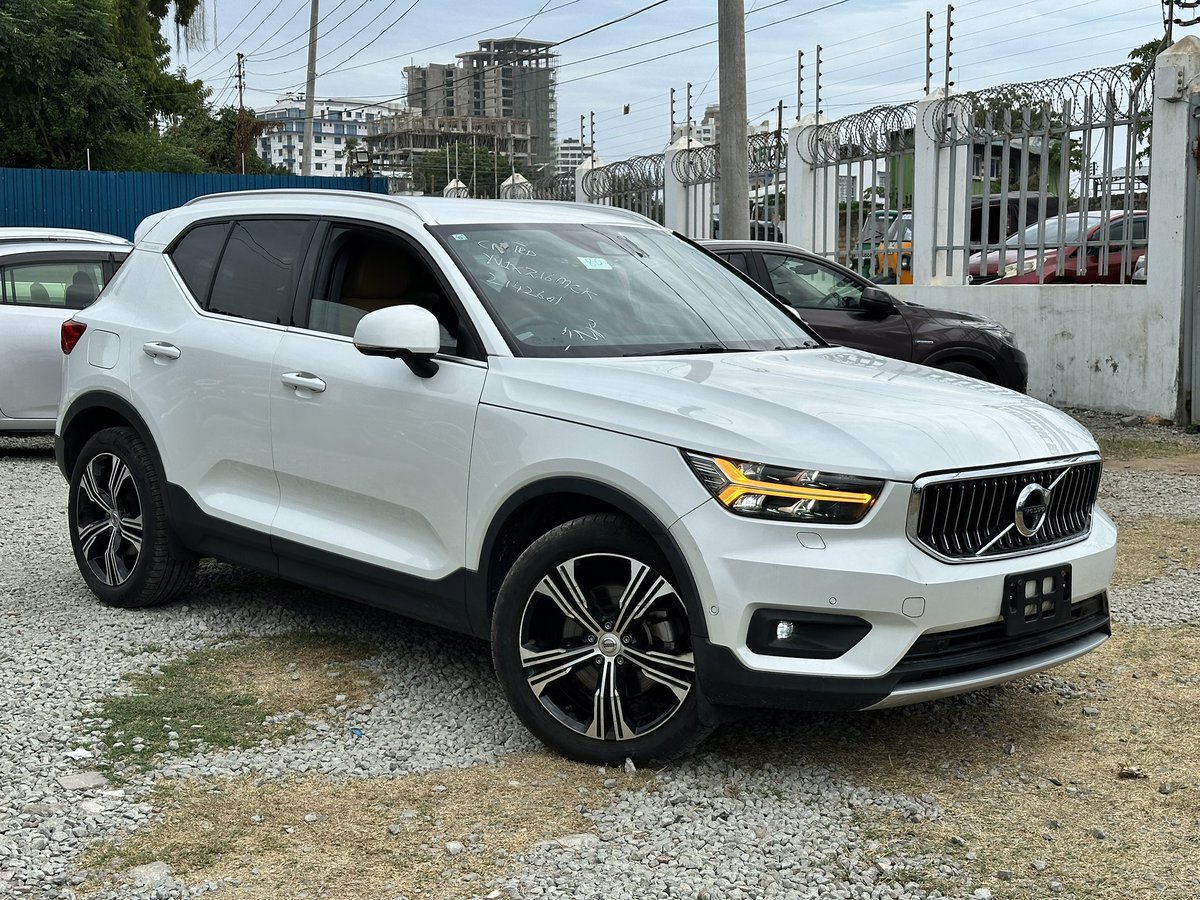
While the Volvo XC40 is primarily celebrated for its Scandinavian design, practical layout, and urban-friendly proportions, certain configurations—particularly the fully electric variants—deliver astonishing acceleration, achieving a 0 to 60 mph time in the low 4-second range. This level of off-the-line performance transforms a compact luxury crossover into a surprisingly rapid vehicle, blending everyday family utility with sports-car-grade swiftness.
The Evolution of Volvo XC40 Performance and Powertrains
The Volvo XC40 was introduced to the global market as a fresh, youthful entry into the premium subcompact luxury crossover segment. Over its production lifecycle, the vehicle has evolved significantly from traditional internal combustion engine (ICE) architectures to mild hybrids and, ultimately, high-output battery-electric vehicle (BEV) platforms.
Understanding how an XC40 achieves a lightning-fast acceleration metric requires looking beneath the sheet metal. Early iterations relied heavily on turbocharged four-cylinder gasoline engines (such as the T4 and T5 variants) which provided respectable, everyday power suited for highway merging and city cruising. However, these traditional powertrains posted 0 to 60 mph times hovering in the 6.2 to 7.4-second range—respectable for a daily driver, but far from extraordinary.
The landscape shifted dramatically with the introduction of the Recharge lineup, later designated under nomenclature updates. By swapping out pistons and crankshafts for permanent-magnet synchronous electric motors, Volvo unlocked instant torque delivery. The transition to pure electric power completely rewrote the performance ledger for the XC40 platform, allowing the heavy battery-electric versions to outpace their gasoline-powered predecessors by massive margins.
Deconstructing the 4.2-Second 0-60 Time: Which Model Achieves It?
To hit a 0 to 60 mph time of approximately 4.2 seconds, buyers must look specifically at the dual-motor, all-wheel-drive fully electric variants of the vehicle—historically known as the XC40 Recharge Twin Motor (and later updated under reorganised model naming conventions).
Unlike traditional internal combustion engines that must build revs and wait for turbochargers to spool, electric motors deliver maximum torque the microsecond the driver presses the accelerator pedal. The dual-motor configuration places one electric motor on the front axle and a second motor on the rear axle. This layout provides not only balanced all-wheel-drive traction but also a combined output that typically exceeds 400 horsepower and nearly 500 lb-ft of instant torque.
| Powertrain Generation | Engine / Motor Configuration | Approximate Horsepower | Estimated 0-60 mph Time |
|---|---|---|---|
| B5 AWD (Mild Hybrid) | 2.0L Turbocharged I4 + 48V | 247 hp | ~6.1 seconds |
| Recharge Single Motor (RWD) | Single Rear Electric Motor | 248 hp | ~6.9 seconds |
| Recharge Twin Motor (AWD) | Dual Electric Motors | 402 hp | ~4.6 seconds |
| Performance Software Upgrade | Dual Electric Motors + Tune | 402–436 hp | ~4.2 to 4.3 seconds |
As outlined in the comparison table, achieving the coveted 4.2-second benchmark typically requires the dual-motor powertrain equipped with performance software tuning. This factory-authorized or factory-installed calibration optimizes power delivery curves to maximize output, letting the compact crossover launch with remarkable grip and urgency.
Technical Dynamics: How Instant Torque Affects Daily Driving
Achieving a 4.2-second 0-60 time in a crossover utility vehicle creates a unique driving dynamic. When an electric vehicle of this size launches, the physical sensation is defined by the complete lack of gearshift interruptions and lag.
Weight Distribution and Traction Management
The battery pack in an electric XC40 sits flat along the floorpan, lowering the vehicle's center of gravity considerably compared to a traditional gas-powered SUV. When launching hard from a standstill, this low center of gravity minimizes body roll and helps distribute weight evenly across all four contact patches. The electronic all-wheel-drive system continuously calculates wheel slip, routing torque instantly to whichever tire has the most grip, ensuring that the 400-plus horsepower translates into forward motion rather than wheel spin.
Braking and Suspension Considerations
Managing rapid acceleration requires equally capable stopping power and chassis control. Dual-motor performance models feature larger brake discs and upgraded calipers to rein in the vehicle's substantial curb weight—compounded by the heavy lithium-ion battery pack. The suspension tuning on these performance variants leans toward the firmer side to maintain composure through twisty back roads, trading a sliver of plush ride comfort for superior body control during high-speed maneuvers.
Real-World Implications: Range, Efficiency, and Operating Costs
While the prospect of a 4.2-second 0-60 time is exhilarating, performance-oriented electric vehicles require compromises that drivers must weigh against everyday usability.
- Energy Consumption: Regularly exploiting the dual-motor setup's full acceleration potential places a heavy load on the battery pack, noticeably reducing overall driving range per charge.
- Tire Wear: The combination of instant high torque and a heavy vehicle weight means front and rear tires scrub faster than they would on a standard-output front-wheel-drive or mild-hybrid crossover. Budgeting for more frequent tire replacements is a practical reality of owning a high-performance EV.
- Insurance Premiums: Insurance carriers often classify high-horsepower electric crossovers in higher risk brackets due to repair costs associated with integrated battery packs and the rapid acceleration capabilities that can catch inexperienced drivers off guard.
Frequently Asked Questions
Can standard gasoline-powered Volvo XC40 models achieve a 4.2-second 0-60 time?
No. Traditional internal combustion and mild-hybrid gasoline models (like the T4, T5, or B4/B5 variants) lack the instantaneous power delivery and high output required for sub-5-second acceleration. Their 0-60 times generally range from 6 to 8 seconds.
Is the performance software upgrade required to reach 4.2 seconds?
Depending on the specific model year and regional market specifications, the factory dual-motor variant achieves roughly 4.6 seconds out of the box. Official or dealer-installed performance software calibrations are often utilized to shave off those final few tenths of a second down to the 4.2-4.3 second window.
Does frequent hard acceleration damage the electric motors?
Electric motors are exceptionally durable and designed to handle sudden torque loads repeatedly without the mechanical wear experienced by internal combustion transmissions and clutches. However, frequent high-output runs generate heat in the battery management system and power electronics, which may trigger temporary thermal throttling to protect components.
How does cold weather affect the XC40's acceleration performance?
Sub-freezing temperatures increase the internal resistance of lithium-ion batteries, temporarily reducing the maximum power output available from the pack. While the vehicle remains quick, achieving peak acceleration figures like 4.2 seconds is generally difficult until the battery pack has warmed up to its optimal operating temperature.
Practical Recommendations for Prospective Buyers
For drivers prioritizing straight-line performance alongside utility, the dual-motor electric Volvo XC40 represents a fascinating niche. Before purchasing, take a thorough test drive on a safe, open stretch of road to evaluate whether the firm ride quality and instantaneous power delivery align with your daily commuting preferences. Ensure you have access to Level 2 home charging to easily replenish the energy consumed by spirited driving. If long highway cruising range with minimal charging stops is your primary goal, a single-motor variant with a focus on efficiency may serve your lifestyle better than the ultra-fast dual-motor performance setup.