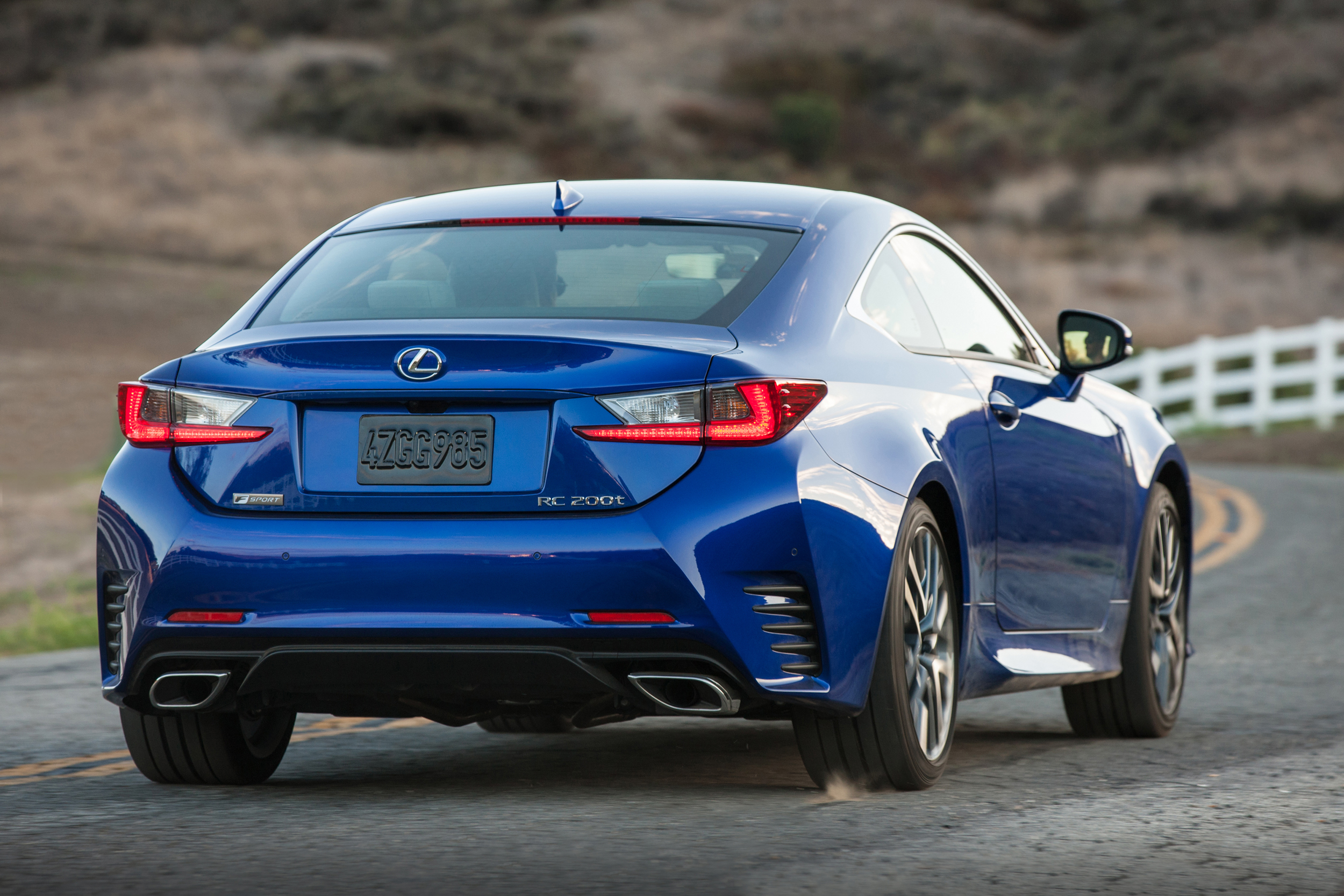
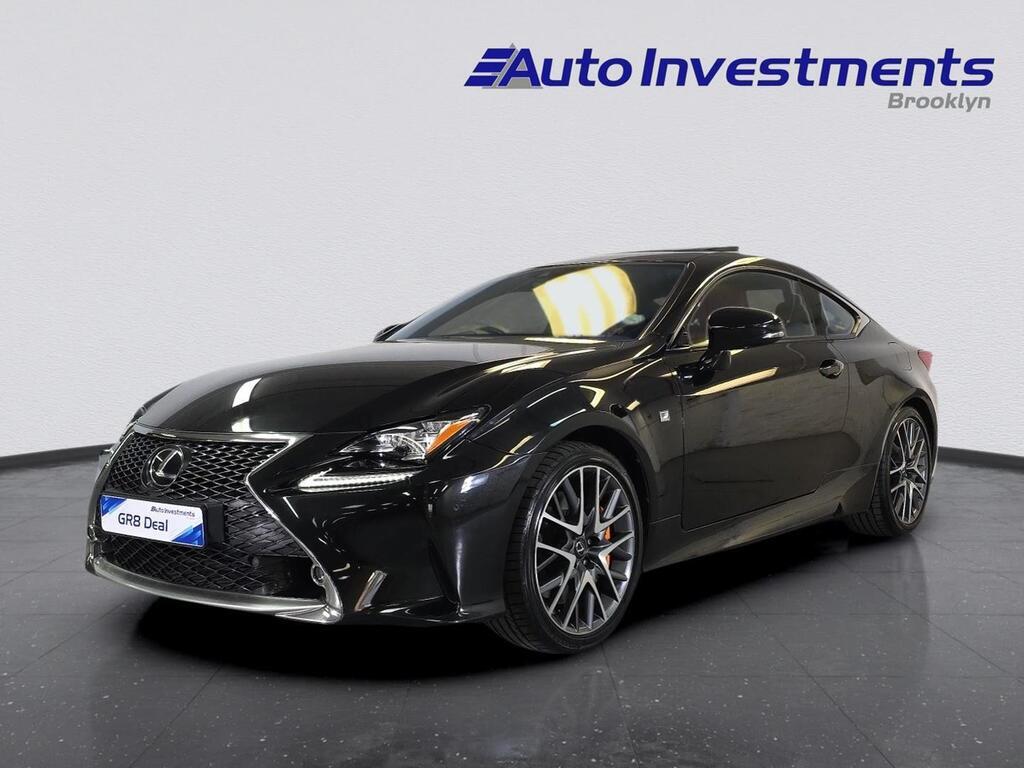
The 2016 Lexus RC 350 F Sport is equipped with a 3.5-liter V6 engine that produces 306 horsepower at 6,400 rpm and 277 lb-ft of torque at 4,800 rpm. This naturally aspirated powerplant, known internally as the 2GR-FSE, delivers its energy through either an 8-speed automatic transmission in rear-wheel-drive configurations or a 6-speed automatic in all-wheel-drive models.
As we look back at this vehicle from the perspective of 2026, the 2016 Lexus RC 350 F Sport remains a significant benchmark in the luxury sport coupe segment. While its 306-horsepower output was once at the sharp end of its class, its enduring appeal a decade later lies in the linear power delivery of its naturally aspirated engine—a characteristic that has become increasingly rare in an era dominated by small-displacement turbocharged engines and electric powertrains. Understanding the horsepower of the RC 350 F Sport requires more than just looking at a single number; it requires an analysis of how that power is generated, managed, and delivered to the pavement.
The 2GR-FSE Engine: Engineering the Horsepower
The heart of the 2016 Lexus RC 350 F Sport is the 3.5-liter 2GR-FSE V6. This engine was a recipient of multiple "Ward’s 10 Best Engines" awards, and for good reason. It utilizes a sophisticated fuel injection system known as D-4S, which stands for Direct-injection 4-stroke Superior version.
Dual Injection Technology
The D-4S system is a primary contributor to the engine's 306-horsepower rating. Unlike engines that rely solely on port injection or solely on direct injection, the 2GR-FSE uses both. It features two injectors per cylinder: one in the intake port and one directly in the combustion chamber.
At low to medium loads, both injectors are used to create a stoichiometric air-fuel mixture, improving fuel economy and reducing emissions. Under high-load conditions—such as when the driver demands maximum horsepower—the system relies more heavily on direct injection. The evaporating fuel cools the incoming air, allowing for a higher compression ratio of 11.8:1 without the risk of engine knock. This high compression ratio is a fundamental requirement for achieving 306 horsepower from a 3.5-liter naturally aspirated displacement.
Dual VVT-i and Valvetrain
To ensure the horsepower curve remains robust across the entire RPM range, Lexus employed Dual VVT-i (Variable Valve Timing with intelligence). This system independently controls the timing of both the intake and exhaust camshafts. By optimizing the "valve overlap" (the period when both intake and exhaust valves are open), the engine can breathe more efficiently at 6,400 rpm where peak horsepower is achieved, while still maintaining high torque at lower engine speeds.
The valvetrain also utilizes roller rocker arms and a chain-driven system, which reduces internal friction. In the world of engine tuning, reducing friction is "free" horsepower, as it allows more of the energy generated during combustion to reach the crankshaft rather than being lost as heat within the engine block.
Performance Metrics: Beyond the 306 HP
While 306 horsepower is the headline figure, the actual performance of the 2016 RC 350 F Sport is influenced by its curb weight and transmission logic. In 2016, the RC was often criticized for its "heft," with curb weights ranging from approximately 3,748 lbs for the Rear-Wheel Drive (RWD) model to 3,891 lbs for the All-Wheel Drive (AWD) variant.
Acceleration and Speed
Despite the weight, the 306-horsepower V6 propels the RC 350 F Sport to competitive speeds:
- 0-60 MPH: Approximately 5.8 seconds (RWD) or 6.0 seconds (AWD).
- Quarter Mile: Roughly 14.3 seconds at 100 mph.
- Top Speed: Electronically limited to 143 mph (RWD) or 130 mph (AWD).
In the context of 2026, these numbers might seem modest compared to modern performance EVs, but the RC 350 F Sport was never designed to be a "stoplight dragster." Instead, its horsepower is tuned for grand touring—offering smooth, consistent acceleration that feels refined even at the top of the tachometer.
Power-to-Weight Ratio
The power-to-weight ratio of the 2016 Lexus RC 350 F Sport is approximately 12.2 lbs per horsepower. For comparison, the contemporary 2016 BMW 435i had a slightly better ratio due to its lower curb weight, despite having a similar horsepower rating (300 hp). This explains why the Lexus often felt slightly more deliberate in its movements than its German rivals, favoring stability and "vault-like" build quality over raw, flickable agility.
The F Sport Advantage: Handling the Power
The "F Sport" badge on the 2016 RC 350 indicates that the vehicle is equipped with several performance enhancements designed to make better use of the 306 horsepower. While the engine output remains the same as the base RC 350, the F Sport trim changes how that power interacts with the road.
Adaptive Variable Suspension (AVS)
One of the most critical components of the F Sport package is the Adaptive Variable Suspension. This system electronically monitors and controls the damping force at all four wheels simultaneously based on road surface conditions and driver input. When the driver selects "Sport S+" mode, the AVS stiffens the dampers, reducing body roll and allowing the driver to apply the 306 horsepower earlier when exiting a corner.
Lexus Dynamic Handling (LDH)
On RWD models, the F Sport package offered an optional Lexus Dynamic Handling system with Dynamic Rear Steering (DRS). This system can turn the rear wheels up to 2.0 degrees. At high speeds, the rear wheels turn in the same direction as the front wheels to improve stability. At low speeds, they turn in the opposite direction to reduce the turning radius. This technology makes the 306-horsepower coupe feel much smaller and more agile than its physical dimensions suggest.
Upgraded Braking System
Horsepower is useless if it cannot be scrubbed off effectively. The F Sport trim includes an upgraded braking system with two-piece front rotors measuring 13.1 inches. These rotors are designed to dissipate heat more effectively than standard one-piece rotors, preventing brake fade during spirited driving sessions where the engine is frequently pushed to its 6,400 rpm peak.
Drivetrain Variations and Power Delivery
The delivery of the 306 horsepower differs significantly depending on which drivetrain was selected. In 2016, Lexus offered two distinct transmission and drive setups for the RC 350 F Sport.
Rear-Wheel Drive (RWD) with 8-Speed SPDS
The RWD model features the 8-speed Sport Direct Shift (SPDS) automatic transmission, which was originally derived from the unit used in the IS F high-performance sedan. This transmission features a torque converter that can lock up in gears two through eight when in manual mode, providing a direct, mechanical feel similar to a dual-clutch transmission. The closely spaced gear ratios allow the engine to stay within its power band (typically between 4,500 and 6,400 rpm) more effectively during aggressive driving.
All-Wheel Drive (AWD) with 6-Speed Automatic
The AWD model utilizes a 6-speed automatic transmission and a specialized transfer case with a central limited-slip differential. This system defaults to a 30:70 front-to-rear torque split but can adjust to a 50:50 split as conditions demand. While the AWD system provides superior traction in inclement weather, the 6-speed transmission has wider gear gaps, which can make the 306 horsepower feel slightly less immediate than in the 8-speed RWD version.
Technical Specifications Table
| Feature | Specification (RWD) | Specification (AWD) |
|---|---|---|
| Engine Type | 3.5L V6 (2GR-FSE) | 3.5L V6 (2GR-FSE) |
| Horsepower | 306 hp @ 6,400 rpm | 306 hp @ 6,400 rpm |
| Torque | 277 lb-ft @ 4,800 rpm | 277 lb-ft @ 4,800 rpm |
| Compression Ratio | 11.8:1 | 11.8:1 |
| Transmission | 8-speed Sport Direct Shift | 6-speed Automatic |
| 0-60 MPH | 5.8 Seconds | 6.0 Seconds |
| Curb Weight | 3,748 lbs | 3,891 lbs |
| Fuel Requirement | Premium Unleaded (91+ Octane) | Premium Unleaded (91+ Octane) |
| Front Brakes | 13.1-in Power-Assisted | 13.1-in Power-Assisted |
Ownership and Longevity in 2026
From the current 2026 perspective, the 2016 Lexus RC 350 F Sport is often sought after as a reliable "modern classic." The 2GR-FSE engine is widely regarded as one of the most reliable V6 engines ever produced. Unlike many of its turbocharged contemporaries from 2016, which may now be facing expensive turbocharger replacements or complex vacuum system failures, the naturally aspirated RC 350 remains relatively simple to maintain.
Common Maintenance for Peak Horsepower
To ensure the vehicle still produces its original 306 horsepower, owners in 2026 should focus on a few key areas:
- Spark Plug Replacement: The 2GR-FSE requires specific iridium-tipped spark plugs. Because of the D-4S system, clean combustion is vital for maintaining performance.
- Carbon Buildup Inspection: While the dual-injection system significantly reduces carbon buildup on intake valves (a common problem in direct-injection-only engines), it is still wise to check the intake tracts after 100,000 miles.
- Drivetrain Fluids: Both the 8-speed and 6-speed transmissions benefit from fluid refreshes, despite Lexus's "lifetime fluid" claims, especially if the 306 horsepower is used frequently for spirited driving.
- Air Induction System: The F Sport features an "intake sound generator" that uses a diaphragm to pipe engine noise into the cabin. Ensuring the intake plumbing is free of leaks is essential for both performance and the auditory experience.
Market Comparison: How It Stood Against the Competition
In 2016, the RC 350 F Sport occupied a unique niche between the entry-level luxury coupes and the hardcore performance machines.
- BMW 435i: The BMW used a 3.0L turbocharged inline-six (N55). While it was rated at 300 hp (slightly less than the Lexus), its 300 lb-ft of torque arrived much earlier in the RPM range, making it feel faster in city driving.
- Audi S5: The S5 featured a supercharged 3.0L V6 producing 333 hp. This put the Audi in a higher performance bracket, often making it more of a competitor to the Lexus RC F (V8) than the RC 350.
- Infiniti Q60: In 2016, the Q60 was transitioning. The older models used the 3.7L V6 (330 hp), which was powerful but lacked the refinement of the Lexus 3.5L unit.
The Lexus stood out not for having the most horsepower, but for having the most reliable and refined horsepower. In the second-hand market of 2026, this reliability is the primary reason the RC 350 F Sport holds its value better than many of its more powerful rivals.
Frequently Asked Questions
Does the 2016 Lexus RC 350 F Sport require premium gas?
Yes, to achieve the rated 306 horsepower, the 2016 Lexus RC 350 F Sport requires premium unleaded fuel with an octane rating of 91 or higher. Using lower octane fuel can cause the engine's ECU to retard ignition timing to prevent knocking, which results in a noticeable decrease in horsepower and fuel efficiency.
Can you increase the horsepower of a 2016 RC 350 F Sport?
While naturally aspirated engines are harder to tune than turbocharged ones, modest gains can be found. High-flow intake systems, exhaust modifications, and ECU re-flashes can typically add 10 to 20 horsepower. However, significant gains usually require forced induction (supercharging), which can be costly and may impact the engine's legendary reliability.
Is the horsepower different between the F Sport and the base RC 350?
No, the engine and horsepower output are identical between the base RC 350 and the RC 350 F Sport. Both produce 306 hp. The F Sport package focuses on handling, braking, and aesthetic upgrades rather than increasing raw engine output.
How does the 306 hp V6 compare to the RC 200t's engine?
The 2016 RC line also included the RC 200t, which used a 2.0-liter turbocharged four-cylinder engine producing 241 hp. The RC 350's 306 hp V6 is significantly smoother and provides a more linear power delivery, whereas the 200t can suffer from "turbo lag"—a delay in power delivery while the turbocharger spools up.
Is the 2016 RC 350 F Sport fast by 2026 standards?
By 2026 standards, the RC 350 F Sport is considered "moderately quick." While many modern electric vehicles and high-output turbocharged cars can now reach 60 mph in under 4 seconds, the RC 350’s 5.8-second sprint still allows it to keep pace with modern traffic and provides an engaging driving experience on winding roads.
Final Recommendation for Buyers and Owners
The 2016 Lexus RC 350 F Sport is a vehicle defined by balance rather than extremes. Its 306 horsepower provides ample performance for spirited road driving while maintaining a level of mechanical durability that is rare in the luxury segment. For those looking at this vehicle in 2026, the priority should be finding a well-documented service history that proves the engine has been fed a steady diet of high-quality synthetic oil and premium fuel.
If you value the surgical precision of a naturally aspirated V6 and a chassis tuned for high-speed stability, the RC 350 F Sport remains an excellent choice. However, if your goal is raw acceleration or modern "tunability," you may find its 306 horsepower to be a limiting factor. For the vast majority of enthusiasts, the 2016 RC 350 F Sport represents a "sweet spot" of Lexus engineering—offering enough power to be exciting, but not so much that it compromises its identity as a refined daily driver.