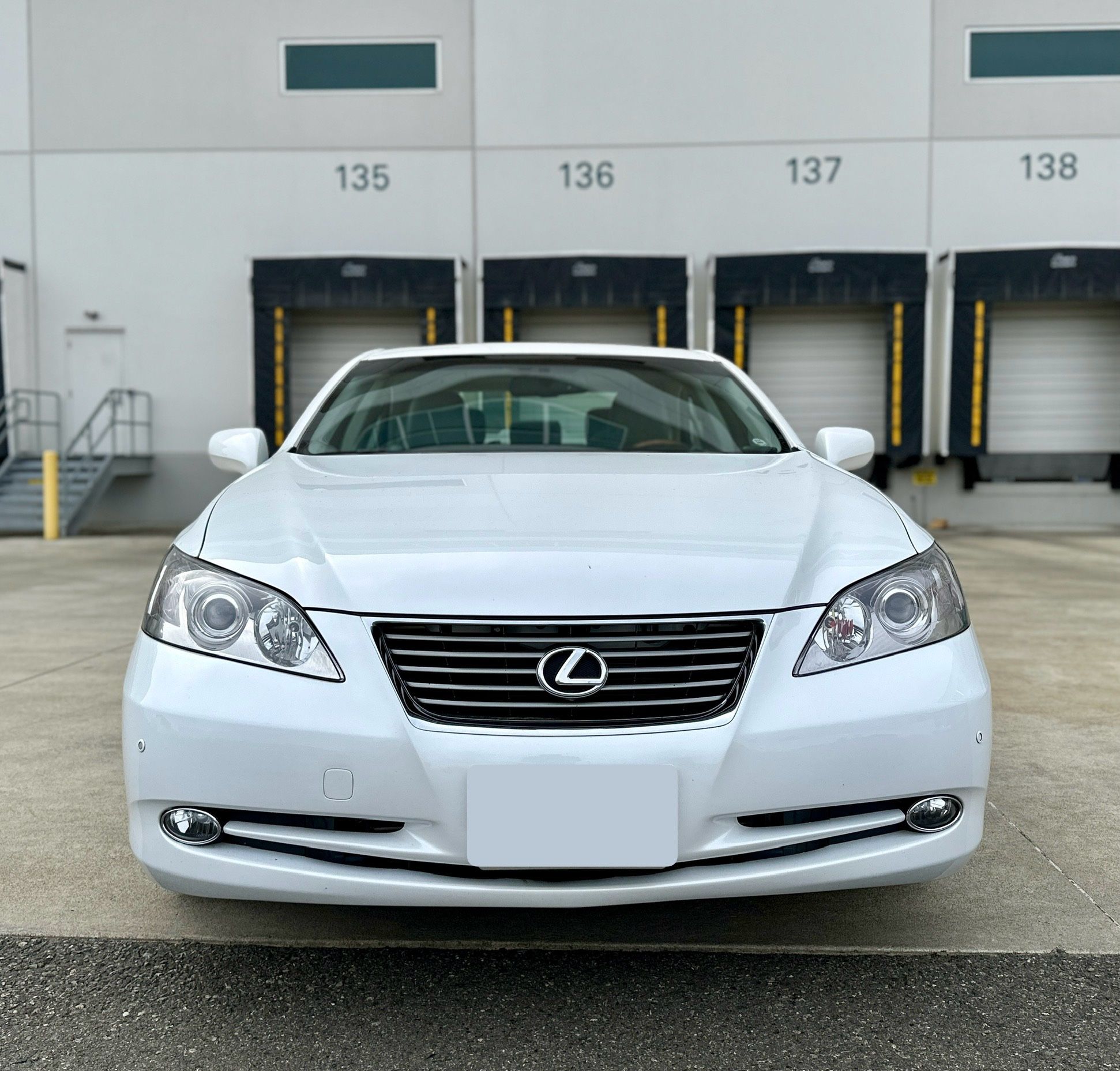
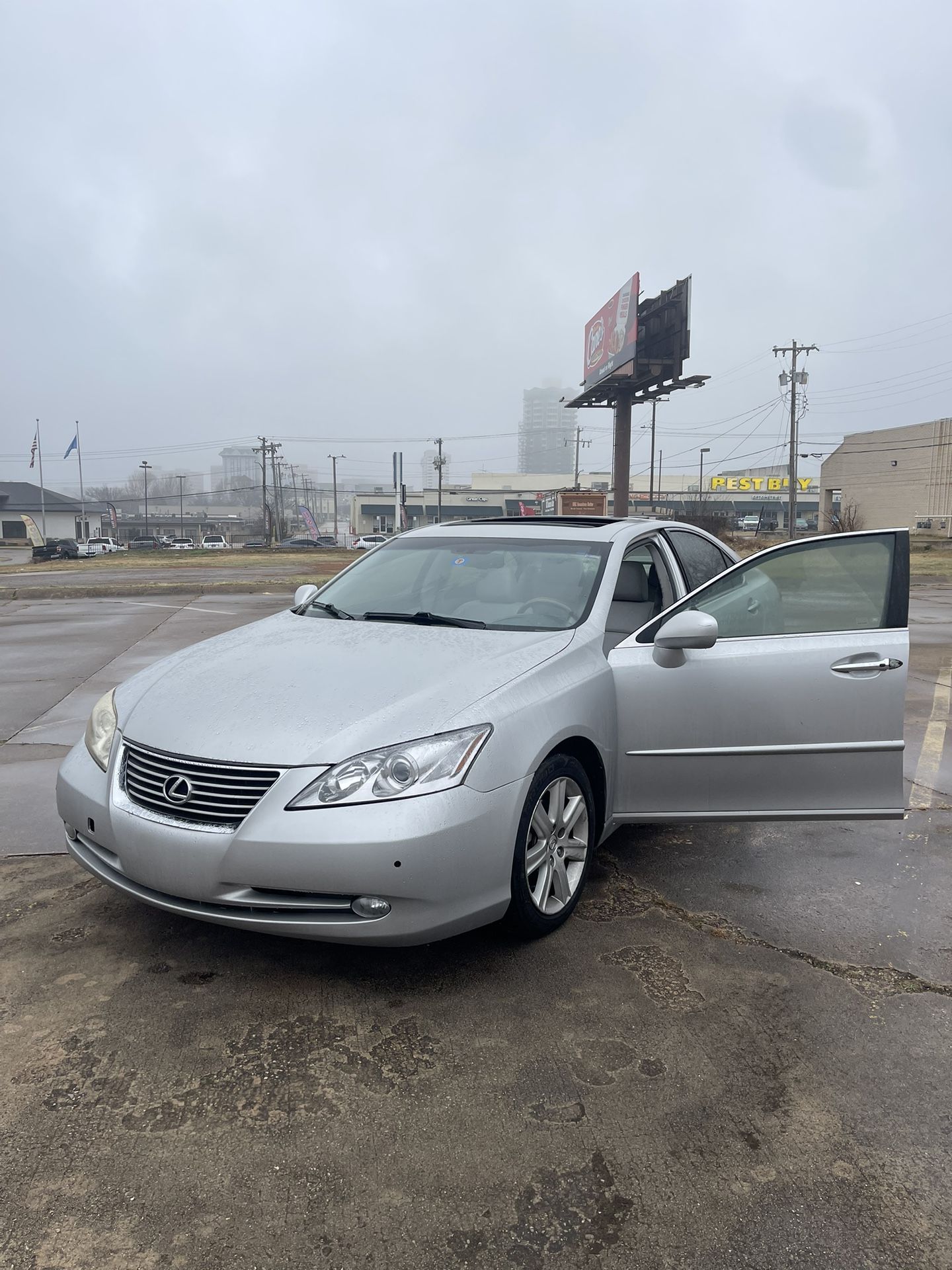
Note on Nomenclature: While automotive search terms frequently reference the "2009 Lexus ES 300," it is important to clarify a key historical distinction: the Lexus ES 300 nameplate officially concluded production in North America after the 2003 model year, being succeeded by the ES 330 for the 2004–2006 model years, and subsequently by the Lexus ES 350 for the 2007–2009 model years. Therefore, when evaluating the mid-size luxury sedan offerings from Lexus for the 2009 model year, the vehicle corresponding to this exact production era is the ES 350. This overview examines the mechanical specifications, luxury appointments, driving dynamics, market standing, and enduring ownership considerations of the 2009 Lexus ES lineup.
Introduction to the 2009 Lexus ES Lineup
The 2009 Lexus ES 350 represents the third year of the fifth-generation ES series, which debuted for the 2007 model year. As a benchmark entry-level executive luxury sedan, the vehicle was engineered to deliver a serene driving experience, exceptional build quality, and an opulent cabin environment that echoed the flagship LS models.
Positioned below the rear-wheel-drive IS and GS lines, the front-wheel-drive ES 350 focused heavily on ride comfort, interior quietness, and effortless daily drivability. For buyers searching for a dependable, comfortable used luxury cruiser, understanding the mechanical underpinnings, interior features, common maintenance considerations, and historical market reception of this model year is essential.
Powertrain and Mechanical Specifications
At the heart of the 2009 Lexus ES 350 is a sophisticated powertrain designed for smooth power delivery and remarkable reliability. Unlike older ES 300 models that featured 3.0-liter V6 engines, the 2009 model relies on a larger displacement power plant coupled to a modern multi-speed automatic transmission.
- Engine: 3.5-liter 2GR-FE V6 engine featuring aluminum block and cylinder heads, dual overhead cams (DOHC), and VVT-i (Variable Valve Timing with intelligence).
- Horsepower: 272 horsepower at 6,200 rpm.
- Torque: 254 lb-ft of torque at 4,700 rpm.
- Transmission: 6-speed sequential-shift automatic transmission with intelligence (ECT-i).
- Drivetrain: Front-wheel drive (FWD).
- Fuel Economy: EPA-estimated 19 mpg city / 27 mpg highway / 22 mpg combined using regular unleaded gasoline, though premium fuel was historically recommended for maximum performance output.
The engine utilizes a timing chain rather than a timing belt, significantly reducing routine maintenance costs for long-term owners. Power delivery is linear and exceptionally smooth, allowing the sedan to accelerate from 0 to 60 mph in approximately 6.8 seconds—a competitive figure for its class during its production run.
Exterior Design and Aerodynamics
The exterior styling of the 2009 Lexus ES followed the brand's "L-finesse" design philosophy, though in a more conservative interpretation compared to its sportier siblings. Characterized by a sweeping roofline, a raked windshield, and an integrated rear spoiler lip, the vehicle achieved a low coefficient of drag ($C_d$ of 0.28), which contributed heavily to minimal wind noise at highway speeds.
Standard exterior features included 17-inch alloy wheels, automatic projector-beam headlamps, integrated fog lights, and heated power exterior mirrors with integrated turn signals. Higher trim configurations or vehicles equipped with the Ultra Luxury Package added a panoramic glass sunroof, adaptive front lighting systems (AFS) that swiveled headlamps into corners, and high-intensity discharge (HID) headlights.
Interior Luxury, Comfort, and Technology
Inside the cabin, the 2009 Lexus ES prioritized ergonomic comfort, premium materials, and acoustic isolation. Real wood accents, plush leather upholstery, and soft-touch dashboard materials defined the interior landscape.
| Interior Feature | Specification / Description |
|---|---|
| Seating Capacity | 5 passengers |
| Standard Upholstery | Perforated leather-trimmed seats |
| Front Seat Adjustment | 10-way power adjustable with lumbar support |
| Audio System | 8-speaker Premium Sound with 6-disc in-dash CD changer |
| Optional Audio | Mark Levinson 14-speaker Surround Sound System |
| Climate Control | Dual-zone automatic climate control |
| Cargo Volume | 14.7 cubic feet in trunk |
Cabin insulation was a primary engineering focus. Acoustic glass windshields, triple door seals, and extensive sound-dampening materials ensured that road and engine noise were isolated from the cabin. Optional technologies included a voice-activated DVD navigation system with a backup camera, Bluetooth connectivity, satellite radio integration, and ventilated front seats for hot weather comfort.
Ride Quality and Driving Dynamics
The suspension configuration of the 2009 ES 350 consists of independent MacPherson struts with coil springs, gas-pressurized shock absorbers, and stabilizer bars at both the front and rear. This setup was calibrated almost entirely for ride comfort rather than aggressive cornering.
Steering is managed via an electronic power steering (EPS) system that provides a light, effortless feel at low speeds for effortless parking maneuvers, while firming up modestly at highway velocities. While driving enthusiasts often noted that the ES lacked the tactile feedback and dynamic cornering agility of rear-wheel-drive competitors like the BMW 3 Series, everyday commuters appreciated the vehicle's ability to absorb road imperfections, potholes, and expansion joints with minimal disturbance to the cabin.
Safety Ratings and Equipment
Safety was a core pillar of the Lexus brand identity. The 2009 ES 350 came equipped with a comprehensive suite of active and passive safety features designed to protect occupants in various collision scenarios.
- Airbag System: Standard dual-stage front airbags, front seat-mounted side airbags, full-length side curtain airbags, and driver/front passenger knee airbags (totaling 8 standard airbags).
- Braking: Four-wheel ventilated disc brakes managed by Anti-lock Braking System (ABS), Electronic Brakeforce Distribution (EBD), and Brake Assist.
- Vehicle Stability: Vehicle Stability Control (VSC) paired with Traction Control (TRAC) to mitigate skidding and loss of control in slippery conditions.
- Crash Test Performance: The vehicle achieved strong marks in testing administered by the Insurance Institute for Highway Safety (IIHS), earning "Good" ratings in frontal-offset and side-impact crash tests.
Optional safety upgrades included a Pre-Collision System (PCS) paired with Dynamic Radar Cruise Control, which utilized millimeter-wave radar to detect potential obstacles and prep the braking system or tighten seatbelts if an unavoidable impact was anticipated.
Ownership Experience and Common Maintenance Considerations
Evaluating a pre-owned 2009 Lexus ES requires an understanding of long-term mechanical reliability and common wear points associated with this vehicle generation. Because the vehicle shares mechanical architecture with the Toyota Camry of the same era, mechanical repairs are generally straightforward and parts availability is robust.
- Oil Cooler Lines: Early iterations of the 3.5-liter V6 engine utilized rubber sections in the engine oil cooler lines that were prone to degradation and premature leaking. A Toyota/Lexus factory recall and service campaign replaced these with all-metal lines; buyers should verify that this replacement has been performed.
- Dashboard Melting/Stickiness: Certain vehicles operated in high-UV, high-temperature climates experienced issues with interior dashboard materials becoming glossy, sticky, or reflective over time due to chemical breakdown. Lexus offered extended warranty coverage for this issue historically, but unaddressed vehicles may require dash covers or replacement.
- Power Steering Pump and Steering Rack: While generally durable, high-mileage examples should be inspected for power steering fluid leaks or play in the intermediate steering shaft, which can produce a minor clunking sensation during low-speed turns.
- Transmission Behavior: The 6-speed automatic transmission is robust, but fluid changes every 60,000 to 90,000 miles are recommended to maintain smooth shifting performance, despite manufacturer lifetime fill claims.
Frequently Asked Questions
Is there a 2009 Lexus ES 300?
No. The Lexus ES 300 nomenclature ended after the 2003 model year. For 2009, the mid-size luxury sedan model produced by Lexus was the ES 350, featuring a 3.5-liter V6 engine. Consumers searching for a 2009 model are typically looking for the ES 350.
What is the fuel economy of the 2009 Lexus ES 350?
The EPA fuel economy rating for the 2009 Lexus ES 350 is 19 mpg in the city, 27 mpg on the highway, and 22 mpg in combined driving conditions. It requires regular unleaded gasoline, though premium fuel can be used for nominal performance optimization.
Does the 2009 Lexus ES 350 have a timing belt or timing chain?
The 3.5-liter V6 engine in the 2009 ES 350 utilizes a steel timing chain rather than a rubber timing belt. Designed to last the lifetime of the engine under proper maintenance conditions, this chain eliminates the costly 90,000-mile timing belt replacement intervals required on older ES 300 models.
What are the most common packages available on the 2009 Lexus ES?
The primary upgrade packages include the Premium Package (adding leather-trimmed seats, driver memory settings, and power tilt/telescoping steering wheel), the Ultra Luxury Package (adding a panoramic glass sunroof, premium leather, power rear sunshade, and HID headlamps), and the standalone Navigation Package with a touchscreen interface and backup camera.
Conclusion and Buying Recommendation
The 2009 Lexus ES 350 remains a testament to durable automotive engineering, luxurious appointments, and everyday comfort. While automotive enthusiasts seeking sharp handling should look toward rear-wheel-drive alternatives, buyers prioritizing a quiet cabin, plush ride quality, straightforward maintenance, and bulletproof reliability will find this generation of the Lexus ES to be an enduring option. When purchasing or evaluating a used model, always review comprehensive maintenance records, verify the replacement of the rubber oil cooler lines with the updated metal version, and ensure all interior electronics function correctly.