Accurate medical coding for gangrene of the left toe requires specifying the anatomical site, the underlying pathology, and the laterality of the condition. In the International Classification of Diseases, 10th Revision (ICD-10-CM), clinicians and medical billers must select the code that most precisely reflects the presence of necrosis or gangrene in the specific digit of the left foot to ensure diagnostic clarity and proper reimbursement.
The Role of ICD-10-CM in Clinical Documentation
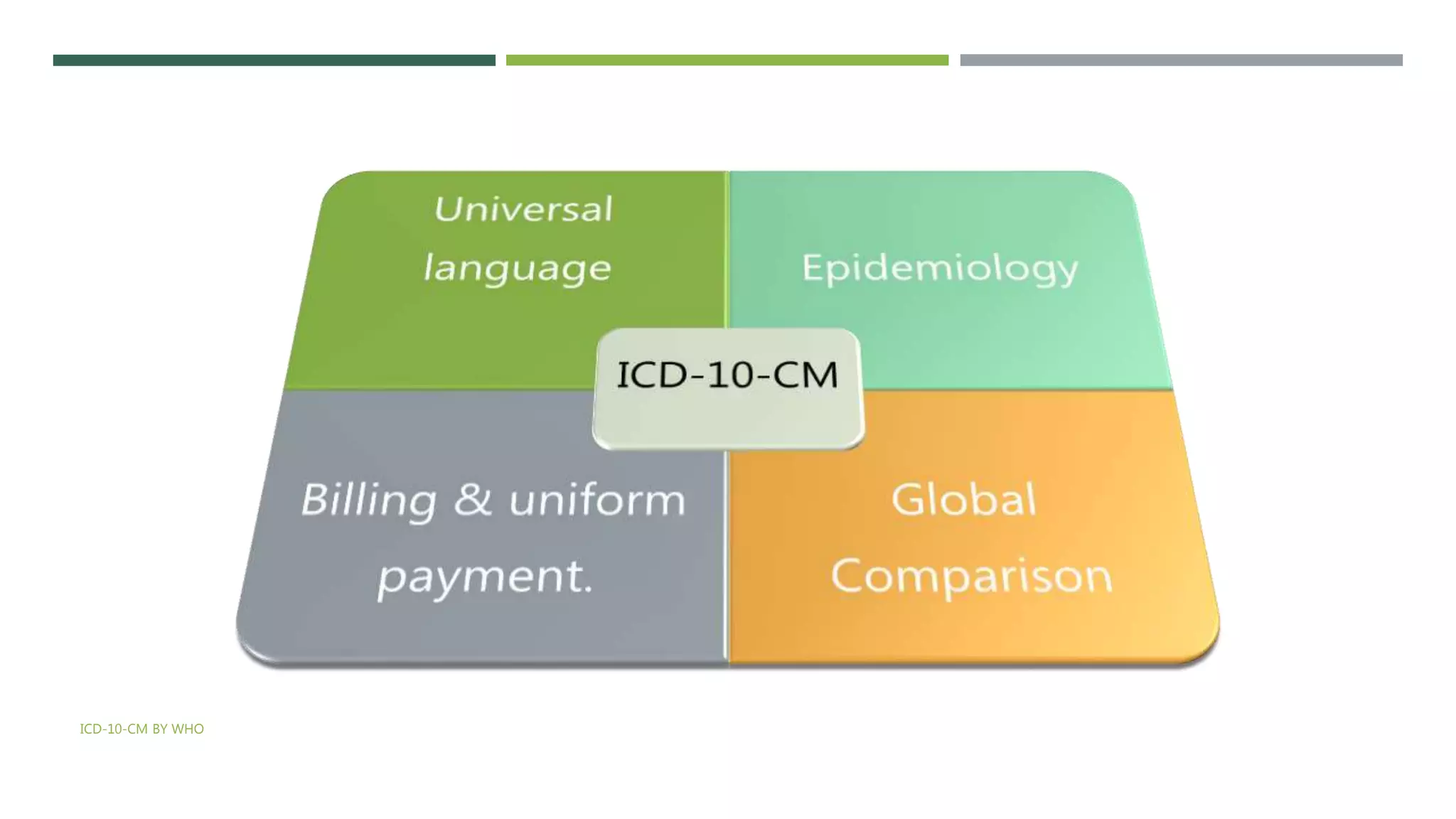
The International Classification of Diseases, 10th Revision, Clinical Modification (ICD-10-CM), serves as the standardized language for morbidity reporting and healthcare billing across the United States. For a condition as serious as gangrene, precision is not merely a billing requirement; it is a clinical necessity that dictates the patient’s treatment pathway, potential surgical intervention, and long-term prognosis.
Gangrene, characterized by the death of body tissue due to a lack of blood flow or a serious bacterial infection, requires aggressive management. When documenting gangrene of the left toe, the physician must capture the severity of the tissue loss and the specific foot affected. Because the ICD-10-CM system is highly granular, it mandates the use of lateralization—left versus right—to prevent errors in care coordination, particularly when surgical debridement or amputation is indicated.
Identifying the Correct Code Structure
To classify gangrene of the toe correctly, one must typically look within the I96 (Gangrene, not elsewhere classified) category or the specific codes related to peripheral vascular disease, such as diabetes-related complications.
In many cases, the gangrene is secondary to other conditions like Diabetes Mellitus or Peripheral Artery Disease (PAD). Therefore, the coding process often involves a two-part approach:
- Primary Diagnosis: The underlying cause (e.g., Type 2 Diabetes Mellitus with peripheral angiopathy).
- Secondary Manifestation: The specific site of the gangrene (e.g., necrosis of the left toe).
If the gangrene is not attributable to diabetes or another specified condition, the code I96 is used. However, this code often lacks the specificity required for site-specific reimbursement. For cases where diabetes is the underlying driver, the E11.52 (Type 2 diabetes mellitus with diabetic peripheral angiopathy with gangrene) series is typically employed, often necessitating an additional code to identify the specific anatomical site of the left foot.
Anatomic Specificity: Defining "Left Toe"
When coding for a specific toe, the ICD-10-CM system uses identifiers that describe the location. The toes are identified by their position (great toe vs. lesser toes). The "left toe" must be specified as either the great toe or a lesser toe.
- Great Toe: Often documented as the "first toe."
- Lesser Toes: The second through fifth toes.
Failure to identify which toe is affected can lead to claim denials. For example, in the context of diabetic foot ulcers or gangrene, the documentation must explicitly state "left great toe" or "left second toe" to allow the coder to select the correct sub-category. If the documentation only mentions "toe," the coder may be forced to assign a "not elsewhere classified" or "unspecified" code, which may be rejected by insurance payers for lacking medical necessity.
Table: Diagnostic Coding Considerations for Gangrene
| Condition Factor | Coding Consideration | Requirement |
|---|---|---|
| Underlying Cause | Is it Diabetes-related? | Link to E11.5x or E10.5x series |
| Laterality | Is it left or right? | Mandatory 5th or 6th character |
| Anatomical Site | Which toe is involved? | Specificity required (Great vs. Lesser) |
| Tissue Severity | Is it ulceration or gangrene? | Differentiate necrotic tissue from active ulcer |
| Secondary Code | Peripheral Vascular Disease | Use I70.26x to specify the stage of disease |
The Relationship Between PAD and Toe Gangrene
Peripheral Artery Disease (PAD) is one of the most common precursors to toe gangrene. When a patient presents with ischemia severe enough to cause gangrene in the left toe, it is indicative of advanced atherosclerotic disease. In 2026, healthcare providers are increasingly focusing on the correlation between systemic vascular health and localized digital gangrene.
When coding these cases, the physician should ensure that the documentation reflects the arterial state. If the patient has atherosclerosis of the native arteries of the left leg (I70.2-), the coder must report this alongside the gangrene code. This paints a complete picture of the patient's condition, justifying the intensive diagnostic imaging or surgical intervention required to save the remaining tissue or manage the amputation site.
Documentation Requirements for Healthcare Providers
To avoid documentation queries and potential audit risks, clinicians must ensure that their progress notes and surgical reports contain sufficient detail. A note that simply states "left toe gangrene" is insufficient for modern billing standards.
A robust medical record entry should include:
- Physical Exam Findings: The extent of necrotic tissue, color changes (black/blue), temperature, and any presence of foul-smelling drainage.
- Vascular Status: Mention of pedal pulses, capillary refill, and ankle-brachial index (ABI) if available.
- The "Why": The etiology must be clear. Is it diabetic, traumatic, or vascular in origin?
- The "Where": Clearly label "Left" and specify the exact toe number (e.g., Left 1st digit).
Providing this information in the clinical notes allows medical coders to assign the most accurate ICD-10-CM code, which ultimately supports the medical necessity of the treatment provided.
Common Coding Errors and How to Prevent Them
The most frequent error in coding left toe gangrene is the failure to document or code the underlying diabetes or atherosclerosis. Another common pitfall is the use of "unspecified" codes. Using an unspecified code suggests to payers that the provider did not perform a thorough evaluation, which can trigger additional requests for medical records.
To prevent these issues, providers should:
- Standardize Templates: Use electronic health record (EHR) templates that prompt for laterality and toe-specific location.
- Verify Hierarchical Condition Categories (HCC): Ensure that the codes selected reflect the severity of the patient's overall health profile, as this affects the risk-adjustment score.
- Cross-Reference: Always verify that the surgical procedure (e.g., debridement or amputation) matches the diagnosis code for the condition being treated.
Addressing FAQs
1. Is there a single ICD-10 code for "left toe gangrene"? No. There is no single code for "left toe gangrene." The code must be constructed based on the cause (e.g., diabetes or atherosclerosis) and the specific anatomy (e.g., left great toe). You will typically combine an underlying condition code with a site-specific manifestation code.
2. What if the gangrene is on the left great toe specifically? For the great toe, the documentation must specify "great toe" to allow for the selection of the most precise anatomical code. The ICD-10-CM index classifies the great toe differently than the other four toes, and using the correct digit identifier is essential for accuracy.
3. Does Medicare require specific documentation for toe gangrene? Yes. Medicare and other major insurers require documentation that proves medical necessity. This means the medical record must explicitly describe the clinical signs of gangrene and the link between the patient's systemic disease (like diabetes) and the localized tissue death.
4. How does gangrene differ from a diabetic ulcer in coding? Gangrene (necrosis) represents dead tissue, while an ulcer is a break in the skin. Coding for gangrene carries more clinical weight and requires documentation of tissue necrosis. Using the wrong term—for example, calling gangrene an ulcer—can lead to under-coding and inaccurate severity reporting.
5. What is the most important step for accurate billing of this condition? The most important step is documentation specificity. The provider must document the exact location (left side, which toe) and the underlying etiology (the medical condition causing the gangrene). Without this, the billing team cannot assign a high-specificity code.
Professional Consultation and Next Actions
If you are a healthcare provider or a medical coder, the first step when encountering a case of left toe gangrene is to review the most recent ICD-10-CM coding manual. Because medical coding guidelines are updated annually, ensuring your documentation matches the latest definitions is critical.
For patients experiencing symptoms of toe gangrene, prioritize immediate evaluation by a podiatrist, vascular surgeon, or primary care provider. Gangrene is a time-sensitive medical emergency. Do not attempt to self-diagnose or delay professional care, as the condition can rapidly escalate from local tissue death to systemic infection. Always consult with your healthcare provider for an official diagnosis and a customized treatment plan based on your unique clinical history and current physical state.