Selecting the optimal indoor air purification device for residential spaces involves balancing multi-layered mechanical filtration efficiency with active microbial inactivation technologies. When evaluating the single best HEPA air filter UV choice for home use, consumers must prioritize systems that combine true High-Efficiency Particulate Air filtration with germicidal ultraviolet-C (UV-C) light lamps to simultaneously capture fine airborne particulate matter and neutralize live biological contaminants.
Understanding the Technology: HEPA Combined with UV-C
To evaluate air purifiers properly, it is necessary to examine how mechanical filtration and ultraviolet germicidal irradiation function together. These two technologies operate via entirely different mechanisms, making them highly complementary for comprehensive indoor air quality management.
The Role of True HEPA Filtration
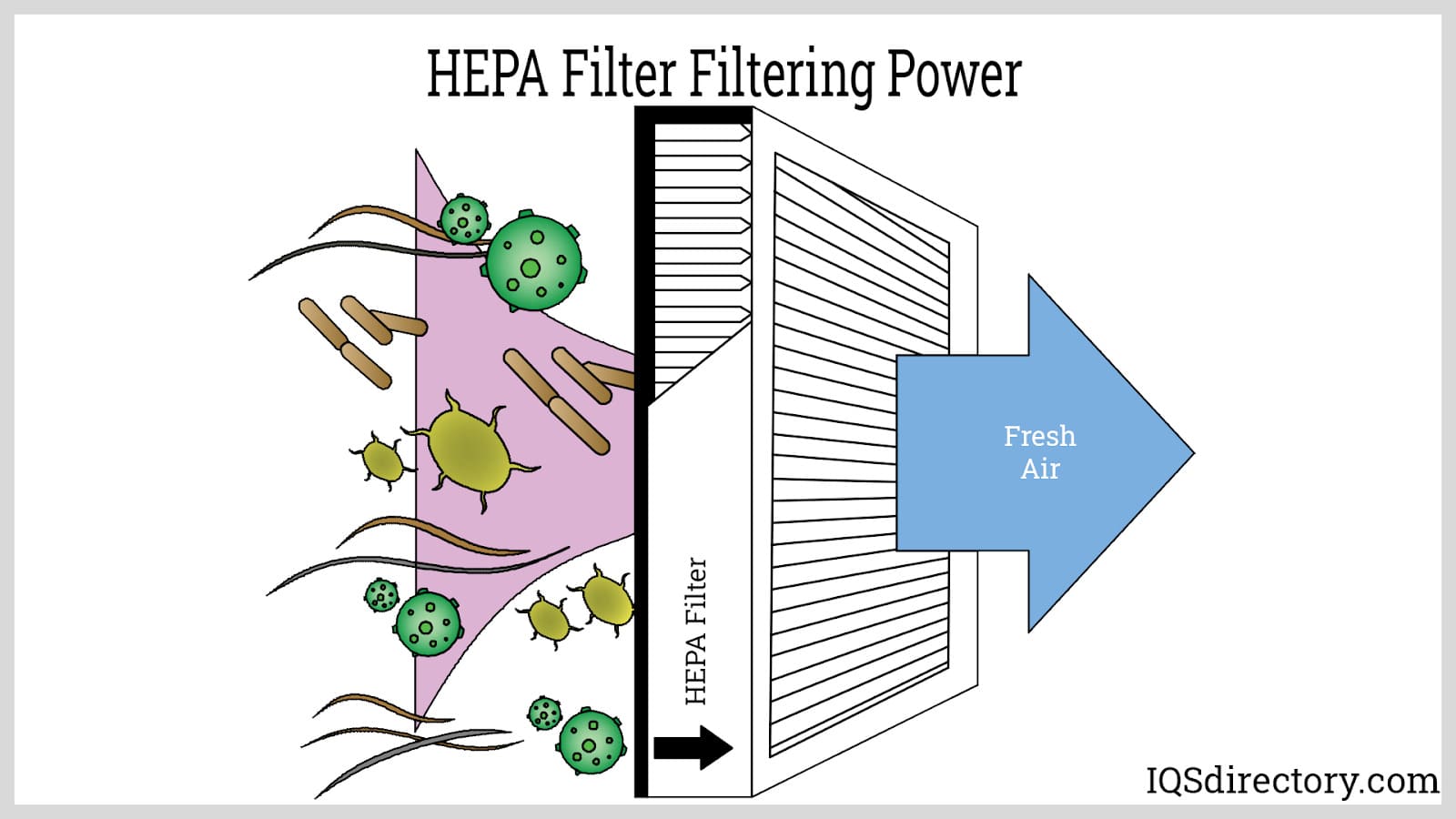
A true HEPA filter is certified to trap 99.97% of airborne particles that measure down to 0.3 microns in diameter. This includes common household allergens such as pet dander, mold spores, pollen, and dust mite debris.
- Mechanism of Action: Unlike standard mesh filters, HEPA media uses a dense, randomly arranged web of fibers—typically composed of fiberglass—that forces air to wind through a tortuous path. Particles are captured through interception, impaction, and diffusion.
- The 0.3-Micron Standard: The 0.3-micron threshold is recognized as the Most Penetrating Particle Size (MPPS). Particles larger and smaller than 0.3 microns are actually captured with even higher efficiency because larger particles collide directly with fibers (impaction) while microscopic particles exhibit erratic movement that causes them to collide with fibers randomly (diffusion).
The Role of Ultraviolet-C (UV-C) Light
While HEPA filters physically trap solid particulate matter, they do not inherently destroy biological matter. In fact, trapped organic materials like bacteria and mold spores can sometimes multiply on filter surfaces if humidity and nutrient conditions are favorable. This is where UV-C light becomes essential.
- Mechanism of Action: UV-C light operates in the wavelength spectrum of approximately 200 to 280 nanometers (most residential units utilize lamps operating around 254 nanometers). This specific radiation penetrates the cell walls of microorganisms—including bacteria, viruses, and mold—disrupting their DNA or RNA structures and rendering them unable to replicate or cause infection.
- Integration in Air Purifiers: In a well-designed home air purification system, the UV-C lamp is positioned internally so that air passing through the chamber is treated, or positioned to sterilize the surface of the HEPA filter itself. This prevents microbial growth inside the appliance without risking direct human exposure to ultraviolet radiation, which can be harmful to skin and eyes.
Key Selection Criteria for Home Air Purifiers
Choosing the right device requires assessing several critical performance metrics rather than relying solely on marketing claims. Manufacturers often use confusing terminology, but standardized ratings provide objective benchmarks.
Clean Air Delivery Rate (CADR)
The Clean Air Delivery Rate, established by the Association of Home Appliance Manufacturers (AHAM), measures the volume of filtered air delivered by an air purifier, expressed in cubic feet per minute (CFM).
- Sub-Ratings: CADR is typically broken down into three distinct categories: smoke, pollen, and dust.
- Room Sizing Rule of Thumb: To ensure adequate performance, look for a CADR rating that equals at least two-thirds of the room's area in square feet. For example, a room measuring 300 square feet requires an air purifier with a smoke CADR of at least 200.
Air Changes Per Hour (ACH)
Air Changes Per Hour refers to how many times in a single hour the total volume of air in a given room is completely processed through the air purifier.
- Standard Recommendations: For general living spaces, 2 to 4 air changes per hour are standard. For allergy sufferers, asthmatics, or rooms containing higher pollutant loads, 4 to 5 air changes per hour are ideal.
- Manufacturer Specifications: Always check the maximum room size recommended by the manufacturer to achieve the target ACH rating. Operating a unit in a space larger than specified will significantly drop the effective ACH and air purity levels.
Noise Levels and Operational Modes
Because air purifiers run continuously or for extended periods in residential settings—especially bedrooms and home offices—acoustic output is a major factor in user satisfaction.
- Decibel (dB) Ratings: Low speeds should operate quietly, typically between 20 and 30 decibels (comparable to a whisper or rustling leaves). High speeds may range from 50 to 65 decibels, which resembles the sound of a normal conversation or a quiet refrigerator.
- Sleep Modes and Sensors: Look for models featuring automatic air quality sensors that adjust fan speeds dynamically based on real-time particulate load, alongside dedicated sleep modes that dim indicator lights and lock fans onto low acoustic settings.
Comparative Overview of Filtration and Sterilization Features
To assist in evaluating equipment options, the following matrix compares the essential functional layers typically found in high-grade residential air purification systems.
| Feature / Component | Primary Function | Target Contaminants | Maintenance / Replacement Interval |
|---|---|---|---|
| Pre-Filter | Captures large debris to protect downstream filters | Hair, pet fur, large dust clumps, lint | Every 1 to 3 months (washable or vacuumable) |
| True HEPA Filter | Captures microscopic airborne particulate matter | Pollen, mold spores, pet dander, fine dust | Every 6 to 12 months (non-washable) |
| Activated Carbon Filter | Adsorbs gaseous pollutants through chemical bonding | VOCs, household odors, smoke, chemical fumes | Every 3 to 6 months |
| UV-C Lamp | Inactivates biological agents via radiation | Bacteria, viruses, mold spore DNA disruption | Every 9 to 12 months (or per operating hours) |
Maintenance, Operational Costs, and Safety Considerations
Owning a combined HEPA and UV-C air purifier involves ongoing responsibilities beyond the initial purchase price. Neglecting maintenance can degrade performance or cause the unit to circulate unfiltered air.
Filter and Lamp Replacement Schedules
Consumables represent the primary long-term cost of operating an air purification system.
- HEPA Lifespan: True HEPA filters cannot be washed with water; washing destroys the fiber matrix and eliminates electrostatic or mechanical trapping capability. They must be replaced according to usage hours or sensor indicators, typically once a year.
- UV-C Bulb Degradation: Over time, UV-C lamps lose their germicidal output intensity even if the bulb continues to emit visible blue or violet light. Users must replace the bulb annually or semi-annually depending on continuous operational wear.
- Ozone Safety: Consumers must verify that any UV-C air purifier is ozone-free or certified by bodies such as the California Air Resources Board (CARB). Some poorly designed UV-C lamps emit ozone (specifically ozone-generating UV wavelengths around 185 nm), which can irritate lung tissue and exacerbate respiratory conditions. Ensure the appliance utilizes shielded 254 nm germicidal lamps that do not produce ozone.
Frequently Asked Questions
Can a UV-C light in an air purifier remove dust and pet hair?
No. UV-C light is designed exclusively to neutralize biological contaminants like bacteria and viruses by disrupting their genetic material. It has no physical mass or mechanical capability to capture solid matter like dust, pet hair, or large pollen particles. That task relies entirely on the pre-filter and the True HEPA filter.
Do HEPA filters trap viruses?
Yes. True HEPA filters capture particles down to 0.3 microns and smaller with high efficiency. While many individual viruses measure smaller than 0.3 microns, they typically travel suspended in respiratory droplets, moisture, or attached to dust particles that easily exceed this size threshold, allowing the HEPA media to trap them effectively.
How often should I run my HEPA and UV-C air purifier?
For optimal indoor air quality, the air purifier should run continuously on a low or medium fan setting. Continuous operation ensures steady air turnover and prevents pollutant accumulation. Modern units consume minimal electricity, making continuous operation cost-effective.
Is UV-C light safe for humans inside a home appliance?
Yes, provided the UV-C lamp is fully enclosed within the metal or heavy plastic housing of the air purifier. Direct exposure to UV-C radiation is harmful to human eyes and skin. High-quality home units feature safety interlocks that automatically shut off the UV-C lamp if the access panel or filter cover is removed.
Can I wash a True HEPA filter to make it last longer?
No. Washing a True HEPA filter ruins the dense fiberglass or synthetic media, causing the fibers to clump together and creating large gaps that let microscopic pollutants pass right through. Always replace True HEPA filters dry according to the manufacturer's designated schedule.
Conclusion and Actionable Next Steps
Selecting the ideal HEPA air filter with UV-C capabilities for home use requires verifying that the unit features certified True HEPA filtration, an appropriately sized CADR rating for your room dimensions, and a shielded ozone-free germicidal lamp. To proceed, measure the square footage of your target room, check manufacturer CADR specifications to match that footprint, and establish a recurring calendar reminder to replace both the HEPA filter and the UV-C bulb annually to ensure sustained performance.