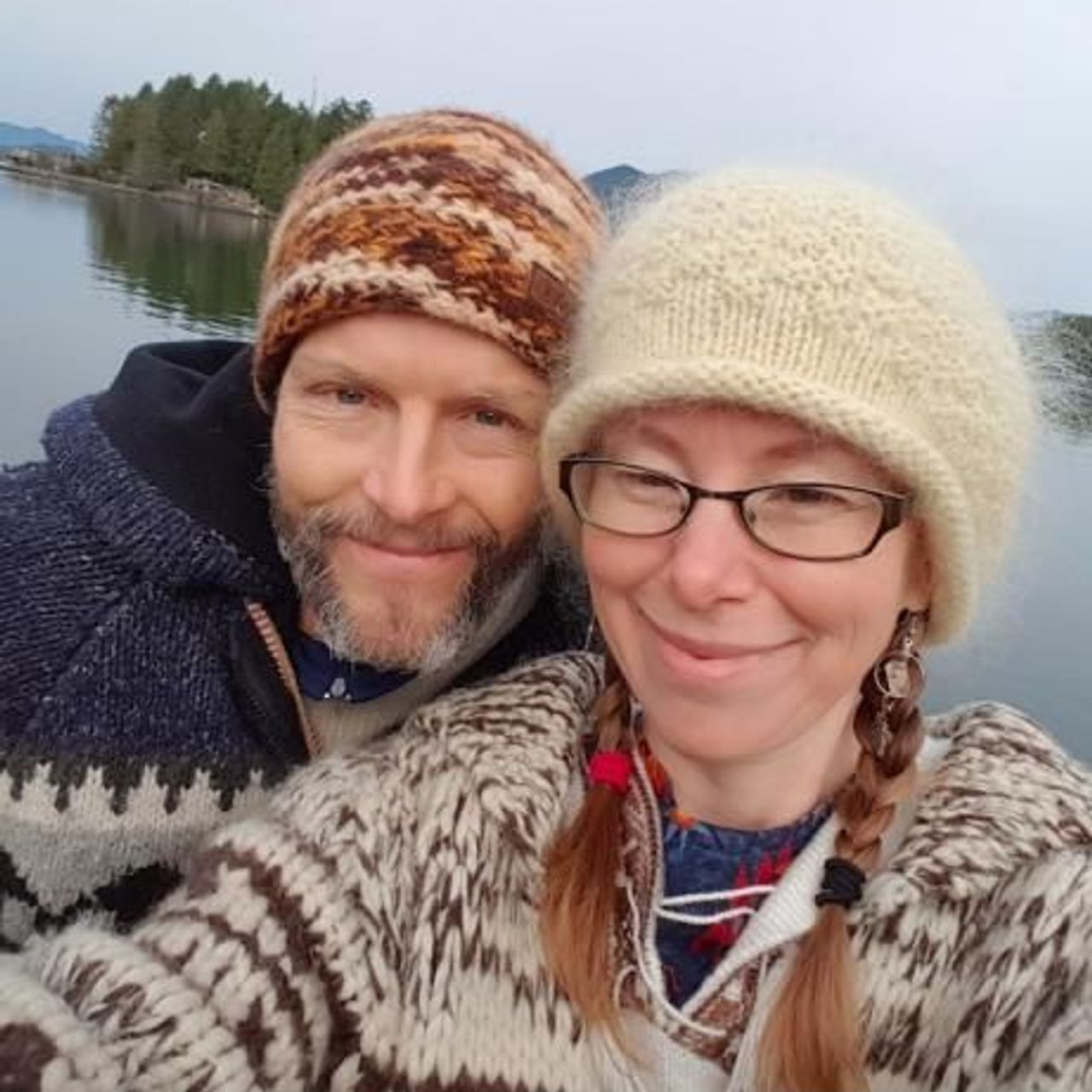
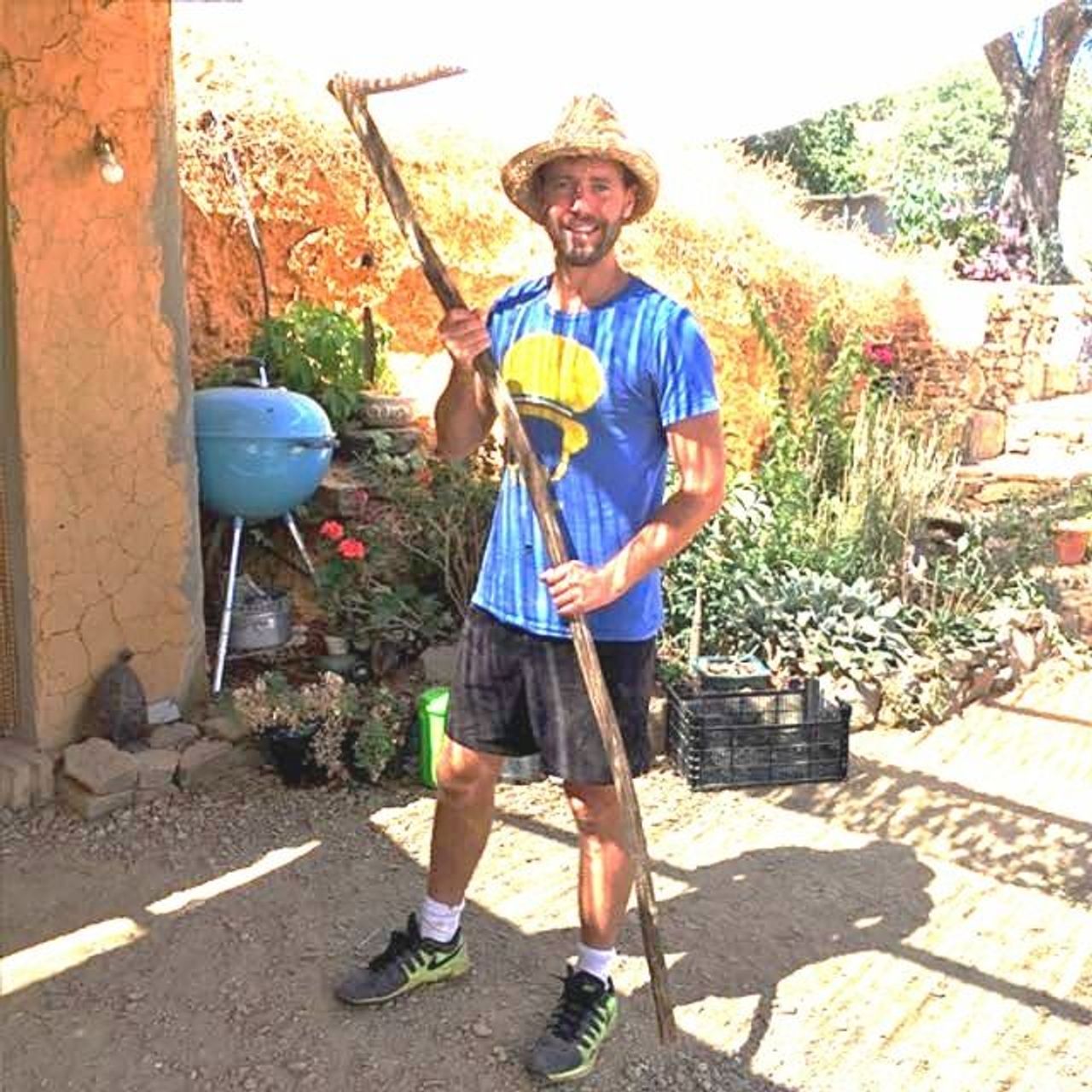
WWOOF (World Wide Opportunities on Organic Farms) remains a leading cultural and educational exchange program for eco-travelers, providing room and board in exchange for volunteer labor on organic farms. In 2026, the program serves as a vital tool for sustainable travel, offering deep immersion into local food systems and regenerative agricultural practices worldwide.
Understanding the WWOOF Movement in 2026
WWOOF is not a single entity but a global federation of national organizations. The core philosophy has remained unchanged since its inception in 1971: to provide volunteers (WWOOFers) with first-hand experience in organic farming while helping hosts achieve their sustainability goals. As we move through 2026, the network has expanded to include thousands of hosts in over 130 countries, ranging from small-scale urban gardens to massive permaculture estates and commercial vineyards.
For the eco-traveler, WWOOFing represents a departure from traditional tourism. It is a "slow travel" model that minimizes carbon footprints by reducing the need for hotel infrastructure and commercial dining. Instead, participants live as part of a farming family or community, consuming what is grown on-site and contributing to the health of the local ecosystem.
The organization is structured into two main categories:
- National WWOOF Organizations: These are independent bodies in countries like the USA, Australia, France, and Italy. They manage their own websites, membership fees, and host vetting processes.
- WWOOF Independents: For countries without a dedicated national organization, the WWOOF Independents portal (managed by the Federation of WWOOF Organisations) connects volunteers with hosts in regions such as parts of Africa, Asia, and Latin America.
Eligibility and Membership Prerequisites
To participate in WWOOF in 2026, travelers must meet specific criteria that ensure the safety and legality of the exchange. While the barrier to entry is relatively low, the administrative requirements are non-negotiable.
Age and Legal Status
In most jurisdictions, the minimum age to WWOOF is 18. Some national organizations, particularly in Europe, allow those aged 16 or 17 with parental consent, provided the host is willing to accept minors. There is no upper age limit; "Grey WWOOFing" has become a significant trend in 2026 as retirees seek meaningful ways to spend their time and share their professional skills with farm communities.
Visas and Work Permits
A common misconception is that WWOOFing does not require a work visa because no money is exchanged. However, many countries (including the United States, United Kingdom, and Australia) view the exchange of labor for room and board as "work." Travelers must verify whether a standard tourist visa allows for volunteer farm stays. In 2026, many eco-travelers utilize "Working Holiday Visas" to stay compliant with local immigration laws.
Membership Fees
Membership is required for both hosts and volunteers. It is important to note that a membership with WWOOF USA does not grant access to the host list in WWOOF France. Each national organization requires a separate annual fee, typically ranging from $25 to $55 USD. These fees fund the maintenance of the digital platforms, host vetting, and insurance programs.
The Financial Reality of WWOOFing
While WWOOF is often marketed as "free travel," this is a technical misnomer. For an eco-traveler to plan a successful and sustainable trip, they must account for several primary costs:
- Transportation: The cost of flights, trains, or buses to reach the farm is entirely the responsibility of the volunteer. Since many organic farms are located in remote rural areas, local transport costs can be higher than expected.
- Insurance: Most WWOOF organizations require or strongly recommend specialized travel insurance that covers manual labor. Standard travel insurance often excludes injuries sustained while working with tools or livestock.
- Gear: Proper footwear (work boots), gloves, and weather-appropriate clothing are essential. Eco-travelers are encouraged to source these second-hand to maintain their sustainability ethos.
- Personal Expenses: Toiletries, snacks, weekend excursions, and mobile data are not covered by the host.
Analyzing the Sustainability Impact for Eco-Travelers
For those who prioritize ecological footprints, WWOOFing is one of the most effective ways to travel. Unlike commercial eco-resorts, which may engage in "greenwashing," WWOOF hosts are fundamentally tied to organic standards.
Education in Regenerative Practices
WWOOFers gain practical skills in composting, soil health, water conservation, and biodiversity management. In 2026, many farms focus specifically on carbon sequestration and climate-resilient crops. Travelers are not just observing; they are actively participating in the restoration of local ecosystems.
Reduced Resource Consumption
Living on a farm typically involves lower water and electricity usage than staying in a hotel. Many hosts utilize solar power, rainwater harvesting, and composting toilets. Furthermore, the "field-to-table" lifestyle drastically reduces the packaging waste and transportation emissions associated with food.
Supporting Local Economies
WWOOFing keeps resources within rural communities. By helping organic farmers stay viable, volunteers contribute to the preservation of agricultural land that might otherwise be sold for industrial or residential development.
Comparison of Major WWOOF Regions
The experience can vary significantly based on the country and its agricultural climate. The following table provides a comparison of popular WWOOFing destinations based on 2026 data.
| Region | Primary Farm Types | Typical Stay Duration | Best Time to Visit | Difficulty Level |
|---|---|---|---|---|
| Western Europe | Vineyards, Dairy, Cheesemaking | 2–4 Weeks | April – October | Moderate |
| North America | Market Gardens, Permaculture | 1–3 Months | May – September | High (Physical) |
| Australasia | Tropical Fruits, Cattle, Reforestation | 2–6 Months | Year-round | High (Climate) |
| Latin America | Coffee, Cacao, Eco-villages | 2–8 Weeks | November – March | Moderate |
| Southeast Asia | Rice, Spices, Tropical Permaculture | 1–4 Weeks | November – February | Low to Moderate |
Safety, Vetting, and the Review System
Safety is the primary concern for any solo traveler or eco-volunteer. In 2026, WWOOF platforms have implemented more robust vetting procedures, but the responsibility for safety remains shared between the organization and the traveler.
The Power of Reviews
The review system is the most critical tool for a WWOOFer. Before applying to a host, travelers should look for:
- Consistency: Multiple reviews over several years indicating a stable and welcoming environment.
- Specifics: Details about the food quality, the sleeping arrangements, and the type of tasks assigned.
- Response Rate: How quickly and professionally the host responds to feedback.
Red Flags to Watch For
Eco-travelers should be cautious of host profiles that lack photos, provide vague descriptions of the work, or expect more than 30 hours of labor per week. WWOOF guidelines generally suggest 20 to 30 hours per week (roughly 4–6 hours per day) as the standard exchange. Any host asking for 40+ hours is likely looking for cheap labor rather than a cultural exchange.
Communication and Expectations
Successful WWOOFing relies on clear communication. Before arrival, a "WWOOFing agreement" (often informal via email or the platform’s messaging system) should be established. This should cover:
- Work Schedule: What time does the day start? Which days are off?
- Accommodations: Is it a private room, a shared dorm, or a tent?
- Dietary Restrictions: Can the host accommodate vegans, celiacs, or specific allergies?
- Internet Access: Is there Wi-Fi, or is the farm a "digital detox" zone?
Common Challenges and How to Overcome Them
WWOOFing is physically demanding and socially intense. Even the most dedicated eco-traveler may face hurdles.
- Physical Fatigue: Farm work is hard. Tasks like weeding, shoveling mulch, or harvesting under the sun can lead to exhaustion. Travelers should be honest about their physical limits and stay hydrated.
- Cultural Clashes: Living in someone's home requires high levels of adaptability. Differences in cleanliness standards, political views, or communication styles can arise. Patience and an open mind are essential.
- Isolation: Many farms are far from cities. For social travelers, it is important to choose hosts near towns or those who host multiple WWOOFers at once to avoid feelings of loneliness.
Selecting the Right Host: A Step-by-Step Guide
- Define Your Goals: Do you want to learn how to make goat cheese, or are you more interested in sustainable forest management? Filter hosts by their primary activities.
- Read the Full Profile: Pay attention to the "About Us" section. Does their philosophy align with your views on sustainability?
- Check the Availability Calendar: Popular hosts often book out 3–6 months in advance, especially during peak harvest seasons.
- Send a Personalized Inquiry: Do not send a generic "copy-paste" message. Mention specific things you liked about their farm and explain what skills you can offer (even if it’s just a willingness to learn and a strong work ethic).
- Interview the Host: Ask for a video call before committing. This helps gauge the "vibe" and ensures there are no hidden surprises.
Frequently Asked Questions
Is WWOOFing really "working for free"?
Technically, it is a barter system. While you do not receive a paycheck, you receive value in the form of housing, food, and education. In most regions, the cost of a private room and three organic meals a day far exceeds the value of 25 hours of unskilled labor, making it an economically viable option for budget eco-travelers.
Do I need prior farming experience?
No, most hosts do not require prior experience. They are looking for volunteers who are enthusiastic, reliable, and willing to get their hands dirty. However, if you have specific skills like carpentry, plumbing, or social media management, mention them, as they are highly valued on a farm.
Can I WWOOF with a partner or a pet?
Many hosts welcome couples or friends traveling together. WWOOFing with a pet is much more difficult, as many farms have their own livestock or working dogs. Always use the search filters to find "pet-friendly" hosts and confirm with them directly.
What happens if I don't like the farm?
You are a volunteer, not a contract worker. If the situation is unsafe, if the host is disrespectful, or if the work is significantly different from what was described, you have the right to leave. It is professional to give a few days' notice if possible, but your personal safety and well-being come first.
Is WWOOFing safe for solo female travelers?
WWOOFing is generally safe, and thousands of solo women participate annually. The key is to stick to hosts with high numbers of positive reviews and to trust your intuition. In 2026, many national organizations have "female-only" or "family-hosted" filters to provide an extra layer of comfort.
Final Recommendation for 2026 Eco-Travelers
For travelers seeking a profound connection to the earth and a way to bypass the environmental costs of mainstream tourism, WWOOF remains an unparalleled opportunity. It is best suited for those who are physically fit, emotionally resilient, and genuinely interested in the future of food. To ensure success, prioritize hosts with a long history of positive reviews, stay updated on visa requirements for your destination, and approach the experience with the mindset of a student rather than a tourist.